

 Предпросмотр
 Поделиться
 Поделиться
 Детали произведения

 Скачать
 Похожие работы
 Рентгенография
 Слайд-шоу
 Статистика
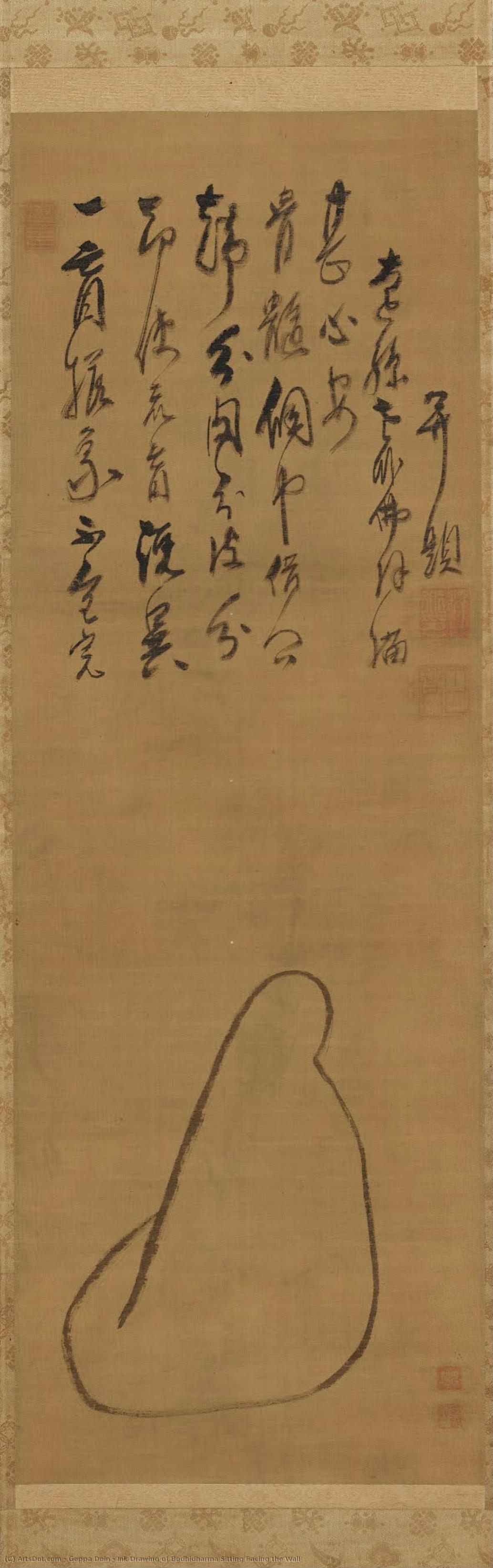
Ink Drawing of Bodhidharma Sitting Facing the Wall

 Читать далее
Масляная репродукция ручной работы
Картина маслом на холсте в выбранном вами размере и раме, написанная на заказ нашими художниками. ( Перейти к печати Перейти к цифровым изображениям)




































Выберите один из наших стандартных размеров, соответствующих оригинальным пропорциям произведения искусства.

Вы можете указать собственные размеры, чтобы картина идеально вписалась в выбранную раму или пространство. Если выбранный вами размер не соответствует пропорциям оригинала, мы либо обрежем полотно, либо расширим его за счет дополнительных элементов, написанных вручную. Цифровой макет будет отправлен вам на утверждение перед началом производства.
Обратите внимание, что предварительный просмотр на экране не отражает фактическую обрезку или расширение. Только макет точно покажет окончательную композицию.
Хотя доступны индивидуальные размеры, мы рекомендуем выбирать вариант из предопределенного списка, чтобы сохранить исходные пропорции.
После оформления заказа команда ArtsDot.com свяжется с клиентом по электронной почте для уточнения деталей и предоставит предварительный макет
Доставка по всему миру () за 3–4 недели вместо стандартных 5 недель. (12 Сентябрь). Без компромиссов в качестве.

Бесплатная экспресс-доставка по всему миру

Высококачественный льняной холст

Полное страхование доставки

Гарантия возмещения таможенных пошлин

Гарантия точного соответствия цветов

100-дневная политика возврата (только при обнаружении дефектов)

Гарантия возврата 100% средств

Предложение оптовых скидок
 Вариант со стеклом доступен только для размеров менее 110 см

Ink Drawing of Bodhidharma Sitting Facing the Wall
Техника репродукции
Размер репродукции
-


Итоговая стоимость
$ 263
Похожие произведения





Биография художника
The Silent Master: Geppa Dōin and the Essence of Bodhidharma
Geppa Dōin, born in Tokyo in 1637 and passing away in 1716, remains a quietly profound figure within the pantheon of 17th-century Japanese art. His legacy isn’t one of flamboyant displays or dramatic narratives; rather, it resides in the meticulous execution and deeply considered symbolism of his ink drawings, particularly his iconic depiction of Bodhidharma, the legendary founder of Zen Buddhism. Dōin's work speaks to a contemplative spirit, reflecting the core tenets of his era – a period marked by both intense spiritual seeking and the constraints of a rigidly structured society. He was a master of *sumi-e*, the traditional Japanese ink wash painting technique, employing it not merely as a means of representation but as a pathway to capturing the very essence of his subject.Early Life and Artistic Training
Details surrounding Dōin’s early life are scarce, typical for many artists of that time whose lives were often intertwined with monastic communities. It is believed he received his initial training within a Zen temple in Kyoto, immersing himself in the principles of meditation and calligraphy – skills inextricably linked in Japanese artistic tradition. Calligraphy, with its emphasis on brushstroke, balance, and spiritual discipline, served as a foundational element for his later ink drawings. The deliberate control required to wield the *kobun*, the traditional Chinese ink stick and stone, mirrored the disciplined mind sought within Zen practice. While formal documentation is limited, it’s reasonable to assume he studied under established masters, absorbing their techniques and philosophies before forging his own distinctive style.The Bodhidharma Icon: A Study in Stillness
Dōin's most celebrated work, the “Ink Drawing of Bodhidharma Sitting Facing the Wall,” is a testament to his profound understanding of Buddhist iconography and his ability to translate complex spiritual concepts into visual form. The image depicts Bodhidharma, often referred to as the "Empty One," in an iconic pose: seated on the floor, facing away from the viewer, with his legs crossed in *dhyanasana*, the meditative posture. This deliberate avoidance of direct gaze is not merely a stylistic choice; it symbolizes detachment and the transcendence of ego – key aspects of Zen Buddhist practice. The simplicity of the composition—a single figure against a stark background—heightens the sense of stillness and invites contemplation.- The use of *sumi* ink creates a subtle, layered effect, suggesting depth and texture without resorting to elaborate detail.
- Notice the careful rendering of Bodhidharma’s robes, which are rendered with flowing lines that convey both dignity and humility.
- The absence of color reinforces the image's spiritual focus, emphasizing the purity and essential nature of the subject.
Technique and Influences: Echoes of Tradition
Dōin’s artistic style is deeply rooted in centuries of Japanese art history. He skillfully blended elements of *yamato-e*, a vibrant, naturalistic style prevalent during the Muromachi period (1392–1573), with the more restrained and contemplative approach of later Zen artists. The influence of Chinese ink painting, particularly the works of masters like Sesshu Toyo, is evident in his meticulous brushwork and compositional balance. However, Dōin’s work transcends mere imitation; he infused these influences with a uniquely Japanese sensibility, prioritizing spiritual depth over literal representation. His mastery of *shakkei*, or landscape perspective, subtly suggests an expansive, timeless realm beyond the confines of the depicted scene.Legacy and Historical Significance
Geppa Dōin’s “Ink Drawing of Bodhidharma Sitting Facing the Wall” is more than just a beautiful artwork; it's a window into the spiritual landscape of 17th-century Japan. Its enduring appeal lies in its ability to evoke a sense of quiet contemplation and invite viewers to engage with profound philosophical concepts. Currently held within the collection of the Watanabe Japanese Fine Arts, this piece continues to inspire artists and scholars alike, solidifying Dōin’s place as a pivotal figure in the development of Japanese ink painting and a master of conveying spiritual truths through visual art. His work serves as a reminder that true artistry lies not just in technical skill but in the ability to capture the essence of something larger than oneself – a testament to the power of stillness, reflection, and the pursuit of enlightenment.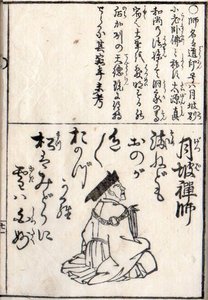
geppa doin
1637 - 1716 , Japan
Основные сведения
- Artistic Movement Or Style: Ink drawing & Calligraphy
- Date Of Birth: 1637
- Date Of Death: 1716
- Full Name: Geppa Dōin
- Nationality: Japanese
- Notable Artworks: ['Bodhidharma Sitting Facing Wall']
- Place Of Birth: Tokyo, Japan