

 Предпросмотр
 Поделиться
 Поделиться
 Детали произведения

 Скачать
 Похожие работы
 Рентгенография
 Слайд-шоу
 Статистика
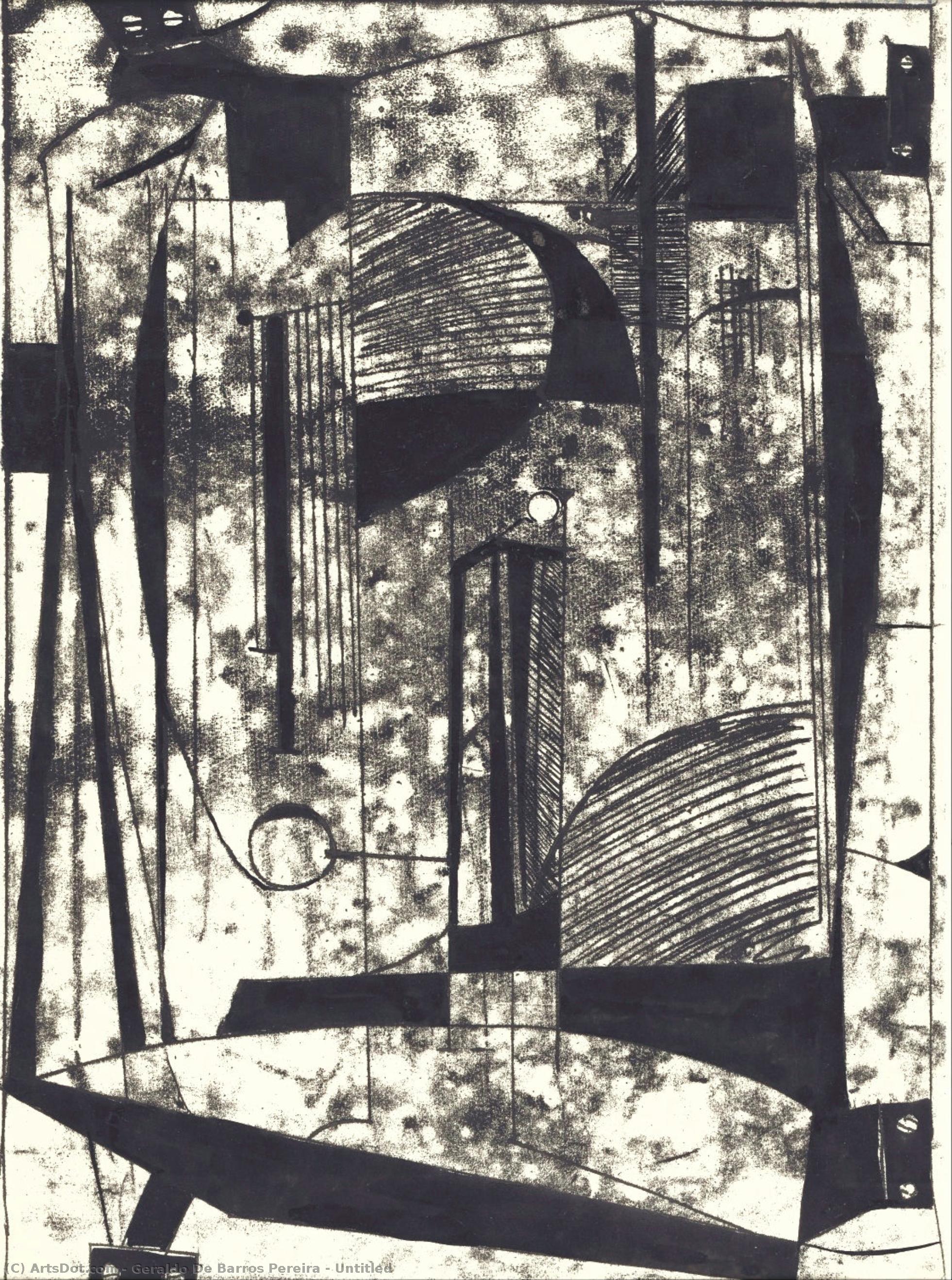
Untitled


 Читать далее
Масляная репродукция ручной работы
Картина маслом на холсте в выбранном вами размере и раме, написанная на заказ нашими художниками. ( Перейти к печати Перейти к цифровым изображениям)




































Выберите один из наших стандартных размеров, соответствующих оригинальным пропорциям произведения искусства.

Вы можете указать собственные размеры, чтобы картина идеально вписалась в выбранную раму или пространство. Если выбранный вами размер не соответствует пропорциям оригинала, мы либо обрежем полотно, либо расширим его за счет дополнительных элементов, написанных вручную. Цифровой макет будет отправлен вам на утверждение перед началом производства.
Обратите внимание, что предварительный просмотр на экране не отражает фактическую обрезку или расширение. Только макет точно покажет окончательную композицию.
Хотя доступны индивидуальные размеры, мы рекомендуем выбирать вариант из предопределенного списка, чтобы сохранить исходные пропорции.
После оформления заказа команда ArtsDot.com свяжется с клиентом по электронной почте для уточнения деталей и предоставит предварительный макет
Доставка по всему миру () за 3–4 недели вместо стандартных 5 недель. (11 Сентябрь). Без компромиссов в качестве.

Бесплатная экспресс-доставка по всему миру

Высококачественный льняной холст

Полное страхование доставки

Гарантия возмещения таможенных пошлин

Гарантия точного соответствия цветов

100-дневная политика возврата (только при обнаружении дефектов)

Гарантия возврата 100% средств

Предложение оптовых скидок
 Вариант со стеклом доступен только для размеров менее 110 см

Untitled
Техника репродукции
Размер репродукции
-


Итоговая стоимость
$ 263
Похожие произведения








Биография художника
A Pioneer of Brazilian Abstraction: The Life and Work of Geraldo de Barros
Geraldo de Barros, born in Chavantes, São Paulo, Brazil, on February 27, 1923, emerged as a pivotal figure in the landscape of 20th-century Brazilian art. His prolific career spanned painting, photography, engraving, graphic arts, and industrial design, all interwoven by a relentless pursuit of innovative artistic expression and a profound questioning of art’s role within society. Though he initially trained as a traditional painter, it was his foray into the photographic medium in 1946 that truly ignited his path to becoming one of Brazil's most influential artists. This exploration culminated in the groundbreaking *Fotoformas* exhibition at the Museu de Arte de São Paulo (MASP) in 1951—an event that would irrevocably alter the course of Brazilian photography and secure Barros’ place as a pioneer of abstract imagery.Early Experiments and the Rise of Concrete Art
The early years were marked by an insatiable curiosity and a rejection of conventional representation. Encouraged by critic Mario Pedrosa, de Barros delved into the art of Paul Klee and the principles of Gestalt theory, seeking new ways to perceive and depict reality. The *Fotoformas* series was not merely a collection of images; it was a radical experiment in visual perception. Barros manipulated negatives, employed multiple exposures, and rotated forms to capture what he termed a “phenomenological experience” of Brazil’s rapidly urbanizing landscape during the mid-twentieth century. These weren't documents of reality but rather investigations into how we *see* reality—a premonition of the abstract explorations that would define his future work. The success of *Fotoformas* earned him a scholarship to study engraving in Paris, opening doors to a wider world of artistic influences and movements. During this period he encountered key figures and ideas that further shaped his aesthetic vision.Grupo Ruptura and the Integration of Art and Life
Upon returning to Brazil, de Barros became a central figure in the burgeoning Concrete art movement. In 1952, he co-founded Grupo Ruptura alongside Judith Lauand, Luiz Sacilotto, Lothar Charoux, and Waldemar Cordeiro—a collective dedicated to inserting painting and art into the fabric of a modernizing nation. This wasn’t simply about aesthetic innovation; it was about challenging traditional notions of artistic creation and seeking ways to integrate art into everyday life. Influenced by his experiences at the Ulm School of Design in Germany, where he studied with Otl Aicher and Max Bill, de Barros believed that carefully designed objects could bring art into every home, fostering a deeper connection between people and abstract concepts. This conviction led him to establish Unilabor in 1954—a labor cooperative dedicated to the production of modular furniture.From Unilabor to Hobjeto: A Commitment to Industrial Design
Unilabor was more than just a design venture; it was an experiment in social and economic innovation, with all workers sharing in decision-making and profits. The furniture produced by Unilabor embodied de Barros’ principles of *Gute Form*—functional, aesthetically pleasing designs intended for mass production. However, the political instability and economic hardship of the 1960s ultimately led to its demise. Undeterred, de Barros founded Hobjeto Industry in 1964, continuing his exploration of modular design on a larger scale. Throughout these endeavors, he remained committed to the idea that art could be a catalyst for social change, even within the realm of industrial production. In the latter part of the decade, he also engaged with Pop Art aesthetics, though his approach was distinctly Brazilian—characterized by social and political commitment rather than mere stylistic imitation.Legacy and Rediscovery
Despite periods of relative obscurity, Geraldo de Barros’ influence continued to resonate within the Brazilian art world. After suffering a series of strokes in the 1990s, he embarked on a final creative phase, assembling collages from his family photographs—a poignant reflection on memory, time, and personal history. These *Sobras* (Leftovers) works, created until his death in São Paulo on April 17, 1998, demonstrate the enduring power of his artistic vision. Today, de Barros is recognized as one of the most influential Brazilian artists of the 20th century—a visionary who seamlessly blended painting, photography, design, and social activism to create a body of work that continues to inspire and challenge audiences worldwide. His pioneering spirit and unwavering commitment to innovation have cemented his legacy as a true icon of Brazilian modernism.- Key Movements: Concrete Art, Abstract Photography, Brazilian Modernism
- Notable Groups: Grupo 15, Galeria Rex, Grupo Ruptura
- Influences: Paul Klee, Gestalt Theory, Bauhaus, Max Bill
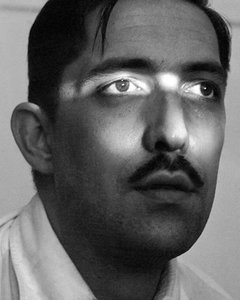
geraldo de barros pereira
1923 - 1998 , Brazil
Основные сведения
- Artistic Movement Or Style: Concrete Art, Modernism
- Artists Or Movements Influenced By This Artist: ['Grupo Ruptura']
- Artists Who Influenced This Artist:
- Paul Klee
- Wassily Kandinsky
- Date Of Birth: February 27, 1923
- Date Of Death: April 17, 1998
- Full Name: Geraldo de Barros Pereira
- Nationality: Brazilian
- Notable Artworks: ['Fotoformas']
- Place Of Birth: São Paulo, Brazil