


 Предпросмотр
 Поделиться
 Поделиться
 Детали произведения

 Скачать
 Похожие работы
 Рентгенография
 Слайд-шоу
 Статистика
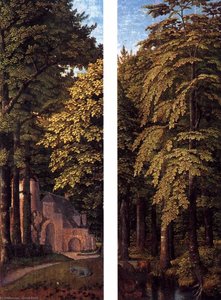
Triptych of Jan Des Trompes (rear of the wings)
 Oil On Canvas
- WallArt
- Northern Renaissance
 1505
1505 132.0 x 43.0 cm
 Музей Гронинге
 Читать далее
Приобретите цифровое изображение высокого разрешения в улучшенном качестве, которое значительно превосходит онлайн-превью.
Каждый файл тщательно подготавливается нашими специалистами с использованием передовых инструментов и экспертной ручной ретуши. Мы гарантируем исключительную четкость, точную цветопередачу и детальную проработку каждого изображения.
Финальный файл доставляется по электронной почте в течение 72 часов и оптимизирован для немедленного использования в профессиональной среде, при верстке и печати. Это тот же уровень качества, которому доверяют ведущие дизайнерские студии, издательства и галереи.
Цифровое изображение
Скачайте файл высокого разрешения для личного использования, печати и творческих проектов. ( Перейти к печати Купить картину ручной работы)
Включено в каждый заказ цифровых изображений
Гарантия экспертной цифровой доставки
Выбирая ArtsDot.com, вы получаете не просто изображение — вы приобретаете профессионально обработанное цифровое произведение искусства, созданное с безупречной точностью и под защитой гарантии качества. Вот всё, что автоматически входит в ваш заказ:

Мгновенная доставка по e-mail
Ваш цифровой файл в высоком разрешении будет отправлен вам по электронной почте в течение 72 часов после оформления заказа — и сразу станет доступен для использования.

Цифровой файл с ИИ-улучшением
Ваше произведение искусства проходит профессиональную оптимизацию с использованием передовых инструментов ИИ и ручной обработки, что гарантирует максимальную детализацию, четкость и точность цветопередачи.

Бессрочная бесплатная повторная доставка
Случайно удалили или потеряли файл? Не беспокойтесь — мы отправим его вам повторно в любое время и совершенно бесплатно.

Без импортных пошлин — навсегда
Наслаждайтесь вашим произведением искусства мгновенно без таможенных пошлин, сборов или затрат на доставку — цифровые загрузки всегда не облагаются налогом.

Гарантия точности цветопередачи
Мы гарантируем, что ваше цифровое изображение максимально точно передает оригинальные цвета благодаря использованию профессиональных инструментов и систем управления цветом.

Гарантия удовлетворенности 100 дней
Если вы не будете удовлетворены своим цифровым изображением, мы внесем правки или вернем 100% стоимости в течение 100 дней — без лишних вопросов.

100% Гарантия возврата средств
Не удовлетворены покупкой? Получите полный возврат средств в течение 100 дней после получения цифрового файла — без лишних вопросов.

Скидки на оптовые заказы
Купите 3 изображения, сэкономьте 10% — Купите 5, сэкономьте 15% — Купите 10+, сэкономьте 20%. Отличное решение для творческих проектов, галерей и агентств.
The Mystical Depths of Jan Des Trompes
The “Triptych of Jan Des Trompes (rear of the wings)” – a masterpiece by Gerard David, painted in 1505 – isn’t merely a religious depiction; it's an invitation into a realm of quiet contemplation and subtle symbolism. Created during a pivotal moment in the burgeoning Renaissance, this work transcends its immediate subject matter to offer a profound meditation on faith, family, and the unseen forces that shape human experience. David, a master of Flemish light and a figure shrouded in intriguing historical mystery, crafted an image that resonates with both serene beauty and a palpable sense of depth.
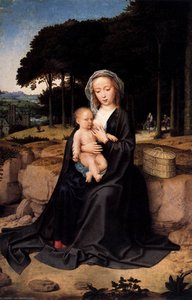
The triptych’s core narrative centers around the Virgin Mary cradling the infant Jesus, a scene instantly recognizable yet imbued with David's distinctive artistic sensibility. However, it is in the meticulous detail of the surrounding figures – the kneeling donors, the architectural backdrop – that the painting truly reveals its complexity. The rear panels, often overlooked, are particularly compelling. They depict not grand processions or triumphant victories, but rather intimate portraits of Mary’s family: her husband, Joseph, and their two children, John and Mary. These aren't idealized representations; they possess a quiet realism, hinting at the everyday lives and emotional connections that underpinned the sacred narrative.
A Symphony of Color and Light
David’s technical prowess is immediately apparent in his masterful manipulation of color and light. He employs a technique known as “tenebrism,” subtly layering dark hues to create an atmosphere of profound depth and mystery. The muted greens, browns, and golds dominate the palette, evoking a sense of timelessness and spiritual solemnity. Light isn’t used to simply illuminate; it's strategically deployed to draw the viewer’s eye to key elements – the Virgin’s face, the infant Jesus’s serene expression, and the delicate folds of Mary’s garments. This careful orchestration of light and shadow contributes significantly to the painting’s emotional impact, creating a sense of intimacy and reverence.
The artist's use of oil paint allows for incredible detail and luminosity – a hallmark of Flemish art at the time. Notice how David renders the textures of the fabrics, the smoothness of the stone, and the delicate sheen on Mary’s face. He achieves this through meticulous layering and glazing techniques, building up color gradually to create a rich, vibrant surface. The attention to detail is not merely decorative; it serves to heighten the sense of realism and draw the viewer into the scene.
Symbolism and Context
Beyond its immediate religious subject matter, the “Triptych of Jan Des Trompes” is laden with symbolic meaning. The architectural setting – a richly decorated chamber reminiscent of a medieval chapel – suggests a space of sacred contemplation. The inclusion of the family portraits underscores the importance of lineage and familial piety within Christian belief. Furthermore, the placement of the figures within this enclosed space can be interpreted as a metaphor for the soul’s journey towards salvation.
Painted in Bruges during a period of significant artistic innovation, the triptych reflects the evolving trends of the Early Netherlandish Renaissance. David was influenced by artists like Hans Memling and Jan van Eyck, but he developed his own distinctive style characterized by its emotional depth, psychological realism, and masterful use of color. The work’s creation coincided with a period of intense religious fervor and social upheaval in Europe, reflecting the anxieties and aspirations of the time.
A Timeless Legacy
The “Triptych of Jan Des Trompes” remains a powerful testament to Gerard David's artistic genius. Its enduring appeal lies not only in its technical brilliance but also in its profound emotional resonance. It invites viewers to contemplate the mysteries of faith, family, and the human condition – offering a glimpse into a world where beauty and spirituality converge. Reproductions of this iconic work capture much of its original power, providing an accessible way to experience David’s masterful vision for generations to come.
Похожие произведения
Биография художника
A Master of Flemish Light: The Enigmatic World of Gerard David
Gerard David, a name that resonates with the brilliance of early Netherlandish painting, remains an artist shrouded in intriguing mystery. Born around 1460 in Oudewater, Netherlands, his life story is pieced together from fragmented archival records and the eloquent testimony of his art. Unlike some contemporaries whose lives are richly documented, David’s personal narrative is sparse, allowing his paintings to speak volumes where biographical details fall silent. What is known suggests a remarkably successful career, likely managing workshops in both Antwerp and Bruges – centers of artistic innovation during the Renaissance. His reputation experienced an ebb in the 17th century, only to be gloriously resurrected by 19th-century art historians who recognized his unique contributions to the Northern Renaissance. He was inducted as a free master into the Corporation of Imagemakers and Saddlers in Bruges in 1484, marking a pivotal moment in his ascent. His later involvement with the Antwerp guild in 1515 further solidifies his standing within the artistic community.Formative Influences and Artistic Development
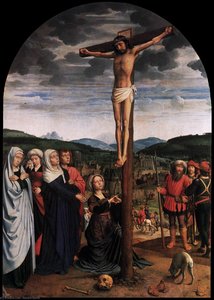
David’s artistic journey began under influences that shaped the very foundation of his style. Early works reveal a clear debt to painters like Jacob Janszoon, Dieric Bouts, and Geertgen tot Sint Jans – masters who instilled in him a meticulous attention to detail and a sensitivity to religious narrative. It is believed he spent time in Haarlem absorbing these lessons before relocating to Bruges, a vibrant hub of artistic exchange attracting talent from across Europe. Here, David encountered the masterpieces of Jan van Eyck, Rogier van der Weyden, and Hans Memling, absorbing their techniques while forging his own distinct path. He didn’t merely imitate; he synthesized these influences into something uniquely his own – a style characterized by luminous color, serene compositions, and an increasingly sophisticated understanding of landscape. His early paintings demonstrate this evolution, moving from the doll-like figures reminiscent of Haarlem traditions towards more sculptural forms grounded in their environment. This transition is visible in works like *Christ Nailed to the Cross*, where the influence of Bouts’ spatial construction blends with David’s emerging coloristic sensibility. The meticulous detail and realistic portrayal of textures—the rough wood of the cross, the folds of Christ's garment—are hallmarks of his early style, reflecting a deep respect for the materials he worked with.Innovation in Landscape and Religious Narrative
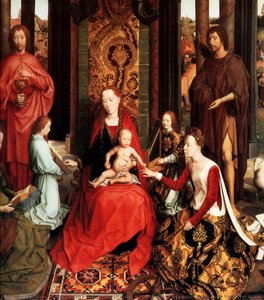
Gerard David’s artistic signature lies in his innovative approach to both landscape and religious subject matter. He wasn’t simply depicting backgrounds; he was creating immersive environments that enhanced the emotional resonance of his scenes. His landscapes are not merely decorative, but integral components of the narrative, often imbued with symbolic meaning. This fascination with natural settings – dense forests, rolling hills, expansive skies – set him apart from many of his contemporaries and foreshadowed the development of landscape as a distinct genre. Consider *View in a Forest*, outer wing of a triptych; it’s not simply a backdrop but a world unto itself, rendered with meticulous detail and atmospheric perspective. The interplay of light and shadow, the suggestion of depth, and the careful selection of flora all contribute to the painting's evocative power. Within his religious works, David demonstrated a remarkable ability to convey both profound spirituality and human emotion. Paintings like *The Marriage of St. Catherine* exemplify this skill. The scene is rendered with exquisite detail, yet it’s the subtle expressions on the figures’ faces – their piety, contemplation, or gentle joy – that truly captivate the viewer. He possessed a gift for imbuing his sacred subjects with a sense of quiet dignity and relatable humanity. His *Virgin Among the Virgins*, donated to the Carmelite nuns of Sion at Bruges, is another testament to his skill, featuring a self-portrait within the painting itself – a rare and intimate gesture from an artist of his time. This innovative inclusion not only highlights David’s confidence but also invites the viewer into a dialogue with the artist himself.Major Achievements and Artistic Style
David's career spanned several decades, during which he produced a remarkably diverse body of work. He is particularly celebrated for his altarpieces – monumental paintings designed to be displayed in churches and cathedrals. The *Judgment of Cambyses*, consisting of two large panels, showcases his mastery of composition, color, and dramatic storytelling. The scene depicts the pharaoh Cambyses’s brutal judgment of Amun-Ra, a powerful depiction of divine justice and human folly. Similarly, the triptych of the *Baptism of Christ* is a masterpiece of detail and emotional intensity, capturing the serene beauty of the biblical event. David's style can be characterized by several key features: his use of rich, jewel-toned colors; his meticulous attention to detail—particularly in rendering fabrics, textures, and facial expressions; and his innovative approach to landscape, as seen in works like *View in a Forest*. He was also a skilled draftsman, producing numerous drawings that served as studies for his paintings. His work reflects the influence of both late medieval traditions and emerging Renaissance ideals, creating a unique synthesis of styles.Legacy and Enduring Influence
Though his fame waned for a period after his death in 1523, Gerard David’s influence on subsequent generations of artists is undeniable. His innovative use of color, his masterful handling of light and shadow, and his pioneering approach to landscape all left an indelible mark on the development of Flemish painting. He paved the way for artists who would further explore the expressive potential of natural settings, such as Jacob Patinir and Jacob van Ruisdael.- A Bridge Between Traditions: David successfully bridged the gap between the late medieval tradition and the emerging Renaissance style.
- Influence on Landscape Painting: His detailed and atmospheric landscapes foreshadowed the development of landscape as a distinct genre.
- Masterful Colorist: He was renowned for his vibrant palette and skillful use of color to create emotional impact.
Exploring Further
- ArtsDot.com: Discover an extensive collection of Gerard David’s paintings, including *The Adoration of the Magi*.
- View in a Forest: Explore this stunning Northern Renaissance landscape painting.
- The Early Netherlandish Art Movement: Delve deeper into the artistic context of David’s work.
Гердар Дэвид
1450 - 1523 , Нидерланды
Основные сведения
- Artistic Movement Or Style: Раннефламандская живопись
- Artists Or Movements Influenced By This Artist:
- Иоганн ван Эйк
- Робьер ван дер Вейден
- Artists Who Influenced This Artist:
- Якоб Янссон
- Дирик Боутс
- Гертген донт Синт Яанс
- Date Of Birth: c. 1460
- Date Of Death: 1523
- Full Name: Gerard David
- Nationality: Нидерландский
- Notable Artworks:
- Свадьба при Кане
- Мадонна на небесах
- Суд над Камиллой
- Place Of Birth: Оудвейтер, Нидерланды