 Предпросмотр
 Поделиться
 Поделиться
 Детали произведения

 Скачать
 Похожие работы
 Рентгенография
 Слайд-шоу
 Статистика
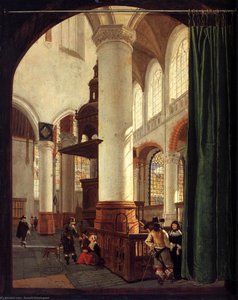
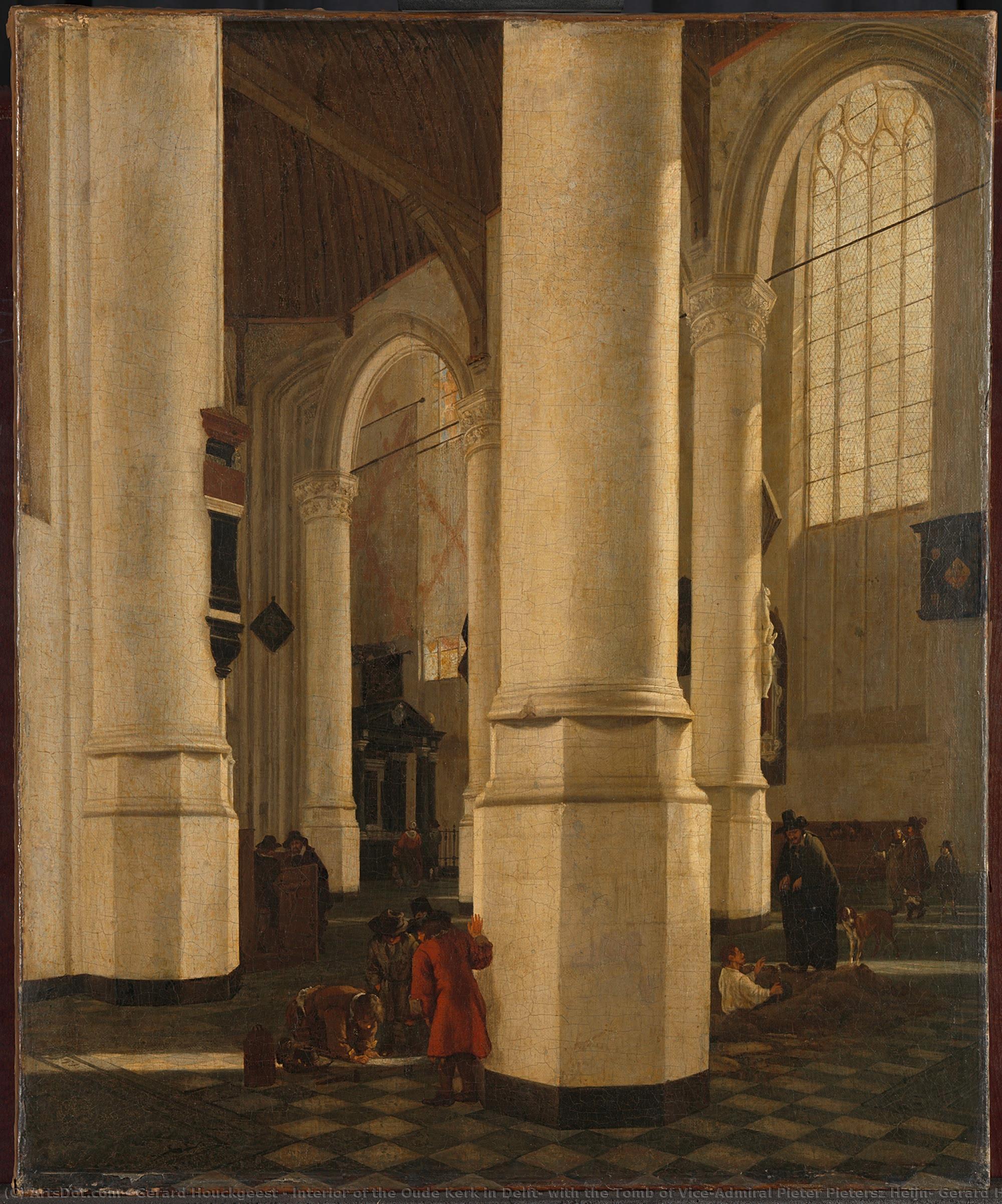
Interior of the Oude Kerk in Delft, with the Tomb of Vice-Admiral Pieter Pietersz Heijn, Gerard Houckgeest (attributed to), c. 1650
 1650
1650 68.0 x 57.0 cm
 Читать далее
Масляная репродукция ручной работы
Картина маслом на холсте в выбранном вами размере и раме, написанная на заказ нашими художниками. ( Перейти к печати Перейти к цифровым изображениям)




































Выберите один из наших стандартных размеров, соответствующих оригинальным пропорциям произведения искусства.

Вы можете указать собственные размеры, чтобы картина идеально вписалась в выбранную раму или пространство. Если выбранный вами размер не соответствует пропорциям оригинала, мы либо обрежем полотно, либо расширим его за счет дополнительных элементов, написанных вручную. Цифровой макет будет отправлен вам на утверждение перед началом производства.
Обратите внимание, что предварительный просмотр на экране не отражает фактическую обрезку или расширение. Только макет точно покажет окончательную композицию.
Хотя доступны индивидуальные размеры, мы рекомендуем выбирать вариант из предопределенного списка, чтобы сохранить исходные пропорции.
После оформления заказа команда ArtsDot.com свяжется с клиентом по электронной почте для уточнения деталей и предоставит предварительный макет
Доставка по всему миру () за 3–4 недели вместо стандартных 5 недель. (13 Сентябрь). Без компромиссов в качестве.

Бесплатная экспресс-доставка по всему миру

Высококачественный льняной холст

Полное страхование доставки

Гарантия возмещения таможенных пошлин

Гарантия точного соответствия цветов

100-дневная политика возврата (только при обнаружении дефектов)

Гарантия возврата 100% средств

Предложение оптовых скидок
 Вариант со стеклом доступен только для размеров менее 110 см

Interior of the Oude Kerk in Delft, with the Tomb of Vice-Admiral Pieter Pietersz Heijn, Gerard Houckgeest (attributed to), c. 1650
Техника репродукции
Размер репродукции
-


Итоговая стоимость
$ 263
Похожие произведения









Биография художника
The Architect of Light and Devotion
In the heart of the Dutch Golden Age, a period defined by unparalleled prosperity and intellectual awakening, Gerard Houckgeest emerged as a master of a most specialized and profound genre. Born in The Hague around 1600, Houckgeest did not merely paint scenes; he constructed worlds of stone, light, and spirit. His journey into the heights of artistic achievement began under the guidance of Bartholomeus van Bassen, a seminal figure whose influence anchored Houckgeest within the prestigious Delft workshop tradition. This lineage provided him with more than just technical skill; it instilled in him a reverence for architectural precision and a unique ability to manipulate light to evoke the divine.
As his career progressed through the mid-1s60s, Houckgeest’s presence moved across the landscape of the Netherlands, leaving his mark in Delft, Steenbergen, and Bergen op Zoom. These locations were not merely geographic milestones but stages for a profound stylistic evolution. While his early works reflected the disciplined foundations of his training, his mature period saw him embracing the dramatic flourishes of the Baroque. Through the masterful use of chiaroscuro, he learned to weave shadows and brilliance together, creating a sense of depth that pulled the viewer into the very heart of the structures he depicted.
A Mastery of Sacred Space
Houckgeest’s true legacy lies in his unparalleled ability to capture the soul of ecclesiastical interiors. To him, a church was not simply a collection of masonry and timber, but a vessel for theological contemplation. He approached the rendering of vaulted ceilings, ornate pulpits, and stained glass windows with an almost scientific accuracy, yet he never allowed technical perfection to overshadow emotional resonance. His paintings serve as windows into the 17th-century Dutch psyche, where the physical grandeur of Renaissance architecture met the quiet, introspective nature of Protestant devotion.
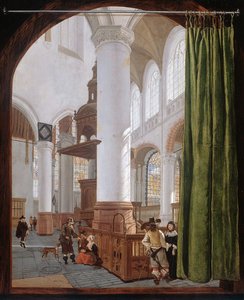
One cannot discuss his achievements without reflecting on his ability to blend reality with symbolism. In works such as his celebrated depictions of the Oude Kerk in Delft, Houckgeest achieved a breathtaking realism that documented the historical and funerary importance of these spaces. By meticulously recreating elements like the Tomb of Vice-Admiral Pieter Pietersz Heijn, he anchored his art in the tangible history of his nation while simultaneously inviting the observer to meditate on themes of mortality and eternal grace. His brushwork transformed cold stone into a medium of warmth and light, making the monumental feel intimate.
Legacy and Historical Significance
Beyond the confines of the church, Houckgeest’s exploration of Renaissance buildings allowed him to engage with the humanist ideals of his era. He possessed a rare talent for portraying the intersection of human ingenuity and divine inspiration. His work stands as a testament to a time when art, architecture, and faith were inextricably linked. Through his meticulous attention to detail and his command over atmospheric perspective, he influenced a generation of painters who sought to capture the majesty of the built environment.
Today, the works of Gerard Houckgeest remain vital components of the global art canon, preserved in prestigious institutions such as the Mauritshuis. His contribution to the Dutch Golden Age is characterized by several enduring hallmarks:
- Architectural Veracity: A commitment to portraying structural elements with a level of detail that serves both historical record and aesthetic beauty.
- The Dramaturgy of Light: The use of light as a narrative tool to guide the eye and evoke spiritual awe.
- Cultural Documentation: Providing an invaluable visual archive of the religious and civic architecture of the 17th-century Netherlands.
In the quiet majesty of his painted interiors, we find more than just historical documentation; we find a profound meditation on the way light interacts with the structures we build to honor our highest ideals.
Gerard Houckgeest
1600 - 1661 , Netherlands
Основные сведения
- Artistic Movement Or Style: Dutch Golden Age
- Artists Or Movements Influenced By This Artist: ['Baroque Painting']
- Artists Who Influenced This Artist: ['Bartholomäus van Bassen']
- Date Of Birth: The Hague, Netherlands (1600)
- Date Of Death: 1661
- Full Name: Gerard Houckgeest
- Nationality: Dutch
- Notable Artworks: ['Interior of the Oude Kerk in Delft']
- Place Of Birth: The Hague