

 Предпросмотр
 Поделиться
 Поделиться
 Детали произведения

 Скачать
 Похожие работы
 Рентгенография
 Слайд-шоу
 Статистика
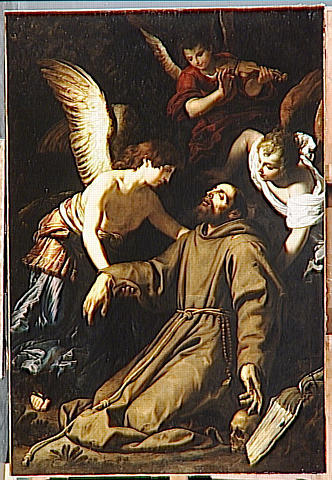
SAINT FRANCOIS D'ASSISE RECONFORTE PAR LES ANGES APRES SA STIGMATISATION


 Читать далее
Масляная репродукция ручной работы
Картина маслом на холсте в выбранном вами размере и раме, написанная на заказ нашими художниками. ( Перейти к печати Перейти к цифровым изображениям)




P118B $10

P118H $10

P118W $10

P438Z $10

P508JH $12

P508YH $12

P805H $10

P805Z $10

P919BZ $10

P919G $10

P919XJ $10

P959ZH $10

P968JZ $12

W106C $8

W218G $10

W218JH $8

W218Y $10

W307PJ $10

W316G $10

W316PJ $8

W316Y $10

W398PJ $8

W4111J $10

W500HY $15

W500JH $15

W692G $12

W849H $8

W940BG $15

W953PJ $8




Выберите один из наших стандартных размеров, соответствующих оригинальным пропорциям произведения искусства.

Вы можете указать собственные размеры, чтобы картина идеально вписалась в выбранную раму или пространство. Если выбранный вами размер не соответствует пропорциям оригинала, мы либо обрежем полотно, либо расширим его за счет дополнительных элементов, написанных вручную. Цифровой макет будет отправлен вам на утверждение перед началом производства.
Обратите внимание, что предварительный просмотр на экране не отражает фактическую обрезку или расширение. Только макет точно покажет окончательную композицию.
Хотя доступны индивидуальные размеры, мы рекомендуем выбирать вариант из предопределенного списка, чтобы сохранить исходные пропорции.
После оформления заказа команда ArtsDot.com свяжется с клиентом по электронной почте для уточнения деталей и предоставит предварительный макет
Доставка по всему миру () за 3–4 недели вместо стандартных 5 недель. (12 Сентябрь). Без компромиссов в качестве.

Бесплатная экспресс-доставка по всему миру

Высококачественный льняной холст

Полное страхование доставки

Гарантия возмещения таможенных пошлин

Гарантия точного соответствия цветов

100-дневная политика возврата (только при обнаружении дефектов)

Гарантия возврата 100% средств

Предложение оптовых скидок
 Вариант со стеклом доступен только для размеров менее 110 см

SAINT FRANCOIS D'ASSISE RECONFORTE PAR LES ANGES APRES SA STIGMATISATION
Техника репродукции
Размер репродукции
-


Итоговая стоимость
$ 313
The Divine Embrace: A Study in Baroque Piety
To stand before this depiction of Saint Francis of Assisi receiving comfort from angels after his stigmatization is to be enveloped by the very drama of spiritual ecstasy. It is an intensely emotional tableau, rendered with the dramatic flair characteristic of the Baroque period. The composition immediately draws the eye into a vortex of light and shadow, where human suffering meets divine grace. One feels the weight of Saint Francis’s kneeling form, bowed under the mystery of his calling, while above him, the celestial figures descend like benevolent visions. This is not merely a portrait of a saint; it is a profound meditation on faith tested by earthly pain.
Mastery of Light and Shadow: The Caravaggesque Drama
The technical brilliance evident in this work speaks directly to the influence of masters like Caravaggio, channeled through the hand of Gerard Seghers. The use of chiaroscuro is breathtakingly effective; deep, velvety shadows cling to the background, allowing the illuminated figures—Saint Francis and his angelic attendants—to emerge with startling, almost tangible reality. This dramatic lighting serves a narrative purpose, spotlighting the sacred moment while deepening the sense of mystery surrounding the event. The contrast between the earthy browns of Saint Francis’s habit and the luminous reds and whites of the angels' robes creates an immediate visual tension that propels the viewer deeper into the scene.
Symbolism Woven into Canvas
Every element within this painting contributes to its rich symbolic tapestry. The presence of the skull near Saint Francis’s feet is a potent memento mori, a stark reminder of mortality against the backdrop of eternal salvation. The angels themselves are conduits of divine solace, their gentle touch suggesting acceptance and reassurance in the face of profound suffering. This interplay—suffering juxtaposed with heavenly comfort—explores universal themes: redemption, endurance, and the unwavering power of spiritual devotion. It speaks to the human condition at its most vulnerable and yet most transcendent.
A Touch of Flemish Baroque Grandeur
Gerard Seghers, a pivotal figure in Flemish art, captured this moment with a dynamic energy that bridges Renaissance formality with Baroque fervor. His style imbues the scene with movement; notice the sweeping diagonals formed by the drapery and the angels’ postures—they suggest an upward surge, a yearning toward the divine source of light. For those seeking to bring the gravitas and emotional depth of Old Master painting into a modern space, this reproduction offers not just decoration, but a focal point for contemplation. It is art that demands you pause, breathe deeply, and consider the sublime.
Похожие произведения



Биография художника
Gerard Seghers: A Caravaggisti Pioneer of Flanders
Gerard Seghers, born in Antwerp in 1591 and tragically passing away in 1651, stands as a pivotal figure bridging the dynamic transition between the High Renaissance and the Baroque periods within Flemish art. More than simply a painter, he was an astute art collector, shrewd dealer, and a key representative of the Caravaggisti movement – artists deeply influenced by the dramatic style pioneered by Michelangelo Merisi da Caravaggio. His journey took him from the relative stability of Antwerp to the vibrant, challenging environment of Rome and Spain, ultimately shaping his distinctive artistic voice and leaving behind a legacy of powerful religious scenes, evocative genre paintings, and monumental altarpieces that continue to captivate viewers today.Early Life and Artistic Training
Seghers’s early life remains shrouded in some mystery, though we know he was the son of an innkeeper, Jan Seghers, and Ida de Neve. Remarkably, there's little evidence suggesting a direct familial connection to Daniel Seghers, the renowned Jesuit painter specializing in still lifes – a distinction that adds another layer of intrigue to his story. At the tender age of twelve, he enrolled as a pupil within the prestigious Guild of Saint Luke in Antwerp, an institution crucial for training aspiring artists. The identity of his initial teacher remains uncertain, with speculation pointing towards figures like Abraham Janssens, Hendrick van Balen, or Caspar de Crayer (the father of Gaspar de Crayer). This early period was foundational, providing him with the technical skills and artistic principles necessary to embark on his ambitious career.Rome and the Caravaggisti Influence
In 1608, at just seventeen years old, Seghers achieved master status within the Antwerp Guild, a remarkable accomplishment for someone so young. However, his true artistic development began with a pivotal journey to Italy around 1611. This period in Rome proved transformative, exposing him directly to the fervent followers of Caravaggio – artists who had themselves been deeply affected by the revolutionary style of the Italian master. Among these disciples was Bartolomeo Manfredi, whose dramatic use of light and shadow profoundly impacted Seghers’s early work. He immersed himself in their techniques, studying their compositions and absorbing their intense emotionalism. He also encountered other prominent Caravaggisti residing in Rome, including Gerard van Honthorst, Dirck van Baburen, and Jan Janssens, broadening his artistic horizons and solidifying his commitment to the Caravagist aesthetic.Return to Flanders and a Shift in Style
Returning to Antwerp around 1620, Seghers initially continued to produce works firmly rooted in the Caravaggisti style – characterized by tenebrism (extreme contrasts between light and dark), dynamic compositions, and a focus on realistic depictions of human emotion. However, as his career progressed, he gradually moved away from this purely Caravagist approach. He began to incorporate elements of Peter Paul Rubens’s distinctive style—a master painter who had profoundly influenced the artistic landscape of Antwerp—resulting in a more refined and polished aesthetic. This shift is particularly evident in his later altarpieces for local churches, where he created monumental works imbued with grandeur and emotional depth while retaining a sense of dramatic realism.Major Works and Legacy
Seghers’s artistic output spanned a diverse range of subjects. His paintings are renowned for their powerful depictions of religious scenes, such as “Christ and the Penitent Sinners” (c. 1640-1651), which vividly portrays the suffering of Christ alongside his followers, showcasing his mastery of dramatic lighting and emotional intensity. “The Denial of St. Peter” exemplifies his ability to capture intense human drama through carefully rendered figures and a masterful use of chiaroscuro. “Saint Eloi au pied de la Vierge” demonstrates his skill in portraying religious iconography with both spiritual depth and artistic beauty. Beyond these iconic works, Seghers produced numerous genre scenes—depictions of everyday life—and contributed significantly to the decoration of important civic events, including the lavish celebrations surrounding Cardinal-Infante Ferdinand’s entry into Ghent in 1635. His legacy extends beyond his individual paintings; he was a respected art dealer and collector, contributing to the vibrant artistic culture of Antwerp during a period of significant change. Gerard Seghers remains a compelling figure—a testament to the dynamic interplay between artistic influences, personal evolution, and the enduring power of Baroque painting.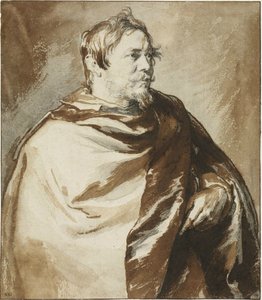
Gerard Seghers
1591 - 1651 , Belgium
Основные сведения
- Artistic Movement Or Style: Caravaggisti, Baroque
- Artists Or Movements Influenced By This Artist:
- Rubens
- Dutch Caravaggisti
- Artists Who Influenced This Artist:
- Bartolomeo Manfredi
- Caravaggio
- Date Of Birth: 1591 Antwerp, Belgium
- Date Of Death: 1651 Antwerp, Belgium
- Full Name: Gerard Seghers
- Nationality: Flemish
- Notable Artworks:
- Christ and Penitent Sinners
- The Denial of St. Peter
- Saint Eloi au pied de la Vierge
- Place Of Birth: Antwerp, Belgium
Похожие статьи
Celestial Messengers: A Comprehensive Exploration of Angelic Representation in Art History
Explore the captivating history of angels in art! Discover symbolism, iconic Renaissance masterpieces & renowned artists. Expert insights for art lovers & collectors at ArtsDot.
Discover the Divine: Inspiring Saint Anthony Artworks to Elevate Your Home Decor
Transform your home with the profound beauty of Saint Anthony artworks. Explore exquisite Baroque reproductions by Murillo and Zurbarán, hand-painted on 100% cotton canvas to bring divine serenity and timeless elegance to your interior design.
Фрэнсис Бэкон: 25 шедевров художника. Купить картины онлайн | ArtsDot
Погрузитесь в мир Фрэнсиса Бэкона! 25 шедевров экспрессионизма, полных эмоций и висцеральной силы. Купите репродукции картин Бэкона на холсте и украсьте свой интерьер искусством мирового уровня. Explore the full collection online | ArtsDot.
Celestial Messengers: Angels in Painting – A Historical & Artistic Exploration
Explore the captivating history of angels in painting! Discover symbolism, iconic Renaissance & Byzantine masterpieces, and renowned artists. Expert insights for art lovers & collectors at ArtsDot.

10 Шедевров Барокко: Искусство, изменившее мир | ArtsDot.com
Погрузитесь в мир барокко! 10 шедевров Караваджо, Рембрандта и других великих художников. Узнайте историю создания культовых картин и найдите идеальную репродукцию для вашего интерьера на ArtsDot.com