 Предпросмотр
 Поделиться
 Поделиться
 Детали произведения

 Скачать
 Похожие работы
 Рентгенография
 Слайд-шоу
 Статистика
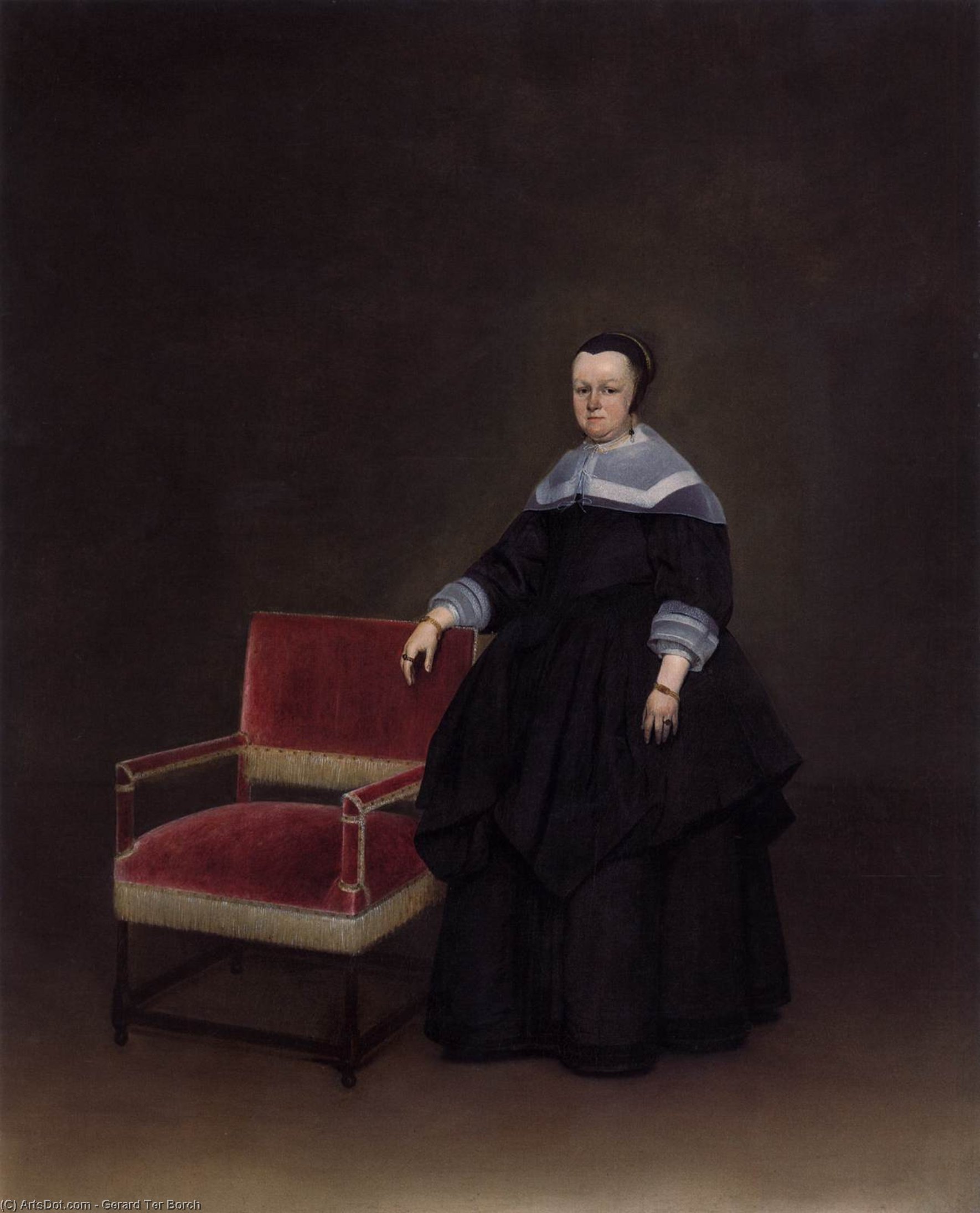
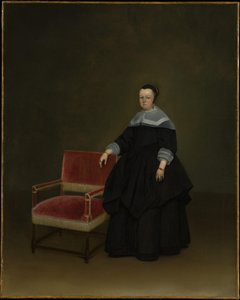
Margaretha van Haexbergen, Wife of Jan van Duren
 Oil On Canvas
- WallArt
- Dutch Golden Age
 1666
1666- Early Modern
 81.0 x 65.0 cm
 Музей Метрополитен
 Читать далее
Масляная репродукция ручной работы
Картина маслом на холсте в выбранном вами размере и раме, написанная на заказ нашими художниками. ( Перейти к печати Перейти к цифровым изображениям)




P118B $10

P118H $10

P118W $10

P438Z $10

P508JH $12

P508YH $12

P805H $10

P805Z $10

P919BZ $10

P919G $10

P919XJ $10

P959ZH $10

P968JZ $12

W106C $8

W218G $10

W218JH $8

W218Y $10

W307PJ $10

W316G $10

W316PJ $8

W316Y $10

W398PJ $8

W4111J $10

W500HY $15

W500JH $15

W692G $12

W849H $8

W940BG $15

W953PJ $8




Выберите один из наших стандартных размеров, соответствующих оригинальным пропорциям произведения искусства.

Вы можете указать собственные размеры, чтобы картина идеально вписалась в выбранную раму или пространство. Если выбранный вами размер не соответствует пропорциям оригинала, мы либо обрежем полотно, либо расширим его за счет дополнительных элементов, написанных вручную. Цифровой макет будет отправлен вам на утверждение перед началом производства.
Обратите внимание, что предварительный просмотр на экране не отражает фактическую обрезку или расширение. Только макет точно покажет окончательную композицию.
Хотя доступны индивидуальные размеры, мы рекомендуем выбирать вариант из предопределенного списка, чтобы сохранить исходные пропорции.
После оформления заказа команда ArtsDot.com свяжется с клиентом по электронной почте для уточнения деталей и предоставит предварительный макет
Доставка по всему миру () за 3–4 недели вместо стандартных 5 недель. (10 Сентябрь). Без компромиссов в качестве.

Бесплатная экспресс-доставка по всему миру

Высококачественный льняной холст

Полное страхование доставки

Гарантия возмещения таможенных пошлин

Гарантия точного соответствия цветов

100-дневная политика возврата (только при обнаружении дефектов)

Гарантия возврата 100% средств

Предложение оптовых скидок
 Вариант со стеклом доступен только для размеров менее 110 см

Margaretha van Haexbergen, Wife of Jan van Duren
Техника репродукции
Размер репродукции
-


Итоговая стоимость
$ 263
A Glimpse of Dutch Refinement: Gerard ter Borch’s “Margaretha van Haexbergen, Wife of Jan van Duren”
Gerard ter Borch's "Margaretha van Haexbergen, Wife of Jan van Duren," painted in 1666, is more than just a portrait; it’s a meticulously crafted tableau of domestic elegance and subtle psychological depth – a hallmark of the artist’s distinctive style. This intimate scene, rendered in oil on canvas at an impressive 81 x 65 cm, offers a rare window into the lives of the Dutch gentry during the Golden Age, revealing a world of quiet sophistication and carefully constructed appearances. The painting resides within the Robert Lehman Collection at the Metropolitan Museum of Art, a testament to its enduring artistic merit.
The Artist and His World
Gerard ter Borch (1617-1681) stands as a pivotal figure in Dutch art history, often considered a pioneer of Dutch genre painting. Born in Zwolle, he spent his formative years traveling extensively across Europe – London, Germany, France, Spain, and Italy – absorbing diverse artistic influences that ultimately shaped his unique approach. His sister, Gesina ter Borch, was also a painter, further enriching the family’s artistic legacy. Ter Borch's work is characterized by an extraordinary ability to capture fleeting moments of human interaction, often depicting scenes of everyday life with remarkable realism and psychological acuity. He wasn’t interested in grand historical narratives or dramatic events; instead, he focused on the nuances of character and emotion within seemingly ordinary settings.
A Portrait of Quiet Dignity
Margaretha van Haexbergen herself is presented with a remarkable restraint. Dressed in black clothing accented by a striking blue collar – a detail suggesting her status and wealth – she sits poised on a richly upholstered red chair, its cushions hinting at comfort and luxury. The inclusion of a ring on her finger subtly suggests marital commitment and social standing. Ter Borch’s masterful use of light is particularly noteworthy; it illuminates her face, highlighting the delicate lines around her eyes and mouth, conveying both serenity and a hint of melancholy. The background, featuring a simple wall and bench, serves not as a distraction but rather to anchor the figure within a believable domestic space.
Technique and Symbolism
Ter Borch’s technique is renowned for its meticulous detail and subtle tonal variations. He employed a ‘sfumato’ approach – a blurring of edges and softening of forms – to create an atmosphere of hazy intimacy, drawing the viewer into the scene. The textures of the fabrics, the sheen of the jewelry, and even the wood grain of the chair are rendered with astonishing precision. Beyond mere representation, the painting subtly communicates social hierarchies and expectations of the time. The red chair, a symbol of wealth and status, contrasts with the muted tones of the background, emphasizing Margaretha’s position within her household. The overall composition speaks to a world where appearances mattered greatly, and quiet dignity was valued above all else.
A Window into 17th-Century Dutch Life
"Margaretha van Haexbergen, Wife of Jan van Duren" offers a poignant glimpse into the lives of the prosperous merchant class in 17th-century Holland. It’s a testament to Ter Borch's ability to capture not just likeness but also character and atmosphere. Today, reproductions like those offered by ArtsDot.com allow us to appreciate this remarkable work of art and connect with a bygone era of refined elegance and subtle psychological observation. Consider commissioning a hand-painted reproduction – a truly unique addition to any collection or interior space.
Похожие произведения

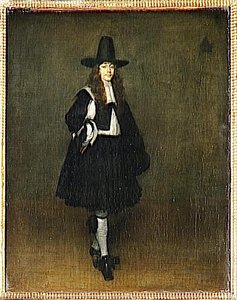
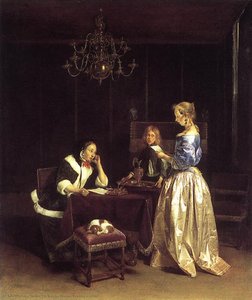
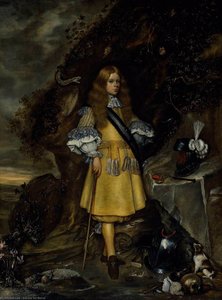
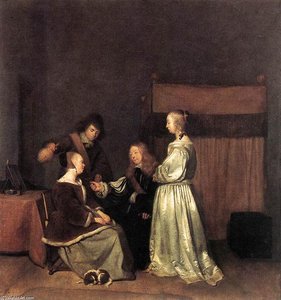
Биография художника
Gerard ter Borch - A Pioneer of Dutch Genre Painting
Gerard ter Borch (Dutch: Gerard Terburg; December 1617 – 8 December 1681) was an influential and pioneering Dutch genre painter who lived in the Dutch Golden Age. He influenced fellow Dutch painters Gabriel Metsu, Gerrit Dou, Eglon van der Neer and Johannes Vermeer.According to Arthur K. Wheelock Jr., Ter Borch “established a new framework for subject matter, taking people into the sanctum of the home”, showing the figures’ uncertainties and expertly hinting at their inner lives. His influence as a painter, however, was later surpassed by Vermeer.
Biography
Gerard ter Borch was born in December 1617 in Zwolle in the province of Overijssel in the Dutch Republic. He received an excellent education from his father Gerard ter Borch the Elder, also an artist, and developed his talent very early. The inscription on a study of a head proves that Ter Borch was at Amsterdam in 1632, where he studied possibly under Willem Cornelisz Duyster or Pieter Codde. Duyster's influence can be traced in a picture bearing the date 1638, in the lonides Bequest (Victoria and Albert Museum), London. In 1634 he studied under Pieter de Molijn in Haarlem. A record of this Haarlem period is the Consultation (1635) at the Berlin Gallery. In 1635 he was in London, and subsequently he travelled in Germany, France, Spain and Italy. His sister Gesina also became a painter. It is certain that he was in Rome in 1641, when he painted the small portraits on copper of Jan Six ,A Young Lady (Six Collection, Amsterdam) and the portrait of a Gentleman (DMK Collection Nuermberg).At this time Ter Borch was invited to visit Madrid, where he received employment and the honour of knighthood from Philip IV, but, in consequence of an intrigue, it is said, he was obliged to return to the Netherlands. He seems to have resided for a time in Haarlem; but he finally settled in Deventer, where he became a member of the town council, as which he appears in the portrait now in the gallery of the Hague.
Notable Works and Achievements
- The Letter: A masterpiece showcasing ter Borch's skill in capturing texture and light.
- The Gallant Conversation: Engraved by johann georg wille, this piece exemplifies the artist’s ability to convey nuanced emotions.
- Man on horseback (1634): An early work demonstrating ter Borch's emerging talent.
- Adrian Pauw's arrival in münster (1646): A significant piece that highlights the artist’s narrative capabilities.
Museums and Collections Featuring Ter Borch’s Work
- The Hermitage: With six of his works, it boasts one of the largest collections.
- Berlin Museum: Features six pieces, showcasing ter Borch's international appeal.
- Getty Center: Three of his paintings are part of this esteemed collection.
Legacy and Impact
Ter Borch’s influence on Dutch painters like Gabriel Metsu, Gerrit Dou, Eglon van der Neer, and Johannes Vermeer is well-documented. His innovative approach to genre painting has made him a pivotal figure in the history of art.
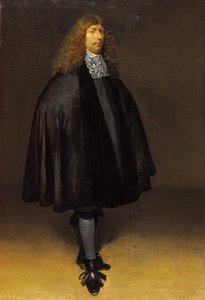
Геррит тер Борх
1617 - 1681 , Нидерланды
Основные сведения
- Artistic Movement Or Style: Голландская золотая эпоха
- Artists Or Movements Influenced By This Artist: ['Ян Вермер']
- Artists Who Influenced This Artist:
- Вилем Корнелис Дуйстер
- Пьер Кодде
- Date Of Birth: Декабрь 1617 г.
- Date Of Death: 8 декабря 1681 г.
- Full Name: Gerard ter Borch
- Nationality: Нидерландцы
- Notable Artworks:
- Письмо
- Галантный разговор
- Place Of Birth: Зволь, Нидерланды
Похожие статьи
Genre Painting: A Window into Daily Life & Societal Values of the Dutch Golden Age
Explore the captivating world of Dutch Golden Age genre painting! Discover realistic depictions of daily life, masterful artists like Ostade & Metsu, and hidden symbolism. Learn about this influential art movement with ArtsDot.
Gerard ter Borch: Intimacy & Light in the Dutch Golden Age
Explore the captivating world of Gerard ter Borch, a master of Dutch Golden Age genre painting. Discover his intimate scenes, masterful light, and lasting influence on art history. Learn more at ArtsDot.

Golden Age Reflections: Dutch Baroque Painting & Cultural Innovation
Explore the Dutch Golden Age of painting! Discover key artists like Vermeer & ter Borch, their innovative techniques, and the rich cultural context behind these Baroque masterpieces. Learn about collecting & appreciating this iconic art period.

Золотой век Голландии: 10 шедевров, изменивших искусство | ArtsDot.com
Погрузитесь в эпоху Золотого века Нидерландов! 10 шедевров Рембрандта, Вермеера и других мастеров. Узнайте истории создания культовых картин и вдохновитесь для интерьера. Репродукции музейного качества на ArtsDot.com.

Illuminating Innovation: Exploring the Dutch Golden Age of Painting
Explore the Dutch Golden Age of painting with ArtsDot. Discover Rembrandt, Vermeer & other Masters. Learn about key characteristics, iconic artworks, and lasting influence. Expert insights for collectors & enthusiasts.