

 Предпросмотр
 Поделиться
 Поделиться
 Детали произведения

 Скачать
 Похожие работы
 Рентгенография
 Слайд-шоу
 Статистика
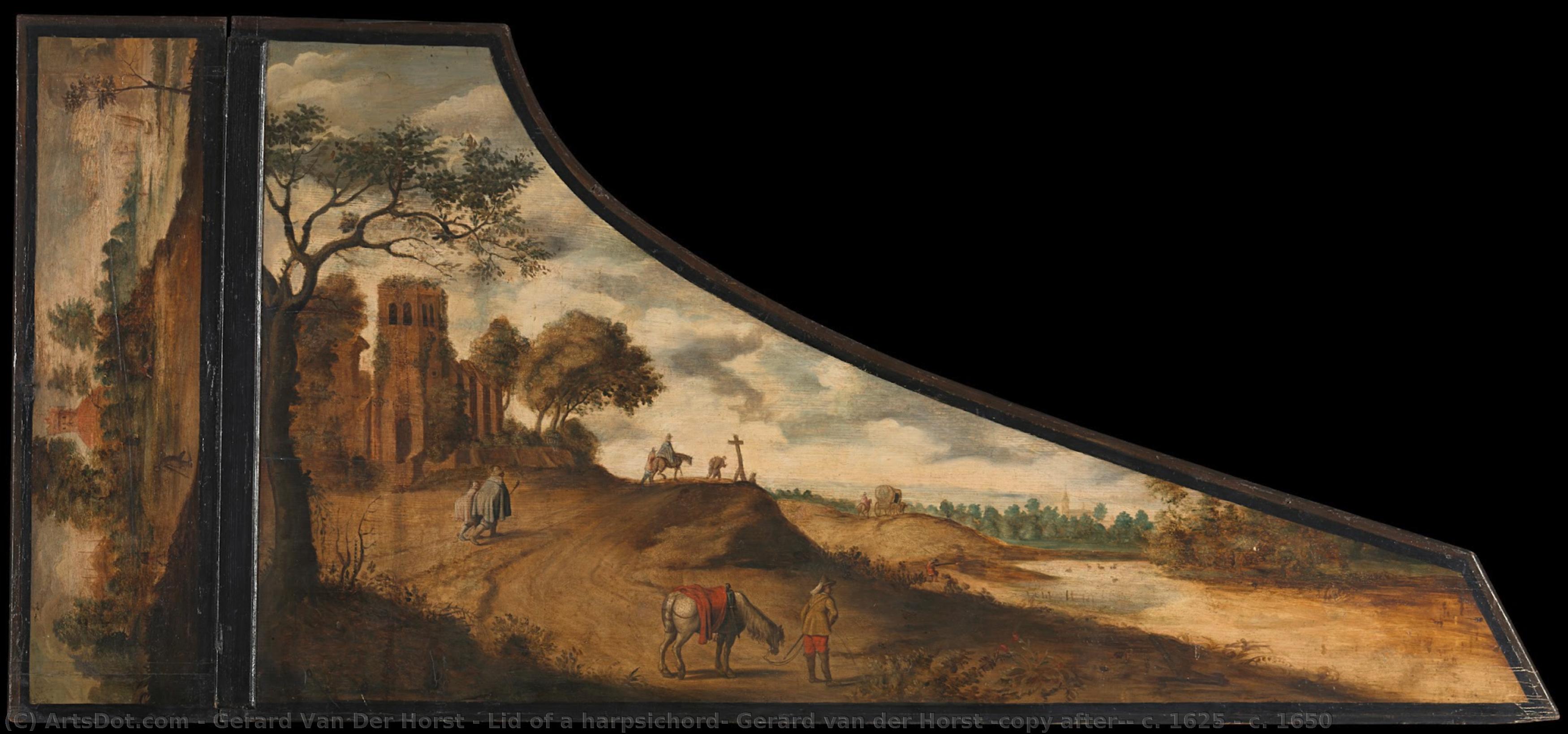
Lid of a harpsichord, Gerard van der Horst (copy after), c. 1625 - c. 1650
 1650
1650 85.0 x 162.0 cm
 Читать далее
Приобретите цифровое изображение высокого разрешения в улучшенном качестве, которое значительно превосходит онлайн-превью.
Каждый файл тщательно подготавливается нашими специалистами с использованием передовых инструментов и экспертной ручной ретуши. Мы гарантируем исключительную четкость, точную цветопередачу и детальную проработку каждого изображения.
Финальный файл доставляется по электронной почте в течение 72 часов и оптимизирован для немедленного использования в профессиональной среде, при верстке и печати. Это тот же уровень качества, которому доверяют ведущие дизайнерские студии, издательства и галереи.
Цифровое изображение
Скачайте файл высокого разрешения для личного использования, печати и творческих проектов. ( Перейти к печати Купить картину ручной работы)
Включено в каждый заказ цифровых изображений
Гарантия экспертной цифровой доставки
Выбирая ArtsDot.com, вы получаете не просто изображение — вы приобретаете профессионально обработанное цифровое произведение искусства, созданное с безупречной точностью и под защитой гарантии качества. Вот всё, что автоматически входит в ваш заказ:

Мгновенная доставка по e-mail
Ваш цифровой файл в высоком разрешении будет отправлен вам по электронной почте в течение 72 часов после оформления заказа — и сразу станет доступен для использования.

Цифровой файл с ИИ-улучшением
Ваше произведение искусства проходит профессиональную оптимизацию с использованием передовых инструментов ИИ и ручной обработки, что гарантирует максимальную детализацию, четкость и точность цветопередачи.

Бессрочная бесплатная повторная доставка
Случайно удалили или потеряли файл? Не беспокойтесь — мы отправим его вам повторно в любое время и совершенно бесплатно.

Без импортных пошлин — навсегда
Наслаждайтесь вашим произведением искусства мгновенно без таможенных пошлин, сборов или затрат на доставку — цифровые загрузки всегда не облагаются налогом.

Гарантия точности цветопередачи
Мы гарантируем, что ваше цифровое изображение максимально точно передает оригинальные цвета благодаря использованию профессиональных инструментов и систем управления цветом.

Гарантия удовлетворенности 100 дней
Если вы не будете удовлетворены своим цифровым изображением, мы внесем правки или вернем 100% стоимости в течение 100 дней — без лишних вопросов.

100% Гарантия возврата средств
Не удовлетворены покупкой? Получите полный возврат средств в течение 100 дней после получения цифрового файла — без лишних вопросов.

Скидки на оптовые заказы
Купите 3 изображения, сэкономьте 10% — Купите 5, сэкономьте 15% — Купите 10+, сэкономьте 20%. Отличное решение для творческих проектов, галерей и агентств.
Похожие произведения








Биография художника
Introduction: A Voice from the South
Kerry James Marshall (born October 17, 1955) is a towering figure in contemporary American art, an artist whose work has profoundly reshaped our understanding of representation and identity. Born in Birmingham, Alabama, during the height of the Civil Rights Movement, Marshall’s life and artistic vision are inextricably linked to the experiences of Black Americans, particularly those rooted in the traditions and landscapes of the Southern United States. His paintings, drawings, and sculptures aren't merely depictions; they are powerful statements—a deliberate counter-narrative challenging historical invisibility and asserting a vital presence within the canon of Western art. Marshall’s career has spanned decades, marked by consistent innovation and an unwavering commitment to exploring themes of race, history, and social justice, solidifying his place as one of the most important artists of our time.Early Life and Influences – Roots in Birmingham and Los Angeles
Marshall's childhood was shaped by significant events and formative relationships. Growing up in Birmingham during a period of intense racial tension instilled within him a deep awareness of social inequality and injustice. His father, a postal worker, and his mother, a homemaker, fostered an appreciation for the arts, exposing him to music, poetry, and museum visits from a young age. A pivotal moment occurred when he moved with his family to Los Angeles in 1963, coinciding with the Watts riots – an event that profoundly impacted his worldview and fueled his desire to depict Black life authentically. Crucially, Marshall’s early artistic development was nurtured by Charles White, a prominent social realist painter who recognized Marshall's talent and mentored him during high school. White’s influence is evident in Marshall’s meticulous attention to detail, his ability to capture the nuances of human expression, and his commitment to portraying Black figures with dignity and complexity. The Gullah dialect, spoken by his grandmother, also became a significant element in his work, informing his visual language and connecting him to a rich cultural heritage.The Development of Style – From Abstract Expressionism to Narrative Realism
Marshall’s artistic journey began within the context of Abstract Expressionism, a movement that dominated the art world in the 1950s and 60s. Initially influenced by artists like Mark Rothko and Barnett Newman, Marshall experimented with color fields and gestural abstraction. However, he soon recognized the limitations of this approach for his specific artistic goals – to represent Black subjects with accuracy and immediacy. He deliberately moved away from purely abstract forms, adopting a style that he termed “narrative realism.” This involved meticulously recreating scenes from everyday life—fishing trips, family gatherings, church services—depicting Black men and women in their natural environments, often against the backdrop of the American South. His paintings are characterized by a remarkable level of detail, achieved through painstaking observation and a deep understanding of composition and perspective. Marshall’s technique is rooted in traditional academic painting methods, but he subverts these conventions to create images that are both visually striking and emotionally resonant.Key Themes and Recurring Motifs – History, Identity, and the Black Experience
Marshall's work consistently grapples with complex themes related to race, history, and identity. He confronts the historical erasure of Black figures from art history by creating a “counter-archive”—a collection of images that redress this imbalance. His paintings often depict scenes from the lives of ordinary Black people, challenging stereotypical representations and offering nuanced portraits of their experiences. Recurring motifs include fishing—a symbol of resilience and self-sufficiency—family gatherings—representing community and kinship—and landscapes—reflecting the connection between Black people and the land. Marshall’s work is not simply about depicting these subjects; it's about giving them agency, visibility, and a voice within the dominant narrative. He frequently references historical paintings, subtly altering their compositions and subject matter to highlight the absence of Black figures in traditional representations of Western culture.Legacy and Recognition – A Lasting Impact on Contemporary Art
Kerry James Marshall’s impact on contemporary art is undeniable. His work has been exhibited extensively around the world, including retrospectives at major museums such as the Museum of Contemporary Art Chicago, The Metropolitan Museum of Art, and the Royal Academy of Arts in London. He has received numerous awards and honors, including a MacArthur Fellowship (often referred to as a “genius grant”), recognizing his exceptional artistic achievements. In 2017, he was included on *Time* magazine’s list of the 100 most influential people in the world. Beyond his individual accomplishments, Marshall's work has inspired countless artists and scholars, contributing significantly to ongoing conversations about representation, identity, and social justice. His legacy extends beyond the art world, serving as a powerful reminder of the importance of acknowledging and celebrating diverse voices and experiences. He continues to be an influential figure, shaping the dialogue surrounding race, history, and art for generations to come.
gerard van der horst
1955 - , Netherlands
Основные сведения
- Artistic Movement Or Style: Abstract Expressionism
- Artists Or Movements Influenced By This Artist: ['Social Realism']
- Artists Who Influenced This Artist: ['Charles White']
- Date Of Birth: October 17, 1955
- Full Name: Kerry James Marshall
- Nationality: American
- Notable Artworks:
- A Bass Player
- The Small House of the Big Man
- Pastimes
- Untitled (Black Figure)
- Place Of Birth: Birmingham, Alabama