

 Предпросмотр
 Поделиться
 Поделиться
 Детали произведения

 Скачать
 Похожие работы
 Рентгенография
 Слайд-шоу
 Статистика
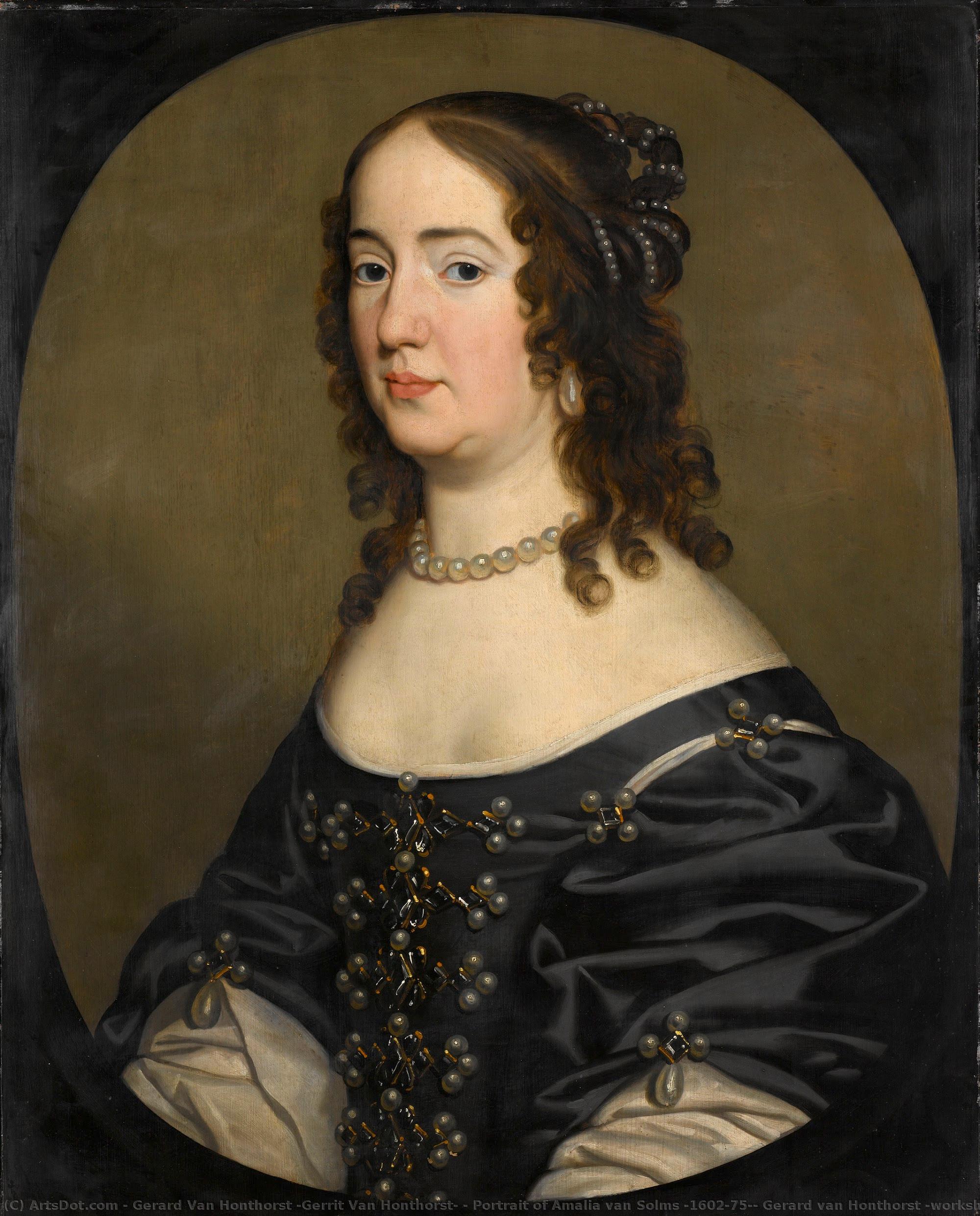
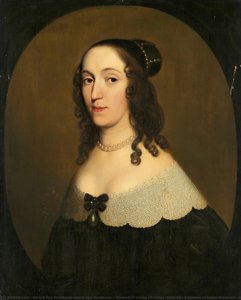
Portrait of Amalia van Solms (1602-75), Gerard van Honthorst (workshop of), in or after c. 1651
 Baroque Painting
 1651
1651- Renaissance
 74.0 x 60.0 cm
 Читать далее
Приобретите цифровое изображение высокого разрешения в улучшенном качестве, которое значительно превосходит онлайн-превью.
Каждый файл тщательно подготавливается нашими специалистами с использованием передовых инструментов и экспертной ручной ретуши. Мы гарантируем исключительную четкость, точную цветопередачу и детальную проработку каждого изображения.
Финальный файл доставляется по электронной почте в течение 72 часов и оптимизирован для немедленного использования в профессиональной среде, при верстке и печати. Это тот же уровень качества, которому доверяют ведущие дизайнерские студии, издательства и галереи.
Цифровое изображение
Скачайте файл высокого разрешения для личного использования, печати и творческих проектов. ( Перейти к печати Купить картину ручной работы)
Включено в каждый заказ цифровых изображений
Гарантия экспертной цифровой доставки
Выбирая ArtsDot.com, вы получаете не просто изображение — вы приобретаете профессионально обработанное цифровое произведение искусства, созданное с безупречной точностью и под защитой гарантии качества. Вот всё, что автоматически входит в ваш заказ:

Мгновенная доставка по e-mail
Ваш цифровой файл в высоком разрешении будет отправлен вам по электронной почте в течение 72 часов после оформления заказа — и сразу станет доступен для использования.

Цифровой файл с ИИ-улучшением
Ваше произведение искусства проходит профессиональную оптимизацию с использованием передовых инструментов ИИ и ручной обработки, что гарантирует максимальную детализацию, четкость и точность цветопередачи.

Бессрочная бесплатная повторная доставка
Случайно удалили или потеряли файл? Не беспокойтесь — мы отправим его вам повторно в любое время и совершенно бесплатно.

Без импортных пошлин — навсегда
Наслаждайтесь вашим произведением искусства мгновенно без таможенных пошлин, сборов или затрат на доставку — цифровые загрузки всегда не облагаются налогом.

Гарантия точности цветопередачи
Мы гарантируем, что ваше цифровое изображение максимально точно передает оригинальные цвета благодаря использованию профессиональных инструментов и систем управления цветом.

Гарантия удовлетворенности 100 дней
Если вы не будете удовлетворены своим цифровым изображением, мы внесем правки или вернем 100% стоимости в течение 100 дней — без лишних вопросов.

100% Гарантия возврата средств
Не удовлетворены покупкой? Получите полный возврат средств в течение 100 дней после получения цифрового файла — без лишних вопросов.

Скидки на оптовые заказы
Купите 3 изображения, сэкономьте 10% — Купите 5, сэкономьте 15% — Купите 10+, сэкономьте 20%. Отличное решение для творческих проектов, галерей и агентств.
A Portrait of Status and Sentiment – The Amalia van Solms
Gerard van Honthorst’s “Portrait of Amalia van Solms” is more than a simple likeness; it's a meticulously crafted window into the opulent world of 17th-century Holland. Executed around 1651, this painting captures the essence of a noblewoman – Amalia herself – within a framework of wealth, status, and carefully considered symbolism. The oval format, a popular choice for portraits during this era, immediately elevates the subject, drawing the viewer’s eye to her dignified presence. Honthorst's masterful use of light and shadow, characteristic of his “Gherardo delle Notti” style, creates a dramatic effect, highlighting Amalia’s features while subtly enveloping the scene in an atmosphere of restrained power.
The Language of Light and Drapery
Honthorst’s technique is immediately striking. He employs a dramatic tenebrism, a hallmark of his style influenced by Caravaggio, to sculpt Amalia's form. The strong contrasts between light and dark not only emphasize her face but also create a sense of depth within the composition. Notice how the light catches the folds of her elaborate dress – a testament to the wealth and influence of her family, the van Solms. The drapery itself is rendered with remarkable skill, suggesting both weight and movement, adding another layer of visual interest. The slightly simplified coiled braid, while noted as an anomaly in comparison to Honthorst’s larger portrait of Frederik Hendrik, contributes to a sense of intimacy and immediacy – it's a detail that invites closer inspection.
Symbolism Woven into the Fabric
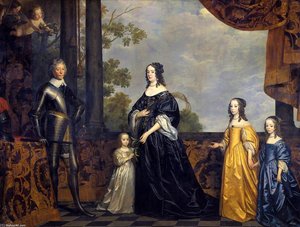
Beyond mere representation, the painting is laden with symbolic meaning. Amalia’s attire—the rich fabrics, the jeweled ornaments—clearly denote her high social standing. The costume itself mirrors the portrait of Frederik Hendrik and family, a deliberate connection reinforcing her position within the Dutch aristocracy. The overall composition speaks to the values of the time: dignity, wealth, and lineage. It's a visual declaration of Amalia’s importance within the complex political and social landscape of the Dutch Republic.
A Legacy Preserved – Reproduction Possibilities
Dating back to 1651, this portrait offers a tangible link to a pivotal era in European art history. Reproductions of this artwork capture not only its visual beauty but also its historical significance. Whether you’re an admirer of the Dutch Golden Age or seeking a striking piece for your own interior design, a high-quality reproduction allows you to bring this captivating portrait into your space. Consider the dimensions – 74 x 60 cm – and imagine how it would complement your collection. The meticulous detail and masterful technique of Honthorst’s original work are faithfully recreated, ensuring that this timeless image continues to inspire and delight for generations to come.
Похожие произведения

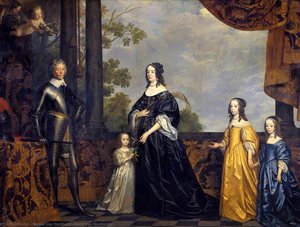
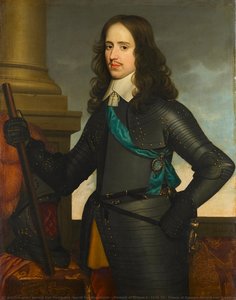
Биография художника
A Master of Light and Shadow: The Life and Art of Gerard van Honthorst
Gerard van Honthorst, a name synonymous with dramatic intensity and masterful light manipulation, emerged from Utrecht in 1592 as a pivotal figure poised to enrich the Dutch Golden Age. Initially guided by his father, a skilled decorative painter, young Gerard’s innate talent blossomed under the tutelage of Abraham Bloemaert, establishing a solid foundation in draftsmanship and composition – a crucial stepping stone towards his future brilliance. However, it was a transformative journey to Rome that irrevocably altered the course of his artistic development, forever shaping his signature style and earning him the evocative nickname “Gherardo delle Notti,” or Gerard of the Nights. The encounter with Caravaggio’s revolutionary approach to light and shadow – the bold use of tenebrism – became the cornerstone of Honthorst's oeuvre, imbuing his canvases with a palpable sense of drama, psychological depth, and an undeniable theatricality. He didn’t merely imitate Caravaggio; he skillfully translated the Italian master’s innovations into a distinctly Dutch sensibility, focusing on intimate scenes bathed in the warm glow of candlelight, lamps, and flickering hearth fires – creating an atmosphere simultaneously realistic and profoundly captivating. This mastery over light wasn't simply technical prowess; it was a deliberate means of revealing character, of drawing the viewer directly into the emotional core of each depicted scene, inviting them to witness secrets and unspoken narratives.Roman Acclaim and the Foundations of His Style
Honthorst’s time in Rome between 1616 and approximately 1620 was a period of remarkable success and significant patronage. He quickly established himself within the city's vibrant artistic circles, gaining favor amongst its elite, including Vincenzo Giustiniani, for whom he created the monumental “Christ Before the High Priest,” now residing in London’s National Gallery. This painting stands as a prime example of Honthorst’s technical mastery and his ability to convey profound psychological complexity within his figures – a testament to his deep understanding of human emotion. Beyond simply replicating Caravaggio's techniques, Honthorst subtly adapted them to suit the Dutch aesthetic, prioritizing clarity and a more restrained emotional palette compared to the Italian master’s often overwhelming intensity. He also benefited from exposure to other influential artists of the era, including Bartolomeo Manfredi and the Carracci family, absorbing their diverse approaches to composition, color theory, and subject matter. The Palazzo Giustiniani, where he resided, served as a hub for artistic exchange, fostering an environment conducive to experimentation and innovation. This Roman period wasn’t just about technical refinement; it was a crucible in which Honthorst forged his unique artistic identity – a synthesis of Italian drama and Dutch realism.Return to the Netherlands and Royal Commissions
Upon returning to Utrecht around 1620, Honthorst swiftly established himself as a leading portrait painter within the burgeoning Dutch Republic. His ability to capture not just physical likeness but also the character, social standing, and inner life of his subjects made him exceptionally sought after by wealthy merchants, noble families, and even members of the royal court. He became president of the St. Luke’s Guild in Utrecht in 1623 – a prestigious appointment that underscored his growing influence within the artistic community. This period witnessed a prolific output of commissions, allowing Honthorst to further refine his style and develop a distinctive visual language characterized by dramatic lighting, dynamic compositions, and an acute awareness of human psychology. He produced numerous portraits of prominent figures, including members of the Stadtholder’s family and wealthy merchants, each imbued with a sense of realism and psychological depth. His work during this time demonstrates a remarkable versatility, ranging from formal court portraits to more intimate genre scenes depicting everyday life.The Utrecht Caravaggisti and Artistic Collaboration
Honthorst was a key figure in the *Utrecht Caravaggisti* movement – a group of Dutch painters who were deeply influenced by the dramatic realism and tenebrism pioneered by Caravaggio. Alongside artists like Hendrick ter Brugghen and Dirck van Baburen, Honthorst helped to establish a distinctly Dutch interpretation of Italian Baroque style, adapting its intensity and emotional power to suit the sensibilities of the Dutch Republic. This movement represented a significant shift in Dutch painting, moving away from the more restrained Mannerist styles prevalent in earlier decades. The *Utrecht Caravaggisti* were not simply imitators; they developed their own unique approaches to light, color, and composition, creating works that were both deeply rooted in Italian tradition and distinctly Dutch in character. Furthermore, Honthorst’s willingness to collaborate with other artists – notably Peter Paul Rubens during a visit to Utrecht – speaks volumes about his open-mindedness and artistic generosity. These collaborations weren't merely pragmatic arrangements; they represented intellectual exchanges that enriched the artistic landscape and broadened the horizons of both artists involved.Legacy and Enduring Influence
Gerard van Honthorst’s influence resonated far beyond his lifetime. He remains a pivotal figure in Dutch art history, celebrated for his dramatic use of light and shadow, his insightful portraits, and his ability to capture the complexities of human emotion. His paintings continue to captivate audiences today, offering a glimpse into the vibrant artistic world of the Dutch Golden Age. The *Diana and Apollo* painting, now housed at Hampton Court Palace, stands as a testament to his skill and artistry, while his numerous drawings provide valuable insights into his creative process. Honthorst’s legacy extends beyond individual works; he helped to shape the development of Dutch Baroque painting, inspiring generations of artists who followed in his footsteps. His ability to seamlessly blend Italian influences with Dutch sensibilities ensured his lasting impact on the artistic landscape, reminding us that true artistry lies not just in technical skill but also in the capacity to evoke emotion and illuminate the human condition.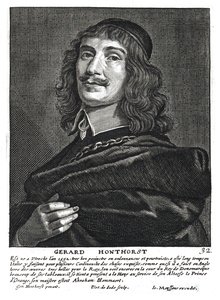
Герхард ван Хонторст
1590 - 1656 , Нидерланды
Основные сведения
- Artistic Movement Or Style: Барокко, Караваджизм
- Artists Or Movements Influenced By This Artist: ['Утрехтский Караваджизм']
- Artists Who Influenced This Artist: ['Микеланджело да Караваджо']
- Date Of Birth: 1592 г.
- Date Of Death: 1656 г.
- Full Name: Герхард ван Хонторст
- Nationality: Нидерландский
- Notable Artworks:
- Христос перед высоким жрецом
- Взятие Христа
- Place Of Birth: Утрехт, Нидерланды