

 Предпросмотр
 Поделиться
 Поделиться
 Детали произведения

 Скачать
 Похожие работы
 Рентгенография
 Слайд-шоу
 Статистика
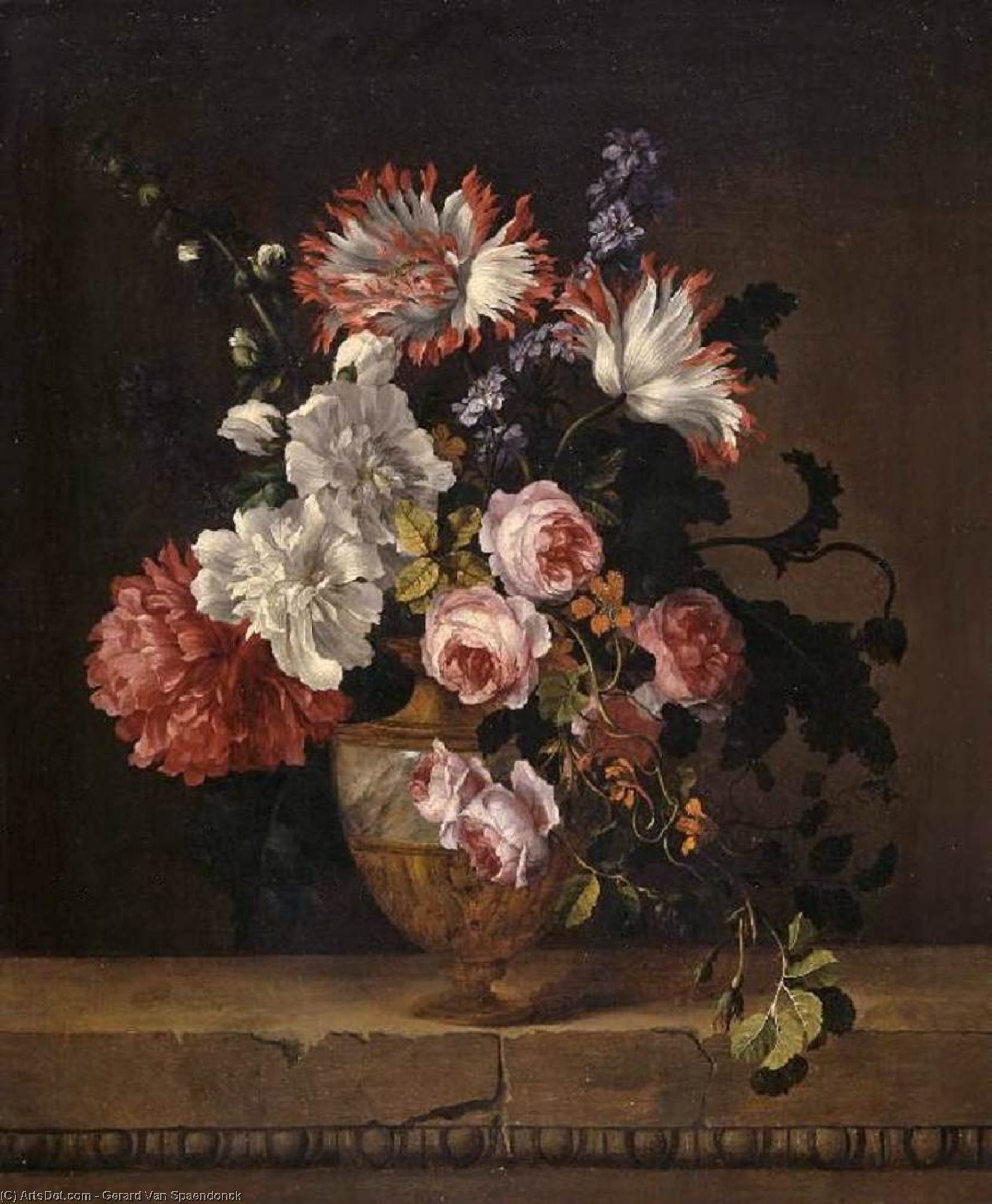
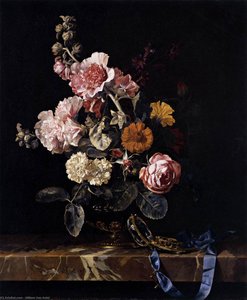
Vase of Flowers
 Acrylic On Canvas
- WallArt
- Rococo/Neoclassical
 76.0 x 64.0 cm
 Ашмолейский музей
 Читать далее
Жикле / Арт-принт
Печать (жикле) или холст музейного качества с быстрыми сроками изготовления и широким выбором вариантов отделки. ( Купить картину ручной работы Перейти к цифровым изображениям)




P118B $10

P118H $10

P118W $10

P438Z $10

P508JH $12

P508YH $12

P805H $10

P805Z $10

P919BZ $10

P919G $10

P919XJ $10

P959ZH $10

P968JZ $12

W106C $8

W218G $10

W218JH $8

W218Y $10

W307PJ $10

W316G $10

W316PJ $8

W316Y $10

W398PJ $8

W4111J $10

W500HY $15

W500JH $15

W692G $12

W849H $8

W940BG $15

W953PJ $8




Выберите один из наших стандартных размеров, соответствующих оригинальным пропорциям произведения искусства.

Вы можете указать свои собственные размеры, чтобы репродукция идеально подошла под конкретную раму или пространство. Если выбранный вами размер не будет соответствовать пропорциям оригинала, мы либо обрежем произведение, либо дополним изображение зеркальным отражением краев или однотонной заливкой. Перед началом производства вам будет отправлен цифровой макет для утверждения.
Пожалуйста, обратите внимание, что предварительный просмотр на экране не отображает фактическую обрезку или расширение изображения. Только макет точно покажет финальную композицию.
Несмотря на возможность заказа индивидуальных размеров, мы рекомендуем выбирать размер из предопределенного списка, чтобы сохранить оригинальные пропорции.
Доставка по всему миру () за 2 недели вместо стандартных 4/5 недель. (11 Сентябрь)

Бесплатная экспресс-доставка по всему миру

Высококачественный льняной холст

Полное страхование доставки

Гарантия возмещения таможенных пошлин

Гарантия точного соответствия цветов

100-дневная политика возврата (только при обнаружении дефектов)

Гарантия возврата 100% средств

Предложение оптовых скидок
 Вариант со стеклом доступен только для размеров менее 110 см

Vase of Flowers
Жикле / Арт-принт
Размер репродукции
-


Итоговая стоимость
$ 62
A Moment Preserved: The Allure of Gerard van Spaendonck's "Vase of Flowers"
Gerard van Spaendonck’s “Vase of Flowers,” painted circa 1785, is more than a simple depiction of botanical beauty; it’s a meticulously crafted window into the refined tastes and artistic sensibilities of late 18th-century Europe. This exquisite still life, currently residing in the collection of the Fitzwilliam Museum in Cambridge, speaks volumes about the Dutch Golden Age's fascination with naturalism, its mastery of light and shadow, and the burgeoning influence of French decorative arts. The painting immediately draws the eye to a luxurious arrangement within a stone vase – roses, peonies, violets, and other blossoms—a testament to the artist’s dedication to capturing the ephemeral beauty of nature.
Van Spaendonck's skill lies not merely in his ability to render individual flowers with astonishing detail, but in his orchestration of color and form. The palette is rich and restrained, dominated by deep reds, vibrant greens, and delicate pinks—a harmonious blend that elevates the scene beyond a straightforward representation. Notice how he employs subtle gradations of tone to create depth and volume; the velvety petals seem to almost leap from the canvas, while the leaves possess a tactile quality that invites the viewer to reach out and touch them. The inclusion of a small, reflective bronze vase adds an element of intrigue, mirroring the surrounding flowers and creating a sense of visual doubling—a technique frequently employed by Flemish masters to enhance realism.
The Court Painter and the Rise of Floral Art
Gerard van Spaendonck’s career unfolded against the backdrop of significant artistic shifts. Born in Tilburg, Netherlands, in 1746, he initially trained under Willem Jacob Herreyns, a prominent decorative painter in Antwerp—a crucial apprenticeship that instilled within him a deep appreciation for meticulous detail and classical composition. His relocation to Paris in 1769 marked a pivotal moment, propelling him into the heart of European artistic circles. It was here, in 1774, that he secured the prestigious appointment as miniature painter at the court of Louis XVI—a position that afforded him unparalleled access to aristocratic patronage and further refined his already considerable talents.
Van Spaendonck’s rise coincided with a growing interest in still life painting within Europe. The Dutch tradition, rooted in the meticulous observation of nature and an understanding of light and shadow, provided a foundation for this new genre. Simultaneously, French decorative arts—particularly the influence of Rococo style—were gaining traction, encouraging artists to experiment with color, composition, and subject matter. Van Spaendonck skillfully blended these influences, creating works that were both deeply rooted in Dutch artistic heritage and infused with the elegance and sophistication of the French court.
Symbolism and the Language of Flowers
Beyond its technical brilliance, “Vase of Flowers” is laden with symbolic meaning. Flowers have long held a rich cultural significance, each blossom carrying its own set of associations—love, beauty, remembrance, and even mortality. The specific arrangement within this painting reflects these layered meanings. Roses, for instance, are universally recognized as symbols of love and passion, while violets represent modesty and faithfulness. The inclusion of various blooms suggests a celebration of life’s fleeting pleasures and the beauty found in nature's abundance.
Furthermore, the composition itself is carefully constructed to evoke a sense of tranquility and harmony. The diagonal arrangement of the flowers draws the eye through the painting, creating a dynamic yet balanced visual experience. The reflection in the vase adds an element of mystery and intrigue, inviting the viewer to contemplate the relationship between the natural world and its representation on canvas. It’s a subtle reminder that Van Spaendonck wasn't simply depicting flowers; he was capturing a moment—a fleeting glimpse of beauty preserved for posterity.
A Legacy in Reproduction
Today, “Vase of Flowers” stands as a testament to the enduring appeal of still life painting and the artistic genius of Gerard van Spaendonck. ArtsDot offers meticulously crafted reproductions that faithfully capture the original’s exquisite detail and vibrant colors. Whether displayed in a grand salon or a cozy corner, this timeless masterpiece continues to inspire and delight, transporting viewers back to the opulent world of 18th-century Europe.
Похожие произведения
Биография художника
Gerard van Spaendonck: A Life in Bloom
Early Life and Education
- Born: 1746 in Tilburg, Netherlands.
- Van Spaendonck came from an artistic family; his younger brother, Cornelis van Spaendonck, also became a successful painter.
- In the 1760s, he began his formal training with decorative painter Willem Jacob Herreyns (also known as Guillaume-Jacques Herreyns) in Antwerp. This early exposure shaped his meticulous attention to detail and refined technique.
Move to Paris and Royal Appointment
- In 1769, Van Spaendonck relocated to Paris, a pivotal move that launched his international career.
- 1774: He was appointed as a miniature painter at the court of Louis XVI, marking a significant step in his recognition and patronage.
- This position allowed him access to aristocratic circles and further refined his skills in delicate floral depictions.
Professor at Jardin des Plantes & Académie Membership
- 1780: Van Spaendonck succeeded Madeleine Françoise Basseporte as professor of floral painting at the prestigious Jardin des Plantes.
- Shortly after, he was elected a member of the Académie des Beaux-Arts, solidifying his status within the French art establishment.
- He became an influential teacher, mentoring notable artists like Pierre-Joseph Redouté and Henriette Vincent.
Artistic Style & Major Works
- Van Spaendonck excelled in both oil painting and watercolor techniques.
- He contributed over fifty works to Les Vélins du Roi, a renowned collection of botanical watercolors commissioned by the French royal family. These pieces demonstrate his exceptional skill in capturing the nuances of floral forms.
- Fleurs Dessinees d'apres Nature (Flowers Drawn from Life): Published between 1799 and 1801, this series of twenty-four engraved plates served as a valuable resource for students of floral painting. It remains a highly treasured book on the subject today.
- His paintings often feature intricate details of flowers alongside insects, adding another layer of naturalism to his compositions.
Recognition and Legacy
- 1788: Appointed as an advisor to the Académie.
- 1795: Became a founding member of the Institut de France.
- 1804: Received the Légion d'honneur and was ennobled by Napoleon Bonaparte, acknowledging his contributions to French art and culture.
- Van Spaendonck died in Paris in 1822 and is buried in Père Lachaise Cemetery.
- Historical Significance: Gerard van Spaendonck’s meticulous botanical illustrations and refined floral paintings played a crucial role in the development of botanical art. His work bridged the gap between scientific accuracy and artistic beauty, influencing generations of artists and botanists alike.
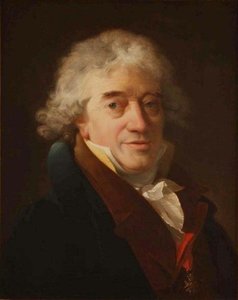
Gerard van Spaendonck
1746 - 1822 , Netherlands
Основные сведения
- Birth Date: 1746
- Birth Place: Tilburg, Netherlands
- Death Date: 1822
- Influenced:
- Pierre-Joseph Redouté
- Henriette Vincent
- Influenced By: Willem Jacob Herreyns
- Movement: Floral painting, Botanical art
- Name: Gerard van Spaendonck
- Nationality: Dutch
- Notable Works: Fleurs Dessinees d'apres Nature
Похожие статьи

Рембрандт ван Рейн: Топ-25 шедевров великого голландского мастера | ArtsDot
Погрузитесь в мир великого Рембрандта! 25 шедевров голландского барокко, истории создания картин и уникальные техники художника. Купите репродукции картин Рембрандта высочайшего качества для вашего интерьера на ArtsDot.com
Abraham Hendricksz van Beyeren: Pioneering Dutch Still Life & the Banquet Tradition
Explore the captivating world of Dutch Golden Age still life with Abraham van Beyeren. Discover his innovative techniques, symbolic banquet scenes & lasting influence on art history. Learn about collecting these masterpieces.
The Enduring Appeal of Still Life: A Historical & Contemporary Exploration
Explore the rich history & symbolism of still life painting with ArtsDot. Discover masterpieces from the Dutch Golden Age, learn about vanitas art, and find expert guidance for collecting timeless artworks.
Jan van Kessel the Elder: A Baroque Master of Floral Still Life & Miniature Portraiture
Discover the exquisite detail of Jan van Kessel the Elder's Baroque floral still lifes & captivating miniatures. Explore his artistic legacy, scientific precision, and lasting influence on 17th-century Flemish painting.

10 Шедевров Раннего Нидерландского Живописи: История Искусства в Вашем Интерьере
Погрузитесь в мир Раннего нидерландского живописи! Откройте 10 шедевров Яна ван Эйка, Рогира ван дер Вейдена и других мастеров. История искусства, техника исполнения и вдохновение для вашего интерьера на ArtsDot.com.