

 Предпросмотр
 Поделиться
 Поделиться
 Детали произведения

 Скачать
 Похожие работы
 Рентгенография
 Слайд-шоу
 Статистика
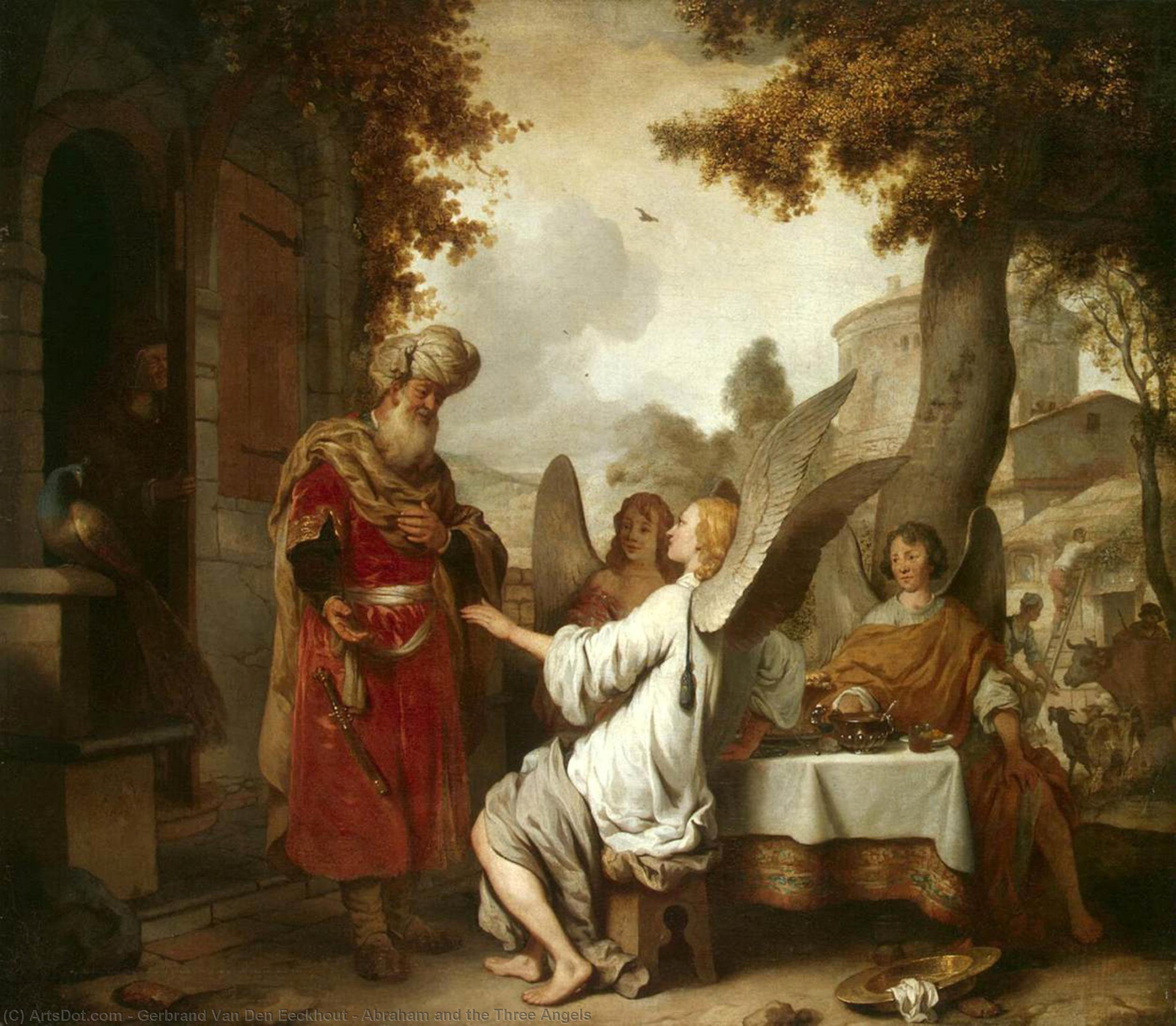
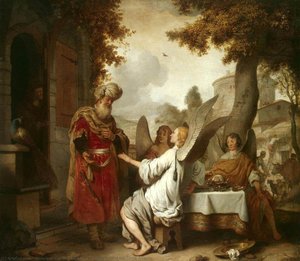
Abraham and the Three Angels
 Oil On Canvas
- WallArt
- Baroque
 1656
1656 71.0 x 82.0 cm
 Эрмитаж
 Читать далее
Приобретите цифровое изображение высокого разрешения в улучшенном качестве, которое значительно превосходит онлайн-превью.
Каждый файл тщательно подготавливается нашими специалистами с использованием передовых инструментов и экспертной ручной ретуши. Мы гарантируем исключительную четкость, точную цветопередачу и детальную проработку каждого изображения.
Финальный файл доставляется по электронной почте в течение 72 часов и оптимизирован для немедленного использования в профессиональной среде, при верстке и печати. Это тот же уровень качества, которому доверяют ведущие дизайнерские студии, издательства и галереи.
Цифровое изображение
Скачайте файл высокого разрешения для личного использования, печати и творческих проектов. ( Перейти к печати Купить картину ручной работы)
Включено в каждый заказ цифровых изображений
Гарантия экспертной цифровой доставки
Выбирая ArtsDot.com, вы получаете не просто изображение — вы приобретаете профессионально обработанное цифровое произведение искусства, созданное с безупречной точностью и под защитой гарантии качества. Вот всё, что автоматически входит в ваш заказ:

Мгновенная доставка по e-mail
Ваш цифровой файл в высоком разрешении будет отправлен вам по электронной почте в течение 72 часов после оформления заказа — и сразу станет доступен для использования.

Цифровой файл с ИИ-улучшением
Ваше произведение искусства проходит профессиональную оптимизацию с использованием передовых инструментов ИИ и ручной обработки, что гарантирует максимальную детализацию, четкость и точность цветопередачи.

Бессрочная бесплатная повторная доставка
Случайно удалили или потеряли файл? Не беспокойтесь — мы отправим его вам повторно в любое время и совершенно бесплатно.

Без импортных пошлин — навсегда
Наслаждайтесь вашим произведением искусства мгновенно без таможенных пошлин, сборов или затрат на доставку — цифровые загрузки всегда не облагаются налогом.

Гарантия точности цветопередачи
Мы гарантируем, что ваше цифровое изображение максимально точно передает оригинальные цвета благодаря использованию профессиональных инструментов и систем управления цветом.

Гарантия удовлетворенности 100 дней
Если вы не будете удовлетворены своим цифровым изображением, мы внесем правки или вернем 100% стоимости в течение 100 дней — без лишних вопросов.

100% Гарантия возврата средств
Не удовлетворены покупкой? Получите полный возврат средств в течение 100 дней после получения цифрового файла — без лишних вопросов.

Скидки на оптовые заказы
Купите 3 изображения, сэкономьте 10% — Купите 5, сэкономьте 15% — Купите 10+, сэкономьте 20%. Отличное решение для творческих проектов, галерей и агентств.
Gerbrand van den Eeckhout’s ‘Abraham and the Three Angels’: A Baroque Masterpiece Illuminated by Rembrandt's Shadow
The artwork “Abraham and the Three Angels,” painted in 1656 by Gerbrand van den Eeckhout, stands as a testament to the profound influence of Rembrandt Harmenszoon van Rijn on Dutch Baroque painting. More than just a depiction of biblical narrative, it’s an exquisitely crafted visual experience—a window into the artistic sensibilities of its time and a showcase of masterful technique that continues to captivate audiences today. This detailed oil painting captures a pivotal moment from Genesis, portraying Abraham receiving divine visitors who herald the imminent birth of his son Isaac.- Subject Matter & Narrative: The scene unfolds with Abraham seated at his tent door, engaged in conversation with three angels—a figure representing God and two messengers—who announce that Sarah will conceive and bear a son despite her advanced age. This retelling of the biblical story is imbued with theological significance, emphasizing faith, divine providence, and the promise of redemption.
- Style & Composition: Characteristic of the Baroque period, “Abraham and the Three Angels” employs dramatic lighting—a technique heavily indebted to Rembrandt’s groundbreaking chiaroscuro—to sculpt form and heighten emotional impact. Diagonal lines dominate the composition, guiding the viewer's eye across the canvas and creating a sense of dynamism. The artist skillfully utilizes atmospheric perspective, subtly blurring distant elements to establish depth and reinforce the grandeur of the setting.
- Technique & Materials: Van den Eeckhout’s meticulous approach is evident in every brushstroke. He employs layering and glazing techniques—essential components of Baroque painting—to achieve luminous surfaces and nuanced tonal gradations. The artist's masterful handling of oil paints demonstrates an unparalleled understanding of color mixing and texture creation, resulting in a remarkably realistic portrayal of human anatomy and drapery.
- Symbolism & Artistic Influences: Beyond its biblical narrative, “Abraham and the Three Angels” resonates with symbolic representations of faith and divine grace. The angels embody God’s intervention in human affairs, while Abraham's humble posture underscores the importance of piety and submission to God’s will. Notably, Van den Eeckhout’s training under Rembrandt profoundly shaped his artistic vision—particularly his preoccupation with capturing light and conveying emotion—solidifying his place as Rembrandt’s most devoted student.
- Emotional Impact: The painting evokes a palpable sense of solemn contemplation and spiritual reverence. The artist's masterful use of color—primarily browns, reds, and golds—creates an atmosphere of warmth yet hints at underlying melancholy. The expressive gestures of the figures convey profound emotion, inviting viewers to contemplate themes of hope, faith, and divine compassion.
Похожие произведения



Биография художника
The Legacy of a Master's Protégé
In the vibrant, bustling heart of seventeenth-century Amsterdam, a period defined by unparalleled cultural and economic prosperity, the name Gerbrand van den Eeckhout emerged as a significant voice within the Dutch Golden Age. While history often casts him in the long, dramatic shadow of his mentor, the legendary Rembrandt van Rijn, to view Eeckhout merely as a student is to overlook the profound sensitivity and technical refinement he brought to the canvas. Born in 1621, Eeckhout was shaped by the very atmosphere of the Dutch Baroque, an era where light, texture, and human emotion were captured with a devotion that bordered on the divine. His journey was one of deep connection to the masters of his time, yet it was marked by a persistent effort to find a visual language that was uniquely his own.
The foundation of Eeckhout’s artistry was laid within the walls of Rembrandt’s studio. As an apprentice, he did not simply learn the mechanics of paint application; he absorbed a philosophy of observation. From Rembrandt, he inherited a reverence for the interplay of light and shadow, yet as his career matured, Eeckhout began to diverge from the heavy, dramatic chiaroscuro that defined his teacher's most famous works. Instead, he developed a preference for softer gradations of tone and a more delicate atmospheric perspective. This subtle shift allowed him to create scenes that felt less like theatrical confrontations and more like intimate, quiet moments captured in time, imbuing his subjects with a psychological depth that resonated with the burgeoning middle class of the Netherlands.
Mastery of Portraiture and Genre
Eeckhout’s oeuvre is a testament to his versatility, ranging from the solemnity of formal portraiture to the narrative charm of genre scenes. His portraits are celebrated for their remarkable realism, particularly in the way he rendered the tactile qualities of fabric, lace, and skin. He possessed an uncanny ability to translate the social standing and inner character of his sitters through understated visual cues. In works such as A Young Woman Reading, one can witness his mastery of mood; the light does not merely illuminate the subject but seems to wrap around her, creating a sense of contemplative solitude that draws the viewer into her private world.
Beyond the individual portrait, Eeckhout excelled in capturing the pulse of everyday life. His genre paintings often depicted biblical or historical narratives, yet he grounded these grand themes in the domestic reality of his era. This technique bridged the gap between the epic and the intimate, making the divine feel accessible and human. His ability to compose complex scenes with a sense of naturalistic flow remains one of his most significant achievements. Even when depicting larger groups, there is a rhythmic balance to his compositions that prevents chaos, guiding the eye through a carefully orchestrated landscape of light and shadow.
Historical Significance and Artistic Spirit
The historical importance of Gerbrand van den Eeckhout lies in his role as a bridge between the intense emotionalism of the early Baroque and the more refined, observational style that would characterize later Dutch art. He was an artist who understood the power of nuance. While he could evoke the grandeur of the past, his true strength lay in the subtle: the glint of light on a silver goblet, the soft fold of a linen sleeve, or the fleeting expression of a thought passing through a subject's mind.
Though his life ended in 1674, leaving behind a legacy that continues to fascinate historians and art lovers alike, Eeckhout remains a vital figure for understanding the evolution of Dutch painting. His work serves as a reminder that greatness is not always found in the loudest shadows, but often in the most delicate light. To study his paintings is to experience the soul of the Dutch Golden Age—a period where the boundaries between the mundane and the magnificent were beautifully blurred by the brush of a master.
gerbrand van den eeckhout
1621 - 1674 , Netherlands
Основные сведения
- Artistic Movement Or Style: Dutch Baroque
- Artists Or Movements Influenced By This Artist: ['Dutch Portraiture']
- Artists Who Influenced This Artist: ['Rembrandt']
- Date Of Birth: 1621
- Full Name: Gerbrand van den Eeckhout
- Nationality: Dutch
- Notable Artworks:
- The Astronomer
- Portrait of a Young Man
- Place Of Birth: Amsterdam, Netherlands