

 Предпросмотр
 Поделиться
 Поделиться
 Детали произведения

 Скачать
 Похожие работы
 Рентгенография
 Слайд-шоу
 Статистика
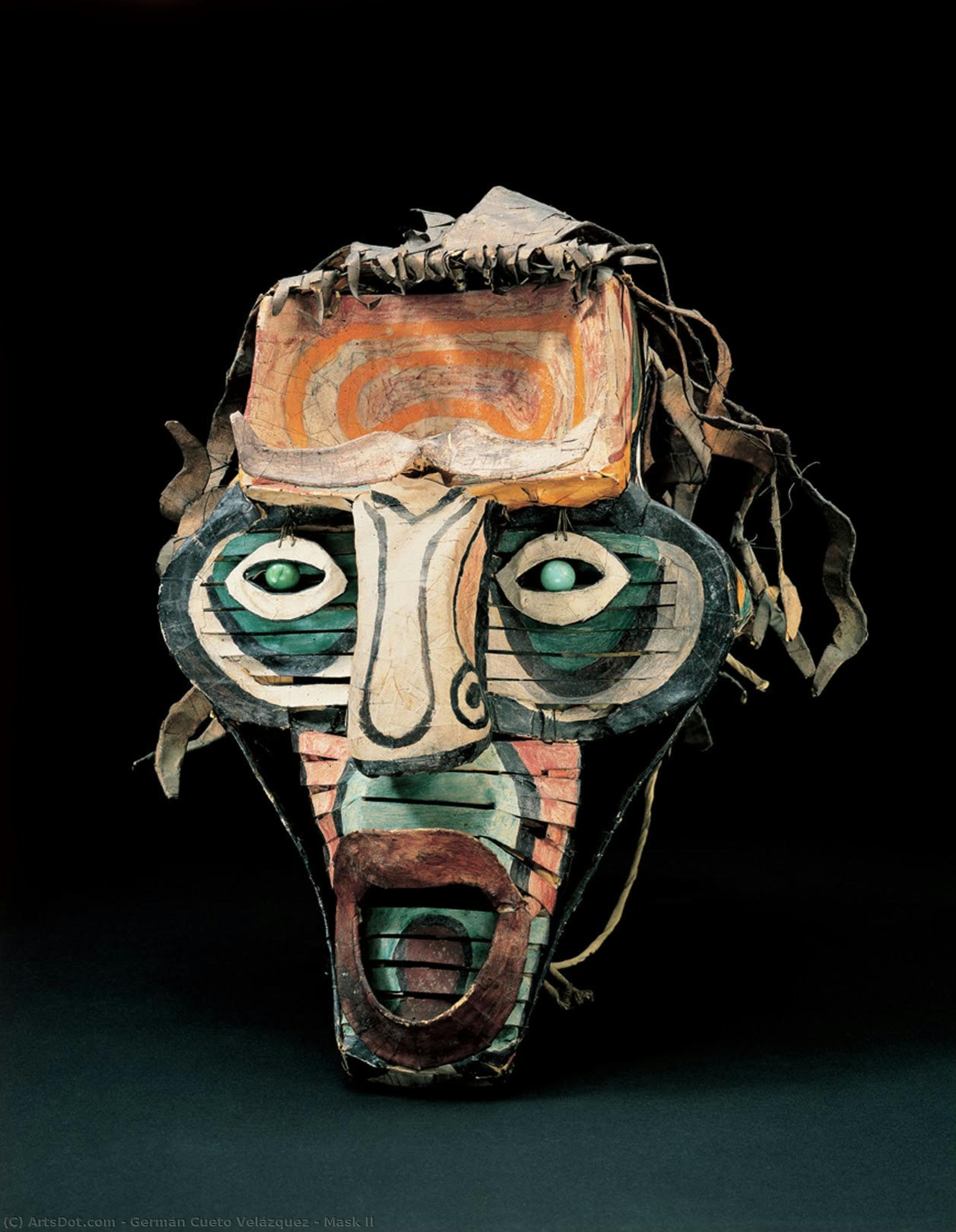
Mask II
 1924
1924 36.0 x 34.0 cm
 colección-blaisten
 Читать далее
Жикле / Арт-принт
Печать (жикле) или холст музейного качества с быстрыми сроками изготовления и широким выбором вариантов отделки. ( Купить картину ручной работы Перейти к цифровым изображениям)




































Выберите один из наших стандартных размеров, соответствующих оригинальным пропорциям произведения искусства.

Вы можете указать свои собственные размеры, чтобы репродукция идеально подошла под конкретную раму или пространство. Если выбранный вами размер не будет соответствовать пропорциям оригинала, мы либо обрежем произведение, либо дополним изображение зеркальным отражением краев или однотонной заливкой. Перед началом производства вам будет отправлен цифровой макет для утверждения.
Пожалуйста, обратите внимание, что предварительный просмотр на экране не отображает фактическую обрезку или расширение изображения. Только макет точно покажет финальную композицию.
Несмотря на возможность заказа индивидуальных размеров, мы рекомендуем выбирать размер из предопределенного списка, чтобы сохранить оригинальные пропорции.
Доставка по всему миру () за 2 недели вместо стандартных 4/5 недель. (13 Сентябрь)

Бесплатная экспресс-доставка по всему миру

Высококачественный льняной холст

Полное страхование доставки

Гарантия возмещения таможенных пошлин

Гарантия точного соответствия цветов

100-дневная политика возврата (только при обнаружении дефектов)

Гарантия возврата 100% средств

Предложение оптовых скидок
 Вариант со стеклом доступен только для размеров менее 110 см

Mask II
Жикле / Арт-принт
Размер репродукции
-


Итоговая стоимость
$ 62
Похожие произведения







Биография художника
Germán Cueto Velázquez: A Pioneer of Mexican Abstraction
Born in Mexico City on February 8 or 9, 1883, Germán Cueto Velázquez emerged as a singular figure in the early decades of 20th-century Mexican art. Often considered the nation’s first abstract artist, his journey was one of profound transformation, moving from traditional influences to a radically innovative approach that challenged established norms and paved the way for future generations. His life coincided with a period of immense social and political upheaval – the aftermath of the Mexican Revolution – which profoundly shaped the artistic landscape, fostering a desire for new forms of expression and a rejection of academic constraints.
Cueto’s early years were marked by a grounding in traditional art education. He initially studied chemistry but was drawn to sculpture, finding his true calling within the walls of the San Carlos Academy in Mexico City. However, he quickly recognized the limitations of this institution's rigid formalism and sought a path that would allow him to explore his own artistic vision. This dissatisfaction led him to Europe in 1927, an experience that proved pivotal to his development. His time in Paris exposed him to the vibrant currents of European avant-garde movements – Cubism, Futurism, and particularly the burgeoning field of abstract art.
European Influences and Artistic Evolution
The years spent in Europe were a period of intense experimentation for Cueto. He immersed himself in the work of groundbreaking artists like Brancusi, Torres-García, and Julio González, absorbing their innovative techniques and challenging his own preconceptions about art’s purpose. Torres-García, in particular, exerted a significant influence, encouraging Cueto to move beyond representational forms and embrace pure abstraction. This shift was not merely stylistic; it represented a fundamental change in how Cueto perceived the role of art – from mirroring reality to expressing inner experience and exploring new possibilities of form and material.
Cueto’s fascination with sculpture deepened during this period, leading him to explore unconventional materials. He began working extensively with wood, wire, plastic, sheet metal, ceramic, and even electrical wiring, transforming these disparate elements into striking masks and dynamic sculptures. His work moved away from the prevalent themes of Mexican muralism – often focused on historical narratives or social commentary – towards a more personal and introspective aesthetic. This divergence established him as an independent voice within the Mexican art scene.
A Unique Artistic Style: Masks, Sculptures, and Beyond
Cueto’s most recognizable creations are undoubtedly his masks. These weren't merely decorative objects; they were complex, multi-layered constructions that explored themes of identity, transformation, and the subconscious. He created hundreds of these masks over his career, each imbued with a unique character and often incorporating symbolic elements. His sculptures, too, reflected this experimental spirit, utilizing found objects and unconventional techniques to create works that defied easy categorization. The Museo de Arte Moderno in Mexico City holds a significant collection of his work, including the celebrated “Walker,” which earned him an honorable mention at the Second Sculpture Biennial of Mexico in 1965.
Beyond masks and sculpture, Cueto’s artistic practice extended to puppet design. He collaborated with Lola Cueto, his wife, to create a series of theatrical productions featuring handcrafted puppets – a testament to his versatility and commitment to exploring new forms of expression. This work, particularly through the “Rin-Rin” theatre company, brought art directly to audiences, fostering creativity and imagination among children.
Recognition and Legacy
Despite facing initial resistance from the established art world in Mexico, Cueto’s innovative approach gradually gained recognition. He was crowned at the Third Sculpture Biennial of Mexico in 1967 for his bronze sculpture “Circonvolución,” solidifying his place as a pioneer of Mexican abstract art. His work was also showcased at the Museo de Arte Moderno in 1965, with a retrospective exhibition that highlighted the breadth and depth of his artistic output.
Germán Cueto died on February 14, 1975, leaving behind a rich and influential body of work. His pioneering use of non-traditional materials, his exploration of abstract forms, and his unwavering commitment to experimentation have inspired generations of Mexican artists. He remains a vital figure in the history of Mexican art, a testament to the power of artistic vision and the courage to challenge convention.
Further Information
- Wikipedia: https://en.wikipedia.org/wiki/Germ%C3%A1n_Cueto
- ArtsDot: /en/artists/german-cueto-velazquez-en/
- Galeria Marc Domenech: https://galeriamarcdomenech.com/artists/german-cueto/
- Academia de Artes: https://academiadeartes.org.mx/en//miembros/#miembros
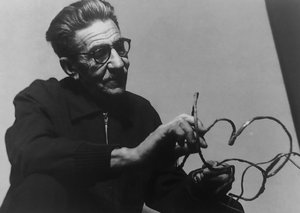
germán cueto velázquez
1883 - 1975 , Mexico
Основные сведения
- Artistic Movement Or Style: Abstract art, Masks & Sculpture
- Artists Or Movements Influenced By This Artist: ['Future generations of artists']
- Artists Who Influenced This Artist:
- Torres-García
- Brancusi
- Lipchitz
- Date Of Birth: Feb 8, 1883
- Date Of Death: Feb 14, 1975
- Full Name: Germán Cueto Velázquez
- Nationality: Mexican
- Notable Artworks:
- Personaje Real
- La contorsionista
- Imprunto
- Place Of Birth: Mexico City, Mexico