

 Поделиться
 Поделиться
 Детали произведения

 Скачать
 Похожие работы
 Слайд-шоу
 Статистика
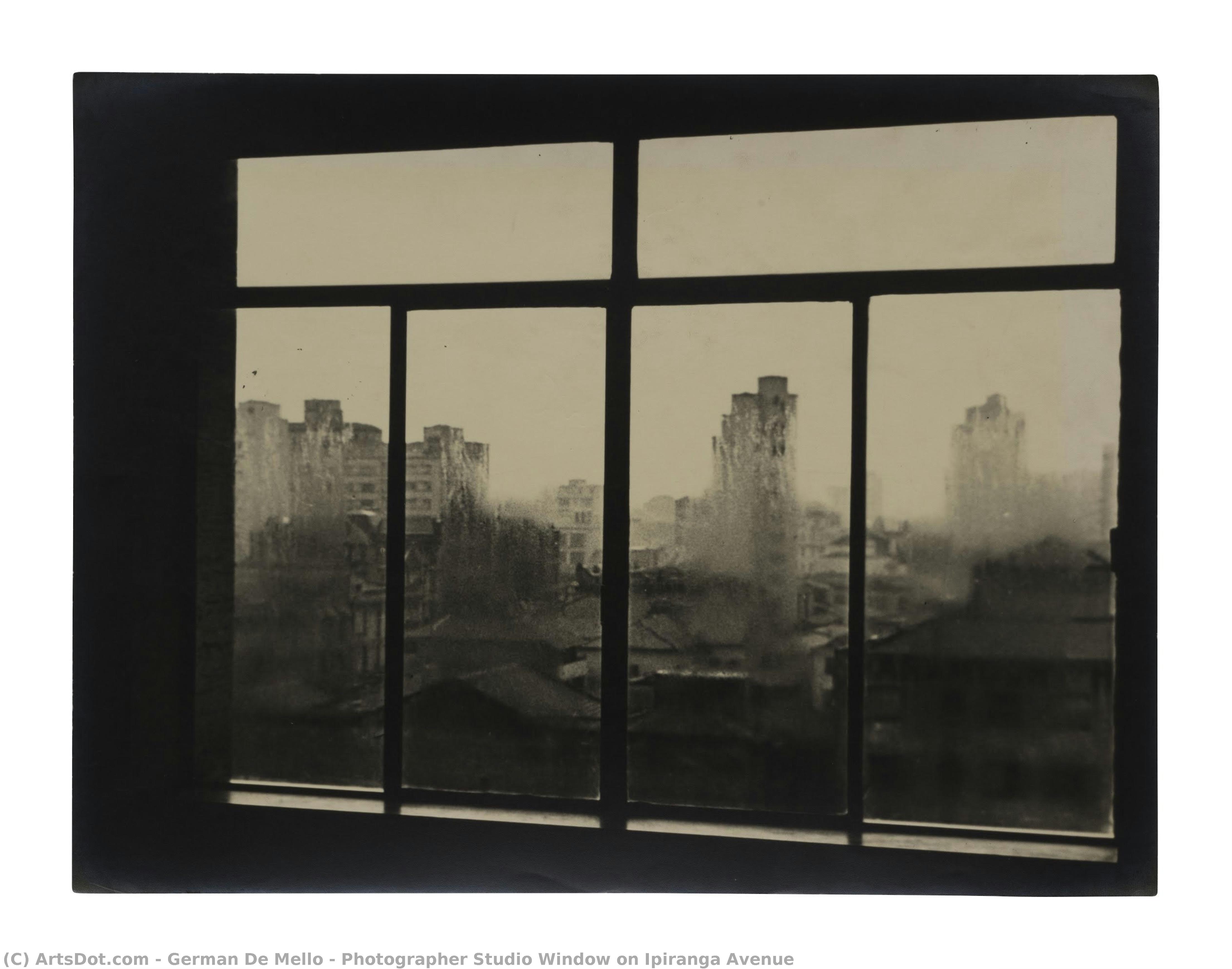
Photographer Studio Window on Ipiranga Avenue


 Читать далее
Масляная репродукция ручной работы
Картина маслом на холсте в выбранном вами размере и раме, написанная на заказ нашими художниками. ( Перейти к печати Перейти к цифровым изображениям)




































Выберите один из наших стандартных размеров, соответствующих оригинальным пропорциям произведения искусства.

Вы можете указать собственные размеры, чтобы картина идеально вписалась в выбранную раму или пространство. Если выбранный вами размер не соответствует пропорциям оригинала, мы либо обрежем полотно, либо расширим его за счет дополнительных элементов, написанных вручную. Цифровой макет будет отправлен вам на утверждение перед началом производства.
Обратите внимание, что предварительный просмотр на экране не отражает фактическую обрезку или расширение. Только макет точно покажет окончательную композицию.
Хотя доступны индивидуальные размеры, мы рекомендуем выбирать вариант из предопределенного списка, чтобы сохранить исходные пропорции.
После оформления заказа команда ArtsDot.com свяжется с клиентом по электронной почте для уточнения деталей и предоставит предварительный макет
Доставка по всему миру () за 3–4 недели вместо стандартных 5 недель. (12 Сентябрь). Без компромиссов в качестве.

Бесплатная экспресс-доставка по всему миру

Высококачественный льняной холст

Полное страхование доставки

Гарантия возмещения таможенных пошлин

Гарантия точного соответствия цветов

100-дневная политика возврата (только при обнаружении дефектов)

Гарантия возврата 100% средств

Предложение оптовых скидок
 Вариант со стеклом доступен только для размеров менее 110 см

Photographer Studio Window on Ipiranga Avenue
Техника репродукции
Размер репродукции
-


Итоговая стоимость
$ 263
A Glimpse Through Time: German de Mello’s “Photographer Studio Window on Ipiranga Avenue”
German de Mello's "Photographer Studio Window on Ipiranga Avenue" isn’t merely a depiction of a cityscape; it’s a carefully constructed moment frozen in time, imbued with the quiet observation and subtle melancholy characteristic of his oeuvre. Captured sometime between 1949 and 2021 – the breadth of de Mello's career – this black-and-white photograph invites us to contemplate the relationship between interiority and exteriority, a theme that consistently resonated throughout his work. The image presents a view through a window, framing a bustling urban scene in São Paulo, Brazil, yet simultaneously creating a sense of detachment, as if the photographer is an unseen observer, separated from the activity unfolding beyond the glass.
The composition immediately draws attention to the window itself – a rectangular frame that acts both as a barrier and a portal. Its grid-like structure, composed of multiple panes, intersects with the buildings in the background, establishing a clear visual hierarchy. The lower building, almost touching the base of the window, anchors the scene while the taller structures receding into the distance create an illusion of depth. This careful arrangement isn’t haphazard; it speaks to de Mello's meticulous attention to detail and his understanding of how lines and shapes can be used to guide the viewer’s eye.
The Language of Light and Shadow
What immediately strikes the viewer is the photograph’s monochromatic palette. The absence of color forces us to focus on the nuances of tone, from the darkest shadows within the window frame to the lighter grays illuminating the cityscape. This deliberate restriction amplifies the textures – the grainy quality of the film lends a vintage feel, suggesting that this image was captured with a deliberate and considered approach. The diffused lighting, likely originating from an overcast day or indirect sunlight, contributes to a sense of quiet contemplation, avoiding harsh contrasts and emphasizing the subtle gradations of light and shadow.
De Mello’s technique is rooted in traditional photographic practices. The grainy texture speaks to the use of film – a medium that inherently introduces a certain level of imperfection, adding to the photograph's authenticity and timelessness. The careful control over exposure and contrast further enhances the image’s visual impact, creating a balanced composition where every element contributes to the overall narrative.
A Window on Brazilian Urbanity
Beyond its technical merits, “Photographer Studio Window on Ipiranga Avenue” offers a glimpse into the heart of São Paulo during a pivotal period in Brazilian history. The photograph captures a city undergoing transformation – a vibrant metropolis grappling with rapid growth and social change. The buildings themselves are a testament to this evolution, reflecting a blend of architectural styles and representing the diverse influences that shaped the city’s identity. The scene evokes a sense of urban life, capturing the energy and dynamism of a bustling Brazilian capital.
Symbolically, the window represents both separation and connection. It acts as a barrier between the photographer's private space and the public world outside, suggesting a degree of detachment or observation. Yet, it also offers a view – a portal to a different reality. The photograph invites us to consider our own relationship with the world around us, prompting questions about perspective, distance, and the act of seeing.
German de Mello: A Legacy of Observation
Born in São Paulo in 1922 and passing away in 2021, German de Mello was a pivotal figure in Brazilian photography. His work is characterized by its stark simplicity, masterful use of light and shadow, and an acute awareness of the urban landscape. He belonged to the “Escola Paulista de Fotografia,” a group of photographers who championed modernist approaches to visual storytelling. De Mello’s photographs are held in prestigious collections like the Museu de Arte de São Paulo Assis Chateaubriand (MASP), solidifying his place as a key figure in Brazilian art history. His legacy continues to inspire artists and photographers today, reminding us of the power of photography to capture moments, evoke emotions, and offer profound insights into the human experience.
Похожие произведения

Биография художника
Early Life and Influences
- Born: São Paulo, Brazil (1922)
- Died: 2021
- Initially studied accounting at Liceu Acadêmico de São Paulo.
- Started his own accounting business in 1952 before dedicating himself to photography.
- Joined Foto Cinema Clube Bandeirante in 1959, a pivotal group for Brazilian photographers like Thomaz Farkas and Chico Albuquerque.
- Served as the official photographer for the celebration of the 400th anniversary of São Paulo in 1954.
Artistic Development and Key Works
- Known primarily for his striking black and white photographs.
- His work showcases a unique approach to visual composition and attention to detail.
- Notable works include:
- Le Diable au Corps (1949): A significant early photograph demonstrating his artistic vision.
- Curvas Concêntricas (1955): Highlights his compositional skills.
- Apartments or: Captures the essence of urban living.
- Still Life: Demonstrates meticulous attention to detail.
- His photography often explored themes of urban life and still life subjects.
Style and Techniques
- Distinctive Style: German de Mello’s style is characterized by its stark simplicity, masterful use of light and shadow, and a keen eye for geometric forms.
- Technical Proficiency: He was highly skilled in traditional photographic techniques, particularly black-and-white printing.
- Compositional Approach: His compositions often feature carefully arranged elements that create a sense of balance and harmony.
- Influences: The Foto Cine Clube Bandeirante played a crucial role in shaping his artistic development, exposing him to modernist photographic trends.
Recognition and Legacy
- His photographs are housed in prestigious museums including the Museu de Arte de São Paulo Assis Chateaubriand (MASP).
- Recognized as a key figure of the "Escola Paulista de Fotografia" (São Paulo School of Photography).
- Continued to be celebrated for his contributions to Brazilian photography well into his later years.
- His work has been exhibited internationally, solidifying his place in art history.
- Died in 2021 leaving behind a legacy of captivating photographs that continue to inspire artists and photographers.
Historical Significance
- Pioneer of Brazilian Photography: De Mello was instrumental in the development of modern photography in Brazil, contributing significantly to its artistic recognition.
- Documenting Urban Life: His photographs offer a valuable visual record of São Paulo and its evolving urban landscape during the mid-20th century.
- Influence on Subsequent Generations: His unique style and approach have influenced countless photographers in Brazil and beyond.
- Preservation of Cultural Heritage: Through his work, he helped preserve a vital part of Brazilian cultural heritage for future generations.
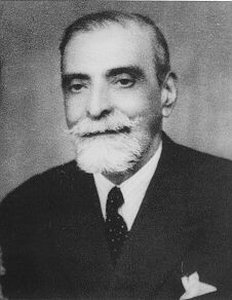
german de mello
1922 - 2021 , Brazil
Основные сведения
- Artistic Movement Or Style: Photography
- Artists Who Influenced This Artist:
- Thomaz Farkas
- Chico Albuquerque
- Date Of Birth: 1922
- Date Of Death: 2021
- Full Name: German de Mello
- Nationality: Brazilian
- Notable Artworks:
- Le Diable Au Corps
- Curvas Concêntricas
- Apartments or
- Still Life
- Place Of Birth: São Paulo, Brazil
Похожие статьи

Топ-25 шедевров Гойи: от придворного портрета до мрачных пророчеств | ArtsDot
Погрузитесь в мир гения Франсиско Гойи! 🎨 От придворных портретов до мрачных "Капричос" – исследуйте топ-25 шедевров испанского романтизма. Купите репродукции картин Гойи музейного качества на ArtsDot.com и украсьте свой интерьер искусством.

Топ-10 знаменитых картин в черных тонах: шедевры искусства для вашего интерьера
Погрузитесь в мир темных шедевров! Топ-10 знаменитых картин в черных тонах от Гойи, Рембрандта и Мунка. История искусства, техники живописи и вдохновение для вашего интерьера. Купите репродукции высокого качества на ArtsDot.com

Белые шедевры: 10 знаменитых картин, покоривших мир (репродукции, декор)
Откройте для себя 10 знаменитых картин, где белый цвет – главный герой! Моне, Дега и другие мастера. История искусства, техники живописи и вдохновение для вашего интерьера. Репродукции высокого качества на ArtsDot.com

Monochrome Visions: Exploring the Aesthetic & Historical Significance of Black & White Photography
Explore the rich history & artistic power of black and white photography. From early techniques to iconic masters like Ansel Adams, discover why monochrome continues to captivate art lovers today. Expert insights for collectors.

Beyond the Lens: Photography's Enduring Influence on Modern & Contemporary Art
Explore photography's pivotal role in shaping modern & contemporary art. Discover key movements, influential artists like Stieglitz, and expert collecting advice from ArtsDot.