

 Предпросмотр
 Поделиться
 Поделиться
 Детали произведения

 Скачать
 Похожие работы
 Рентгенография
 Слайд-шоу
 Статистика
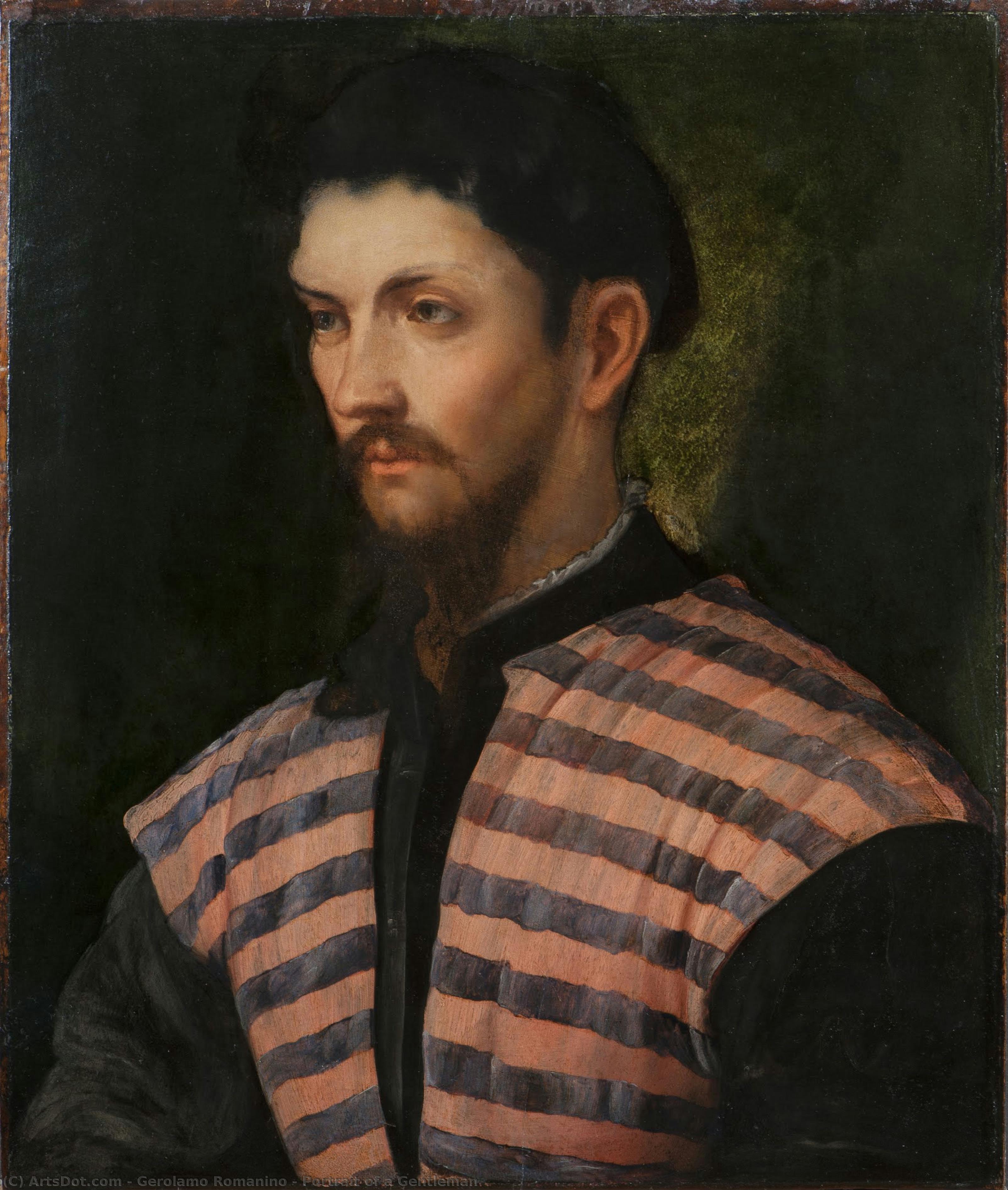
Portrait of a Gentleman

 Читать далее
Приобретите цифровое изображение высокого разрешения в улучшенном качестве, которое значительно превосходит онлайн-превью.
Каждый файл тщательно подготавливается нашими специалистами с использованием передовых инструментов и экспертной ручной ретуши. Мы гарантируем исключительную четкость, точную цветопередачу и детальную проработку каждого изображения.
Финальный файл доставляется по электронной почте в течение 72 часов и оптимизирован для немедленного использования в профессиональной среде, при верстке и печати. Это тот же уровень качества, которому доверяют ведущие дизайнерские студии, издательства и галереи.
Цифровое изображение
Скачайте файл высокого разрешения для личного использования, печати и творческих проектов. ( Перейти к печати Купить картину ручной работы)
Включено в каждый заказ цифровых изображений
Гарантия экспертной цифровой доставки
Выбирая ArtsDot.com, вы получаете не просто изображение — вы приобретаете профессионально обработанное цифровое произведение искусства, созданное с безупречной точностью и под защитой гарантии качества. Вот всё, что автоматически входит в ваш заказ:

Мгновенная доставка по e-mail
Ваш цифровой файл в высоком разрешении будет отправлен вам по электронной почте в течение 72 часов после оформления заказа — и сразу станет доступен для использования.

Цифровой файл с ИИ-улучшением
Ваше произведение искусства проходит профессиональную оптимизацию с использованием передовых инструментов ИИ и ручной обработки, что гарантирует максимальную детализацию, четкость и точность цветопередачи.

Бессрочная бесплатная повторная доставка
Случайно удалили или потеряли файл? Не беспокойтесь — мы отправим его вам повторно в любое время и совершенно бесплатно.

Без импортных пошлин — навсегда
Наслаждайтесь вашим произведением искусства мгновенно без таможенных пошлин, сборов или затрат на доставку — цифровые загрузки всегда не облагаются налогом.

Гарантия точности цветопередачи
Мы гарантируем, что ваше цифровое изображение максимально точно передает оригинальные цвета благодаря использованию профессиональных инструментов и систем управления цветом.

Гарантия удовлетворенности 100 дней
Если вы не будете удовлетворены своим цифровым изображением, мы внесем правки или вернем 100% стоимости в течение 100 дней — без лишних вопросов.

100% Гарантия возврата средств
Не удовлетворены покупкой? Получите полный возврат средств в течение 100 дней после получения цифрового файла — без лишних вопросов.

Скидки на оптовые заказы
Купите 3 изображения, сэкономьте 10% — Купите 5, сэкономьте 15% — Купите 10+, сэкономьте 20%. Отличное решение для творческих проектов, галерей и агентств.
Похожие произведения








Биография художника
A Lombard Master of Dramatic Emotion: The Life and Art of Gerolamo Romanino
Gerolamo Romanino, a name perhaps less instantly recognizable than those of his High Renaissance contemporaries like Leonardo or Michelangelo, nevertheless occupies a vital position in the artistic landscape of 16th-century Italy. Born in Brescia – though precise dates remain elusive – Romanino emerged as one of the most compelling and emotionally charged painters of the Lombard school. His career unfolded during a period of significant political upheaval and religious ferment, factors that profoundly shaped his distinctive style. While biographical details are scarce, piecing together the fragments reveals an artist deeply engaged with both the classical traditions and the burgeoning humanism of his time, yet ultimately forging a path uniquely his own. He was known under several variations of his name: Girolamo Di Romano, Girolamo Romani, Girolamo Rumani, and Hieronymus De Brescia, reflecting the regional nuances of artistic attribution in that era.Early Influences and Artistic Development
Romanino’s early training remains somewhat shrouded in mystery. It is believed he initially worked alongside his father, Giovanni Battista Romanino, also a painter, absorbing the fundamentals of technique and composition. However, the young artist quickly outgrew these familial influences, seeking broader inspiration from the artistic currents flowing through Northern Italy. The impact of Mantegna’s powerful draftsmanship and dramatic perspective is evident in Romanino's early works, as is the influence of Leonardo da Vinci’s *sfumato* technique – though Romanino adapted these lessons to his own expressive ends. He travelled extensively throughout Lombardy, absorbing the styles of artists like Bramante and Raphael, but never simply imitated them. Instead, he synthesized these diverse influences into a uniquely personal language characterized by robust figures, intense psychological realism, and a striking use of color. His early commissions often involved altarpieces for churches in Brescia and surrounding areas, allowing him to hone his skills in narrative storytelling and religious iconography.The Power of Narrative: Romanino’s Mature Style
Romanino's mature style is defined by a remarkable ability to convey profound emotional depth through powerfully rendered figures and dynamic compositions. He eschewed the idealized beauty favored by many High Renaissance artists, instead focusing on portraying human subjects with unflinching realism – often depicting them as weathered, expressive individuals grappling with intense spiritual or physical suffering. This commitment to psychological truth is particularly evident in his depictions of biblical scenes. His *Christ Carrying the Cross*, for example, is not a serene portrayal of divine sacrifice but a harrowing depiction of pain, exhaustion, and human vulnerability. The figures are monumental yet deeply relatable, their faces etched with anguish and determination. He was a master of fresco painting, undertaking large-scale decorative schemes in churches and palaces throughout Lombardy. These frescoes, often characterized by bold colors and dramatic chiaroscuro, transformed architectural spaces into immersive environments that powerfully communicated religious narratives to the faithful. His use of color wasn’t merely descriptive; it served as a potent tool for conveying mood and emotion.Major Achievements and Fresco Cycles
Romanino's most significant achievements lie in his ambitious fresco cycles, which stand as testaments to his artistic vision and technical prowess. The frescoes at the Santa Maria della Stella in Brescia are particularly noteworthy, depicting scenes from the life of the Virgin Mary with a raw emotional intensity that sets them apart from contemporary works. The cycle at the Palazzo Martinengo in Brescia showcases Romanino’s skill in secular portraiture and historical narrative. These commissions demonstrate his versatility as an artist capable of handling both religious and civic subjects with equal mastery. Another important work is found in the church of San Lorenzo in Pisogne, where he created a series of frescoes that are considered among his most innovative and expressive achievements. He also undertook significant projects at churches in Bergamo and other Lombard cities, leaving behind a rich legacy of devotional art that continues to inspire awe and admiration.Historical Significance and Legacy
Gerolamo Romanino’s work represents a crucial bridge between the High Renaissance and the emerging Mannerist style. While deeply rooted in classical traditions, his emphasis on emotional intensity, dramatic realism, and unconventional compositions foreshadowed the stylistic innovations of later artists like Titian and Veronese. He was instrumental in establishing a distinct Lombard school of painting characterized by its robust figures, bold colors, and psychological depth. Although he did not enjoy the same level of widespread fame as some of his contemporaries during his lifetime, Romanino’s influence on subsequent generations of artists is undeniable. His frescoes continue to be studied and admired for their technical brilliance and emotional power, cementing his position as a Lombard master whose work embodies the spirit of the Renaissance – a period defined by both intellectual inquiry and profound artistic expression.- His paintings offer a unique window into the religious and cultural landscape of 16th-century Italy.
- Romanino’s emphasis on realism paved the way for later developments in portraiture and genre painting.
- The dramatic intensity of his frescoes continues to resonate with viewers today, making him one of the most compelling artists of the High Renaissance.
Основные сведения
- Artistic Movement Or Style: Renaissance
- Artists Or Movements Influenced By This Artist: ['Baroque']
- Artists Who Influenced This Artist: ['Venetian Art']
- Date Of Birth: *c.*1484
- Date Of Death: *c.*1562
- Full Name: Girolamo di Romano
- Nationality: Italian
- Notable Artworks:
- Madonna and Child with Saints
- Portrait of a Man in Armor
- Nativity
- St. Matthew and the Angel
- Christ at Emmaus
- Place Of Birth: Brescia, Republic of Venice