

 Поделиться
 Поделиться
 Детали произведения

 Скачать
 Похожие работы
 Слайд-шоу
 Статистика
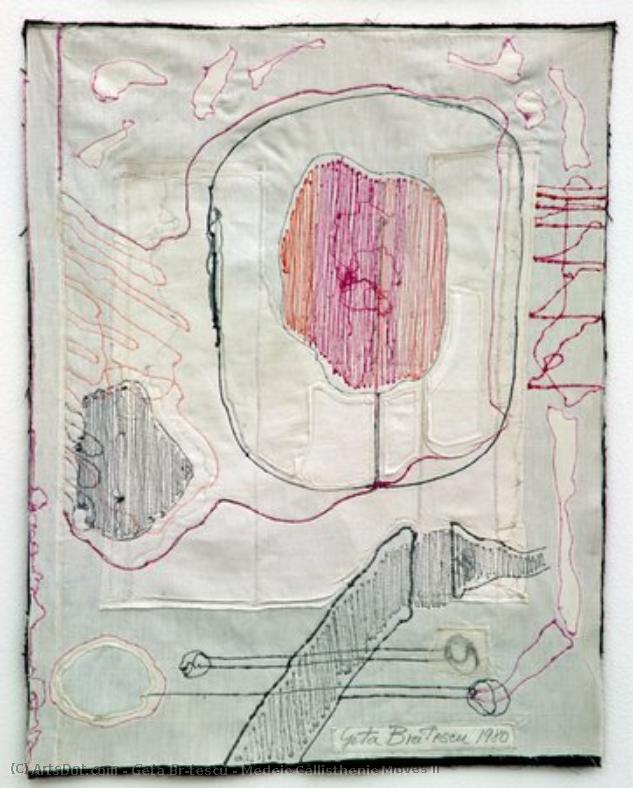
Medeic Callisthenic Moves II


 Читать далее
Масляная репродукция ручной работы
Картина маслом на холсте в выбранном вами размере и раме, написанная на заказ нашими художниками. ( Перейти к печати Перейти к цифровым изображениям)




































Выберите один из наших стандартных размеров, соответствующих оригинальным пропорциям произведения искусства.

Вы можете указать собственные размеры, чтобы картина идеально вписалась в выбранную раму или пространство. Если выбранный вами размер не соответствует пропорциям оригинала, мы либо обрежем полотно, либо расширим его за счет дополнительных элементов, написанных вручную. Цифровой макет будет отправлен вам на утверждение перед началом производства.
Обратите внимание, что предварительный просмотр на экране не отражает фактическую обрезку или расширение. Только макет точно покажет окончательную композицию.
Хотя доступны индивидуальные размеры, мы рекомендуем выбирать вариант из предопределенного списка, чтобы сохранить исходные пропорции.
После оформления заказа команда ArtsDot.com свяжется с клиентом по электронной почте для уточнения деталей и предоставит предварительный макет
Доставка по всему миру () за 3–4 недели вместо стандартных 5 недель. (11 Сентябрь). Без компромиссов в качестве.

Бесплатная экспресс-доставка по всему миру

Высококачественный льняной холст

Полное страхование доставки

Гарантия возмещения таможенных пошлин

Гарантия точного соответствия цветов

100-дневная политика возврата (только при обнаружении дефектов)

Гарантия возврата 100% средств

Предложение оптовых скидок
 Вариант со стеклом доступен только для размеров менее 110 см

Medeic Callisthenic Moves II
Техника репродукции
Размер репродукции
-


Итоговая стоимость
$ 263
A Tapestry of Movement and Memory: Exploring Geta Brătescu’s “Medeic Callisthenic Moves II”
“Medeic Callisthenic Moves II,” created in 1981 by Romanian artist Geta Brătescu, stands as a testament to the enduring power of abstraction—a deceptively simple textile piece that speaks volumes about artistic exploration and personal reflection. More than just stitched fabric, it’s an embodiment of Brătescu's distinctive approach to artmaking, rooted in her unwavering commitment to experimentation and her profound engagement with themes of identity and feminine experience.The Fabric of Expression: Composition and Technique
At first glance, “Medeic Callisthenic Moves II” presents a striking visual paradox. The canvas is dominated by a pale beige linen background—a neutral palette that serves as an understated stage for Brătescu’s bold interventions. Thick, interwoven threads of crimson, black, emerald green, and blush pink traverse the surface in seemingly random patterns, yet these lines coalesce into recognizable forms – primarily a large oval shape positioned centrally, surrounded by smaller, irregular shapes. The technique employed is meticulous: freehand stitching—a deliberate rejection of precise drafting—captures the artist’s hand movements as they translate onto the fabric. Varying stitch densities create textural layers that mimic the rhythm and dynamism of physical exercise, hence the evocative title referencing ancient Greek gymnastics. This method isn't merely decorative; it’s a conscious effort to embody movement and transformation within the confines of static material.Echoes of Myth and Feminine Resilience
Brătescu’s artistic vision was deeply influenced by her intellectual pursuits at Bucharest University, where she studied alongside influential figures like George Călinescu and Tudor Vianu—scholars who championed humanist ideals and challenged prevailing societal norms. Her expulsion from the Academy due to ideological disagreements underscored the repressive atmosphere of communist Romania, forcing her to forge an independent path as an artist. “Medeic Callisthenic Moves II” reflects this spirit of defiance and celebrates the strength inherent in vulnerability. The oval shape—a symbol of wholeness and femininity—suggests a quest for unity amidst fragmentation, mirroring Brătescu’s own experiences navigating societal constraints. Furthermore, the vibrant colors – particularly crimson – convey passion and resilience, hinting at an assertion of selfhood against external pressures.A Dialogue Between Line and Texture: Style and Symbolism
The artwork aligns itself firmly within the realm of Abstract Expressionism, albeit imbued with a distinctly textile aesthetic. Artists like Willem de Kooning and Jackson Pollock similarly prioritized spontaneous gesture and unfiltered emotion over representational accuracy—a stylistic choice that resonates powerfully in “Medeic Callisthenic Moves II.” The artist’s hand movements are palpable in the undulating lines and puckered fabric folds, creating an immersive sensory experience for the viewer. These textural variations aren't accidental; they serve as conduits for conveying emotional depth and capturing the ephemeral nature of artistic creation. Ultimately, Brătescu’s piece transcends mere visual beauty—it invites contemplation on themes of movement, memory, and the transformative potential of art itself.Legacy and Inspiration
Geta Brătescu's contribution to Romanian art history is undeniable. Her unwavering dedication to experimentation and her exploration of feminist perspectives continue to inspire artists today. “Medeic Callisthenic Moves II” stands as a poignant reminder that artistic expression can flourish even amidst adversity—a celebration of resilience, creativity, and the enduring beauty found in embracing unconventional mediums. It’s a piece that speaks not just to the eye but also to the soul, prompting viewers to consider the connections between physicality, emotion, and the artful manipulation of material.Похожие произведения


![Abstract Composition [triptych] — Vaclav Vytlacil, Abstract Expressionism](/media/artworks/images-thumb/08/3c/083c0675045645fd42d4e6c6d63f1ced.jpg)
Биография художника
A Life Woven in Lines: The Art of Geta Brătescu
Geta Brătescu, a pivotal figure in Romanian contemporary art, lived a life deeply intertwined with the political and artistic currents of 20th-century Europe. Born Georgina Comanescu on May 4, 1926, in Ploiești, Romania, her journey as an artist was marked by resilience, innovation, and a profound exploration of identity, feminism, and the very essence of creative expression. Brătescu’s early intellectual pursuits led her to the University of Bucharest's Faculty of Letters between 1945 and 1949, where she studied under luminaries like George Călinescu and Tudor Vianu—a foundation that instilled in her a lifelong appreciation for literature and its power to inform artistic vision. Simultaneously, she enrolled at the Academy of Fine Arts, studying under Camil Ressu, but her studies were abruptly halted by the rising tide of communism. Deemed ‘of bad origins’ due to her family's property ownership, she faced expulsion, an early encounter with the censorship and political constraints that would shadow much of her career. This initial setback didn’t extinguish her artistic flame; instead, it fueled a period of self-directed learning and experimentation before returning to formal studies at the Institute of Fine Arts 'Nicolae Grigorescu' from 1969 to 1971.The Line as Language: A Multidisciplinary Approach
Brătescu’s artistic practice defied easy categorization, embracing a remarkable range of media—drawing, collage, photography, performance, illustration, and film all served as vehicles for her ideas. However, at the heart of this diverse output lay an unwavering fascination with the line. For Brătescu, the line wasn't merely a formal element; it was a fundamental tool for definition, measurement, and conveying movement—a way to map both physical space and inner states. This preoccupation is vividly apparent in her series of detailed hand studies, where the intricate network of lines captures not just anatomical form but also the expressive potential of the human touch. Her exploration extended beyond static representation into performative realms, using the line to delineate space and trace the boundaries of selfhood. This dedication to the line as a core element permeated all her work, becoming a signature that distinguished her unique artistic voice. She wasn’t interested in grand narratives or monumental statements; rather, she focused on the subtle power of gesture, the intimacy of materials, and the quiet revolutions possible within the confines of the studio.Identity, Feminism, and Resistance
Brătescu's art consistently grappled with complex questions of identity, often through self-portraits and performances that challenged conventional notions of representation. Her work frequently engaged with feminist themes, most notably in her series inspired by the mythological figure of Medea—a character whose story resonated deeply with Brătescu’s own experiences as a woman navigating a patriarchal society. The *Medeic Callisthenic Moves* series, created from scraps of cloth provided by her mother, is particularly poignant, reflecting a complex relationship to femininity and the weight of inherited narratives. Living under a restrictive political regime, Brătescu's art subtly addressed issues of censorship and freedom of expression. Her work often operated within the private sphere as a form of resistance—a quiet rebellion against imposed limitations. *Censored Self Portrait* (1978), a powerful photographic work depicting her mouth and eyes obscured by paper strips, stands as a stark symbol of these constraints, embodying the artist’s struggle to articulate herself in a silenced world. Her studio became a sanctuary, a space for experimentation and self-discovery where she could circumvent official channels and explore forbidden territories.Major Works and Lasting Legacy
Throughout her career, Brătescu produced a body of work that continues to inspire and challenge audiences. *The Studio* (1978), a seminal film created in collaboration with Ion Grigorescu, is a particularly significant piece, exploring the studio space as a site for self-definition and artistic creation—a microcosm of the artist’s inner world. The *Hands* series (1974–76) showcases her mastery of draughtsmanship and symbolic representation, elevating a seemingly mundane subject to profound metaphorical significance. The *Jeu des Formes (Game of Forms)* collages demonstrate her innovative approach to form and composition, continuing her exploration of lines and shapes in unexpected ways. Brătescu’s achievements were recognized late in life but with increasing acclaim. She served as artistic director of the influential Romanian literature and art magazine *Secolul 21*, and a major retrospective of her work was held at the National Museum of Art of Romania in 1999. In 2015, she had her first UK solo exhibition at Tate Liverpool, bringing her work to an international audience, culminating in representing Romania at the 57th Venice Biennale in 2017—a landmark moment in her career. Geta Brătescu passed away in Bucharest in 2018, leaving behind a legacy as a pioneering figure whose multidisciplinary approach and unwavering commitment to artistic freedom continue to resonate with generations of artists. She remains an essential voice for those seeking to challenge conventions and explore the complexities of human experience through art.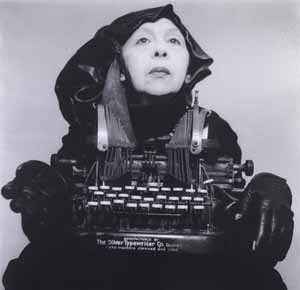
Geta Brătescu
1926 - 2018 , Romania
Основные сведения
- Artistic Movement Or Style: Conceptual art, Performance art
- Artists Or Movements Influenced By This Artist: Romanian contemporary art
- Artists Who Influenced This Artist:
- George Călinescu
- Tudor Vianu
- Aesop
- Faust
- Medea
- Date Of Birth: May 4, 1926
- Date Of Death: 2018
- Full Name: Geta Brătescu
- Nationality: Romanian
- Notable Artworks:
- The Studio
- Hands
- Medeic Callisthenic Moves
- Jeu des Formes
- Censored Self Portrait
- Place Of Birth: Ploiești, Romania
Похожие статьи

Геометрическая абстракция: 10 шедевров, изменивших искусство | ArtsDot.com
Погрузитесь в мир геометрической абстракции! От Кандинского до Малевича – 10 шедевров, изменивших искусство. Узнайте историю создания и значение культовых картин. Репродукции музейного качества на ArtsDot.com. Вдохновение для вашего интерьера!
От минимализма к экспрессионизму: руководство по выбору абстрактного стиля для эмоционального резонанса в искусстве
Руководство по выбору абстрактного стиля для эмоционального резонанса в искусстве. Откройте мир минимализма и экспрессионизма с экспертами ArtsDot.com! Советы, история, техники.
Топ-25 шедевров Василия Кандинского: Абстрактное искусство для вашего интерьера
Погрузитесь в мир абстрактного искусства с Василием Кандинским! 25 шедевров экспрессионизма, баухауса и русского авангарда. Репродукции картин Кандинского для вдохновения и декора вашего интерьера. Откройте всю коллекцию на ArtsDot.com
Топ-10 шедевров абстрактного экспрессионизма: искусство для вашего интерьера от ArtsDot.com
Погрузитесь в мир абстрактного экспрессионизма! Откройте для себя 10 шедевров Поллока, Ротко и других гениев. История искусства, техники живописи и вдохновение для вашего интерьера от ArtsDot.com. Explore the full collection online!

Beyond Representation: Exploring the Emotional Landscape of Abstract Expressionism
Explore the profound emotional world of Abstract Expressionism with ArtsDot. Discover key artists like Pollock & Rothko, learn about collecting, and find museum-quality reproductions to inspire your space.