

 Предпросмотр
 Поделиться
 Поделиться
 Детали произведения

 Скачать
 Похожие работы
 Рентгенография
 Слайд-шоу
 Статистика
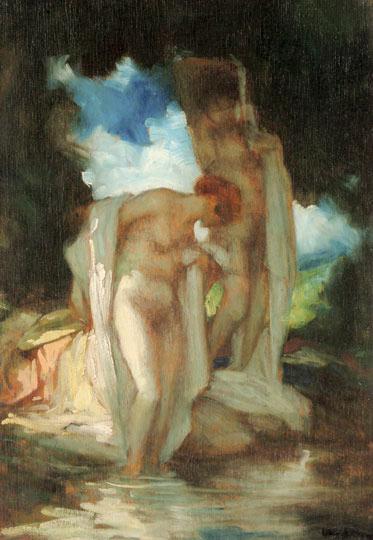
After the Bath
 57.0 x 42.0 cm
 Читать далее
Жикле / Арт-принт
Печать (жикле) или холст музейного качества с быстрыми сроками изготовления и широким выбором вариантов отделки. ( Купить картину ручной работы Перейти к цифровым изображениям)




































Выберите один из наших стандартных размеров, соответствующих оригинальным пропорциям произведения искусства.

Вы можете указать свои собственные размеры, чтобы репродукция идеально подошла под конкретную раму или пространство. Если выбранный вами размер не будет соответствовать пропорциям оригинала, мы либо обрежем произведение, либо дополним изображение зеркальным отражением краев или однотонной заливкой. Перед началом производства вам будет отправлен цифровой макет для утверждения.
Пожалуйста, обратите внимание, что предварительный просмотр на экране не отображает фактическую обрезку или расширение изображения. Только макет точно покажет финальную композицию.
Несмотря на возможность заказа индивидуальных размеров, мы рекомендуем выбирать размер из предопределенного списка, чтобы сохранить оригинальные пропорции.
Доставка по всему миру () за 2 недели вместо стандартных 4/5 недель. (12 Сентябрь)

Бесплатная экспресс-доставка по всему миру

Высококачественный льняной холст

Полное страхование доставки

Гарантия возмещения таможенных пошлин

Гарантия точного соответствия цветов

100-дневная политика возврата (только при обнаружении дефектов)

Гарантия возврата 100% средств

Предложение оптовых скидок
 Вариант со стеклом доступен только для размеров менее 110 см

After the Bath
Жикле / Арт-принт
Размер репродукции
-


Итоговая стоимость
$ 62
Похожие произведения








Биография художника
Géza Udvary: A Renaissance Vision in Hungarian Romanticism
Géza László Udvary (1872-1932) stands as a singular figure within Hungarian art history—a Romantic painter who unexpectedly embraced the stylistic conventions of the Renaissance, achieving particular renown for his monumental frescoes adorning the Hungarian Parliament Building. Born September 20th, 1872, in Budapest, Udvary’s artistic journey unfolded against the backdrop of a burgeoning Austro-Hungarian Empire grappling with nationalist aspirations and intellectual ferment. While biographical details remain somewhat sparse—primarily gleaned from scholarly publications—his dedication to mastering classical techniques undeniably shaped his distinctive oeuvre.- Early Influences: Udvary's formative years were marked by exposure to the avant-garde artistic circles of Budapest, where he encountered artists experimenting with Impressionism and Symbolism. However, unlike many contemporaries, he steadfastly pursued a path rooted in humanist ideals and meticulous observation—a fascination that would prove crucial to his later stylistic choices.
- Formal Training: He studied at the Hungarian Royal Academy of Fine Arts under Mihály Kereszty, absorbing the principles of academic painting and honing his skills in anatomy and perspective. This grounding in traditional methods provided a bedrock for his subsequent explorations into Renaissance aesthetics.
The Parliament Frescoes: A Triumph of Decorative Art
Udvary’s most celebrated achievement resides in his contribution to the decoration of Hungary's Parliament Building, begun in 1896 and completed in 1902. Commissioned as part of a grand national project celebrating Hungary’s centenary anniversary, he undertook the ambitious task of creating a series of monumental frescoes depicting Hungarian history from its origins to the Austro-Hungarian Compromise of 1867. These murals are not merely decorative; they represent a profound statement about Hungarian identity and cultural heritage.- Technique & Style: Employing tempera on plaster, Udvary meticulously recreated scenes from Hungarian folklore, mythology, and significant historical events—battles, coronations, and portraits of prominent figures—with astonishing realism and compositional clarity. His masterful use of chiaroscuro—the dramatic interplay of light and shadow—infused the frescoes with an emotive power reminiscent of Renaissance masters like Raphael and Michelangelo.
- Symbolism & Narrative: Beyond mere visual representation, Udvary’s frescoes functioned as didactic narratives designed to instill patriotism and reinforce national pride. Recurring motifs—such as eagles symbolizing Hungarian sovereignty and depictions of saints embodying moral virtue—served as emblems of Hungary's spiritual and cultural values.
Notable Paintings & Artistic Development
Beyond the Parliament frescoes, Udvary produced a considerable body of paintings exploring themes of human anatomy, nude figures, and landscapes imbued with Romantic sensibility. Works like “Resting People,” “Stretching Nude,” and “Courting” exemplify his commitment to anatomical accuracy combined with expressive brushwork—a stylistic hallmark that distinguishes him from many other Hungarian artists of his era. His artistic development can be traced through a progression from academic training toward a more individualized style, reflecting the broader trends of Romanticism’s embrace of emotion and subjective experience.Legacy & Historical Significance
Géza Udvary's enduring legacy rests primarily on his role as a pivotal figure in Hungarian decorative art. His frescoes continue to inspire awe and admiration, serving as tangible embodiments of Hungary’s cultural heritage. Furthermore, he stands out as an artist who defied prevailing stylistic conventions—demonstrating that Romanticism could simultaneously honor classical ideals and express profound human emotion. He remains a testament to the power of artistic vision and dedication in shaping national identity.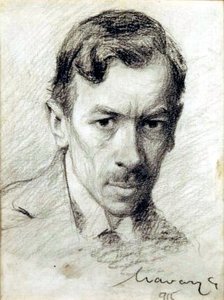
géza udvary
1872 - 1932
Основные сведения
- Artistic Movement Or Style: Romantic painting; Renaissance art
- Date Of Birth: 20 September 1872
- Date Of Death: 4 February 1932
- Full Name: Géza László Udvary
- Nationality: Hungarian
- Notable Artworks:
- Resting People
- Stretching Nude
- Courting
- Place Of Birth: Budapest, Hungary