Предпросмотр
 Поделиться
 Поделиться
 Детали произведения

 Скачать
 Похожие работы
 Рентгенография
 Слайд-шоу
 Статистика
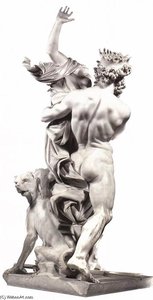
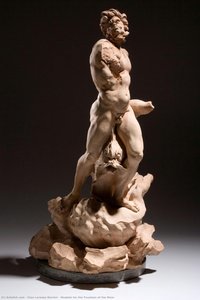
Fontana dei Quattro Fiumi (Fountain of the Four Rivers)


 Читать далее
Жикле / Арт-принт
Печать (жикле) или холст музейного качества с быстрыми сроками изготовления и широким выбором вариантов отделки. ( Купить картину ручной работы Перейти к цифровым изображениям)




P118B $10

P118H $10

P118W $10

P438Z $10

P508JH $12

P508YH $12

P805H $10

P805Z $10

P919BZ $10

P919G $10

P919XJ $10

P959ZH $10

P968JZ $12

W106C $8

W218G $10

W218JH $8

W218Y $10

W307PJ $10

W316G $10

W316PJ $8

W316Y $10

W398PJ $8

W4111J $10

W500HY $15

W500JH $15

W692G $12

W849H $8

W940BG $15

W953PJ $8




Выберите один из наших стандартных размеров, соответствующих оригинальным пропорциям произведения искусства.

Вы можете указать свои собственные размеры, чтобы репродукция идеально подошла под конкретную раму или пространство. Если выбранный вами размер не будет соответствовать пропорциям оригинала, мы либо обрежем произведение, либо дополним изображение зеркальным отражением краев или однотонной заливкой. Перед началом производства вам будет отправлен цифровой макет для утверждения.
Пожалуйста, обратите внимание, что предварительный просмотр на экране не отображает фактическую обрезку или расширение изображения. Только макет точно покажет финальную композицию.
Несмотря на возможность заказа индивидуальных размеров, мы рекомендуем выбирать размер из предопределенного списка, чтобы сохранить оригинальные пропорции.
Доставка по всему миру () за 2 недели вместо стандартных 4/5 недель. (16 Сентябрь)

Бесплатная экспресс-доставка по всему миру

Высококачественный льняной холст

Полное страхование доставки

Гарантия возмещения таможенных пошлин

Гарантия точного соответствия цветов

100-дневная политика возврата (только при обнаружении дефектов)

Гарантия возврата 100% средств

Предложение оптовых скидок
 Вариант со стеклом доступен только для размеров менее 110 см

Fontana dei Quattro Fiumi (Fountain of the Four Rivers)
Жикле / Арт-принт
Размер репродукции
-


Итоговая стоимость
$ 62
A Monument to Global Harmony: Bernini's Fountain of the Four Rivers
Gian Lorenzo Bernini’s Fontana dei Quattro Fiumi (Fountain of the Four Rivers), completed in 1651, is more than just a magnificent fountain; it’s a potent symbol of papal power and a breathtaking demonstration of Baroque artistry. Installed in Piazza Navona, Rome, this monumental sculpture instantly captivated viewers with its dynamic composition and exquisite detail. Bernini, already a rising star in the Roman art scene, conceived of the fountain as a central element for the Feast of San Agostino, solidifying his reputation as a genius capable of blending classical ideals with dramatic theatricality.
- The Subject Matter: The four statues – representing the Nile, Ganges, Plata River (or Tiber), and Euphrates – were commissioned by Cardinal Scipione Borghese for Pope Urban VIII. These rivers weren’t merely decorative elements; they represented the entirety of the known world at the time, a testament to the Catholic Church's global reach and influence.
- Bernini’s Technique: Bernini masterfully employed *terracotta*, a fired clay, for the sculptures, allowing him to achieve an unprecedented level of realism and movement. The figures are not static; they appear to be surging forward with incredible force, as if carried by their respective rivers. This illusion is further enhanced by the dramatic use of light and shadow, characteristic of Baroque style.
Baroque Drama and Papal Propaganda
Bernini’s approach was deeply rooted in the principles of Baroque art – a movement characterized by emotional intensity, theatricality, and grandeur. The fountain isn't simply a representation of rivers; it’s an *experience*. The figures are sculpted with intense expressions, conveying a sense of power and dynamism that draws the viewer into the scene. This was deliberate propaganda, designed to impress visitors with the wealth and authority of the papacy. The choice of rivers – all major waterways of the world – underscored Rome's central role in global trade and religious affairs.
- Compositional Innovation: Bernini broke from traditional sculptural conventions by placing the figures at an angle, creating a sense of movement and drawing the eye across the entire composition. This innovative approach was revolutionary for its time.
- The Setting: The fountain is set within a shallow reflecting pool, further enhancing the illusion of depth and amplifying the impact of the sculptures. The surrounding piazza, designed by Bernini himself, contributes to the overall dramatic effect.
Symbolism and Enduring Legacy
Beyond its aesthetic beauty, the Fontana dei Quattro Fiumi is laden with symbolism. Each river represents a key region of the world under papal influence – Egypt, India, Italy, and Mesopotamia. The act of the figures reaching out to grasp vases symbolizes abundance and prosperity, further reinforcing the Church’s role as provider and protector. Bernini's work cemented his place as one of Rome's greatest sculptors, influencing generations of artists who followed. Today, it remains a beloved landmark in Rome and a powerful testament to the artistic genius of Gian Lorenzo Bernini.
Perfect for Your Space
ArtsDot offers meticulously crafted hand-painted reproductions of Bernini’s masterpiece, capturing every nuance of detail and dramatic effect. Whether you're seeking an authentic piece of art history for your home or office, or a stunning decorative element for interior design, our reproductions provide a timeless addition to any space. Experience the power and beauty of this iconic work firsthand.
Похожие произведения
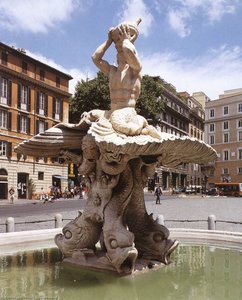
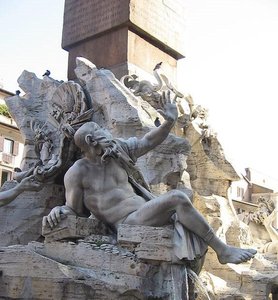
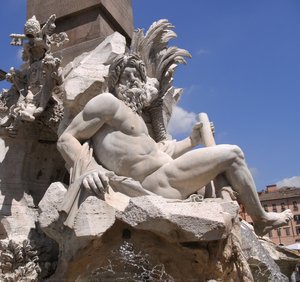
Биография художника
Gian Lorenzo Bernini: The Architect of Baroque Emotion
Gian Lorenzo Bernini, a name synonymous with the height of 17th-century artistry, was more than just a sculptor; he was a visionary architect, painter, and theatrical designer—a true *uomo universale* who fundamentally reshaped the aesthetic landscape of Rome. Born in Naples in 1598, his journey to becoming one of history’s most celebrated artists began within the workshop of his father, Pietro Bernini, a respected sculptor already known for his skill. This early immersion in the craft, combined with an intense study of classical antiquity and the artistic legacy of Michelangelo, laid the foundation for Bernini's revolutionary approach to art—one that prioritized emotional expression and dramatic narrative above all else.The Genesis of Baroque: Sculpting a New Language
Bernini’s genius truly blossomed under the patronage of Cardinal Maffeo Barberini, who later ascended to the papacy as Urban VIII. This relationship proved pivotal, providing Bernini with unprecedented opportunities to develop his distinctive style—a style that would become inextricably linked with the rise of the Baroque period. Unlike the idealized forms and serene beauty favored by Renaissance sculptors, Bernini sought to capture the raw energy of human experience. His works weren’t merely representations; they were visceral embodiments of emotion, imbued with a sense of movement, theatricality, and psychological depth. Consider *Apollo and Daphne*, where the transformation into a laurel tree is rendered not as a static event but as a dynamic struggle—the nymph's terror, Apollo’s pursuit, and the blossoming leaves all contributing to a single, breathtaking moment. Similarly, in *The Ecstasy of Saint Teresa*, Bernini masterfully manipulates light, texture, and gesture to create an experience that transcends mere representation, plunging the viewer directly into the saint’s mystical encounter.Beyond Stone: Architecture and Urban Transformation
Bernini's artistic vision extended far beyond the confines of sculpture. He was a remarkably versatile architect who played a crucial role in transforming the cityscape of Rome. His designs weren’t isolated creations; they were integrated with his sculptural work, creating unified artistic experiences that blurred the boundaries between disciplines. The monumental Baldacchino above the high altar of St. Peter's Basilica stands as perhaps the most spectacular example of this holistic approach—a soaring bronze canopy that dominates the space and draws the eye upwards in awe. Beyond this grand masterpiece, Bernini designed numerous churches, chapels, and public spaces, each infused with his characteristic dynamism and theatrical flair. His redesign of Piazza Navona, culminating in the *Fountain of Four Rivers*, is a testament to his ability to create engaging urban environments—a vibrant spectacle that captivated visitors and redefined the concept of public space.The Influence of Patronage and Artistic Evolution
Bernini’s career was profoundly shaped by the patronage of powerful figures, most notably Cardinal Scipione Borghese and Pope Urban VIII. These patrons provided him with commissions that allowed him to experiment with new techniques and explore ambitious projects. Early works like *Aeneas, Anchises, and Ascanius Fleeing Troy* demonstrated a nascent interest in dramatic narrative, while later pieces such as *Pluto and Proserpina* showcased Bernini’s mastery of form and his ability to convey complex emotions through the interplay of figures. The influence of Michelangelo is undeniable—Bernini admired the Florentine master's anatomical precision and dynamic compositions, but he ultimately forged his own distinct style—one characterized by a heightened sense of emotional intensity and theatricality.A Lasting Legacy: Bernini’s Enduring Impact
Gian Lorenzo Bernini’s impact on Western art is immeasurable. He didn't simply imitate classical forms; he synthesized them with a new sense of dynamism and emotional intensity, creating something entirely original. His innovations in sculpture—particularly his use of *contrapposto* (a technique for creating dynamic poses) and his mastery of marble texture—established the Baroque style as a dominant force in European art for over a century. He influenced generations of artists with his dramatic compositions, technical virtuosity, and commitment to capturing the full spectrum of human emotion. As Howard Hibbard famously noted, Bernini’s influence was so profound that he stands as “the greatest sculptor of the 17th century.” His works continue to inspire awe and admiration, solidifying his place as one of history's most important artists—a true *uomo universale* whose legacy continues to resonate today.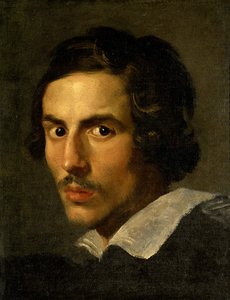
Джан Лоренцо Бернини
1598 - 1680 , Италия
Основные сведения
- Artistic Movement Or Style: Барокко
- Artists Or Movements Influenced By This Artist:
- Барокко скульптура
- Европейское искусство
- Artists Who Influenced This Artist:
- Пьетро Бернини
- Микеланджело
- Date Of Birth: 7 декабря 1598
- Date Of Death: 28 ноября 1680
- Full Name: Gian Lorenzo Bernini
- Nationality: Итальянец
- Notable Artworks:
- Святоотеческая радость
- Аполлон и Дафна
- Давид
- Фонтан Четырех рек
- Валлабольдино
- Place Of Birth: Неаполь, Италия
Похожие статьи

The Enduring Form: Sculpture Across History, Technique & Emotional Resonance
Explore the rich history of sculpture with ArtsDot. Discover key techniques, influential artists & investment potential for discerning collectors. Expert insights into valuing and collecting timeless masterpieces.
Gian Lorenzo Bernini: Sculpting Baroque Emotion & the Roman Imagination
Explore the life & revolutionary art of Gian Lorenzo Bernini, the master sculptor of the Baroque era. Discover his iconic works like David and Ecstasy of Saint Teresa – a journey into Roman artistic genius.
Theatricality & Triumph: Baroque Drama in Painting & Sculpture
Explore the dramatic world of Baroque art! Discover its history, defining characteristics, & lasting influence on painting & sculpture. Expert insights into Caravaggio, Zurbarán, and Bernini – plus high-quality reproductions at ArtsDot.

The Enduring Form: Exploring Themes & Techniques in Sculpture Across Historical Periods
Explore the rich history of sculpture from ancient masterpieces to contemporary innovations. Discover key techniques, influential artists & investment potential for discerning art collectors.

10 легендарных бронзовых скульптур, изменивших искусство навсегда | ArtsDot
Погрузитесь в мир великих бронзовых скульптур! От Давида Микеланджело до работ Родена – история искусства, техники и вдохновения. Купите репродукции шедевров для вашего интерьера на ArtsDot.com