

 Предпросмотр
 Поделиться
 Поделиться
 Детали произведения

 Скачать
 Похожие работы
 Рентгенография
 Слайд-шоу
 Статистика
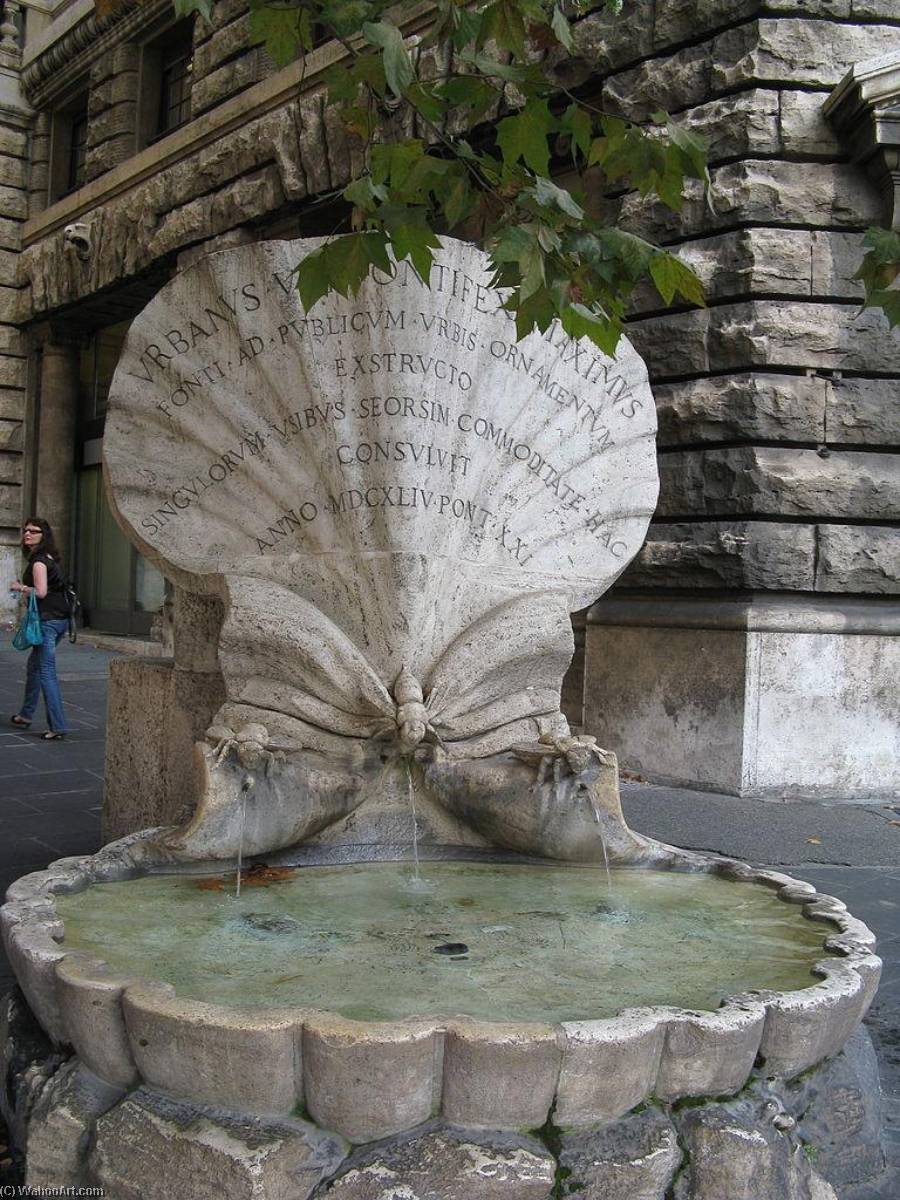
Fontana delle Api (Fountain of the Bees)


 Читать далее
Приобретите цифровое изображение высокого разрешения в улучшенном качестве, которое значительно превосходит онлайн-превью.
Каждый файл тщательно подготавливается нашими специалистами с использованием передовых инструментов и экспертной ручной ретуши. Мы гарантируем исключительную четкость, точную цветопередачу и детальную проработку каждого изображения.
Финальный файл доставляется по электронной почте в течение 72 часов и оптимизирован для немедленного использования в профессиональной среде, при верстке и печати. Это тот же уровень качества, которому доверяют ведущие дизайнерские студии, издательства и галереи.
Цифровое изображение
Скачайте файл высокого разрешения для личного использования, печати и творческих проектов. ( Перейти к печати Купить картину ручной работы)
Включено в каждый заказ цифровых изображений
Гарантия экспертной цифровой доставки
Выбирая ArtsDot.com, вы получаете не просто изображение — вы приобретаете профессионально обработанное цифровое произведение искусства, созданное с безупречной точностью и под защитой гарантии качества. Вот всё, что автоматически входит в ваш заказ:

Мгновенная доставка по e-mail
Ваш цифровой файл в высоком разрешении будет отправлен вам по электронной почте в течение 72 часов после оформления заказа — и сразу станет доступен для использования.

Цифровой файл с ИИ-улучшением
Ваше произведение искусства проходит профессиональную оптимизацию с использованием передовых инструментов ИИ и ручной обработки, что гарантирует максимальную детализацию, четкость и точность цветопередачи.

Бессрочная бесплатная повторная доставка
Случайно удалили или потеряли файл? Не беспокойтесь — мы отправим его вам повторно в любое время и совершенно бесплатно.

Без импортных пошлин — навсегда
Наслаждайтесь вашим произведением искусства мгновенно без таможенных пошлин, сборов или затрат на доставку — цифровые загрузки всегда не облагаются налогом.

Гарантия точности цветопередачи
Мы гарантируем, что ваше цифровое изображение максимально точно передает оригинальные цвета благодаря использованию профессиональных инструментов и систем управления цветом.

Гарантия удовлетворенности 100 дней
Если вы не будете удовлетворены своим цифровым изображением, мы внесем правки или вернем 100% стоимости в течение 100 дней — без лишних вопросов.

100% Гарантия возврата средств
Не удовлетворены покупкой? Получите полный возврат средств в течение 100 дней после получения цифрового файла — без лишних вопросов.

Скидки на оптовые заказы
Купите 3 изображения, сэкономьте 10% — Купите 5, сэкономьте 15% — Купите 10+, сэкономьте 20%. Отличное решение для творческих проектов, галерей и агентств.
The Enduring Grace of Roman Waterworks
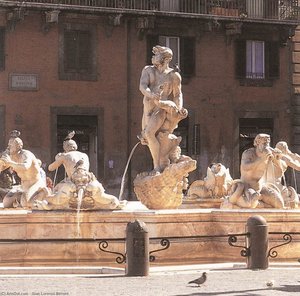
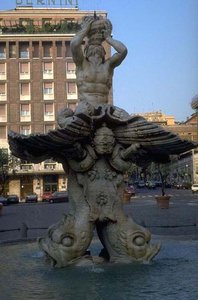
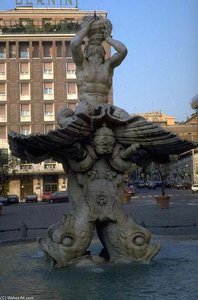
To stand before a fountain such as Fontana delle Api is to step directly into the vibrant heart of Baroque Rome. This piece is not merely a source of flowing water; it is a meticulously crafted tableau vivant, an embodiment of classical artistry meeting the dramatic flourish of the seventeenth century. The composition itself speaks volumes about Roman engineering and aesthetic ambition. Observe the central basin, its substantial stone form suggesting permanence against the ephemeral nature of the water it catches. It draws the eye downward, inviting contemplation into the cool depths below.
Bernini's Echo: Mastery in Stone and Flow
Though perhaps not a direct hand of Gian Lorenzo Bernini—whose genius defined this era so profoundly—this fountain echoes his spirit. The period places it firmly within the orbit of his monumental achievements, capturing that characteristic Baroque love for movement and drama. Notice the upper elements: those gracefully curved stone structures, reminiscent of stylized petals or unfurling leaves. They seem caught in a perpetual moment of blossoming, defying the static nature of carved stone. This interplay between rigid geometry and organic suggestion is the hallmark of High Roman art, suggesting life bursting forth from solid matter.
Symbolism Woven into the Plaque
The large, round plaque crowning the structure serves as both a historical marker and a philosophical anchor. Though the Latin inscriptions require expert deciphering, their very presence speaks to the intellectual weight of the monument. In Roman public art, such texts rarely offer mere dedication; they often encapsulate virtues, mythological narratives, or civic ideals. The fountain, therefore, becomes a nexus point—a place where earthly life (the flowing water) meets eternal contemplation (the inscribed wisdom). It is a visual sermon cast in travertine.
A Touch of Timeless Elegance for Modern Spaces
For the discerning collector or designer seeking to infuse a space with authentic historical gravitas, this reproduction offers unparalleled depth. Imagine its presence gracing an atrium, a grand foyer, or a sophisticated courtyard. The muted tones of the aged stone, combined with the implied sound of trickling water, create an immediate sense of tranquility and cultured history. It is art that demands to be experienced—to hear the imagined splash, to trace the cool lines of the carving, and to feel the weight of centuries of artistic patronage.
Похожие произведения
Биография художника
Gian Lorenzo Bernini: The Architect of Baroque Emotion
Gian Lorenzo Bernini, a name synonymous with the height of 17th-century artistry, was more than just a sculptor; he was a visionary architect, painter, and theatrical designer—a true *uomo universale* who fundamentally reshaped the aesthetic landscape of Rome. Born in Naples in 1598, his journey to becoming one of history’s most celebrated artists began within the workshop of his father, Pietro Bernini, a respected sculptor already known for his skill. This early immersion in the craft, combined with an intense study of classical antiquity and the artistic legacy of Michelangelo, laid the foundation for Bernini's revolutionary approach to art—one that prioritized emotional expression and dramatic narrative above all else.The Genesis of Baroque: Sculpting a New Language
Bernini’s genius truly blossomed under the patronage of Cardinal Maffeo Barberini, who later ascended to the papacy as Urban VIII. This relationship proved pivotal, providing Bernini with unprecedented opportunities to develop his distinctive style—a style that would become inextricably linked with the rise of the Baroque period. Unlike the idealized forms and serene beauty favored by Renaissance sculptors, Bernini sought to capture the raw energy of human experience. His works weren’t merely representations; they were visceral embodiments of emotion, imbued with a sense of movement, theatricality, and psychological depth. Consider *Apollo and Daphne*, where the transformation into a laurel tree is rendered not as a static event but as a dynamic struggle—the nymph's terror, Apollo’s pursuit, and the blossoming leaves all contributing to a single, breathtaking moment. Similarly, in *The Ecstasy of Saint Teresa*, Bernini masterfully manipulates light, texture, and gesture to create an experience that transcends mere representation, plunging the viewer directly into the saint’s mystical encounter.Beyond Stone: Architecture and Urban Transformation
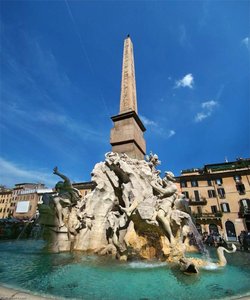
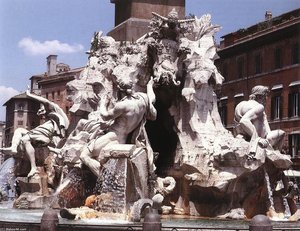
Bernini's artistic vision extended far beyond the confines of sculpture. He was a remarkably versatile architect who played a crucial role in transforming the cityscape of Rome. His designs weren’t isolated creations; they were integrated with his sculptural work, creating unified artistic experiences that blurred the boundaries between disciplines. The monumental Baldacchino above the high altar of St. Peter's Basilica stands as perhaps the most spectacular example of this holistic approach—a soaring bronze canopy that dominates the space and draws the eye upwards in awe. Beyond this grand masterpiece, Bernini designed numerous churches, chapels, and public spaces, each infused with his characteristic dynamism and theatrical flair. His redesign of Piazza Navona, culminating in the *Fountain of Four Rivers*, is a testament to his ability to create engaging urban environments—a vibrant spectacle that captivated visitors and redefined the concept of public space.The Influence of Patronage and Artistic Evolution
Bernini’s career was profoundly shaped by the patronage of powerful figures, most notably Cardinal Scipione Borghese and Pope Urban VIII. These patrons provided him with commissions that allowed him to experiment with new techniques and explore ambitious projects. Early works like *Aeneas, Anchises, and Ascanius Fleeing Troy* demonstrated a nascent interest in dramatic narrative, while later pieces such as *Pluto and Proserpina* showcased Bernini’s mastery of form and his ability to convey complex emotions through the interplay of figures. The influence of Michelangelo is undeniable—Bernini admired the Florentine master's anatomical precision and dynamic compositions, but he ultimately forged his own distinct style—one characterized by a heightened sense of emotional intensity and theatricality.A Lasting Legacy: Bernini’s Enduring Impact
Gian Lorenzo Bernini’s impact on Western art is immeasurable. He didn't simply imitate classical forms; he synthesized them with a new sense of dynamism and emotional intensity, creating something entirely original. His innovations in sculpture—particularly his use of *contrapposto* (a technique for creating dynamic poses) and his mastery of marble texture—established the Baroque style as a dominant force in European art for over a century. He influenced generations of artists with his dramatic compositions, technical virtuosity, and commitment to capturing the full spectrum of human emotion. As Howard Hibbard famously noted, Bernini’s influence was so profound that he stands as “the greatest sculptor of the 17th century.” His works continue to inspire awe and admiration, solidifying his place as one of history's most important artists—a true *uomo universale* whose legacy continues to resonate today.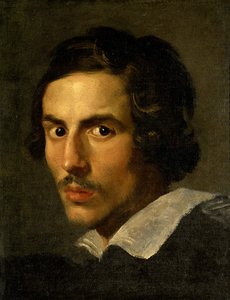
Джан Лоренцо Бернини
1598 - 1680 , Италия
Основные сведения
- Artistic Movement Or Style: Барокко
- Artists Or Movements Influenced By This Artist:
- Барокко скульптура
- Европейское искусство
- Artists Who Influenced This Artist:
- Пьетро Бернини
- Микеланджело
- Date Of Birth: 7 декабря 1598
- Date Of Death: 28 ноября 1680
- Full Name: Gian Lorenzo Bernini
- Nationality: Итальянец
- Notable Artworks:
- Святоотеческая радость
- Аполлон и Дафна
- Давид
- Фонтан Четырех рек
- Валлабольдино
- Place Of Birth: Неаполь, Италия