

 Предпросмотр
 Поделиться
 Поделиться
 Детали произведения

 Скачать
 Похожие работы
 Рентгенография
 Слайд-шоу
 Статистика
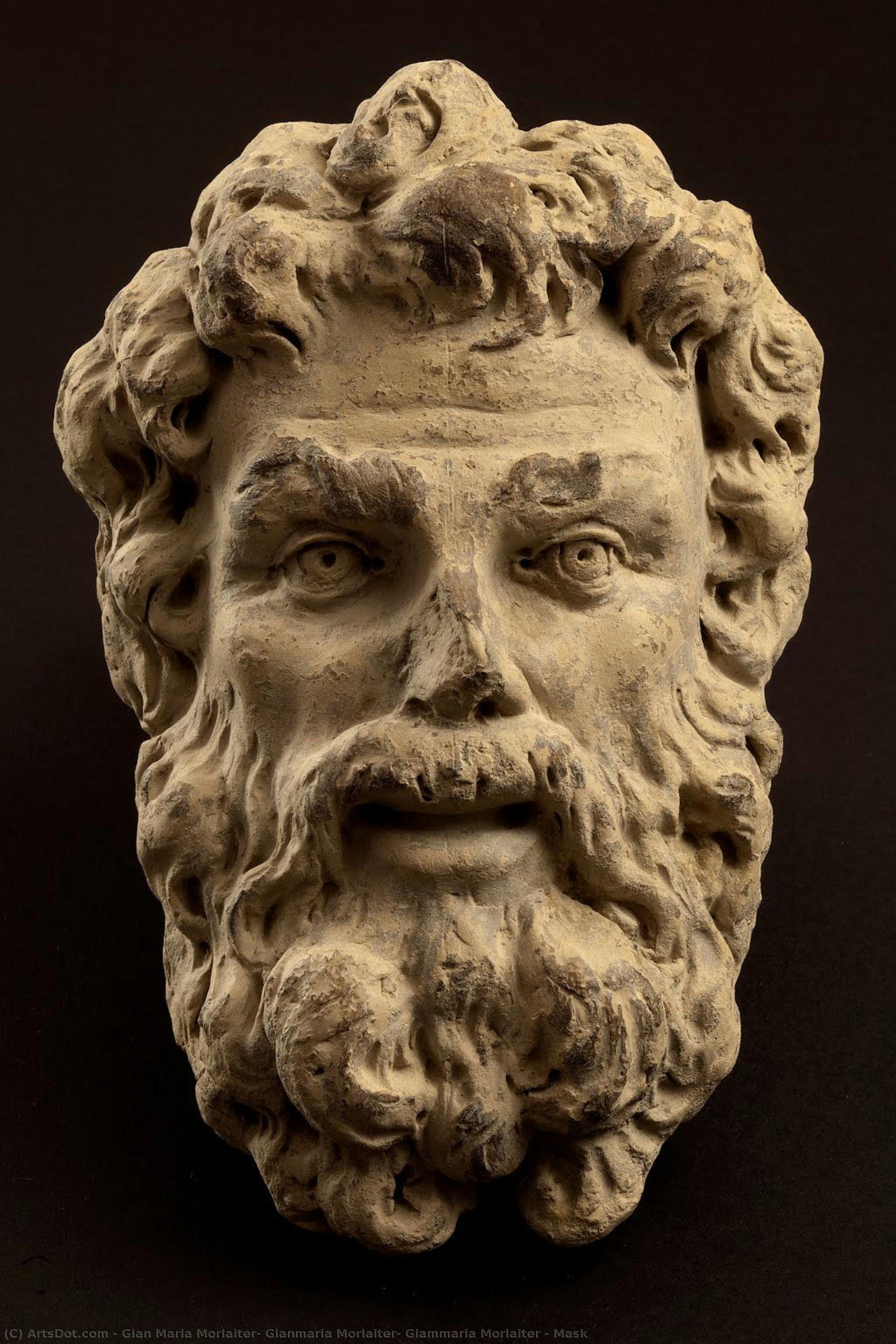
Mask

 Читать далее
Жикле / Арт-принт
Печать (жикле) или холст музейного качества с быстрыми сроками изготовления и широким выбором вариантов отделки. ( Купить картину ручной работы Перейти к цифровым изображениям)




































Выберите один из наших стандартных размеров, соответствующих оригинальным пропорциям произведения искусства.

Вы можете указать свои собственные размеры, чтобы репродукция идеально подошла под конкретную раму или пространство. Если выбранный вами размер не будет соответствовать пропорциям оригинала, мы либо обрежем произведение, либо дополним изображение зеркальным отражением краев или однотонной заливкой. Перед началом производства вам будет отправлен цифровой макет для утверждения.
Пожалуйста, обратите внимание, что предварительный просмотр на экране не отображает фактическую обрезку или расширение изображения. Только макет точно покажет финальную композицию.
Несмотря на возможность заказа индивидуальных размеров, мы рекомендуем выбирать размер из предопределенного списка, чтобы сохранить оригинальные пропорции.
Доставка по всему миру () за 2 недели вместо стандартных 4/5 недель. (12 Сентябрь)

Бесплатная экспресс-доставка по всему миру

Высококачественный льняной холст

Полное страхование доставки

Гарантия возмещения таможенных пошлин

Гарантия точного соответствия цветов

100-дневная политика возврата (только при обнаружении дефектов)

Гарантия возврата 100% средств

Предложение оптовых скидок
 Вариант со стеклом доступен только для размеров менее 110 см

Mask
Жикле / Арт-принт
Размер репродукции
-


Итоговая стоимость
$ 62
Похожие произведения







Биография художника
The Sculptor of Venetian Light and Motion
In the shimmering, watery labyrinth of eighteenth-century Venice, few artists captured the ephemeral grace of the Rococo era as profoundly as Giovanni Maria Morlaiter. Born in 1699 to a merchant family, Morlaiter emerged not merely as a craftsman, but as a master of movement, capable of breathing life into the static mediums of terracotta and marble. His artistic journey was deeply rooted in the prestigious workshops of his native city, shaped significantly by the mentorship of Alvise Tagliapietra. This early training provided him with more than just technical proficiency; it immersed him in a Venetian tradition where light, texture, and drama were paramount. As he matured, Morlaiter’s work began to transcend simple ornamentation, evolving into a sophisticated dialogue between the heavy grandeur of the late Baroque and the delicate, playful elegance of the Rococo.
The true brilliance of Morlaiter’s talent was most vividly realized within the sacred spaces of Venice, particularly in his monumental contributions to the Gesuati Church. This ambitious decorative project served as a stage for his most celebrated achievements, where he transformed stone and clay into celestial narratives. His ability to manipulate form allowed him to create figures that seemed caught in a moment of divine transition. From the Glory of Angels to the profound depictions of biblical patriarchs like Abraham and Moses, Morliter’s sculptures possess an "inexhaustible felicity of invention," as noted by contemporary scholars. His work in the Gesuati niches—featuring subjects such as Jesus and the Centurion and St. Peter walks on water—demonstrates a rhythmic dynamism that guides the viewer's eye through a continuous flow of spiritual energy.
A Legacy Carved in Grace
Beyond the confines of ecclesiastical commissions, Morlaiter’s influence extended into the intimate realms of devotional art and decorative sculpture. His mastery of terracotta, a medium that allows for incredible detail and tactile warmth, is evident in works such as the Madonna and Child, currently held in the prestigious collection of The Metropolitan Museum of Art. In these pieces, one can observe the characteristic Venetian drapery—ample, flowing, and heavy with emotion—which lends a sense of weight and reality to the sacred figures. This ability to balance the monumental with the delicate is what defines his unique position in art history; he could command the scale of a cathedral chapel while maintaining the tender intimacy required for a private devotional object.
As the eighteenth century progressed, Morlaiter’s style underwent a subtle but significant evolution. While his early works embraced the swirling, theatrical energy of the late Baroque, his later compositions began to lean toward a refined classicism. This transition mirrored the broader shifts in European taste, moving away from overwhelming complexity toward a more poised and structured aesthetic. Despite these stylistic shifts, the core of his artistry remained unchanged: a profound dedication to capturing the animate gesture and the play of light across textured surfaces. Today, Morlaiter is remembered not just as a sculptor of Venice, but as one of the most brilliant interpreters of the Rococo spirit, leaving behind a legacy of stone and clay that continues to pulse with the vibrant, living heart of a vanished era.

gian maria morlaiter, gianmaria morlaiter, giammaria morlaiter
1699 - 1781 , Italy
Основные сведения
- Artistic Movement Or Style: Rococo & Late Baroque
- Artists Or Movements Influenced By This Artist: ['Francesco Fontebasso']
- Artists Who Influenced This Artist: ['Sebastiano Ricci']
- Date Of Birth: Venice, Italy (1699)
- Date Of Death: 1781
- Full Name: Giovanni Maria Morlaiter
- Nationality: Italian
- Notable Artworks:
- Mask
- Santa Maria Materdomini
- Place Of Birth: Venice