

 Предпросмотр
 Поделиться
 Поделиться
 Детали произведения

 Скачать
 Похожие работы
 Рентгенография
 Слайд-шоу
 Статистика
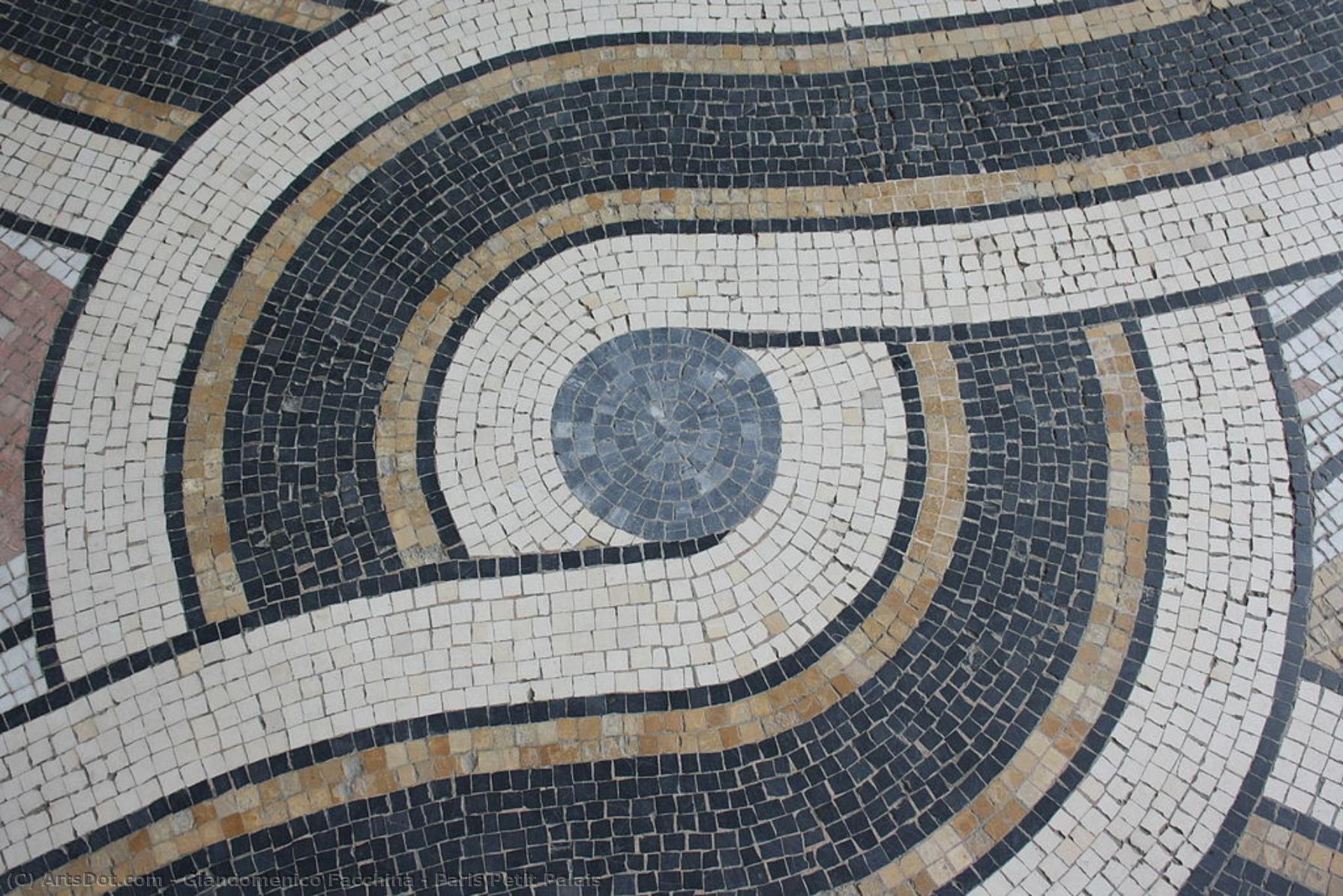
Paris Petit Palais
 Читать далее
Масляная репродукция ручной работы
Картина маслом на холсте в выбранном вами размере и раме, написанная на заказ нашими художниками. ( Перейти к печати Перейти к цифровым изображениям)




































Выберите один из наших стандартных размеров, соответствующих оригинальным пропорциям произведения искусства.

Вы можете указать собственные размеры, чтобы картина идеально вписалась в выбранную раму или пространство. Если выбранный вами размер не соответствует пропорциям оригинала, мы либо обрежем полотно, либо расширим его за счет дополнительных элементов, написанных вручную. Цифровой макет будет отправлен вам на утверждение перед началом производства.
Обратите внимание, что предварительный просмотр на экране не отражает фактическую обрезку или расширение. Только макет точно покажет окончательную композицию.
Хотя доступны индивидуальные размеры, мы рекомендуем выбирать вариант из предопределенного списка, чтобы сохранить исходные пропорции.
После оформления заказа команда ArtsDot.com свяжется с клиентом по электронной почте для уточнения деталей и предоставит предварительный макет
Доставка по всему миру () за 3–4 недели вместо стандартных 5 недель. (11 Сентябрь). Без компромиссов в качестве.

Бесплатная экспресс-доставка по всему миру

Высококачественный льняной холст

Полное страхование доставки

Гарантия возмещения таможенных пошлин

Гарантия точного соответствия цветов

100-дневная политика возврата (только при обнаружении дефектов)

Гарантия возврата 100% средств

Предложение оптовых скидок
 Вариант со стеклом доступен только для размеров менее 110 см

Paris Petit Palais
Техника репродукции
Размер репродукции
-


Итоговая стоимость
$ 263
Похожие произведения








Биография художника
A Legacy in Tesserae: The Life and Innovations of Giandomenico Facchina
Giandomenico Facchina, born in 1826 in the small Italian town of Sequals, nestled within what was then the Lombard-Venetian Kingdom, emerged as a pivotal figure in the world of mosaic art. His journey, spanning both Italy and France, wasn’t merely one of artistic creation but of profound technical innovation that democratized access to this ancient and revered medium. Facchina's early training in Trieste and Venice steeped him in the rich artistic traditions of those cities, laying a foundation for his future endeavors. However, it was through the meticulous work of restoration – specifically, his involvement with the iconic St Mark’s Basilica in Venice – that he truly began to understand the intricacies of mosaic construction, both historically and practically. This initial experience wasn't simply about preserving the past; it sparked within him a desire to reimagine how mosaics could be created and implemented in the present.Revolutionizing Mosaic Production: A Prefabricated Future
The mid-19th century found Facchina venturing into France, initially undertaking floor restorations in Montpellier. It was here that his groundbreaking ideas began to take shape. Recognizing the labor-intensive and time-consuming nature of traditional mosaic work, he sought a more efficient method. This led to the development of his patented technique – a revolutionary approach to mosaic creation centered around *prefabrication*. The core innovation lay in adhering tesserae, those tiny pieces of glass, stone or ceramic that form the image, onto flexible cardboard backing. Entire sections of mosaic could then be created in a workshop environment and transported for quick and efficient installation on freshly mortared walls. This wasn’t merely a streamlining of process; it was a fundamental shift in how mosaics were conceived and executed. The benefits were manifold: reduced on-site labor, lowered production costs making mosaics accessible to a wider clientele, and increased precision and control over the final artwork. The impact of this technique resonated throughout Europe, transforming architectural ornamentation.Triumph at Paris and Enduring Monuments
Facchina’s prefabricated mosaic technique garnered widespread acclaim following its showcase at the Exposition Universelle in 1855, held in Paris. This recognition opened doors to numerous prestigious commissions, solidifying his reputation as a master craftsman and innovator. Perhaps his most celebrated contribution was his work on the newly constructed Opéra Garnier in Paris – a testament to both his skill and ingenuity. The opulent interiors of this architectural masterpiece bear witness to Facchina’s artistry, showcasing the elegance and precision achievable through his innovative methods. Beyond the Opera Garnier, his influence is visible in other significant Parisian landmarks. The Collège Sainte-Barbe boasts stunning mosaics created by Facchina within its dining hall and arches, examples that continue to captivate viewers with their detailed execution. Similarly, the Galerie Vivienne showcases intricate mosaic floors designed by Facchina, embodying a classical elegance that endures to this day. These projects weren’t simply decorative additions; they were integral components of the architectural vision, brought to life through Facchina's unique approach.Artistic Influences and Lasting Significance
Facchina’s artistic development was deeply rooted in a reverence for historical techniques, particularly those he encountered during his restoration work at St Mark’s Basilica. The rich colors and intricate patterns of Byzantine mosaics served as a constant source of inspiration. However, he wasn't merely a copyist; he skillfully adapted these traditions to meet the demands of 19th-century architectural projects and client expectations. He blended historical artistry with modern efficiency, creating a unique aesthetic that was both timeless and contemporary. Giandomenico Facchina’s legacy extends far beyond his individual artworks. He fundamentally altered mosaic production, bridging the gap between traditional craftsmanship and industrial innovation. His prefabricated technique democratized access to this art form, making it feasible for large-scale decorative schemes previously considered unattainable. He continued working between studios in Venice and Paris until his death in 1903, leaving behind a lasting impact on architectural ornamentation throughout Europe – a testament to the power of artistic vision combined with technical ingenuity.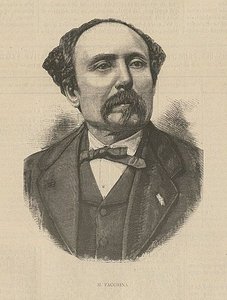
Giandomenico Facchina
1826 - 1903 , Italy
Основные сведения
- Artistic Movement Or Style: Mosaic Art
- Artists Or Movements Influenced By This Artist: ['Mosaic production techniques']
- Artists Who Influenced This Artist: ['Byzantine mosaicists']
- Date Of Birth: 1826
- Date Of Death: 1903
- Full Name: Giandomenico Facchina
- Nationality: Italian
- Notable Artworks:
- St Mark's Basilica restoration
- Opéra Garnier mosaics
- Collège Sainte-Barbe arch
- Galerie Vivienne floors
- Place Of Birth: Sequals, Italy