

 Предпросмотр
 Поделиться
 Поделиться
 Детали произведения

 Скачать
 Похожие работы
 Рентгенография
 Слайд-шоу
 Статистика
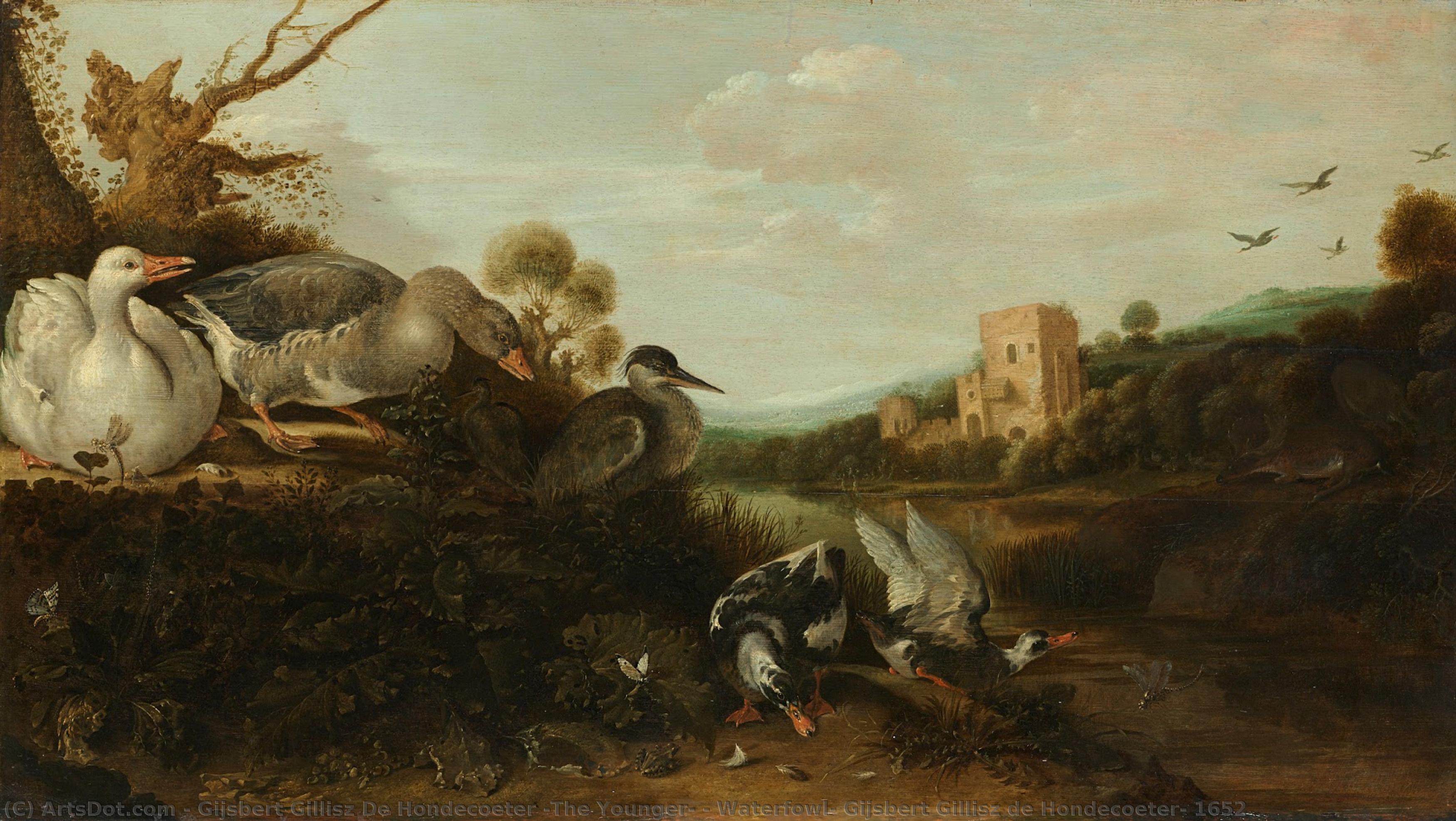
Waterfowl, Gijsbert Gillisz de Hondecoeter, 1652
 1652
1652 58.0 x 102.0 cm
 Читать далее
Приобретите цифровое изображение высокого разрешения в улучшенном качестве, которое значительно превосходит онлайн-превью.
Каждый файл тщательно подготавливается нашими специалистами с использованием передовых инструментов и экспертной ручной ретуши. Мы гарантируем исключительную четкость, точную цветопередачу и детальную проработку каждого изображения.
Финальный файл доставляется по электронной почте в течение 72 часов и оптимизирован для немедленного использования в профессиональной среде, при верстке и печати. Это тот же уровень качества, которому доверяют ведущие дизайнерские студии, издательства и галереи.
Цифровое изображение
Скачайте файл высокого разрешения для личного использования, печати и творческих проектов. ( Перейти к печати Купить картину ручной работы)
Включено в каждый заказ цифровых изображений
Гарантия экспертной цифровой доставки
Выбирая ArtsDot.com, вы получаете не просто изображение — вы приобретаете профессионально обработанное цифровое произведение искусства, созданное с безупречной точностью и под защитой гарантии качества. Вот всё, что автоматически входит в ваш заказ:

Мгновенная доставка по e-mail
Ваш цифровой файл в высоком разрешении будет отправлен вам по электронной почте в течение 72 часов после оформления заказа — и сразу станет доступен для использования.

Цифровой файл с ИИ-улучшением
Ваше произведение искусства проходит профессиональную оптимизацию с использованием передовых инструментов ИИ и ручной обработки, что гарантирует максимальную детализацию, четкость и точность цветопередачи.

Бессрочная бесплатная повторная доставка
Случайно удалили или потеряли файл? Не беспокойтесь — мы отправим его вам повторно в любое время и совершенно бесплатно.

Без импортных пошлин — навсегда
Наслаждайтесь вашим произведением искусства мгновенно без таможенных пошлин, сборов или затрат на доставку — цифровые загрузки всегда не облагаются налогом.

Гарантия точности цветопередачи
Мы гарантируем, что ваше цифровое изображение максимально точно передает оригинальные цвета благодаря использованию профессиональных инструментов и систем управления цветом.

Гарантия удовлетворенности 100 дней
Если вы не будете удовлетворены своим цифровым изображением, мы внесем правки или вернем 100% стоимости в течение 100 дней — без лишних вопросов.

100% Гарантия возврата средств
Не удовлетворены покупкой? Получите полный возврат средств в течение 100 дней после получения цифрового файла — без лишних вопросов.

Скидки на оптовые заказы
Купите 3 изображения, сэкономьте 10% — Купите 5, сэкономьте 15% — Купите 10+, сэкономьте 20%. Отличное решение для творческих проектов, галерей и агентств.
Похожие произведения








Биография художника
Gijsbert de Hondecoeter: A Dutch Master of Domestic Life
Gijsbert Gillisz de Hondecoeter (1603-1653) stands as a pivotal figure in the history of Dutch painting, renowned for his intimate and remarkably detailed depictions of poultry, domestic interiors, and scenes of everyday life. Born in Utrecht, Netherlands, into a family already steeped in artistic tradition – his father, Gillis Claesz de Hondecoeter, was himself a respected painter – Gijsbert followed in his father’s footsteps, honing his skills within the vibrant artistic environment of the Dutch Golden Age. Unlike many of his contemporaries who focused on grand historical or mythological subjects, Hondecoeter chose to capture the quiet beauty and subtle dramas of the domestic sphere, establishing him as a unique and enduring voice in 17th-century art.
His early training likely involved assisting his father, absorbing his techniques and understanding of light and shadow. However, Gijsbert quickly developed his own distinctive style, characterized by an almost obsessive attention to detail. He wasn’t merely painting animals or people; he was meticulously rendering every feather, every wrinkle, every expression, creating a sense of palpable realism that drew viewers into the scenes before them. This dedication extended beyond mere representation; Hondecoeter imbued his subjects with a remarkable sensitivity and empathy, capturing not just their appearance but also their personalities and moods.
The Poultry Painter
Hondecoeter’s fame rests largely on his extraordinary series of paintings depicting poultry – chickens, ducks, geese, turkeys, and pigeons. These works are far more than simple animal studies; they represent a profound exploration of form, texture, and behavior. He spent countless hours observing birds in their natural habitats, meticulously documenting their plumage, movements, and interactions. His paintings aren’t static portraits but dynamic vignettes, capturing the flurry of activity within a henhouse or the serene stillness of a flock gathered by a riverbank.
The “Fowl on a Riverbank” (1642) exemplifies this approach perfectly. The painting isn't just about showing birds; it’s about conveying their essence – their alertness, their grace, and their connection to the surrounding landscape. Similarly, his "Owner koopvrouw" (1638), depicting an elderly woman holding an egg, reveals a keen eye for capturing human emotion and the subtle details of everyday life. These works demonstrate Hondecoeter’s ability to elevate the mundane into something beautiful and meaningful.
Genre Scenes and Domestic Interiors
While his depictions of poultry are arguably his most celebrated achievements, Hondecoeter also produced a significant body of work focused on genre scenes – intimate portrayals of domestic life. These paintings often feature women engaged in everyday tasks: spinning wool, tending to children, preparing food, or simply relaxing with their families. These scenes aren’t idealized; they are honest and unvarnished depictions of the realities of 17th-century Dutch households.
His ability to capture the atmosphere of a room – the light streaming through a window, the arrangement of furniture, the expressions on the faces of his subjects – is particularly noteworthy. He masterfully used chiaroscuro (the contrast between light and dark) to create depth and drama, drawing the viewer’s eye to key elements within the composition. These scenes offer a valuable glimpse into the lives of ordinary people during this period.
Influence and Legacy
Hondecoeter's influence on subsequent generations of Dutch painters is considerable. His meticulous attention to detail and his ability to imbue everyday subjects with emotional resonance paved the way for artists like Judith Leyster and Rachel Ruysch, who similarly focused on domestic scenes and animal portraits. His work demonstrated that beauty could be found in the most unassuming corners of life.
Despite dying relatively young at the age of 50, Gijsbert de Hondecoeter left behind a remarkably rich and diverse body of work. His paintings continue to captivate viewers today with their exquisite detail, their emotional depth, and their enduring appeal. He remains a testament to the power of observation and the ability of art to illuminate the beauty and complexity of human experience.
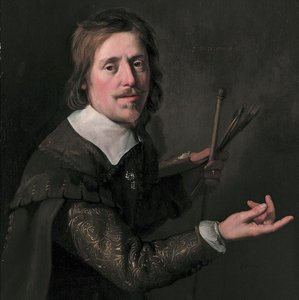
gijsbert gillisz de hondecoeter (the younger)
1603 - 1653 , Netherlands
Основные сведения
- Artistic Movement Or Style: Genre painting, Animal painting
- Artists Who Influenced This Artist: ['Gillis Claesz (father)']
- Date Of Birth: 1603
- Date Of Death: 1653
- Full Name: Gijsbert Gillisz de Hondecoeter (the Younger)
- Nationality: Dutch
- Notable Artworks:
- Diana & Callisto
- Fowl On A Riverbank
- Owner koopvrouw
- Place Of Birth: Utrecht, Netherlands