

 Предпросмотр
 Поделиться
 Поделиться
 Детали произведения

 Скачать
 Похожие работы
 Рентгенография
 Слайд-шоу
 Статистика
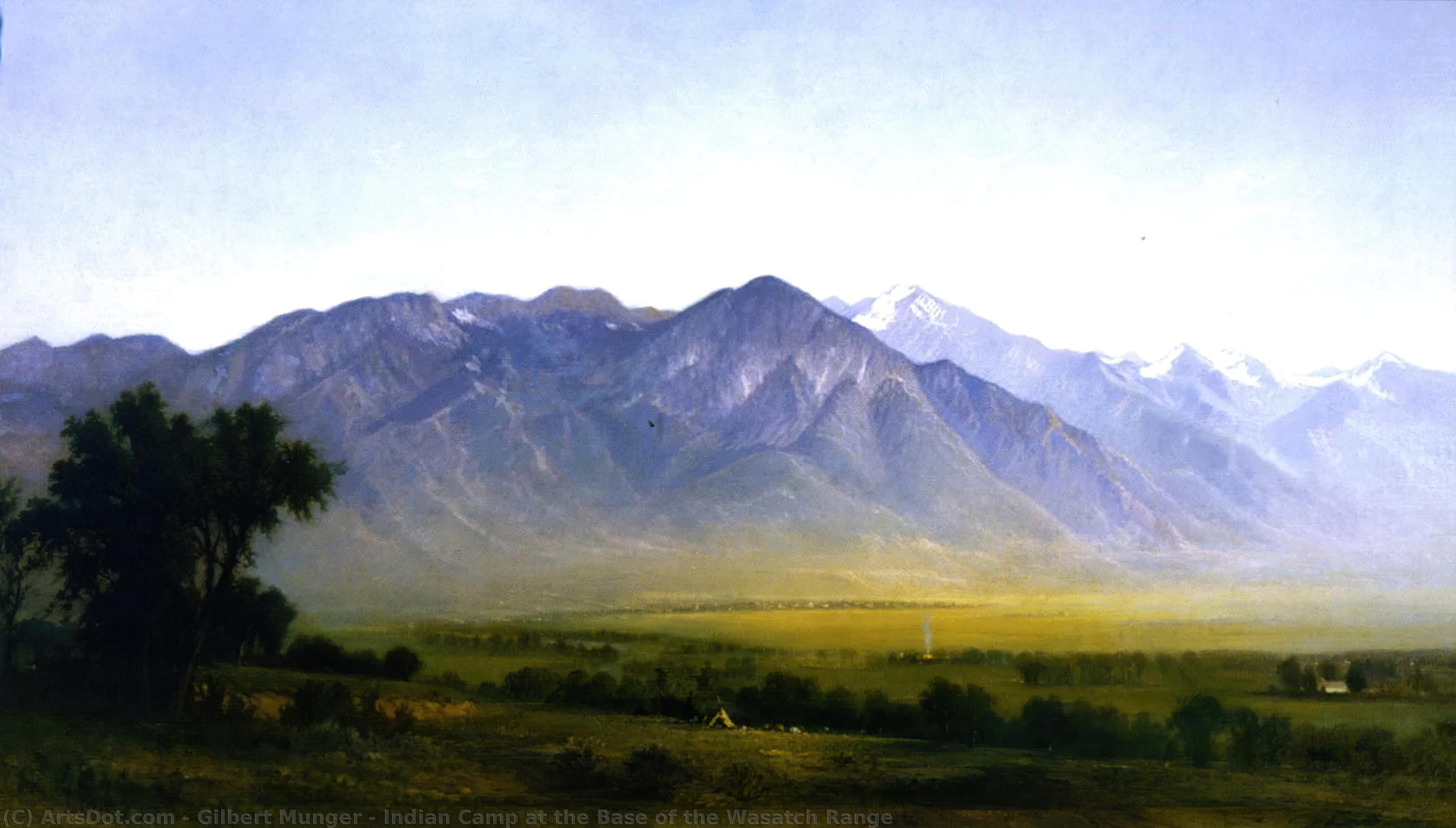
Indian Camp at the Base of the Wasatch Range


 Читать далее
Масляная репродукция ручной работы
Картина маслом на холсте в выбранном вами размере и раме, написанная на заказ нашими художниками. ( Перейти к печати Перейти к цифровым изображениям)




































Выберите один из наших стандартных размеров, соответствующих оригинальным пропорциям произведения искусства.

Вы можете указать собственные размеры, чтобы картина идеально вписалась в выбранную раму или пространство. Если выбранный вами размер не соответствует пропорциям оригинала, мы либо обрежем полотно, либо расширим его за счет дополнительных элементов, написанных вручную. Цифровой макет будет отправлен вам на утверждение перед началом производства.
Обратите внимание, что предварительный просмотр на экране не отражает фактическую обрезку или расширение. Только макет точно покажет окончательную композицию.
Хотя доступны индивидуальные размеры, мы рекомендуем выбирать вариант из предопределенного списка, чтобы сохранить исходные пропорции.
После оформления заказа команда ArtsDot.com свяжется с клиентом по электронной почте для уточнения деталей и предоставит предварительный макет
Доставка по всему миру () за 3–4 недели вместо стандартных 5 недель. (10 Сентябрь). Без компромиссов в качестве.

Бесплатная экспресс-доставка по всему миру

Высококачественный льняной холст

Полное страхование доставки

Гарантия возмещения таможенных пошлин

Гарантия точного соответствия цветов

100-дневная политика возврата (только при обнаружении дефектов)

Гарантия возврата 100% средств

Предложение оптовых скидок
 Вариант со стеклом доступен только для размеров менее 110 см

Indian Camp at the Base of the Wasatch Range
Техника репродукции
Размер репродукции
-


Итоговая стоимость
$ 263
The Painting's Composition
The painting features a breathtaking landscape with majestic mountains in the background, their snow-capped peaks reaching towards the sky. The sky above appears clear and blue, adding to the serene atmosphere of the scene. In the foreground, a lush green field stretches out, where several cows are peacefully grazing. There are at least 12 cows scattered throughout the scene, some closer to the viewer while others are further away in the distance.Artistic Significance
The painting captures the essence of nature with its vibrant colors and serene atmosphere. The combination of the majestic mountains, lush green field, and grazing cattle creates a harmonious and picturesque scene that showcases the beauty of the landscape. Munger's use of oil on canvas brings depth and texture to the painting, making it feel almost lifelike.Artist Background
Gilbert Munger was an American artist known for his landscapes, often depicting scenes from the American West. His work is characterized by its attention to detail and ability to capture the natural beauty of the environment.Relevance in Art History
Munger's Indian Camp at the Base of the Wasatch Range is a significant piece in the context of American art history. It reflects the artist's fascination with the untouched landscapes of the West and his ability to capture their beauty on canvas.Conclusion
Gilbert Munger's Indian Camp at the Base of the Wasatch Range is a masterpiece that showcases the serene beauty of nature. The painting's composition, artistic significance, and relevance in art history make it a valuable piece for art enthusiasts and collectors alike. For those interested in exploring more artworks by renowned artists, visit Gilbert Munger: Indian Camp at the Base of the Wasatch Range on ArtsDot. Additionally, discover other masterpieces like Pierre-Auguste Renoir's Sleeping woman and Camille Pissarro's Vegetable Garden at the Hermitage near Pontoise on our platform.- Pierre-Auguste Renoir: Sleeping woman
- Camille Pissarro: Vegetable Garden at the Hermitage near Pontoise
- Pierre-Auguste Renoir: Near the Lake, Art Institute of Chicago
Discover the art collection at Somerville College, Oxford, United Kingdom, which houses numerous masterpieces from renowned artists. Read more about it on ArtsDot: Discovering the Artworks of Somerville College, Oxford, United Kingdom.
Похожие произведения
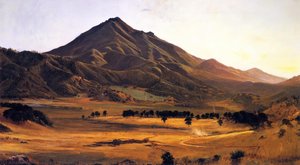
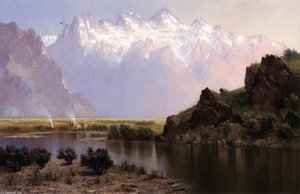
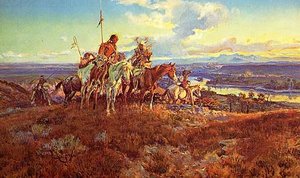
Биография художника
Gilbert Munger: Quest for Distinction
Gilbert Davis Munger (April 14, 1837 – January 27, 1903) emerged from Connecticut’s Madison County as a child captivated by artistic pursuits. Born to Sherman and Lucretia Benton Munger—the last of five children—his family recognized his innate talent and fostered it through an apprenticeship with William H. Dougal, senior engraver at the Smithsonian Institution at just thirteen years old. This formative experience instilled in him not only technical proficiency but also a profound appreciation for meticulous observation—skills that would define his artistic vision throughout his life. Notably, Munger’s distant cousin was George Munger, another artist who explored similar themes of landscape and scientific inquiry. Early influences included the luminism championed by John Ruskin and the pioneering painters of the Hudson River School, whose emphasis on atmospheric light and tonal gradation profoundly shaped Munger's artistic sensibilities.Early Life and Artistic Training
Gilbert Davis Munger’s childhood in Madison County instilled within him a lifelong passion for art. Recognizing his exceptional talent at a young age, Sherman and Lucretia Benton Munger diligently supported his artistic ambitions by arranging for an apprenticeship with William H. Dougal, senior engraver at the Smithsonian Institution—a pivotal step that would shape his artistic trajectory. This experience wasn’t merely about mastering engraving techniques; it fostered a deep understanding of visual precision and careful rendering—qualities that would permeate Munger's entire oeuvre. Furthermore, his familial connection to George Munger—another artist pursuing similar explorations of landscape and scientific observation—provided him with an additional source of inspiration.Engraving Commissions and Scientific Observation
Munger’s professional career began with engraving commissions for government reports documenting geological expeditions led by Clarence King—a role that demanded both technical skill and intellectual curiosity. He meticulously reproduced illustrations of animals, plants, and rock formations, reflecting the burgeoning field of geology and demonstrating a commitment to representing nature with unwavering fidelity. His work for the Smithsonian Institution showcased his engraving prowess while deepening his grasp of scientific concepts—particularly those championed by Louis Agassiz—solidifying his reputation as an artist attuned to both aesthetic beauty and scientific inquiry. Collaborations with Clarence King’s Geological Survey were instrumental in shaping Munger's artistic vision, fostering a unique blend of observational accuracy and expressive artistry.The Hudson River School Influence and Early Landscapes
Gilbert Munger’s artistic style was decisively influenced by the Hudson River School—a movement characterized by its romantic idealism and masterful depiction of American landscapes bathed in luminous light. Artists like John Ruskin served as inspiration for Munger who studied their techniques—particularly their use of tonal gradation to convey mood and atmosphere. Ruskin's advocacy for tonal harmony encouraged Munger to prioritize emotional resonance alongside visual realism, resulting in paintings that capture the grandeur of the American wilderness with profound sensitivity. The Hudson River School painters established a precedent for conveying sublime beauty through atmospheric perspective and luminous color palettes—a stylistic approach that profoundly impacted Munger’s artistic development.Western Landscapes and Recognition
Gilbert Munger achieved lasting fame as a landscape painter, particularly during Clarence King's Fortieth Parallel Survey—an ambitious undertaking aimed at mapping the unexplored territories of the American West. Collaborating closely with photographer Timothy H. O’Sullivan, he captured iconic vistas such as Yosemite Valley and Donner Pass—producing breathtaking chromolithographs that disseminated images of these landscapes across America and Europe. His meticulous attention to geological formations and his ability to convey their majesty cemented Munger's position among the foremost landscape painters of his generation. Ten of his survey paintings gained widespread acclaim, establishing him as a pioneer of Western art and securing his place in the annals of American artistic history.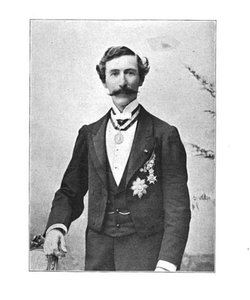
Гилберт Мэнджер
1837 - 1903 , Соединенные Штаты Америки
Основные сведения
- Artistic Movement Or Style: Художественная школа Хадсона
- Artists Or Movements Influenced By This Artist: ['Альберт Бьерштадт']
- Artists Who Influenced This Artist:
- Джон Рускин
- Уильям Х. Доугал
- Date Of Birth: Апрель 14, 1837
- Date Of Death: Янв. 27, 1903
- Full Name: Gilbert Davis Munger
- Nationality: Американский
- Notable Artworks: ['Ниагарский водопад с радугой']
- Place Of Birth: Мэдисон, США
Похожие статьи

Benjamin West: Transatlantic Ambition & Shaping American Art
Explore the life & legacy of Benjamin West, pioneering American artist and Royal Academy president. Discover his Neoclassical masterpieces, transatlantic influence, and lasting impact on art history. Learn more at ArtsDot.

Evocations of Place: A Historical Journey Through Landscape Art
Explore the rich history of landscape art with ArtsDot. Discover renowned artists, movements like Impressionism & Romanticism, and expert guidance for collecting timeless pieces. Find your perfect serene escape today!

Grant Wood & American Regionalism: Identity, Myth & the Rural Landscape
Explore the world of Grant Wood & American Regionalism with ArtsDot. Discover the symbolism behind 'American Gothic', recurring themes, and the movement's lasting impact on art history. High-quality reproductions available.
Charles Marion Russell: Capturing the American West Through a Romantic Lens
Explore the captivating world of Charles Marion Russell, 'the cowboy artist.' Discover his life, iconic paintings, advocacy for Native Americans, and investment potential. A guide for discerning art collectors.
Albert Bierstadt: Luminosity, Landscape & the American Ideal
Explore the breathtaking landscapes of Albert Bierstadt, master of the American West & a leading figure in the Hudson River School. Discover his luminous style and iconic paintings – a timeless investment for art lovers.