

 Предпросмотр
 Поделиться
 Поделиться
 Детали произведения

 Скачать
 Похожие работы
 Рентгенография
 Слайд-шоу
 Статистика
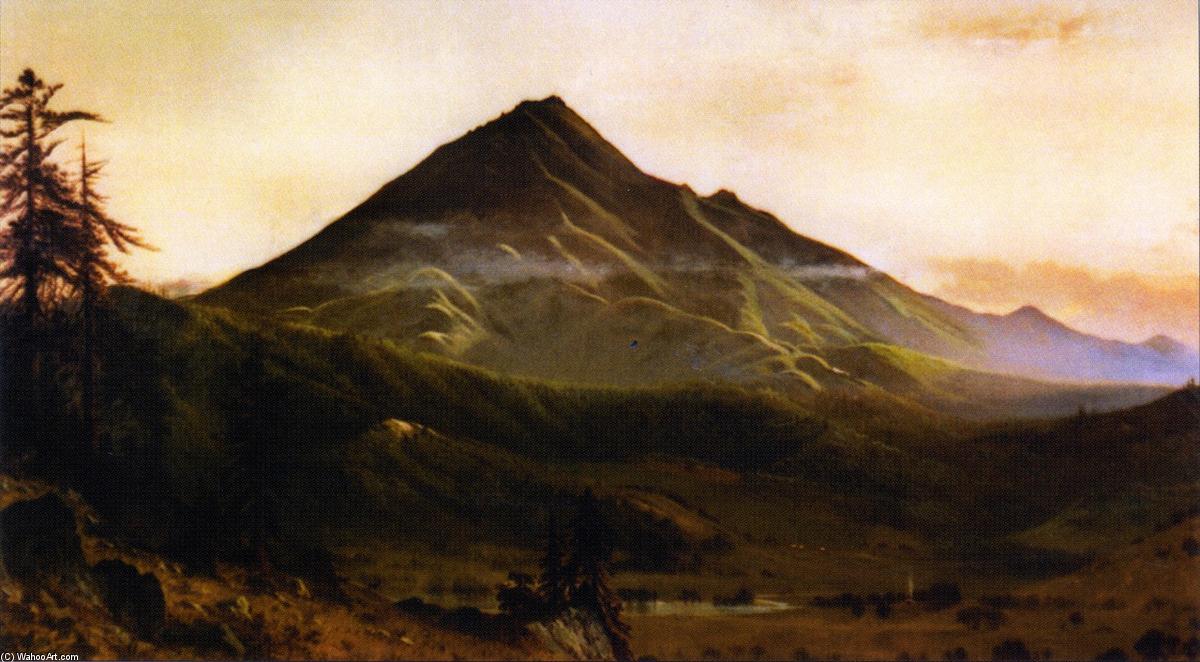
Mount Tamalpais from San Rafael


 Читать далее
Масляная репродукция ручной работы
Картина маслом на холсте в выбранном вами размере и раме, написанная на заказ нашими художниками. ( Перейти к печати Перейти к цифровым изображениям)




































Выберите один из наших стандартных размеров, соответствующих оригинальным пропорциям произведения искусства.

Вы можете указать собственные размеры, чтобы картина идеально вписалась в выбранную раму или пространство. Если выбранный вами размер не соответствует пропорциям оригинала, мы либо обрежем полотно, либо расширим его за счет дополнительных элементов, написанных вручную. Цифровой макет будет отправлен вам на утверждение перед началом производства.
Обратите внимание, что предварительный просмотр на экране не отражает фактическую обрезку или расширение. Только макет точно покажет окончательную композицию.
Хотя доступны индивидуальные размеры, мы рекомендуем выбирать вариант из предопределенного списка, чтобы сохранить исходные пропорции.
После оформления заказа команда ArtsDot.com свяжется с клиентом по электронной почте для уточнения деталей и предоставит предварительный макет
Доставка по всему миру () за 3–4 недели вместо стандартных 5 недель. (10 Сентябрь). Без компромиссов в качестве.

Бесплатная экспресс-доставка по всему миру

Высококачественный льняной холст

Полное страхование доставки

Гарантия возмещения таможенных пошлин

Гарантия точного соответствия цветов

100-дневная политика возврата (только при обнаружении дефектов)

Гарантия возврата 100% средств

Предложение оптовых скидок
 Вариант со стеклом доступен только для размеров менее 110 см

Mount Tamalpais from San Rafael
Техника репродукции
Размер репродукции
-


Итоговая стоимость
$ 263
A Majestic Vista: "Mount Tamalpais from San Rafael" by Gilbert Munger
Step into a world of serene grandeur with Gilbert Munger’s captivating landscape, “Mount Tamalpais from San Rafael.” Painted in 1870, this oil on canvas masterpiece transports viewers to the heart of the American West, offering a glimpse of its unspoiled beauty and evoking a profound sense of tranquility. The painting depicts Mount Tamalpais rising majestically against a hazy sky, showcasing Munger’s skill in capturing both the romantic allure and topographical accuracy that defined his artistic style. This work is more than just a scenic view; it's a window into a pivotal moment in American history when the West was being explored and celebrated.Romantic Realism & Atmospheric Perspective
Munger’s approach to landscape painting firmly places him within the Romantic tradition, yet with a keen eye for detail that borders on realism. He masterfully employs atmospheric perspective – a technique where distant objects appear fainter and bluer due to the scattering of light in the atmosphere – to create an incredible sense of depth. Notice how the layers of valleys and forested slopes recede into the distance, drawing your gaze towards the imposing mountain peak. The loose, expressive brushstrokes contribute significantly to the painting’s overall mood, conveying a feeling of vastness and solitude. The soft, diffused lighting, reminiscent of early morning or late afternoon, further enhances the scene's peaceful atmosphere. Key elements include:- Oil on Canvas: Demonstrating Munger's preference for rich color and texture.
- Atmospheric Perspective: Creating a convincing illusion of depth and distance.
- Loose Brushwork: Contributing to the painting’s expressive quality.
Historical Context & The American West
Painted during a period of rapid westward expansion in the United States, “Mount Tamalpais from San Rafael” served as an important visual document for audiences back east. Gilbert Munger's landscapes helped introduce the newly opened West to the American public, showcasing its dramatic scenery and inspiring a sense of adventure and exploration. His work coincided with a growing appreciation for wilderness and the sublime power of nature, reflecting broader cultural shifts in 19th-century America. As someone who began his career producing engravings for scientific reports, Munger brought a unique blend of artistic skill and observational accuracy to his landscapes.Symbolism & Emotional Resonance
Beyond its aesthetic appeal, the painting carries symbolic weight. Mountains have long been associated with strength, resilience, and spiritual aspiration. Mount Tamalpais itself, a prominent landmark in California, represents a connection to the land and perhaps even a sense of the divine. The muted color palette – dominated by greens, browns, and blues – evokes feelings of peace, contemplation, and awe. The overall emotional impact is one of quiet grandeur; an invitation to pause, reflect, and appreciate the enduring beauty of the natural world. This piece offers a timeless escape, ideal for bringing a touch of serenity and artistic sophistication to any space.Похожие произведения
Биография художника
Gilbert Munger: Quest for Distinction
Gilbert Davis Munger (April 14, 1837 – January 27, 1903) emerged from Connecticut’s Madison County as a child captivated by artistic pursuits. Born to Sherman and Lucretia Benton Munger—the last of five children—his family recognized his innate talent and fostered it through an apprenticeship with William H. Dougal, senior engraver at the Smithsonian Institution at just thirteen years old. This formative experience instilled in him not only technical proficiency but also a profound appreciation for meticulous observation—skills that would define his artistic vision throughout his life. Notably, Munger’s distant cousin was George Munger, another artist who explored similar themes of landscape and scientific inquiry. Early influences included the luminism championed by John Ruskin and the pioneering painters of the Hudson River School, whose emphasis on atmospheric light and tonal gradation profoundly shaped Munger's artistic sensibilities.Early Life and Artistic Training
Gilbert Davis Munger’s childhood in Madison County instilled within him a lifelong passion for art. Recognizing his exceptional talent at a young age, Sherman and Lucretia Benton Munger diligently supported his artistic ambitions by arranging for an apprenticeship with William H. Dougal, senior engraver at the Smithsonian Institution—a pivotal step that would shape his artistic trajectory. This experience wasn’t merely about mastering engraving techniques; it fostered a deep understanding of visual precision and careful rendering—qualities that would permeate Munger's entire oeuvre. Furthermore, his familial connection to George Munger—another artist pursuing similar explorations of landscape and scientific observation—provided him with an additional source of inspiration.Engraving Commissions and Scientific Observation
Munger’s professional career began with engraving commissions for government reports documenting geological expeditions led by Clarence King—a role that demanded both technical skill and intellectual curiosity. He meticulously reproduced illustrations of animals, plants, and rock formations, reflecting the burgeoning field of geology and demonstrating a commitment to representing nature with unwavering fidelity. His work for the Smithsonian Institution showcased his engraving prowess while deepening his grasp of scientific concepts—particularly those championed by Louis Agassiz—solidifying his reputation as an artist attuned to both aesthetic beauty and scientific inquiry. Collaborations with Clarence King’s Geological Survey were instrumental in shaping Munger's artistic vision, fostering a unique blend of observational accuracy and expressive artistry.The Hudson River School Influence and Early Landscapes
Gilbert Munger’s artistic style was decisively influenced by the Hudson River School—a movement characterized by its romantic idealism and masterful depiction of American landscapes bathed in luminous light. Artists like John Ruskin served as inspiration for Munger who studied their techniques—particularly their use of tonal gradation to convey mood and atmosphere. Ruskin's advocacy for tonal harmony encouraged Munger to prioritize emotional resonance alongside visual realism, resulting in paintings that capture the grandeur of the American wilderness with profound sensitivity. The Hudson River School painters established a precedent for conveying sublime beauty through atmospheric perspective and luminous color palettes—a stylistic approach that profoundly impacted Munger’s artistic development.Western Landscapes and Recognition
Gilbert Munger achieved lasting fame as a landscape painter, particularly during Clarence King's Fortieth Parallel Survey—an ambitious undertaking aimed at mapping the unexplored territories of the American West. Collaborating closely with photographer Timothy H. O’Sullivan, he captured iconic vistas such as Yosemite Valley and Donner Pass—producing breathtaking chromolithographs that disseminated images of these landscapes across America and Europe. His meticulous attention to geological formations and his ability to convey their majesty cemented Munger's position among the foremost landscape painters of his generation. Ten of his survey paintings gained widespread acclaim, establishing him as a pioneer of Western art and securing his place in the annals of American artistic history.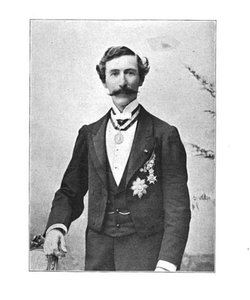
Гилберт Мэнджер
1837 - 1903 , Соединенные Штаты Америки
Основные сведения
- Artistic Movement Or Style: Художественная школа Хадсона
- Artists Or Movements Influenced By This Artist: ['Альберт Бьерштадт']
- Artists Who Influenced This Artist:
- Джон Рускин
- Уильям Х. Доугал
- Date Of Birth: Апрель 14, 1837
- Date Of Death: Янв. 27, 1903
- Full Name: Gilbert Davis Munger
- Nationality: Американский
- Notable Artworks: ['Ниагарский водопад с радугой']
- Place Of Birth: Мэдисон, США
Похожие статьи

Evocations of Place: A Historical Journey Through Landscape Art
Explore the rich history of landscape art with ArtsDot. Discover renowned artists, movements like Impressionism & Romanticism, and expert guidance for collecting timeless pieces. Find your perfect serene escape today!

Топ-25 шедевров Кацусики Хокусая: Искусство Японии для вашего интерьера
Погрузитесь в мир гения Кацусики Хокусая! 25 легендарных гравюр укиё-э, включая "Великую волну". История искусства Японии и вдохновение для вашего интерьера. Репродукции высокого качества на ArtsDot.com.
Grant Wood & American Regionalism: Identity, Myth & the Rural Landscape
Explore the world of Grant Wood & American Regionalism with ArtsDot. Discover the symbolism behind 'American Gothic', recurring themes, and the movement's lasting impact on art history. High-quality reproductions available.

Benjamin West: Transatlantic Ambition & Shaping American Art
Explore the life & legacy of Benjamin West, pioneering American artist and Royal Academy president. Discover his Neoclassical masterpieces, transatlantic influence, and lasting impact on art history. Learn more at ArtsDot.
Albert Bierstadt: Luminosity, Landscape & the American Ideal
Explore the breathtaking landscapes of Albert Bierstadt, master of the American West & a leading figure in the Hudson River School. Discover his luminous style and iconic paintings – a timeless investment for art lovers.