

 Предпросмотр
 Поделиться
 Поделиться
 Детали произведения

 Скачать
 Похожие работы
 Рентгенография
 Слайд-шоу
 Статистика
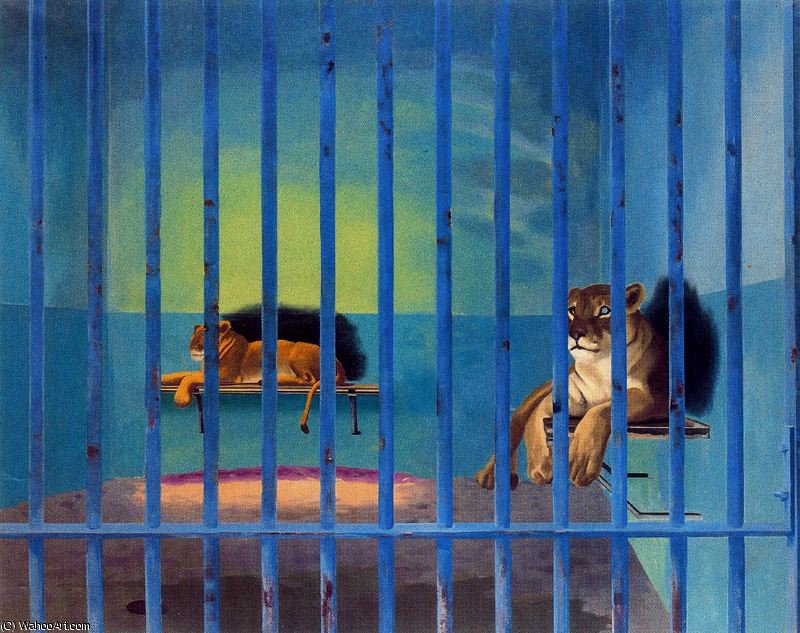
Untitled (234)
 Читать далее
Приобретите цифровое изображение высокого разрешения в улучшенном качестве, которое значительно превосходит онлайн-превью.
Каждый файл тщательно подготавливается нашими специалистами с использованием передовых инструментов и экспертной ручной ретуши. Мы гарантируем исключительную четкость, точную цветопередачу и детальную проработку каждого изображения.
Финальный файл доставляется по электронной почте в течение 72 часов и оптимизирован для немедленного использования в профессиональной среде, при верстке и печати. Это тот же уровень качества, которому доверяют ведущие дизайнерские студии, издательства и галереи.
Цифровое изображение
Скачайте файл высокого разрешения для личного использования, печати и творческих проектов. ( Перейти к печати Купить картину ручной работы)
Включено в каждый заказ цифровых изображений
Гарантия экспертной цифровой доставки
Выбирая ArtsDot.com, вы получаете не просто изображение — вы приобретаете профессионально обработанное цифровое произведение искусства, созданное с безупречной точностью и под защитой гарантии качества. Вот всё, что автоматически входит в ваш заказ:

Мгновенная доставка по e-mail
Ваш цифровой файл в высоком разрешении будет отправлен вам по электронной почте в течение 72 часов после оформления заказа — и сразу станет доступен для использования.

Цифровой файл с ИИ-улучшением
Ваше произведение искусства проходит профессиональную оптимизацию с использованием передовых инструментов ИИ и ручной обработки, что гарантирует максимальную детализацию, четкость и точность цветопередачи.

Бессрочная бесплатная повторная доставка
Случайно удалили или потеряли файл? Не беспокойтесь — мы отправим его вам повторно в любое время и совершенно бесплатно.

Без импортных пошлин — навсегда
Наслаждайтесь вашим произведением искусства мгновенно без таможенных пошлин, сборов или затрат на доставку — цифровые загрузки всегда не облагаются налогом.

Гарантия точности цветопередачи
Мы гарантируем, что ваше цифровое изображение максимально точно передает оригинальные цвета благодаря использованию профессиональных инструментов и систем управления цветом.

Гарантия удовлетворенности 100 дней
Если вы не будете удовлетворены своим цифровым изображением, мы внесем правки или вернем 100% стоимости в течение 100 дней — без лишних вопросов.

100% Гарантия возврата средств
Не удовлетворены покупкой? Получите полный возврат средств в течение 100 дней после получения цифрового файла — без лишних вопросов.

Скидки на оптовые заказы
Купите 3 изображения, сэкономьте 10% — Купите 5, сэкономьте 15% — Купите 10+, сэкономьте 20%. Отличное решение для творческих проектов, галерей и агентств.
Похожие произведения



Биография художника
Andrew Warhola: A Pop Icon’s Transformation
Born Andrew Warhola Jr. on August 6, 1928, in Pittsburgh, Pennsylvania, Andy Warhol emerged from a family of Slovakian immigrants—a lineage that would subtly inform his later artistic explorations of identity and heritage. Initially pursuing a path as a commercial illustrator, Warhol’s early career was marked by success within the advertising world, illustrating for prominent brands like Tiffany & Co., *The New York Times*, and I. Miller Shoes. However, it wasn't until the mid-1960s that he truly exploded onto the art scene, transforming himself into a singular figure synonymous with Pop Art and a cultural phenomenon. His journey from commercial artist to celebrated icon was fueled by an audacious embrace of celebrity culture, mass media, and the burgeoning consumerist landscape of post-war America.
Warhol’s artistic development wasn't linear; it involved a fascinating interplay between his early illustrative skills and a deliberate rejection of traditional art conventions. He began experimenting with silkscreen printing, a technique he mastered and elevated to an entirely new level. This method allowed him to replicate images—often photographs of celebrities like Marilyn Monroe, Elvis Presley, and Jackie Kennedy—with astonishing precision, creating a sense of both familiarity and detachment. Crucially, Warhol didn’t simply reproduce these images; he manipulated them through repetition, color variations, and the incorporation of text, challenging viewers to reconsider their relationship with mass-produced imagery and the nature of art itself. His early works, such as *Campbell's Soup Cans* (1962) and *Marilyn Diptych* (1967), became instantly iconic, sparking debate about the definition of art and its role in society.
The Factory: A Creative Ecosystem
Beyond his studio practice, Warhol cultivated a unique environment known as “The Factory,” located in New York City. This space served as a hub for artists, musicians, filmmakers, socialites, and other creative figures—a vibrant melting pot of personalities where ideas were exchanged, collaborations flourished, and the boundaries between art and life blurred. The Factory wasn’t merely a studio; it was a performance space, a social experiment, and a reflection of Warhol's own fascination with celebrity and spectacle. Figures like Lou Reed, Nico, Paul Morrissey, and Edie Sedgwick frequented the Factory, contributing to Warhol’s films, music projects, and overall artistic output.
Warhol’s approach to filmmaking was equally groundbreaking. He directed experimental films such as *Chelsea Girls* (1966), a provocative exploration of New York's underground scene, and *I, A Man* (1967), a series of short portraits that challenged conventional notions of identity and representation. His most ambitious project, *Exploding Plastic Inevitable* (1969), was a multimedia performance event that combined film, music, dance, and visual art—a truly immersive experience that foreshadowed the rise of video art and performance-based installations.
Influences and Legacy
Warhol’s artistic vision drew inspiration from a diverse range of sources. His early exposure to commercial illustration instilled in him an understanding of mass production techniques, which he later applied to his own work. He was also deeply influenced by Marcel Duchamp's conceptual art, as well as the works of artists like Roy Lichtenstein and Jasper Johns, who explored themes of popular culture and everyday objects. Furthermore, Warhol’s interest in European avant-garde movements—particularly Surrealism and Dadaism—contributed to his playful manipulation of imagery and his rejection of traditional artistic conventions.
Andy Warhol's impact on the art world is undeniable. He fundamentally shifted the way artists approached their work, embracing repetition, appropriation, and the blurring of boundaries between high and low culture. His influence can be seen in countless contemporary artists who continue to explore themes of celebrity, consumerism, and mass media. He died on February 22, 1987, in New York City, leaving behind a legacy as one of the most innovative and influential figures in modern art—a true Pop icon whose work continues to provoke, challenge, and inspire.
Key Works
- Campbell’s Soup Cans (1962): A seminal work that established Warhol's signature silkscreen technique and challenged the definition of art.
- Marilyn Diptych (1967): A haunting and iconic portrait series exploring themes of fame, beauty, and mortality.
- Chelsea Girls (1966): A groundbreaking experimental film that captured the energy and decadence of New York’s underground scene.
- Screen Tests (1964-1966): A series of intimate portraits that explored the relationship between artist and subject.
- Flowers (1964): A vibrant and colorful silkscreen painting that exemplifies Warhol’s exploration of repetition and color theory.
Further Exploration
For more information about Andy Warhol, please consult the following resources:
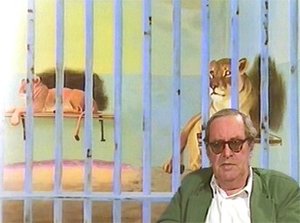
gilles aillaud
1928 - 2005 , France
Основные сведения
- Artistic Movement Or Style: Assemblage, Pop Art
- Artists Or Movements Influenced By This Artist:
- Minimal Art
- Pop Art
- Artists Who Influenced This Artist:
- Ellsworth Kelly
- Paul Feeley
- Date Of Birth: September 13, 1928
- Date Of Death: May 19, 2018
- Full Name: Robert Indiana
- Nationality: American
- Notable Artworks:
- Stavrosis
- Wall of China
- Jeanne d’Arc
- Place Of Birth: New Castle, Indiana, USA