

 Предпросмотр
 Поделиться
 Поделиться
 Детали произведения

 Скачать
 Похожие работы
 Рентгенография
 Слайд-шоу
 Статистика
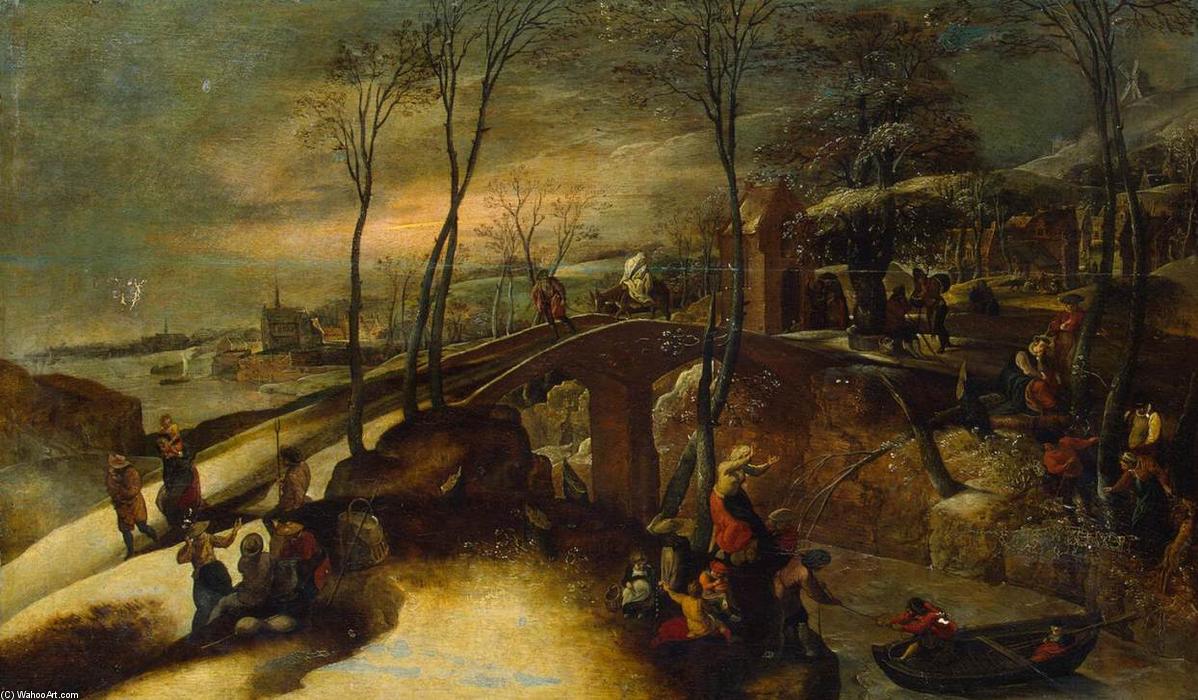
Landscape with the Flight into Egypt
 Oil On Canvas
- WallArt
- Flemish Renaissance Landscape Painting
 41.0 x 69.0 cm
 Эрмитаж
 Читать далее
Жикле / Арт-принт
Печать (жикле) или холст музейного качества с быстрыми сроками изготовления и широким выбором вариантов отделки. ( Купить картину ручной работы Перейти к цифровым изображениям)




P118B $10

P118H $10

P118W $10

P438Z $10

P508JH $12

P508YH $12

P805H $10

P805Z $10

P919BZ $10

P919G $10

P919XJ $10

P959ZH $10

P968JZ $12

W106C $8

W218G $10

W218JH $8

W218Y $10

W307PJ $10

W316G $10

W316PJ $8

W316Y $10

W398PJ $8

W4111J $10

W500HY $15

W500JH $15

W692G $12

W849H $8

W940BG $15

W953PJ $8




Выберите один из наших стандартных размеров, соответствующих оригинальным пропорциям произведения искусства.

Вы можете указать свои собственные размеры, чтобы репродукция идеально подошла под конкретную раму или пространство. Если выбранный вами размер не будет соответствовать пропорциям оригинала, мы либо обрежем произведение, либо дополним изображение зеркальным отражением краев или однотонной заливкой. Перед началом производства вам будет отправлен цифровой макет для утверждения.
Пожалуйста, обратите внимание, что предварительный просмотр на экране не отображает фактическую обрезку или расширение изображения. Только макет точно покажет финальную композицию.
Несмотря на возможность заказа индивидуальных размеров, мы рекомендуем выбирать размер из предопределенного списка, чтобы сохранить оригинальные пропорции.
Доставка по всему миру () за 2 недели вместо стандартных 4/5 недель. (11 Сентябрь)

Бесплатная экспресс-доставка по всему миру

Высококачественный льняной холст

Полное страхование доставки

Гарантия возмещения таможенных пошлин

Гарантия точного соответствия цветов

100-дневная политика возврата (только при обнаружении дефектов)

Гарантия возврата 100% средств

Предложение оптовых скидок
 Вариант со стеклом доступен только для размеров менее 110 см

Landscape with the Flight into Egypt
Жикле / Арт-принт
Размер репродукции
-


Итоговая стоимость
$ 62
A Window Into Flemish Renaissance Splendor: Exploring Gillis Mostaert’s Landscape with the Flight into Egypt
The Landscape With The Flight Into Egypt by Gillis Mostaert stands as a testament to the artistic fervor of Antwerp during the High Renaissance, capturing not merely a picturesque vista but also profound spiritual contemplation. Painted circa 1568-1570, this oil on canvas masterpiece resides within the esteemed halls of The Hermitage Museum in St. Petersburg, Russia—a fortunate circumstance ensuring its preservation for generations to come and allowing admirers worldwide access to its breathtaking beauty.Composition and Technique: Mastering Atmospheric Perspective
Mostaert’s genius lies in his masterful manipulation of atmospheric perspective – a technique painstakingly developed during this period that sought to realistically depict the effects of distance on color and luminosity. Observe how cooler hues dominate the background, subtly fading into paler shades as they recede from view. This deliberate gradation creates an illusion of depth, transporting the viewer’s eye beyond the canvas surface and immersing them in the serene expanse of the Flemish countryside. The artist employs a meticulous layering process, applying thin glazes over thicker underpaintings to achieve remarkable tonal richness and luminosity—a hallmark of Flemish painting traditions. Notice particularly the subtle gradations of color within the trees and buildings, demonstrating an unwavering commitment to capturing the nuances of natural light.Historical Context: Faith and Landscape in Reformation Era Flanders
The painting’s subject matter – a depiction of Mary Magdalene and Joseph traveling towards Bethlehem—resonates deeply with the religious anxieties of the Reformation era. Flanders was undergoing significant upheaval as Protestant reformers challenged Catholic dogma, prompting artists to grapple with themes of pilgrimage, faith, and divine providence. While seemingly simple in its visual presentation, the Landscape With The Flight Into Egypt carries a powerful symbolic weight. The winding path symbolizes the arduous journey towards spiritual enlightenment, mirroring Mary Magdalene’s pilgrimage to Bethlehem—a pilgrimage laden with significance for Christians seeking reconciliation with God. The inclusion of architectural elements like bridges reinforces this notion of transition and connection – bridging the gap between earthly concerns and divine grace.Color Palette and Emotional Resonance: Tranquility Amidst Uncertainty
Mostaert's color palette is deliberately restrained, favoring muted earth tones—ochres, siennas, and umbers—that evoke a sense of timelessness and serenity. However, flashes of vibrant color—particularly in the distant foliage—punctuate the scene, adding visual interest and subtly hinting at the vibrancy of God’s creation. The overall effect is profoundly calming, inviting contemplation and fostering an appreciation for the beauty inherent in the natural world. Despite the turbulent religious climate of its time, the painting exudes a palpable sense of peace—a testament to Mostaert's ability to convey emotion through visual means.A Legacy Enduring Through Reproduction: Bringing Flemish Art Home
Today, high-quality reproductions of Landscape With The Flight Into Egypt offer art enthusiasts and interior designers alike the opportunity to experience the grandeur of Flemish Renaissance artistry firsthand. These meticulously crafted prints allow viewers to appreciate the artist’s skill and vision without incurring the expense or logistical challenges associated with acquiring original artwork—preserving a treasured piece of artistic history for future generations.Похожие произведения

Биография художника
A Flemish Master of Atmosphere: The Life and Art of Gillis Mostaert
Born in the small Dutch town of Hulst around 1528, Gillis Mostaert the Elder emerged as a significant figure within the vibrant artistic landscape of Antwerp during the Renaissance. His story is interwoven with those of his family – he was the son of a painter and twin brother to Frans Mostaert, and potentially grandson to Jan Mostaert, though this lineage remains debated by scholars today. This familial connection to artistry undoubtedly shaped his early development, providing both encouragement and a foundation in technique. From approximately 1550, Gillis formally trained with the landscape painter Jan Mandijn, an influence that would become strikingly apparent in his own mature work. He officially joined the Antwerp Guild of Saint Luke in 1554/1555 alongside his brother, marking his formal entry into the professional art world. It’s also suspected he spent time within the studio of Frans Floris, collaborating with other prominent artists like Marten van Cleve and Maerten de Vos – a period that likely broadened his stylistic range and exposed him to cutting-edge artistic trends.Winter's Embrace and Allegorical Visions
Gillis Mostaert was a remarkably versatile artist, adept at landscape, genre scenes, and historical painting. However, he truly distinguished himself through his captivating winter landscapes, scenes depicting fireside gatherings, and evocative nocturnal settings. These were not merely depictions of scenery; they were highly sought-after commodities during his time, reflecting a growing fascination with atmospheric effects and the subtle nuances of light and shadow. His artistic style was deeply rooted in the Mannerist aesthetic, characterized by a naturalistic portrayal of nature alongside carefully constructed compositions. He populated his canvases with numerous small figures, animating the scenes and drawing the viewer into their world. A keen wit permeated his work as well; legend has it that he included a self-portrait within a resurrection scene, holding his nose against the imagined stench of decay – a testament to his playful approach and willingness to inject personal touches into even religious subjects. The influence of Hieronymus Bosch is also readily apparent in Mostaert’s oeuvre, particularly in compositions derived from tapestries based on Bosch's fantastical creations. Perhaps his most famous work, The Haywain (Allegory on Worldly and Clerical Abuses), exemplifies this inspiration. This complex allegorical painting serves as a scathing critique of the Catholic clergy, exposing greed and illustrating the seven deadly sins with biting satire. Multiple versions of this powerful work exist, each offering a unique perspective on its central theme.Patronage and Workshop Production
Mostaert’s talent did not go unnoticed by prominent patrons of the era. He secured commissions from figures such as François Perrenot de Granvelle, a powerful statesman; Archduke Ernest of Austria; and Archduke Leopold Wilhelm of Austria – demonstrating his ability to cater to the tastes of high society. A particularly significant patron was Filips van Valckenisse, Lord of Hemiksem, an avid art collector who amassed over fifty paintings by Mostaert, solidifying the artist’s reputation and providing him with financial stability. To meet the demands of this patronage and the broader market, Mostaert operated a large and productive workshop. This was common practice for successful artists of the time, allowing them to fulfill numerous commissions while overseeing the work of assistants and apprentices. The workshop became a hub of artistic production in Antwerp, contributing significantly to the city’s flourishing art scene. He frequently employed copper as a support for his oil paintings, a technique that contributed to their luminous quality and enduring appeal.Legacy and Lasting Influence
Gillis Mostaert died in Antwerp in 1598, reportedly burdened by debt, which led to the dispersal of his workshop’s contents among creditors following his death. Despite this unfortunate end, his artistic legacy endured. He played a crucial role in the development of both genre and landscape art within Antwerp, pushing boundaries and inspiring subsequent generations of artists. His incorporation of Mannerist elements into genre painting was particularly innovative, influencing the stylistic evolution of the period. While his workshop’s production sometimes resulted in works of varying quality, the best examples demonstrate Mostaert's skill in capturing atmospheric effects, detailing intricate scenes, and offering insightful social commentary. Today, his paintings are valued for their unique blend of technical mastery, allegorical depth, and evocative power – a testament to the enduring appeal of this Flemish Renaissance master. His works continue to captivate viewers with their ability to transport them to another time and place, inviting contemplation on themes of morality, faith, and the human condition.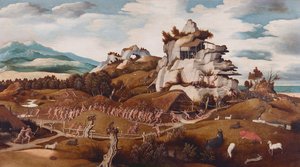
Gillis Mostaert
1528 - 1598 , Netherlands
Основные сведения
- Artistic Movement Or Style: Mannerism, Renaissance
- Artists Or Movements Influenced By This Artist:
- Antwerp genre art
- Mannerist painting
- Artists Who Influenced This Artist:
- Jan Mostaert
- Hieronymus Bosch
- Date Of Birth: 1528
- Date Of Death: 1598
- Full Name: Gillis Mostaert
- Nationality: Flemish
- Notable Artworks:
- The Haywain
- Winter Landscapes
- Scene of War & Fire
- Place Of Birth: Hulst, Netherlands
Похожие статьи

Романтический пейзаж: 10 шедевров, изменивших искусство | ArtsDot.com
Погрузитесь в мир романтического пейзажа! 10 шедевров Фридриха, Тёрнера и других гениев. Узнайте историю создания культовых картин и вдохновитесь для декора интерьера. Репродукции высокого качества на ArtsDot.com.

Джон Констебль: 25 шедевров английского пейзажа для вашего интерьера
Погрузитесь в мир английского пейзажа с Джоном Констеблом! 25 шедевров романтизма, история создания картин и вдохновение для вашего интерьера. Репродукции высокого качества на ArtsDot.com – искусство для ценителей.

Evocations of Place: A Historical Journey Through Landscape Art
Explore the rich history of landscape art with ArtsDot. Discover renowned artists, movements like Impressionism & Romanticism, and expert guidance for collecting timeless pieces. Find your perfect serene escape today!
25 Шедевров Эрмитажа: Искусство для Вашего Дома | ArtsDot.com
Погрузитесь в мир искусства с 25 шедеврами Эрмитажа! Узнайте истории Рембрандта, Леонардо да Винчи и Вермеера. Репродукции картин для вашего дома – вдохновение и декор от ArtsDot.com. Откройте всю коллекцию онлайн!
Sir William George Gillies: A Scottish Colourist's Journey Through Landscape & Abstraction
Explore the captivating world of Sir William George Gillies, a leading Scottish Colourist. Discover his journey from Cubism to iconic landscapes & still lifes. Expert insights for collectors and art enthusiasts.