

 Предпросмотр
 Поделиться
 Поделиться
 Детали произведения

 Скачать
 Похожие работы
 Рентгенография
 Слайд-шоу
 Статистика
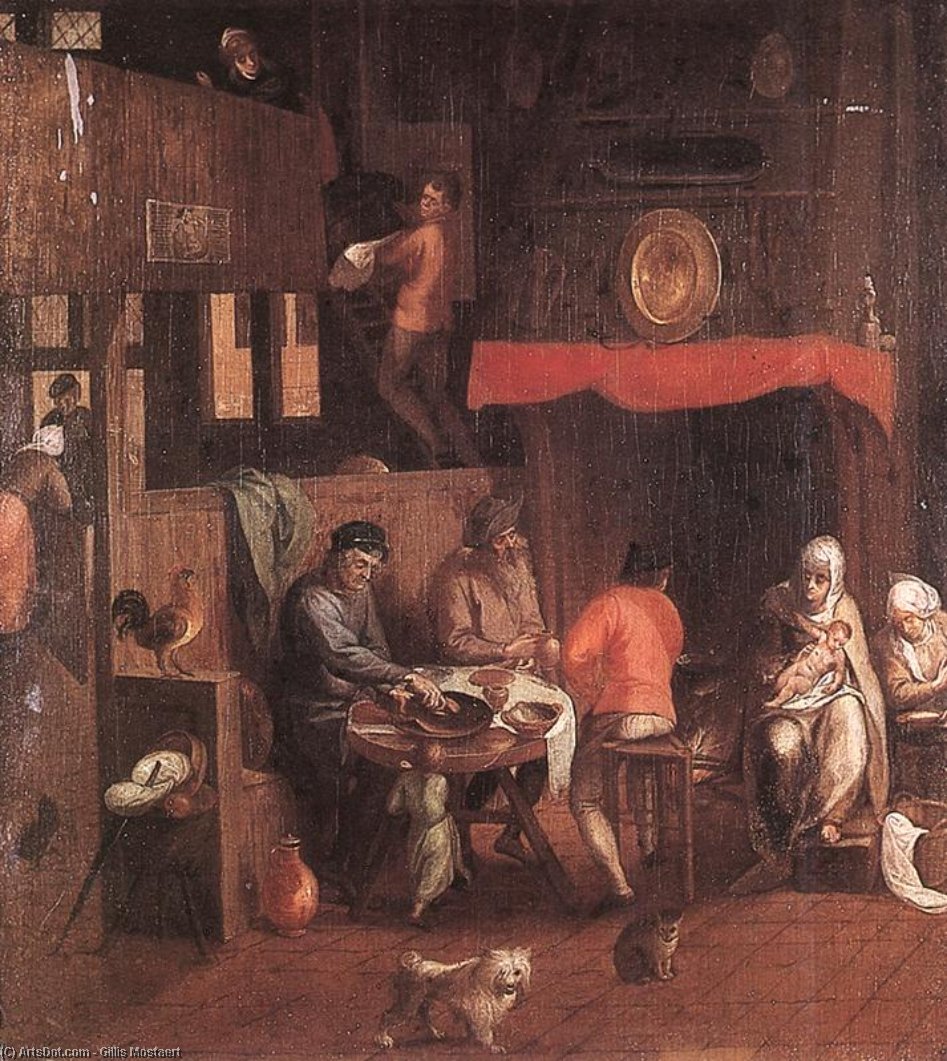
Netherlandish Household


 Читать далее
Приобретите цифровое изображение высокого разрешения в улучшенном качестве, которое значительно превосходит онлайн-превью.
Каждый файл тщательно подготавливается нашими специалистами с использованием передовых инструментов и экспертной ручной ретуши. Мы гарантируем исключительную четкость, точную цветопередачу и детальную проработку каждого изображения.
Финальный файл доставляется по электронной почте в течение 72 часов и оптимизирован для немедленного использования в профессиональной среде, при верстке и печати. Это тот же уровень качества, которому доверяют ведущие дизайнерские студии, издательства и галереи.
Цифровое изображение
Скачайте файл высокого разрешения для личного использования, печати и творческих проектов. ( Перейти к печати Купить картину ручной работы)
Включено в каждый заказ цифровых изображений
Гарантия экспертной цифровой доставки
Выбирая ArtsDot.com, вы получаете не просто изображение — вы приобретаете профессионально обработанное цифровое произведение искусства, созданное с безупречной точностью и под защитой гарантии качества. Вот всё, что автоматически входит в ваш заказ:

Мгновенная доставка по e-mail
Ваш цифровой файл в высоком разрешении будет отправлен вам по электронной почте в течение 72 часов после оформления заказа — и сразу станет доступен для использования.

Цифровой файл с ИИ-улучшением
Ваше произведение искусства проходит профессиональную оптимизацию с использованием передовых инструментов ИИ и ручной обработки, что гарантирует максимальную детализацию, четкость и точность цветопередачи.

Бессрочная бесплатная повторная доставка
Случайно удалили или потеряли файл? Не беспокойтесь — мы отправим его вам повторно в любое время и совершенно бесплатно.

Без импортных пошлин — навсегда
Наслаждайтесь вашим произведением искусства мгновенно без таможенных пошлин, сборов или затрат на доставку — цифровые загрузки всегда не облагаются налогом.

Гарантия точности цветопередачи
Мы гарантируем, что ваше цифровое изображение максимально точно передает оригинальные цвета благодаря использованию профессиональных инструментов и систем управления цветом.

Гарантия удовлетворенности 100 дней
Если вы не будете удовлетворены своим цифровым изображением, мы внесем правки или вернем 100% стоимости в течение 100 дней — без лишних вопросов.

100% Гарантия возврата средств
Не удовлетворены покупкой? Получите полный возврат средств в течение 100 дней после получения цифрового файла — без лишних вопросов.

Скидки на оптовые заказы
Купите 3 изображения, сэкономьте 10% — Купите 5, сэкономьте 15% — Купите 10+, сэкономьте 20%. Отличное решение для творческих проектов, галерей и агентств.
A Window Into Renaissance Domestic Life: Exploring Gillis Mostaert’s Netherlandish Household
Gillis Mostaert (1528 – 1598), born in Hulst, Netherlands, stands as a pivotal figure within the artistic panorama of Antwerp during the High Renaissance. His legacy extends beyond mere technical prowess; he captured an essence of everyday existence—the domestic sphere—that resonates powerfully with viewers even today. This remarkable painting, currently housed in the Web Gallery of Art (WGA), offers us not just a visual representation but also a glimpse into the social and cultural milieu of his era.- Style & Technique: Mostaert’s distinctive approach aligns squarely with the prevailing trends of Flemish Mannerism, characterized by meticulous detail and an emphasis on atmospheric perspective. Unlike earlier Renaissance ideals prioritizing idealized beauty, Mostaert prioritized realism—observing nature with painstaking accuracy and translating it onto canvas. The artist skillfully employs chiaroscuro – dramatic contrasts between light and dark – to sculpt forms and imbue the scene with depth and luminosity. This technique is particularly evident in the depiction of the fireplace and the subtle shading across the walls, creating a palpable sense of space.
- Historical Context: The painting’s creation coincided with a period of considerable social and economic dynamism in Antwerp. As a thriving commercial center and artistic hub, the city attracted talent from across Europe, fostering an environment conducive to innovation and experimentation. However, beneath the veneer of prosperity lay anxieties about religious upheaval—the Protestant Reformation was reshaping European society—and Mostaert’s depiction reflects this tension through its quiet dignity and understated elegance.
- Subject Matter & Composition: The scene portrays a richly furnished interior – a Netherlandish household – populated by figures engaged in various activities. A central dining table dominates the composition, adorned with tableware and illuminated by candlelight. Around it sit men and women, conveying a sense of familial warmth and social interaction. Notably, a birdcage hangs prominently on the wall, symbolizing hope and domestic tranquility—a motif frequently employed during this period to convey moral virtue.
- Symbolism & Emotional Impact: Beyond its descriptive accuracy, “Netherlandish Household” speaks volumes about Renaissance values. The inclusion of books suggests intellectual pursuits alongside practical concerns, highlighting the importance of education and erudition within aristocratic families. The fireplace represents hearth and home—a locus of warmth, comfort, and familial bonds—underscoring the centrality of domestic life in shaping identity and transmitting cultural traditions. Mostaert’s masterful rendering evokes a feeling of serene contemplation, inviting viewers to immerse themselves in the beauty of everyday existence.
- Further Exploration: To appreciate the nuances of Mostaert's artistic vision, consider examining similar works from his contemporaries—particularly those exploring domestic interiors and portraying idealized representations of family life. Comparing stylistic approaches and thematic concerns will illuminate the broader context within which “Netherlandish Household” was conceived and contribute to a deeper understanding of Renaissance art’s enduring legacy.
Похожие произведения
Биография художника
A Flemish Master of Atmosphere: The Life and Art of Gillis Mostaert
Born in the small Dutch town of Hulst around 1528, Gillis Mostaert the Elder emerged as a significant figure within the vibrant artistic landscape of Antwerp during the Renaissance. His story is interwoven with those of his family – he was the son of a painter and twin brother to Frans Mostaert, and potentially grandson to Jan Mostaert, though this lineage remains debated by scholars today. This familial connection to artistry undoubtedly shaped his early development, providing both encouragement and a foundation in technique. From approximately 1550, Gillis formally trained with the landscape painter Jan Mandijn, an influence that would become strikingly apparent in his own mature work. He officially joined the Antwerp Guild of Saint Luke in 1554/1555 alongside his brother, marking his formal entry into the professional art world. It’s also suspected he spent time within the studio of Frans Floris, collaborating with other prominent artists like Marten van Cleve and Maerten de Vos – a period that likely broadened his stylistic range and exposed him to cutting-edge artistic trends.Winter's Embrace and Allegorical Visions
Gillis Mostaert was a remarkably versatile artist, adept at landscape, genre scenes, and historical painting. However, he truly distinguished himself through his captivating winter landscapes, scenes depicting fireside gatherings, and evocative nocturnal settings. These were not merely depictions of scenery; they were highly sought-after commodities during his time, reflecting a growing fascination with atmospheric effects and the subtle nuances of light and shadow. His artistic style was deeply rooted in the Mannerist aesthetic, characterized by a naturalistic portrayal of nature alongside carefully constructed compositions. He populated his canvases with numerous small figures, animating the scenes and drawing the viewer into their world. A keen wit permeated his work as well; legend has it that he included a self-portrait within a resurrection scene, holding his nose against the imagined stench of decay – a testament to his playful approach and willingness to inject personal touches into even religious subjects. The influence of Hieronymus Bosch is also readily apparent in Mostaert’s oeuvre, particularly in compositions derived from tapestries based on Bosch's fantastical creations. Perhaps his most famous work, The Haywain (Allegory on Worldly and Clerical Abuses), exemplifies this inspiration. This complex allegorical painting serves as a scathing critique of the Catholic clergy, exposing greed and illustrating the seven deadly sins with biting satire. Multiple versions of this powerful work exist, each offering a unique perspective on its central theme.Patronage and Workshop Production
Mostaert’s talent did not go unnoticed by prominent patrons of the era. He secured commissions from figures such as François Perrenot de Granvelle, a powerful statesman; Archduke Ernest of Austria; and Archduke Leopold Wilhelm of Austria – demonstrating his ability to cater to the tastes of high society. A particularly significant patron was Filips van Valckenisse, Lord of Hemiksem, an avid art collector who amassed over fifty paintings by Mostaert, solidifying the artist’s reputation and providing him with financial stability. To meet the demands of this patronage and the broader market, Mostaert operated a large and productive workshop. This was common practice for successful artists of the time, allowing them to fulfill numerous commissions while overseeing the work of assistants and apprentices. The workshop became a hub of artistic production in Antwerp, contributing significantly to the city’s flourishing art scene. He frequently employed copper as a support for his oil paintings, a technique that contributed to their luminous quality and enduring appeal.Legacy and Lasting Influence
Gillis Mostaert died in Antwerp in 1598, reportedly burdened by debt, which led to the dispersal of his workshop’s contents among creditors following his death. Despite this unfortunate end, his artistic legacy endured. He played a crucial role in the development of both genre and landscape art within Antwerp, pushing boundaries and inspiring subsequent generations of artists. His incorporation of Mannerist elements into genre painting was particularly innovative, influencing the stylistic evolution of the period. While his workshop’s production sometimes resulted in works of varying quality, the best examples demonstrate Mostaert's skill in capturing atmospheric effects, detailing intricate scenes, and offering insightful social commentary. Today, his paintings are valued for their unique blend of technical mastery, allegorical depth, and evocative power – a testament to the enduring appeal of this Flemish Renaissance master. His works continue to captivate viewers with their ability to transport them to another time and place, inviting contemplation on themes of morality, faith, and the human condition.
Gillis Mostaert
1528 - 1598 , Netherlands
Основные сведения
- Artistic Movement Or Style: Mannerism, Renaissance
- Artists Or Movements Influenced By This Artist:
- Antwerp genre art
- Mannerist painting
- Artists Who Influenced This Artist:
- Jan Mostaert
- Hieronymus Bosch
- Date Of Birth: 1528
- Date Of Death: 1598
- Full Name: Gillis Mostaert
- Nationality: Flemish
- Notable Artworks:
- The Haywain
- Winter Landscapes
- Scene of War & Fire
- Place Of Birth: Hulst, Netherlands