

 Поделиться
 Поделиться
 Детали произведения

 Скачать
 Похожие работы
 Слайд-шоу
 Статистика
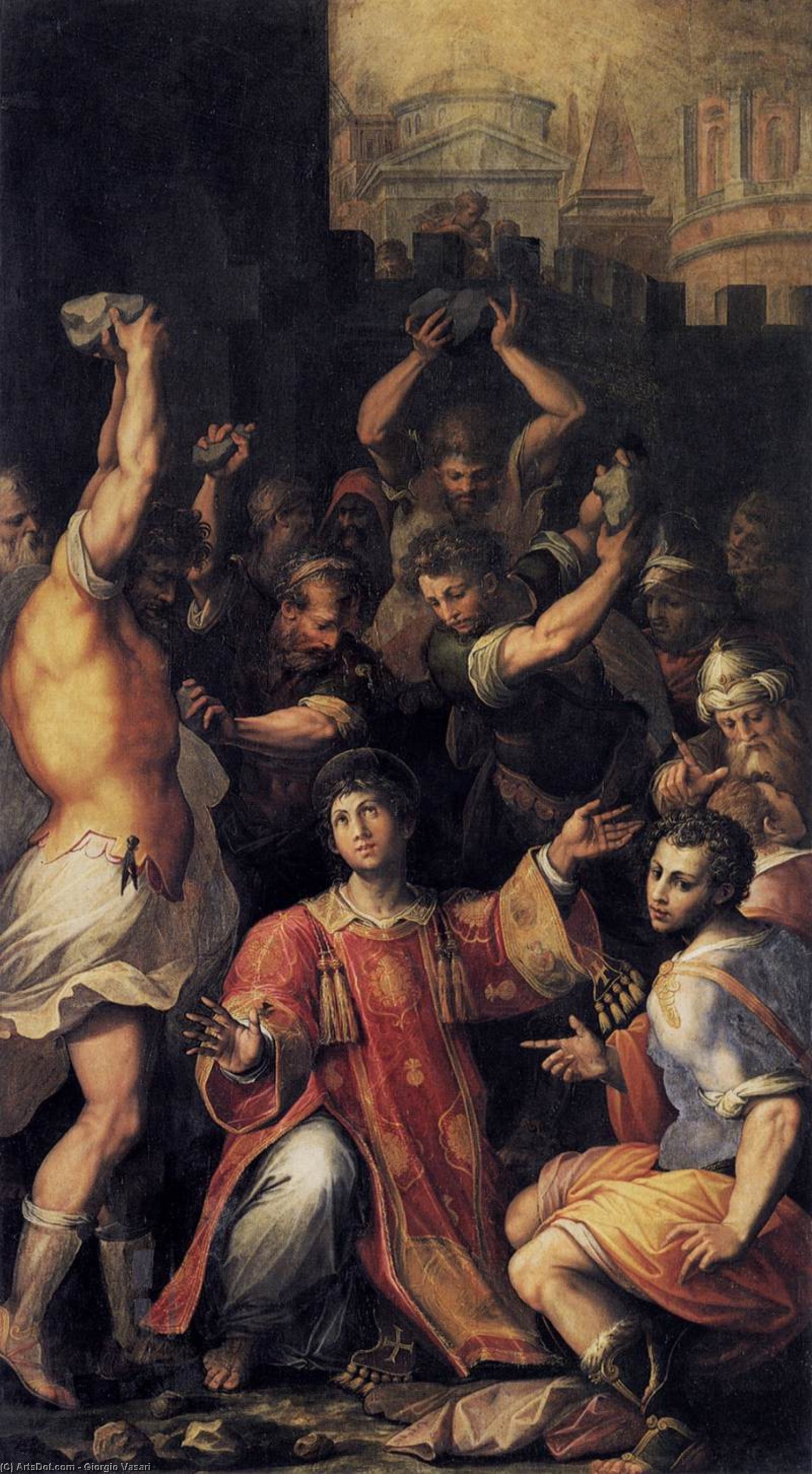
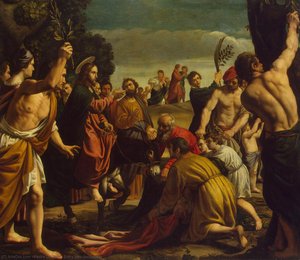
Martyrdom of St Stephen
 Fresco
- Baroque Renaissance Fusion
 1560
1560- Renaissance
 300.0 x 163.0 cm
 Пинакотека Ватикана
 Читать далее
Приобретите цифровое изображение высокого разрешения в улучшенном качестве, которое значительно превосходит онлайн-превью.
Каждый файл тщательно подготавливается нашими специалистами с использованием передовых инструментов и экспертной ручной ретуши. Мы гарантируем исключительную четкость, точную цветопередачу и детальную проработку каждого изображения.
Финальный файл доставляется по электронной почте в течение 72 часов и оптимизирован для немедленного использования в профессиональной среде, при верстке и печати. Это тот же уровень качества, которому доверяют ведущие дизайнерские студии, издательства и галереи.
Цифровое изображение
Скачайте файл высокого разрешения для личного использования, печати и творческих проектов. ( Перейти к печати Купить картину ручной работы)
Включено в каждый заказ цифровых изображений
Гарантия экспертной цифровой доставки
Выбирая ArtsDot.com, вы получаете не просто изображение — вы приобретаете профессионально обработанное цифровое произведение искусства, созданное с безупречной точностью и под защитой гарантии качества. Вот всё, что автоматически входит в ваш заказ:

Мгновенная доставка по e-mail
Ваш цифровой файл в высоком разрешении будет отправлен вам по электронной почте в течение 72 часов после оформления заказа — и сразу станет доступен для использования.

Цифровой файл с ИИ-улучшением
Ваше произведение искусства проходит профессиональную оптимизацию с использованием передовых инструментов ИИ и ручной обработки, что гарантирует максимальную детализацию, четкость и точность цветопередачи.

Бессрочная бесплатная повторная доставка
Случайно удалили или потеряли файл? Не беспокойтесь — мы отправим его вам повторно в любое время и совершенно бесплатно.

Без импортных пошлин — навсегда
Наслаждайтесь вашим произведением искусства мгновенно без таможенных пошлин, сборов или затрат на доставку — цифровые загрузки всегда не облагаются налогом.

Гарантия точности цветопередачи
Мы гарантируем, что ваше цифровое изображение максимально точно передает оригинальные цвета благодаря использованию профессиональных инструментов и систем управления цветом.

Гарантия удовлетворенности 100 дней
Если вы не будете удовлетворены своим цифровым изображением, мы внесем правки или вернем 100% стоимости в течение 100 дней — без лишних вопросов.

100% Гарантия возврата средств
Не удовлетворены покупкой? Получите полный возврат средств в течение 100 дней после получения цифрового файла — без лишних вопросов.

Скидки на оптовые заказы
Купите 3 изображения, сэкономьте 10% — Купите 5, сэкономьте 15% — Купите 10+, сэкономьте 20%. Отличное решение для творческих проектов, галерей и агентств.
A Testament to Faith Amidst Persecution: Giorgio Vasari’s Martyrdom of St Stephen
The chapel walls of Saint Peter's Basilica bear witness to the enduring power of faith and artistic brilliance—specifically, Giorgio Vasari’s monumental depiction of the martyrdom of St Stephen. Completed in 1560 during the High Renaissance, this fresco transcends mere visual representation; it embodies a profound theological statement interwoven with masterful execution that continues to captivate audiences centuries later. Vasari, already establishing himself as a prolific architect and historian, sought to elevate the spiritual experience within the basilica through his artistic prowess, resulting in an image brimming with symbolic richness and emotional resonance.Style and Technique: Embracing Monumental Form
Vasari’s approach distinguishes itself from many of his contemporaries by prioritizing monumental form—a characteristic deeply rooted in classical ideals—over fleeting decorative trends. The fresco adheres to the principles of disegno, a humanist aesthetic championed by Leonardo da Vinci that emphasizes careful observation and anatomical accuracy. Vasari meticulously studied human anatomy, striving for realism within the framework of religious iconography. He employed tempera paint on plaster, a technique favored for its luminosity and durability, ensuring that the image would withstand the passage of time and retain its vibrancy for generations to come. The composition is carefully balanced, guiding the viewer’s gaze across the scene with deliberate precision—a hallmark of Vasari's architectural sensibilities translated into visual art.Historical Context: Reformation Echoes
The commission itself reflects the turbulent religious landscape of sixteenth-century Rome. Following the Protestant Reformation, the Catholic Church actively sought to reaffirm its authority and inspire piety through grand artistic projects. Vasari’s Martyrdom of St Stephen served as a deliberate counterpoint to Protestant skepticism, portraying St Stephen's unwavering faith in the face of brutal persecution—a narrative powerfully resonant with biblical themes of sacrifice and divine justice. The fresco underscores the importance of spiritual fortitude amidst adversity, aligning seamlessly with the broader theological concerns of the era. Furthermore, Vasari’s work engages with the artistic legacy of Michelangelo Buonarroti, whose Sistine Chapel ceiling had established a precedent for ambitious fresco cycles addressing complex religious narratives.Symbolism: Layers of Meaning Within the Scene
The painting is replete with symbolic elements that enrich its theological significance. St Stephen himself stands at the center of the composition, his outstretched hands symbolizing prayer and supplication—a gesture mirroring Christ’s ascension. The crowd surrounding him embodies earthly judgment, representing humanity's flawed response to divine grace. Notably, Vasari incorporates a priest figure alongside St Stephen, signifying spiritual leadership and highlighting the role of clergy in upholding Christian values. The stones hurled at St Stephen symbolize worldly hostility and cruelty, contrasting sharply with the sanctity of his martyrdom. Each detail contributes to a multilayered narrative that speaks to fundamental questions about faith, morality, and redemption.Emotional Impact: Capturing Suffering and Triumph
Vasari’s masterful depiction succeeds in conveying the profound emotional impact of St Stephen's ordeal—a testament to both human suffering and divine triumph. The artist skillfully captures the physicality of martyrdom, portraying St Stephen’s agony with unflinching realism. Yet, Vasari simultaneously imbues the scene with an aura of serenity and dignity, reflecting St Stephen’s unwavering faith despite his imminent demise. The luminous tempera paint enhances the emotional intensity of the fresco, illuminating the faces of the figures and conveying a palpable sense of pathos. Ultimately, Vasari's Martyrdom of St Stephen inspires contemplation on themes of courage, compassion, and spiritual perseverance—a timeless masterpiece that continues to resonate with viewers across cultures and eras.Похожие произведения
Биография художника
A Life Woven into the Renaissance Fabric
Giorgio Vasari, born in Arezzo, Tuscany, on July 30, 1511, was more than simply a painter; he was a quintessential embodiment of the Italian Renaissance spirit. His life unfolded as a vibrant tapestry woven with threads of artistic creation, architectural innovation, insightful historical writing, and an unwavering dedication to celebrating the masters who came before him. From his earliest training under Guglielmo da Marsiglia, a skilled artisan in stained glass, young Giorgio’s path was steered towards visual artistry. However, it was his move to Florence at sixteen that truly ignited his potential. Immersing himself within the dynamic circle of Andrea del Sarto and absorbing the influences of Rosso Fiorentino and Jacopo Pontormo, Vasari began a journey that would see him become one of the most influential figures of his era. His formative years were also deeply marked by the patronage and friendship of the powerful Medici family, a relationship that would shape both his career and his perspective on art’s role in society.The Artist's Hand and Eye
Vasari’s artistic style is often categorized as Mannerist, reflecting the prevailing aesthetic trends of the mid-16th century. His paintings are characterized by elongated figures, dynamic compositions, and a sophisticated use of color—qualities highly admired during his lifetime. While perhaps not achieving the same level of enduring fame as some of the artists he chronicled, Vasari’s skill was undeniable. Notable works such as *The Studio of the Painter*, a fresco housed in Casa Vasari in Arezzo, offer a fascinating glimpse into the artistic practices of the time. The sheer scale and ambition of his frescoes for the Palazzo Vecchio in Florence, undertaken between 1555 and 1572, demonstrate his mastery of large-scale decorative schemes. His final monumental undertaking, *The Last Judgement*, adorning the cupola of Florence Cathedral—completed after his death by Federico Zuccari—stands as a testament to his unwavering commitment to grand artistic visions. Beyond painting, Vasari’s architectural contributions were equally significant. He designed the elegant loggia of the Palazzo degli Uffizi, transforming it into a public piazza and creating a vital link within Florence's urban landscape. Perhaps most famously, he conceived and oversaw the construction of the Vasari Corridor, a secret passageway connecting the Uffizi Gallery with the Palazzo Pitti—a feat of engineering and architectural ingenuity that continues to captivate visitors today.A Historian Forging a Legacy
However, it is arguably as an art historian that Giorgio Vasari secured his most lasting legacy. His monumental work, *Lives of the Most Excellent Painters, Sculptors, and Architects*, published in 1550 (with a revised edition in 1568), revolutionized the way art was understood and appreciated. This groundbreaking text wasn’t merely a collection of biographies; it established a narrative framework for the development of Italian Renaissance art, tracing its evolution from the early masters like Cimabue and Giotto to his contemporaries Michelangelo and Raphael. Vasari's work introduced the very concept of the “Renaissance” – a rebirth of classical ideals—and laid the foundation for modern art history as a discipline. While acknowledging that Vasari’s accounts are not without their biases and inaccuracies, particularly concerning artists predating his own time, the impact of *Lives* remains profound. It provided a crucial historical context for artistic creation, elevating the status of artists from skilled craftsmen to intellectual figures worthy of scholarly attention.Influences and Enduring Significance
Vasari’s artistic development was profoundly shaped by his exposure to the works of Renaissance masters. His visit to Rome in 1529, where he studied the art of Raphael and other High Renaissance artists, proved pivotal. He absorbed their principles of composition, anatomical accuracy, and idealized beauty, incorporating them into his own style. Michelangelo, whom Vasari greatly admired, exerted a particularly strong influence on both his painting and architecture. The grandeur and dynamism characteristic of Michelangelo’s work are evident in many of Vasari’s projects. Beyond specific artists, the broader intellectual currents of the Renaissance—humanism, classical learning, and a renewed interest in empirical observation—also informed Vasari's approach to art and history. Giorgio Vasari died on June 27, 1574, in Florence, leaving behind a multifaceted legacy that continues to resonate today. He was not only a talented artist and architect but also a pioneering historian whose writings shaped our understanding of one of the most transformative periods in Western art history. His work remains essential for anyone seeking to explore the rich cultural heritage of the Italian Renaissance.Major Achievements
- The Studio of the Painter (1563): This monumental fresco, housed in Casa Vasari in Arezzo, is a cornerstone of his artistic output, offering an unparalleled insight into the practices and theories of painting during the Renaissance.
- Frescoes for the Palazzo Vecchio (1555-1572): Vasari’s ambitious frescoes decorating the halls of Florence's town hall showcase his mastery of large-scale decorative schemes and his ability to integrate narrative and symbolism into monumental works.
- The Last Judgement (1573-1579): This colossal fresco on the cupola of Florence Cathedral, completed after his death by Federico Zuccari, represents Vasari’s ultimate architectural and artistic ambition – a testament to his vision and skill.
- The Uffizi Gallery (1560-1579): His design for the Uffizi Palace fundamentally reshaped Florence's urban landscape, creating a harmonious blend of architecture and public space.
- Lives of the Most Excellent Painters, Sculptors, and Architects (1550, 1568): This seminal work established a new paradigm for art historical writing, shaping our understanding of Renaissance artists and their contributions.
Key Influences
- Guglielmo da Marsiglia: Vasari’s early training under the stained-glass master instilled in him a deep appreciation for craftsmanship and technical skill.
- Andrea del Sarto: His time with Andrea del Sarto exposed him to Florentine artistic traditions and fostered his understanding of composition and color theory.
- Raphael & Michelangelo: Vasari’s admiration for these High Renaissance masters profoundly influenced his own style, particularly in terms of anatomical accuracy and idealized beauty.
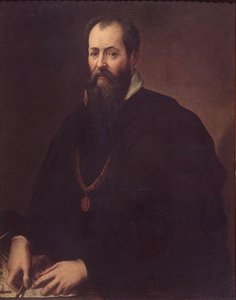
Джорджо Вазари
1511 - 1574 , Италий
Основные сведения
- Artistic Movement Or Style: Маньеризм
- Artists Or Movements Influenced By This Artist: ['Ренессанс']
- Artists Who Influenced This Artist:
- Андреа дель Сарто
- Микеланджело
- Date Of Birth: 30 июля 1511 г.
- Date Of Death: 27 июня 1574 г.
- Full Name: Giorgio di Antonio Vasari
- Nationality: Итальянец
- Notable Artworks:
- Студия художника
- Последний суд
- Place Of Birth: Ареццо, Италия