

 Предпросмотр
 Поделиться
 Поделиться
 Детали произведения

 Скачать
 Похожие работы
 Рентгенография
 Слайд-шоу
 Статистика
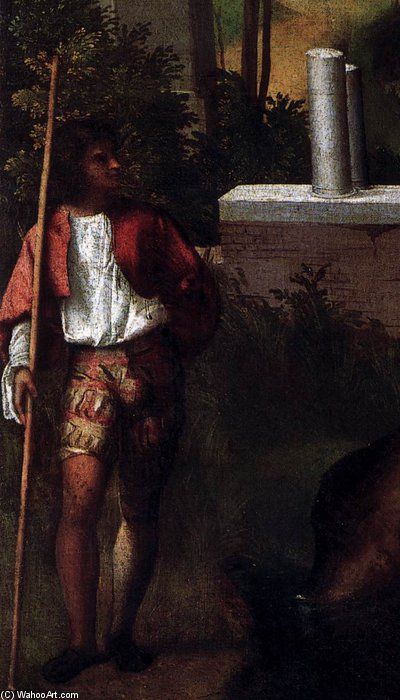
Tempest (detail)_4


 Читать далее
Приобретите цифровое изображение высокого разрешения в улучшенном качестве, которое значительно превосходит онлайн-превью.
Каждый файл тщательно подготавливается нашими специалистами с использованием передовых инструментов и экспертной ручной ретуши. Мы гарантируем исключительную четкость, точную цветопередачу и детальную проработку каждого изображения.
Финальный файл доставляется по электронной почте в течение 72 часов и оптимизирован для немедленного использования в профессиональной среде, при верстке и печати. Это тот же уровень качества, которому доверяют ведущие дизайнерские студии, издательства и галереи.
Цифровое изображение
Скачайте файл высокого разрешения для личного использования, печати и творческих проектов. ( Перейти к печати Купить картину ручной работы)
Включено в каждый заказ цифровых изображений
Гарантия экспертной цифровой доставки
Выбирая ArtsDot.com, вы получаете не просто изображение — вы приобретаете профессионально обработанное цифровое произведение искусства, созданное с безупречной точностью и под защитой гарантии качества. Вот всё, что автоматически входит в ваш заказ:

Мгновенная доставка по e-mail
Ваш цифровой файл в высоком разрешении будет отправлен вам по электронной почте в течение 72 часов после оформления заказа — и сразу станет доступен для использования.

Цифровой файл с ИИ-улучшением
Ваше произведение искусства проходит профессиональную оптимизацию с использованием передовых инструментов ИИ и ручной обработки, что гарантирует максимальную детализацию, четкость и точность цветопередачи.

Бессрочная бесплатная повторная доставка
Случайно удалили или потеряли файл? Не беспокойтесь — мы отправим его вам повторно в любое время и совершенно бесплатно.

Без импортных пошлин — навсегда
Наслаждайтесь вашим произведением искусства мгновенно без таможенных пошлин, сборов или затрат на доставку — цифровые загрузки всегда не облагаются налогом.

Гарантия точности цветопередачи
Мы гарантируем, что ваше цифровое изображение максимально точно передает оригинальные цвета благодаря использованию профессиональных инструментов и систем управления цветом.

Гарантия удовлетворенности 100 дней
Если вы не будете удовлетворены своим цифровым изображением, мы внесем правки или вернем 100% стоимости в течение 100 дней — без лишних вопросов.

100% Гарантия возврата средств
Не удовлетворены покупкой? Получите полный возврат средств в течение 100 дней после получения цифрового файла — без лишних вопросов.

Скидки на оптовые заказы
Купите 3 изображения, сэкономьте 10% — Купите 5, сэкономьте 15% — Купите 10+, сэкономьте 20%. Отличное решение для творческих проектов, галерей и агентств.
A Venetian Reverie: Decoding Giorgione’s Enigma
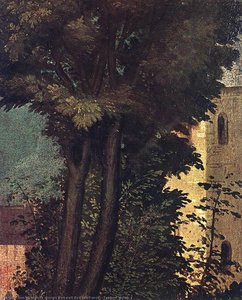
To gaze upon Giorgione’s The Tempest is to step into a dreamscape where the boundaries between reality and myth dissolve into a soft, atmospheric haze. As one of the most captivating enigmas of the High Renaissance, Giorgione possessed a rare ability to evoke profound emotion through subtle tonal harmonies rather than overt narrative clarity. This particular detail invites us into a world of quiet tension and pastoral beauty, capturing a moment suspended in time. The painting does not merely depict a scene; it breathes an atmosphere of sfumato—that legendary Venetian technique of blurring edges to create a sense of depth and mystery that feels almost tactile.
The composition centers on a solitary figure, a man whose presence is both grounded and ethereal. Clad in a striking red shirt that provides a warm, vibrant focal point against the muted, weathered textures of the background, he stands before a rugged brick wall. This architectural element serves as more than just a backdrop; it acts as a symbol of permanence and resilience amidst the shifting, unpredictable elements of nature. The way the diffused sunlight washes over the scene suggests a fleeting moment, perhaps just before or after a sudden storm, imbuing the work with a sense of psychological depth that has fascinated scholars for centuries.
Mastery of Light and Venetian Color
The true genius of this piece lies in its technical execution. Giorgione was a master of glazing, applying layer upon layer of translucent pigment to achieve a luminous quality that seems to radiate from within the canvas itself. Unlike the sharp, linear precision found in Florentine art of the same era, this Venetian masterpiece relies on colorito—the use of color and light to define form. The soft transitions between the sky, the foliage, and the architectural structures create a seamless, unified environment that pulls the viewer into its melancholic embrace.
For the discerning collector or interior designer, this artwork offers an unparalleled opportunity to introduce a sense of historical prestige and contemplative calm into a space. The painting’s palette—rich with earthy ochres, deep shadows, and the sudden brilliance of crimson—complements both classical and contemporary settings. It serves as a sophisticated anchor for a room, providing a conversation piece that rewards prolonged observation. Whether placed in a sunlit gallery or a moody, library-style study, the work’s ability to evoke a sense of "poetic mystery" makes it a timeless addition to any curated collection.
A Legacy of Emotion and Symbolism
Beyond its aesthetic brilliance, The Tempest remains one of the most debated works in art history. The interplay between the figures, the presence of the dog, and the looming clouds suggests a complex web of allegorical meanings—ranging from pastoral romance to deeper philosophical meditations on the human condition. This ambiguity is precisely what gives the painting its enduring power; it does not dictate a single meaning but instead invites the viewer to project their own emotions and interpretations onto the canvas.
Owning a high-quality reproduction of this detail allows one to possess a fragment of the High Renaissance spirit. It is an invitation to slow down, to observe the play of light on stone, and to reconnect with the profound beauty of the Venetian school. In an age of rapid movement, Giorgione’s work stands as a testament to the enduring value of stillness, nuance, and the sublime.
Похожие произведения


Биография художника
Giorgione (1477/8-1510): Venetian Enigma
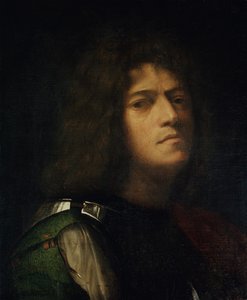
Giorgio Barbarelli da Castelfranco, known to the world as Giorgione, remains one of the most elusive and captivating figures in Renaissance art. Born in the small town of Castel Franco Veneto near Venice around 1477 or 1478 – the exact year is debated – his tragically short life, ending around 1510 at the age of thirty-two or thirty-three, belies an artistic impact that continues to resonate centuries later. Unlike many of his contemporaries whose lives are well documented, Giorgione’s story is shrouded in mystery, pieced together from scant historical records and the often romanticized accounts of Giorgio Vasari. What we do know suggests a man deeply immersed in the vibrant culture of Venice, a city that fostered both artistic innovation and a sensual appreciation for beauty. He likely apprenticed under Giovanni Bellini, a leading Venetian painter, absorbing the established traditions before forging his own unique path. Early commissions included portraits of prominent figures like Doge Agostino Barbarigo, demonstrating an immediate talent for capturing likeness and status. However, it was in his departure from conventional subject matter and his revolutionary approach to painting that Giorgione truly distinguished himself.Early Life and Artistic Training
Giorgio Barbarelli’s origins are relatively obscure. He was born into a family of modest means in Castel Franco Veneto, a region known for its textile industry and burgeoning artistic patronage. While precise details about his childhood remain elusive, Vasari recounts that Giorgione received an excellent education, primarily thanks to the generosity of his father who recognized his innate talent. Crucially, he began his artistic training under Giovanni Bellini, arguably Venice’s most influential painter at the time. Bellini's workshop served as a crucible for Venetian artistic sensibilities, emphasizing meticulous observation and mastering traditional techniques—particularly *sfumato*, a subtle blending of tones that creates atmospheric depth and softens outlines. This formative experience instilled in Giorgione a profound understanding of Venetian painting conventions while simultaneously nurturing his desire to transcend them.A Painter's Breakthrough: Style and Innovation
Giorgione’s artistic style marked a significant break from the Florentine emphasis on linear perspective and precise draftsmanship, which dominated the early Renaissance. He championed color, atmosphere, and an evocative moodiness that became hallmarks of the Venetian school. His technique involved softening outlines, employing subtle gradations of tone – *sfumato* – to create atmospheric effects, and prioritizing overall harmony over meticulous detail. This wasn’t merely a technical choice; it reflected a fundamentally different artistic sensibility. Giorgione sought not to replicate reality but to capture its essence, its fleeting emotions, and its poetic resonance. His paintings often feature enigmatic subjects and ambiguous narratives, inviting viewers into a world of contemplation rather than offering clear-cut stories. The Tempest, perhaps his most famous work, exemplifies this perfectly. The scene – a soldier and a nursing mother amidst a stormy landscape – has baffled art historians for centuries, its meaning remaining tantalizingly out of reach. Similarly, Pastoral Concert (Fête champêtre) presents an idyllic gathering of musicians in a pastoral setting, celebrated not for any specific narrative but for its harmonious composition and lyrical quality. These works weren’t intended to be puzzles to solve; they were meant to evoke feelings, moods, and a sense of wonder.Notable Works and Artistic Legacy
Giorgione's oeuvre is remarkably small compared to his contemporaries, yet each painting possesses an unparalleled beauty and psychological depth. Among his most celebrated masterpieces are:- The Tempest (c. 1506-1508):This monumental canvas captures the drama of a storm-swept landscape with breathtaking subtlety. The masterful use of *sfumato* creates an ethereal atmosphere, conveying both visual splendor and profound emotional resonance.
- Pastoral Concert (Fête champêtre) (c. 1509):Considered one of the earliest examples of Venetian pastoral painting, this idyllic scene celebrates harmony and beauty through luminous color palettes and carefully balanced compositions.
- Sleeping Venus (c. 1510):A sensual depiction of Aphrodite resting on a barge, *Sleeping Venus* showcases Giorgione’s unparalleled skill in capturing the delicate nuances of flesh tone and conveying an aura of serene contemplation.
- Judith (1504):This dramatic portrayal of Judith slaying Holofernes demonstrates Giorgione's ability to infuse biblical narratives with psychological complexity and emotional intensity.
Джорджоне
1477 - 1510 , Италия
Основные сведения
- Artistic Movement Or Style: Высокое Возрождение, венецианская школа
- Artists Or Movements Influenced By This Artist: ['Тициан']
- Artists Who Influenced This Artist:
- Джованни Беллини
- Мантенья
- Date Of Birth: 1477/78 или 1473/74
- Date Of Death: 1510
- Full Name: Giorgio Barbarelli da Castelfranco
- Nationality: Итальянский
- Notable Artworks:
- Закат
- Венера в пастушеской роще
- Темпэст
- Place Of Birth: Кастель Франко Венеция