

 Предпросмотр
 Поделиться
 Поделиться
 Детали произведения

 Скачать
 Похожие работы
 Рентгенография
 Слайд-шоу
 Статистика
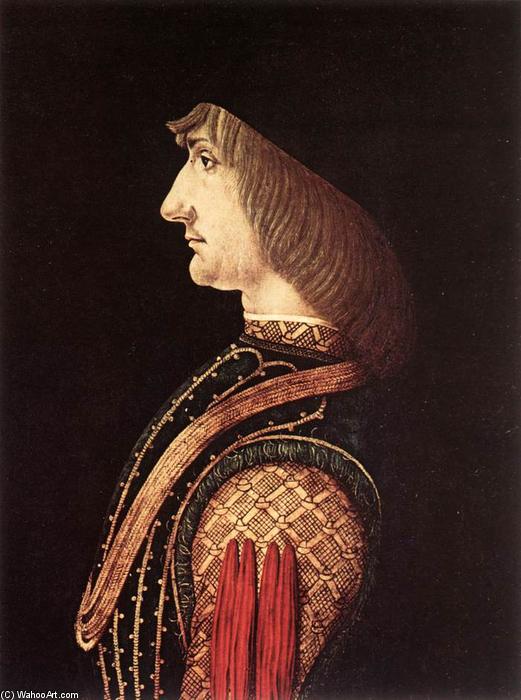
Portrait of a Man
 Oil On Canvas
- WallArt
- Renaissance
 1500
1500- Renaissance
 60.0 x 45.0 cm
 Галерея Уффици
 Читать далее
Масляная репродукция ручной работы
Картина маслом на холсте в выбранном вами размере и раме, написанная на заказ нашими художниками. ( Перейти к печати Перейти к цифровым изображениям)




P118B $10

P118H $10

P118W $10

P438Z $10

P508JH $12

P508YH $12

P805H $10

P805Z $10

P919BZ $10

P919G $10

P919XJ $10

P959ZH $10

P968JZ $12

W106C $8

W218G $10

W218JH $8

W218Y $10

W307PJ $10

W316G $10

W316PJ $8

W316Y $10

W398PJ $8

W4111J $10

W500HY $15

W500JH $15

W692G $12

W849H $8

W940BG $15

W953PJ $8




Выберите один из наших стандартных размеров, соответствующих оригинальным пропорциям произведения искусства.

Вы можете указать собственные размеры, чтобы картина идеально вписалась в выбранную раму или пространство. Если выбранный вами размер не соответствует пропорциям оригинала, мы либо обрежем полотно, либо расширим его за счет дополнительных элементов, написанных вручную. Цифровой макет будет отправлен вам на утверждение перед началом производства.
Обратите внимание, что предварительный просмотр на экране не отражает фактическую обрезку или расширение. Только макет точно покажет окончательную композицию.
Хотя доступны индивидуальные размеры, мы рекомендуем выбирать вариант из предопределенного списка, чтобы сохранить исходные пропорции.
После оформления заказа команда ArtsDot.com свяжется с клиентом по электронной почте для уточнения деталей и предоставит предварительный макет
Доставка по всему миру () за 3–4 недели вместо стандартных 5 недель. (12 Сентябрь). Без компромиссов в качестве.

Бесплатная экспресс-доставка по всему миру

Высококачественный льняной холст

Полное страхование доставки

Гарантия возмещения таможенных пошлин

Гарантия точного соответствия цветов

100-дневная политика возврата (только при обнаружении дефектов)

Гарантия возврата 100% средств

Предложение оптовых скидок
 Вариант со стеклом доступен только для размеров менее 110 см

Portrait of a Man
Техника репродукции
Размер репродукции
-


Итоговая стоимость
$ 263
A Glimpse Into Renaissance Milan
In the heart of the High Renaissance, Milan was a city vibrating with intellectual ambition and artistic revolution. It is within this atmosphere of profound change that Giovanni Ambrogio de Predis captured his Portrait of a Man in 1500. This masterpiece does not merely serve as a likeness of an individual; it acts as a window into the soul of a bygone era, embodying the humanist ideals that were then being championed by titans like Leonardo da and Michelangelo. As one gazes upon the subject, there is an immediate sense of encountering a figure of significant social standing, a man whose very presence reflects the grandeur and sophistication of the Sforza court.
The portrait is characterized by a striking, intimate composition. Rendered in profile against a deep, almost impenetrable black background, the subject’s face and upper torso emerge from the shadows with startling clarity. This use of chiaroscuro—the dramatic interplay between light and dark—serves to sculpt the features of the man, lending him a palpable three-dimensional presence. The lighting is deliberate and theatrical, catching the subtle contours of his brow, the texture of his hair, and the fine details of his attire, thereby creating an emotional depth that invites the viewer to contemplate the psychological complexity hidden behind his steady gaze.
Mastery of Technique and Material
The enduring allure of this work lies in De Predis’s sophisticated command of oil paint on canvas. Unlike the flatter, more opaque qualities of tempera, the oil medium allowed the artist to engage in a delicate dance of layering and glazing. This technique is masterfully evident in the luminous skin tones and the rich, velvety textures of the subject's clothing. Each brushstroke contributes to a sense of organic realism, where the soft blending of shadows meets the sharp, meticulous rendering of fabric patterns and facial hair.
De Predis, who began his career as a skilled illuminator, brought a miniaturist’s precision to this larger scale. This background is visible in the fine, rhythmic lines that define the subject's silhouette and the intricate geometric motifs on his garment. The color palette is intentionally restrained, relying on a sophisticated harmony of earthy browns, deep reds, and shimmering golds. This limited spectrum does not diminish the painting’s impact; rather, it focuses the viewer's attention on the interplay of light and the structural integrity of the human form, making the portrait feel both timeless and profoundly grounded.
An Icon for the Modern Collector
For the discerning art lover or interior designer, the Portrait of a Man offers much more than historical interest; it provides a profound aesthetic anchor. The painting’s ability to command attention through subtle elegance makes it an ideal centerpiece for spaces that value sophistication and quiet strength. Its dark, moody atmosphere lends itself beautifully to contemporary settings, where it can serve as a conversation piece that bridges the gap between the classical past and modern luxury.
Whether displayed in a private study, a grand gallery, or a curated living space, a high-quality reproduction of this work brings with it the prestige of the Milanese Renaissance. It is an investment in atmosphere—a way to infuse a room with the dignity, mystery, and intellectual weight of one of history's most vibrant artistic epochs. To possess such a piece is to hold a fragment of the Sforza legacy, allowing the quiet power of De Predis’s vision to resonate within the walls of a modern home.
Похожие произведения




Биография художника
The Master of the Milanese Court
In the vibrant, intellectually charged atmosphere of Renaissance Milan, Giovanni Ambrogio de Predis emerged as a vital figure whose brush captured the very essence of the Sforza dynasty. Born into a distinguished family of Lombard artists around 1455, his early life was steeped in the traditions of illumination and fine design. Alongside his brothers—Evangelista, Bernardino, and Cristoforo—Ambrogio helped shape the visual identity of a city on the cusp of artistic revolution. His initial forays into the world of art were marked by the delicate precision of a miniaturist, producing exquisite illuminations for Books of Hours in the 1470s. These early works, though much of them lost to time, established his reputation for a meticulousness and grace that would later define his larger-scale portraiture.
As his career matured, de Predis moved beyond the intimate scale of manuscripts to embrace the grander demands of the court of Ludovico Sforza. This period marked his ascent into the highest circles of Milanese society, where he functioned not merely as a painter, but as a versatile designer of coins, tapestries, and even theatrical scenery. His ability to navigate the diverse needs of the mint and the ducal palace speaks to an artist of immense technical range, capable of translating political power into enduring visual splendor.
A Legacy Intertwined with Leonardo
Perhaps the most captivating chapter of de Predis's life is his profound connection to the genius Leonardo da Vinci. When Leonardo arrived in Milan, it was de Predis who offered him hospitality, creating a bridge between two of the era's most significant artistic minds. This relationship transcended mere friendship, evolving into a monumental artistic collaboration that would leave an indelible mark on art history. Most famously, de Predis and his brother Evangelista are credited with executing the side panels of the Virgin of the Rock for the church of San Francesco Grande. While Leonardo breathed life into the central figures with his revolutionary sfumato technique, the De Predis brothers provided the essential structural and atmospheric framework that completed this sacred masterpiece.
Beyond the collaborative altarpieces, de Predis’s work as a portraitist allowed him to document the faces of the era's most influential figures. His skill in capturing the dignity and character of his subjects made him the preferred painter for high-stakes diplomacy. A notable instance occurred during the marriage negotiations between Emperor Maximilian I and Bianca Maria Sforza; de Predis was tasked with creating a portrait of the bride, a work that would accompany her to Innsbruck and serve as a visual ambassador of Milanese elegance.
Artistic Significance and Enduring Influence
The artistry of Giovanni Ambrogio de Predis is characterized by a unique blend of Lombard precision and the burgeoning atmospheric innovations of the High Renaissance. While much of his documented output remains subject to scholarly debate due to the collaborative nature of his workshop, his influence on the Milanese school is undeniable. His contributions can be summarized through several key pillars of his career:
- Versatility of Medium: From the microscopic detail of manuscript illumination to the large-scale demands of tapestry design and coin engraving.
- Courtly Portraiture: The ability to serve as a visual chronicler for the Sforza family, capturing both political prestige and personal likeness.
- Collaborative Excellence: Playing a crucial role in the execution of major Renaissance works alongside Leonardo da Vinci, helping to define the aesthetic of the Milanese court.
- Design Mastery: His work in the local mint and stage design showcased an artist capable of shaping the physical and sensory environment of his era.
Though he passed away in 1522, leaving behind a legacy that is often woven into the shadows of greater masters, de Predis remains a cornerstone of the Lombard Renaissance. His life serves as a testament to the interconnectedness of art, politics, and science during one of history's most luminous periods.
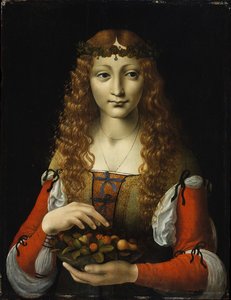
Giovanni Ambrogio de Predis
1455 - 1522 , Italy
Основные сведения
- Artistic Movement Or Style: Renaissance
- Artists Or Movements Influenced By This Artist: ['Early Renaissance']
- Artists Who Influenced This Artist: ['Leonardo da Vinci']
- Date Of Birth: Milan, Italy (c. 1455)
- Date Of Death: 1522
- Full Name: Giovanni Ambrogio de Predis
- Nationality: Italian
- Notable Artworks:
- Portrait of a Man
- Portrait of a Woman
- Girl with Cherries
- Place Of Birth: Milan
Похожие статьи

Топ-25 шедевров Гойи: от придворного портрета до мрачных пророчеств | ArtsDot
Погрузитесь в мир гения Франсиско Гойи! 🎨 От придворных портретов до мрачных "Капричос" – исследуйте топ-25 шедевров испанского романтизма. Купите репродукции картин Гойи музейного качества на ArtsDot.com и украсьте свой интерьер искусством.

The Enduring Legacy of Oil on Canvas: Technique, History & Aesthetic Impact
Explore the rich history & techniques of oil painting – from Renaissance masters to Impressionism. Discover pigments, layering methods, and why this timeless medium endures. Expert insights for artists & art enthusiasts.

Oil on Canvas: A Historical & Technical Exploration of a Timeless Artistic Medium
Explore the rich history & enduring techniques of oil painting on canvas. Discover the science behind its longevity, conservation practices, and contemporary relevance. Expert insights for art enthusiasts.

О нас
Откройте для себя нашу историю! Мы привносим искусство мирового класса в вашу жизнь благодаря экспертному отбору, индивидуальным заказам и бесплатным обзорам. Одобрено частными лицами и компаниями с 2000 года.

The Enduring Power of Painting: A Historical & Contemporary Exploration of Form and Emotion
Explore the rich history & enduring techniques of oil painting with ArtsDot. Discover masterpieces, learn about art collecting, and find authentic handmade reproductions crafted by skilled artists.