


 Предпросмотр
 Поделиться
 Поделиться
 Детали произведения

 Скачать
 Похожие работы
 Рентгенография
 Слайд-шоу
 Статистика
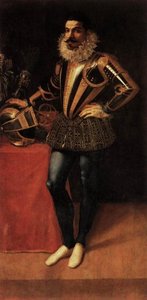
Portrait of Lucio Foppa
 1590
1590 105.0 x 50.0 cm
 Пинакотека Брера
 Читать далее
Приобретите цифровое изображение высокого разрешения в улучшенном качестве, которое значительно превосходит онлайн-превью.
Каждый файл тщательно подготавливается нашими специалистами с использованием передовых инструментов и экспертной ручной ретуши. Мы гарантируем исключительную четкость, точную цветопередачу и детальную проработку каждого изображения.
Финальный файл доставляется по электронной почте в течение 72 часов и оптимизирован для немедленного использования в профессиональной среде, при верстке и печати. Это тот же уровень качества, которому доверяют ведущие дизайнерские студии, издательства и галереи.
Цифровое изображение
Скачайте файл высокого разрешения для личного использования, печати и творческих проектов. ( Перейти к печати Купить картину ручной работы)
Включено в каждый заказ цифровых изображений
Гарантия экспертной цифровой доставки
Выбирая ArtsDot.com, вы получаете не просто изображение — вы приобретаете профессионально обработанное цифровое произведение искусства, созданное с безупречной точностью и под защитой гарантии качества. Вот всё, что автоматически входит в ваш заказ:

Мгновенная доставка по e-mail
Ваш цифровой файл в высоком разрешении будет отправлен вам по электронной почте в течение 72 часов после оформления заказа — и сразу станет доступен для использования.

Цифровой файл с ИИ-улучшением
Ваше произведение искусства проходит профессиональную оптимизацию с использованием передовых инструментов ИИ и ручной обработки, что гарантирует максимальную детализацию, четкость и точность цветопередачи.

Бессрочная бесплатная повторная доставка
Случайно удалили или потеряли файл? Не беспокойтесь — мы отправим его вам повторно в любое время и совершенно бесплатно.

Без импортных пошлин — навсегда
Наслаждайтесь вашим произведением искусства мгновенно без таможенных пошлин, сборов или затрат на доставку — цифровые загрузки всегда не облагаются налогом.

Гарантия точности цветопередачи
Мы гарантируем, что ваше цифровое изображение максимально точно передает оригинальные цвета благодаря использованию профессиональных инструментов и систем управления цветом.

Гарантия удовлетворенности 100 дней
Если вы не будете удовлетворены своим цифровым изображением, мы внесем правки или вернем 100% стоимости в течение 100 дней — без лишних вопросов.

100% Гарантия возврата средств
Не удовлетворены покупкой? Получите полный возврат средств в течение 100 дней после получения цифрового файла — без лишних вопросов.

Скидки на оптовые заказы
Купите 3 изображения, сэкономьте 10% — Купите 5, сэкономьте 15% — Купите 10+, сэкономьте 20%. Отличное решение для творческих проектов, галерей и агентств.
The Artist and His Style
Giovanni Ambrogio Figino was a pupil of Gian Paolo Lomazzo and became an important representative of the Lombard school of painting. He is best known for his portraits, which showcase his ability to capture the essence and character of his subjects. The Portrait of Lucio Foppa is one of his most notable works, demonstrating his mastery of composition, color, and technique. Key Features of the Painting The portrait depicts Lucio Foppa in a formal attire, standing with his left hand resting on a table covered with a red cloth. His right hand is placed on his hip, and he wears a doublet, puffy shirt, and black tights. The background of the painting is dark, focusing attention on the subject. The use of color is subdued, with a limited palette that emphasizes earth tones and the red of the cloth.- The painting measures 105 x 50 cm and is created on panel.
- The Pinacoteca di Brera museum has an extensive collection of Italian art, including works by Carlo Crivelli and Bartolomeo Suardi (Bramantino).
- https://ArtsDot.com offers handmade oil painting reproductions of famous artworks, including the Portrait of Lucio Foppa.
You can also explore the Pinacoteca di Brera museum's collection on https://ArtsDot.com: Pinacoteca di Brera, Milan Italy.
Похожие произведения








Биография художника
The Milanese Master of Light and Line
In the vibrant, spiritually charged atmosphere of late sixteenth-century Milan, a period defined by the profound piety of the Counter-Reformation, Giovanni Ambrogio Figino emerged as a vital voice of the Lombard School. Born in Milan around 1553, Figino was a product of an era where art served as both a window into the divine and a mirror to the burgeoning humanism of the Renaissance. His artistic journey began under the rigorous tutelage of Gian Paolo Lomazzo, a master whose influence instilled in Figino a deep reverence for anatomical precision and the classical principles of composition. This foundational training allowed him to navigate the complexities of both the spiritual and the secular, making him a versatile force in the Milanese art scene.
While many of his contemporaries focused solely on the grand scale of altarpieces, Figino possessed a unique duality in his talent. He was celebrated as much for his delicate, masterful draftsmanship as he was for his ability to breathe life into oil portraits. His drawings, which number over four hundred known pieces, reveal an artist obsessed with the nuance of form and the subtle interplay of shadow. This precision found its most profound expression in his monumental commissions, such as the breathtaking organ shutters for the Milan Cathedral. Working alongside accomplished peers like Camillo Procaccini and Giuseppe Meda, Figino helped weave a visual tapestry of biblical grandeur, depicting the epic passage of the Red Sea and the celestial ascension of Christ with a sense of movement and drama that captivated the faithful.
Psychological Depth and the Art of the Portrait
Beyond the grand narratives of the Church, Figino’s true genius often resided in the intimate spaces of portraiture. He possessed an uncanny ability to capture not just the physical likeness of his subjects, but their very essence—the quiet dignity, the underlying tension, or the intellectual weight of those who sat before him. His Portrait of Lucio Foppa stands as a testament to this psychological insight. In this work, the viewer is met with a subject rendered with such remarkable realism that the texture of his attire and the gravity of his gaze feel almost tangible. Through a subdued palette of earth tones and strategic use of light, Figini focused the viewer's attention on the character of the man, elevating the portrait from a mere record of appearance to a profound study of human identity.
This mastery extended into his religious compositions, where he sought to evoke devotion through clarity and grace. His depictions of Saint Ambrose and the Virgin with Child, currently preserved in the prestigious Brera Gallery, demonstrate a command over color and composition that reflects the stylistic elegance of the Lombard tradition. In these works, the divine is made accessible, rendered with a tactile beauty that invites contemplation. Even when exploring the more niche boundaries of his era, such as the burgeoning genre of still life, Figino displayed an adventurous spirit. His Still-life with Peaches and Fig-leaves showcases an uncommon curiosity, proving that he could find the miraculous in the mundane, capturing the luscious textures of nature with the same reverence he applied to the saints.
A Lasting Legacy in the Lombard Tradition
The historical significance of Giovanni Ambrogio Figino lies in his ability to bridge the gap between the rigorous traditions of the past and the expressive innovations of the coming century. He was an artist who could navigate the strictures of religious dogma while simultaneously exploring the burgeoning realism of portraiture and the delicate beauty of nature. His life, which concluded in 1608, marked the end of a brilliant chapter in Milanese art, yet his influence endured through the meticulousness of his drawings and the enduring power of his painted visions.
Today, the works of Figino serve as essential touchstones for understanding the artistic soul of Lombardy. His legacy is found in:
- The mastery of draftsmanship: Providing a blueprint for anatomical accuracy and preparatory excellence in the late Renaissance.
- The evolution of portraiture: Moving beyond simple representation toward deep psychological realism.
- Genre innovation: Introducing a level of sophistication to still life painting that was rare among his Italian contemporaries.
- Religious storytelling: Contributing to the visual language of the Counter-Reformation through monumental and intimate sacred art.
Giovanni Ambrogio Figino
1553 - 1608 , Italy
Основные сведения
- Artistic Movement Or Style: Lombard School
- Artists Or Movements Influenced By This Artist:
- Camillo Procaccini
- Giuseppe Meda
- Artists Who Influenced This Artist: ['Gian Paolo Lomazzo']
- Date Of Birth: Milan, Italy (1553)
- Date Of Death: 1608
- Full Name: Giovanni Ambrogio Figino
- Nationality: Italian
- Notable Artworks:
- Portrait of Lucio Foppa
- Saint Charles Borromeo
- Still-life with Peaches & Fig-leaves
- Studies for the Virgin and Saints in the Nativity (interior of shutter of the organ in Milan Cathedral)
- Saint Ambrose expelling the arians
- Virgin with child, saints, and donors
- Place Of Birth: Milan