

 Предпросмотр
 Поделиться
 Поделиться
 Детали произведения

 Скачать
 Похожие работы
 Рентгенография
 Слайд-шоу
 Статистика
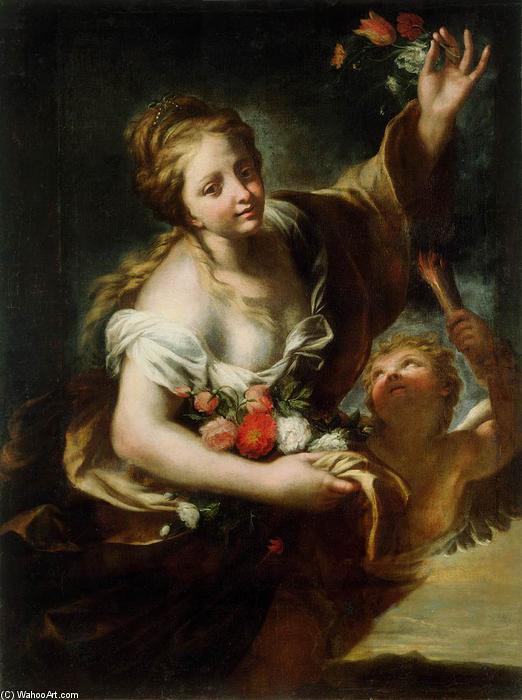
Aurora (The Dawn)
 1678
1678 97.0 x 129.0 cm
 Галерея Национальной Словении
 Читать далее
Приобретите цифровое изображение высокого разрешения в улучшенном качестве, которое значительно превосходит онлайн-превью.
Каждый файл тщательно подготавливается нашими специалистами с использованием передовых инструментов и экспертной ручной ретуши. Мы гарантируем исключительную четкость, точную цветопередачу и детальную проработку каждого изображения.
Финальный файл доставляется по электронной почте в течение 72 часов и оптимизирован для немедленного использования в профессиональной среде, при верстке и печати. Это тот же уровень качества, которому доверяют ведущие дизайнерские студии, издательства и галереи.
Цифровое изображение
Скачайте файл высокого разрешения для личного использования, печати и творческих проектов. ( Перейти к печати Купить картину ручной работы)
Включено в каждый заказ цифровых изображений
Гарантия экспертной цифровой доставки
Выбирая ArtsDot.com, вы получаете не просто изображение — вы приобретаете профессионально обработанное цифровое произведение искусства, созданное с безупречной точностью и под защитой гарантии качества. Вот всё, что автоматически входит в ваш заказ:

Мгновенная доставка по e-mail
Ваш цифровой файл в высоком разрешении будет отправлен вам по электронной почте в течение 72 часов после оформления заказа — и сразу станет доступен для использования.

Цифровой файл с ИИ-улучшением
Ваше произведение искусства проходит профессиональную оптимизацию с использованием передовых инструментов ИИ и ручной обработки, что гарантирует максимальную детализацию, четкость и точность цветопередачи.

Бессрочная бесплатная повторная доставка
Случайно удалили или потеряли файл? Не беспокойтесь — мы отправим его вам повторно в любое время и совершенно бесплатно.

Без импортных пошлин — навсегда
Наслаждайтесь вашим произведением искусства мгновенно без таможенных пошлин, сборов или затрат на доставку — цифровые загрузки всегда не облагаются налогом.

Гарантия точности цветопередачи
Мы гарантируем, что ваше цифровое изображение максимально точно передает оригинальные цвета благодаря использованию профессиональных инструментов и систем управления цветом.

Гарантия удовлетворенности 100 дней
Если вы не будете удовлетворены своим цифровым изображением, мы внесем правки или вернем 100% стоимости в течение 100 дней — без лишних вопросов.

100% Гарантия возврата средств
Не удовлетворены покупкой? Получите полный возврат средств в течение 100 дней после получения цифрового файла — без лишних вопросов.

Скидки на оптовые заказы
Купите 3 изображения, сэкономьте 10% — Купите 5, сэкономьте 15% — Купите 10+, сэкономьте 20%. Отличное решение для творческих проектов, галерей и агентств.
Description and Symbolism
The central figure is a young woman with fair skin and long blonde hair, adorned with a headband or diadem. She has a gentle expression on her face and is looking down towards a small child who is reaching out to her. The child's wings suggest they might be an angel or cherub, which is common in depictions of the dawn as it symbolizes new beginnings and purity. The woman is holding a bouquet of flowers, with red roses being particularly prominent, often associated with love and passion.Artistic Style and Technique
The painting style is Baroque, characterized by its dramatic use of light and shadow, as well as the detailed rendering of the figures' faces and clothing. The artist has paid particular attention to the folds of the woman's dress and the softness of her hair, which adds a sense of realism to the scene. You can find more information about Giovanni Andrea Carlone and his works on ArtsDot.com.- The use of light and shadow creates a sense of depth and volume in the painting.
- The detailed rendering of the figures' faces and clothing adds a sense of realism to the scene.
- The bouquet of flowers held by the woman is a symbol of love and passion.
The painting Aurora (The Dawn) by Giovanni Andrea Carlone is a masterpiece of Baroque art, showcasing the artist's skill and attention to detail. Its beautiful depiction of the dawn, symbolizing new beginnings and purity, makes it a captivating work of art that continues to inspire and delight audiences today.
Похожие произведения
Биография художника
Giovanni Andrea Carlone: A Genoese Master of the Baroque
Giovanni Andrea Carlone (1639-1697) stands as a pivotal figure in the artistic landscape of 17th-century Genoa, a city renowned for its vibrant Baroque heritage. Born in Genoa in 1603, he was the son of Giovanni Battista Carlone, a respected painter himself, and Niccoletta Scorza – an lineage that instilled within him a deep connection to the city’s artistic traditions. His early training began under his father, providing a solid foundation before he embarked on a period of intensive study in Venice, absorbing the nuances of Venetian painting and its dramatic use of color and light. This formative experience proved crucial in shaping his distinctive style, which would later characterize his work throughout Italy. Carlone’s artistic journey truly took flight after his time in Venice. He quickly established himself as a prolific artist, initially gaining recognition for his frescoes at the church of Gesù in Perugia and for depicting the life of Saint Felician in Foligno – early works that demonstrated his burgeoning talent and ability to capture religious narratives with both dynamism and emotional depth. A significant turning point in his career came when he sought mentorship under Carlo Maratta, one of Rome’s most celebrated painters, at the prestigious Carthusian Monastery studio. This association exposed him to the latest techniques and stylistic developments of the time, further refining his skills and broadening his artistic horizons. His marriage to the sister of Perruchi, a prominent figure in the service of Marchese Costaguti, solidified his position within Genoa’s aristocratic circles, providing access to influential patrons and commissions.Style and Technique: A Synthesis of Venetian Drama and Roman Precision
Carlone's artistic style is often described as a compelling synthesis of Venetian drama and Roman precision. He inherited from Venice a flair for rich color palettes, dramatic lighting effects, and dynamic compositions – elements that were hallmarks of the Venetian Baroque. However, he tempered this with the more controlled and meticulously detailed approach characteristic of Maratta’s studio. His frescoes frequently feature swirling drapery, expressive gestures, and a sense of movement that draws the viewer into the scene. He skillfully employed *chiaroscuro*, creating powerful contrasts between light and shadow to heighten emotional impact and emphasize key figures. Carlone's work is particularly notable for its vibrant use of color, especially in depicting architectural elements and decorative details – a testament to his meticulous observation and technical skill.Notable Works and Commissions
Carlone’s career produced a diverse body of work encompassing religious frescoes, altarpieces, and portraits. Among his most celebrated achievements is “Aurora (The Dawn),” a monumental fresco executed in 1678 for the National Gallery of Slovenia in Ljubljana. This masterpiece exemplifies his mastery of color and composition, capturing the ethereal beauty of dawn with breathtaking detail and emotional resonance. He also contributed significantly to Genoa’s artistic heritage through his frescoes decorating tombs within churches and private residences. His depiction of Saint Felician in Foligno remains a powerful example of his ability to imbue religious subjects with human emotion and narrative drama.Legacy and Influence
Giovanni Andrea Carlone played a crucial role in revitalizing Genoese art during the Baroque period. His work served as an inspiration for subsequent generations of artists, contributing significantly to the city’s artistic identity. His influence can be seen in the works of his brother, Niccolò Carlone, and in the broader development of Genoese painting. Carlone's commitment to innovation and his ability to seamlessly blend Venetian drama with Roman precision cemented his place as a leading figure of the Baroque era, leaving behind a legacy of vibrant frescoes and emotionally charged religious scenes that continue to captivate audiences today. His work stands as a testament to the artistic dynamism of Genoa during this pivotal period in Italian art history.Further Resources
- Wikipedia Article: Provides a comprehensive overview of his life and work.
- ArtsDot Artist Database: Offers detailed information about the artist’s career and notable works.
- Web Gallery of Art Biography: A scholarly account of his life and artistic development, drawing on historical sources.
- Sphinx Fine Art Artist Page: Showcases his artwork available for reproduction.
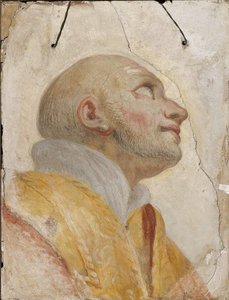
Giovanni Andrea Carlone
1603 - 1684 , Italy
Основные сведения
- Artistic Movement Or Style: Baroque
- Artists Or Movements Influenced By This Artist: ['Maratta']
- Artists Who Influenced This Artist: ['Carlo Maratta']
- Date Of Birth: 1603
- Date Of Death: 1684
- Full Name: Giovanni Andrea Carlone
- Nationality: Italian
- Notable Artworks:
- Aurora (The Dawn)
- Life of St. Felician
- Place Of Birth: Genoa, Italy