

 Предпросмотр
 Поделиться
 Поделиться
 Детали произведения

 Скачать
 Похожие работы
 Рентгенография
 Слайд-шоу
 Статистика
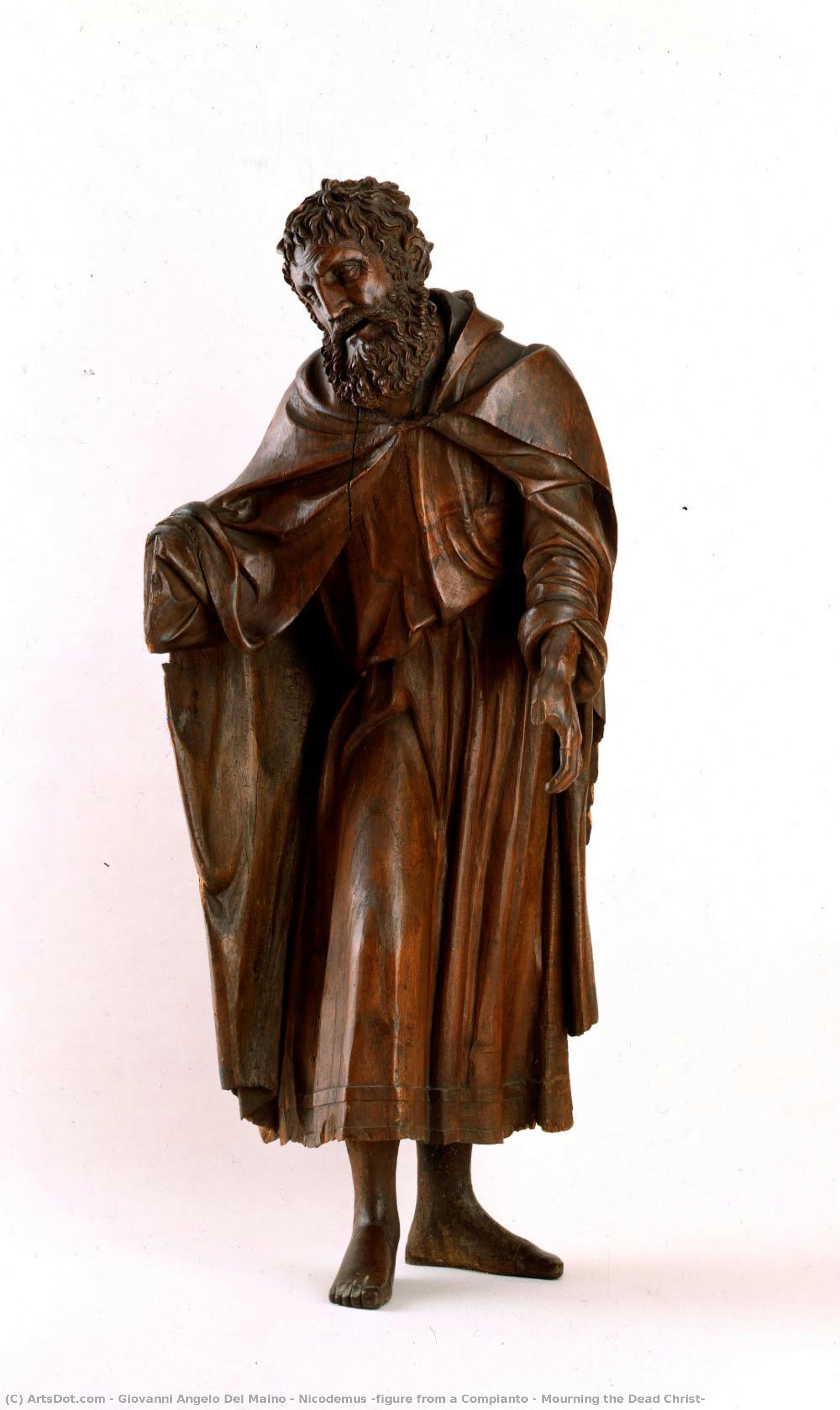
Nicodemus (figure from a Compianto - Mourning the Dead Christ)
 Renaissance
 1520
1520 147.0 x 65.0 cm
 Сфорца-Кастелло
 Читать далее
Приобретите цифровое изображение высокого разрешения в улучшенном качестве, которое значительно превосходит онлайн-превью.
Каждый файл тщательно подготавливается нашими специалистами с использованием передовых инструментов и экспертной ручной ретуши. Мы гарантируем исключительную четкость, точную цветопередачу и детальную проработку каждого изображения.
Финальный файл доставляется по электронной почте в течение 72 часов и оптимизирован для немедленного использования в профессиональной среде, при верстке и печати. Это тот же уровень качества, которому доверяют ведущие дизайнерские студии, издательства и галереи.
Цифровое изображение
Скачайте файл высокого разрешения для личного использования, печати и творческих проектов. ( Перейти к печати Купить картину ручной работы)
Включено в каждый заказ цифровых изображений
Гарантия экспертной цифровой доставки
Выбирая ArtsDot.com, вы получаете не просто изображение — вы приобретаете профессионально обработанное цифровое произведение искусства, созданное с безупречной точностью и под защитой гарантии качества. Вот всё, что автоматически входит в ваш заказ:

Мгновенная доставка по e-mail
Ваш цифровой файл в высоком разрешении будет отправлен вам по электронной почте в течение 72 часов после оформления заказа — и сразу станет доступен для использования.

Цифровой файл с ИИ-улучшением
Ваше произведение искусства проходит профессиональную оптимизацию с использованием передовых инструментов ИИ и ручной обработки, что гарантирует максимальную детализацию, четкость и точность цветопередачи.

Бессрочная бесплатная повторная доставка
Случайно удалили или потеряли файл? Не беспокойтесь — мы отправим его вам повторно в любое время и совершенно бесплатно.

Без импортных пошлин — навсегда
Наслаждайтесь вашим произведением искусства мгновенно без таможенных пошлин, сборов или затрат на доставку — цифровые загрузки всегда не облагаются налогом.

Гарантия точности цветопередачи
Мы гарантируем, что ваше цифровое изображение максимально точно передает оригинальные цвета благодаря использованию профессиональных инструментов и систем управления цветом.

Гарантия удовлетворенности 100 дней
Если вы не будете удовлетворены своим цифровым изображением, мы внесем правки или вернем 100% стоимости в течение 100 дней — без лишних вопросов.

100% Гарантия возврата средств
Не удовлетворены покупкой? Получите полный возврат средств в течение 100 дней после получения цифрового файла — без лишних вопросов.

Скидки на оптовые заказы
Купите 3 изображения, сэкономьте 10% — Купите 5, сэкономьте 15% — Купите 10+, сэкономьте 20%. Отличное решение для творческих проектов, галерей и агентств.
Похожие произведения




Биография художника
A Life Shaped by Wood and Faith: The Story of Giovanni Angelo del Maino
Giovanni Angelo del Maino (c. 1475 – date of death unknown, likely Pavia) stands as a pivotal figure in the artistic landscape of late 15th and early 16th century Lombardy. More than just a sculptor, he was a craftsman deeply rooted in tradition yet capable of injecting dramatic emotion and sophisticated composition into his works. Born into a family dynasty of woodcarvers – his father, Giacomo del Maino, headed one of Milan’s most prestigious workshops – Giovanni inherited not only technical skill but also an established legacy demanding both innovation and respect for established forms. His career unfolded primarily in Pavia and the Duchy of Milan, leaving behind a body of work that reflects the evolving artistic currents of the Renaissance while retaining a distinctly regional character.
Del Maino’s early training was undoubtedly within his father's workshop. This provided him with an invaluable foundation in the techniques of wood carving – particularly the intricate detailing required for choir stalls, architectural elements, and religious sculpture. However, he quickly distinguished himself as a sculptor capable of independent vision. His artistic development coincided with a period of significant change in Italian art, marked by the influence of artists like Donatello and Botticelli, who were pushing the boundaries of realism and emotional expression. Del Maino absorbed these influences, adapting them to his own regional context and developing a unique style characterized by dramatic poses, expressive faces, and a masterful use of light and shadow.
The Dramatic Narrative of ‘The Massacre of the Innocents’
Among Del Maino's most celebrated works is his depiction of 'The Massacre of the Innocents,' a scene brimming with pathos and violence. Executed around 1520, this sculpture exemplifies his ability to convey profound emotional depth through carefully sculpted figures. The composition—a chaotic tableau of grieving mothers and infants amidst the carnage—is both unsettling and deeply moving. Del Maino doesn’t simply depict the event; he embodies its horror and sorrow. Note the meticulous detail in the faces of the women, each expressing a unique blend of anguish and despair. The positioning of the figures, particularly the outstretched arms and contorted bodies, creates a powerful sense of immediacy and invites viewers to confront the brutality of the scene.
The sculpture’s impact was significant, demonstrating Del Maino's ability to translate complex religious narratives into emotionally resonant forms. It is believed that this work was commissioned for the church of San Giovanni Battista in Pavia, a testament to its importance within the artist’s oeuvre. The piece showcases his mastery of wood carving and his understanding of human anatomy, combined with an exceptional talent for conveying emotion.
Religious Scenes and the Compianto
Beyond ‘The Massacre of the Innocents,’ Del Maino produced a significant body of religious sculpture, often centered around the theme of the *Compianto*, or Lamentation over the Dead Christ. These works—including depictions of Mary Magdalene in sorrowful contemplation and Nicodemus mourning the fallen Savior—are characterized by their intense emotionalism and dramatic realism. His depiction of Mary Magdalene, for example, is particularly striking; she embodies a profound sense of grief, her face etched with anguish and despair. The artist’s use of light and shadow further enhances the scene's emotional impact, creating a palpable atmosphere of sorrow.
These *Compianto* scenes demonstrate Del Maino’s ability to capture the essence of religious devotion through meticulously crafted figures. His works were frequently commissioned for churches throughout Lombardy, including the Cathedral of Como and various confraternity chapels. These commissions reflect his growing reputation as a skilled and respected artist.
Influence and Legacy
Giovanni Angelo del Maino’s legacy extends beyond his individual works. He played a crucial role in transmitting artistic traditions from the late Gothic period to the early Renaissance, adapting established forms while simultaneously introducing new elements of realism and emotional expression. His work influenced subsequent generations of Lombard sculptors, contributing to the region's rich artistic heritage. His connection to the workshop of Giacomo del Maino ensured that he was exposed to a high level of craftsmanship and artistic training, providing him with a solid foundation for his own creative endeavors.
Despite the lack of definitive information regarding his death date, Del Maino’s impact on Lombard Renaissance art remains undeniable. His sculptures continue to resonate with viewers today, offering a poignant glimpse into the religious beliefs and emotional sensibilities of a bygone era. His work serves as a testament to the enduring power of wood carving and the ability of art to evoke profound emotions.
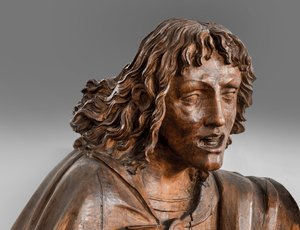
giovanni angelo del maino
1475 - 1536 , Italy
Основные сведения
- Artistic Movement Or Style: Renaissance (Lombard)
- Artists Or Movements Influenced By This Artist: ['Renaissance art']
- Artists Who Influenced This Artist: ['Donatello']
- Date Of Birth: c. 1475, Pavia
- Date Of Death: c. 1536
- Full Name: Giovanni Angelo del Maino
- Nationality: Italian
- Notable Artworks:
- Massacre of the Innocents
- Compianto Christ
- Nicodemus
- Place Of Birth: Milan, Italy