

 Предпросмотр
 Поделиться
 Поделиться
 Детали произведения

 Скачать
 Похожие работы
 Рентгенография
 Слайд-шоу
 Статистика
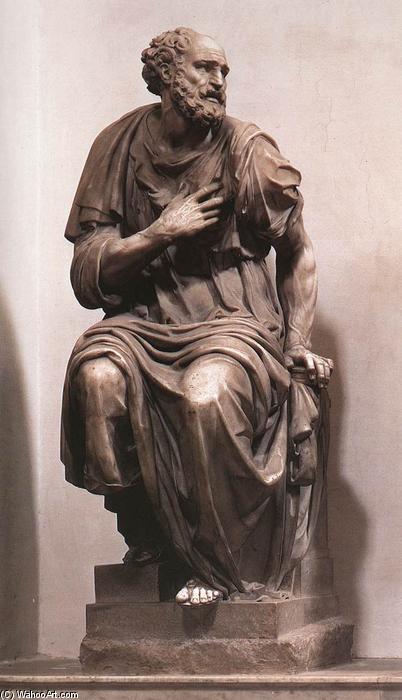
St Cosmas

 Читать далее
Приобретите цифровое изображение высокого разрешения в улучшенном качестве, которое значительно превосходит онлайн-превью.
Каждый файл тщательно подготавливается нашими специалистами с использованием передовых инструментов и экспертной ручной ретуши. Мы гарантируем исключительную четкость, точную цветопередачу и детальную проработку каждого изображения.
Финальный файл доставляется по электронной почте в течение 72 часов и оптимизирован для немедленного использования в профессиональной среде, при верстке и печати. Это тот же уровень качества, которому доверяют ведущие дизайнерские студии, издательства и галереи.
Цифровое изображение
Скачайте файл высокого разрешения для личного использования, печати и творческих проектов. ( Перейти к печати Купить картину ручной работы)
Включено в каждый заказ цифровых изображений
Гарантия экспертной цифровой доставки
Выбирая ArtsDot.com, вы получаете не просто изображение — вы приобретаете профессионально обработанное цифровое произведение искусства, созданное с безупречной точностью и под защитой гарантии качества. Вот всё, что автоматически входит в ваш заказ:

Мгновенная доставка по e-mail
Ваш цифровой файл в высоком разрешении будет отправлен вам по электронной почте в течение 72 часов после оформления заказа — и сразу станет доступен для использования.

Цифровой файл с ИИ-улучшением
Ваше произведение искусства проходит профессиональную оптимизацию с использованием передовых инструментов ИИ и ручной обработки, что гарантирует максимальную детализацию, четкость и точность цветопередачи.

Бессрочная бесплатная повторная доставка
Случайно удалили или потеряли файл? Не беспокойтесь — мы отправим его вам повторно в любое время и совершенно бесплатно.

Без импортных пошлин — навсегда
Наслаждайтесь вашим произведением искусства мгновенно без таможенных пошлин, сборов или затрат на доставку — цифровые загрузки всегда не облагаются налогом.

Гарантия точности цветопередачи
Мы гарантируем, что ваше цифровое изображение максимально точно передает оригинальные цвета благодаря использованию профессиональных инструментов и систем управления цветом.

Гарантия удовлетворенности 100 дней
Если вы не будете удовлетворены своим цифровым изображением, мы внесем правки или вернем 100% стоимости в течение 100 дней — без лишних вопросов.

100% Гарантия возврата средств
Не удовлетворены покупкой? Получите полный возврат средств в течение 100 дней после получения цифрового файла — без лишних вопросов.

Скидки на оптовые заказы
Купите 3 изображения, сэкономьте 10% — Купите 5, сэкономьте 15% — Купите 10+, сэкономьте 20%. Отличное решение для творческих проектов, галерей и агентств.
Похожие произведения
Биография художника
A Florentine Sculptor Bridging Renaissance and Antiquity
Giovanni Angelo Montorsoli, born in the small Tuscan village of Montorsolo near Florence in 1507, occupies a fascinating, if sometimes overlooked, position within the landscape of 16th-century Italian art. He wasn’t merely a sculptor; he was a conduit between the High Renaissance ideals championed by Michelangelo and the emerging stylistic currents of Mannerism, all while navigating a unique spiritual path as a Servite friar. His life story is one of artistic dedication interwoven with religious devotion, restoration work that shaped our understanding of classical antiquity, and innovative public art projects that left an indelible mark on Sicily.Early Training and the Shadow of Michelangelo
Montorsoli’s artistic journey began in Florence around 1521, apprenticing under Andrea di Piero Ferrucci, a local sculptor who instilled in him foundational skills. However, it was his subsequent association with the towering figure of Michelangelo Buonarroti that truly defined the trajectory of his career. From 1534 onwards, Montorsoli served as an assistant to Michelangelo, participating in the monumental projects at the Medici Chapel (Sacrestia Nuova) and the Biblioteca Medicea Laurenziana within the Basilica of San Lorenzo. This period was formative, exposing him to Michelangelo’s relentless pursuit of anatomical accuracy, dramatic composition, and emotional intensity. He collaborated with Raffaello da Montelupo on *St. Cosmas*, a testament to his growing skill and ability to contribute to projects under the master's guidance. The influence of Michelangelo is palpable in Montorsoli’s early works – a striving for monumental form and expressive power that would remain a hallmark of his style, even as he developed his own distinct voice.Restorer of Antiquity and Spiritual Devotion
A pivotal turn in Montorsoli's life came with his entry into the Servite Order, becoming a friar while continuing to practice his art. This dual existence—artist and religious—was not uncommon during the Renaissance but highlights the complex interplay between faith and creativity in that era. His skills soon attracted papal attention. In 1532, Pope Clement VII summoned him to Rome for the crucial task of restoring antique sculptures within the Belvedere courtyard. This wasn’t simply a matter of conservation as we understand it today; contemporary restoration practices often involved significant alterations based on prevailing aesthetic preferences. Montorsoli became intimately involved with iconic works like the *Laocoön and His Sons* group and the *Belvedere Apollo*. Perhaps most famously, he provided a new right arm to the Laocoön, an addition that dramatically altered the sculpture’s impact for centuries—and sparked considerable debate when the original limb was rediscovered in 1905. While modern conservation ethics would frown upon such interventions, Montorsoli's work undeniably contributed to the sculptures’ fame and his own burgeoning reputation.Fountains of Messina: Innovation and Legacy
In 1547, Montorsoli relocated to Messina, Sicily, marking a new chapter in his career defined by ambitious public commissions. He received prestigious contracts for monumental fountains that would become the defining achievements of his artistic life. The *Fountain of Orion*, completed in 1553, stands as a testament to his ingenuity and mastery of sculptural design. It was, at the time, the tallest and largest fountain ever constructed, showcasing a candelabrum structure reminiscent of Tribolo’s work but evolving beyond it with polygonal basins, deeply carved relief sculptures depicting mythical creatures, and statues of river gods accompanied by inscriptions from the scientist-humanist Francesco Maurolico. The fountain wasn't merely decorative; it was imbued with Neoplatonic and alchemical symbolism, reflecting the intellectual currents of the Renaissance. His *Fountain of Neptune*, completed in 1557, represented an even more radical departure from traditional fountain design. Prior to this, fountains typically featured a small figure within a basin or a wall-mounted structure. Montorsoli boldly conceived of a single, dominant central figure—Neptune himself—a concept previously only envisioned in Benvenuto Cellini’s unrealized plans for Fontainebleau. The dramatic contrast between Neptune's classical pose and the writhing figures of Scylla and Charybdis, representing the perils of the Sicilian Strait, created a dynamic and visually arresting composition that profoundly influenced subsequent fountain designs, including Ammanati’s *Neptune Fountain* in Florence’s Piazza della Signoria.A Lasting Impression
Giovanni Angelo Montorsoli died in Florence in 1563, leaving behind a legacy as an artist who skillfully bridged the gap between Renaissance ideals and classical antiquity. His work embodies a unique synthesis of spiritual devotion, technical prowess, and innovative design. While his restoration practices may be viewed with critical eyes today, they played a significant role in preserving and popularizing important ancient sculptures. His monumental fountains in Messina remain enduring testaments to his creativity and vision, solidifying his place as a pioneer in public art and a compelling figure within the rich tapestry of Italian Renaissance sculpture. He was an artist who not only created beauty but also actively shaped how we perceive and understand the artistic heritage of the past.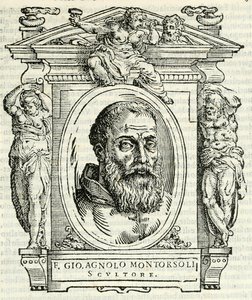
Giovanni Angelo Montorsoli
1507 - 1563 , Italy
Основные сведения
- Artistic Movement Or Style: Mannerism
- Artists Or Movements Influenced By This Artist: ['Ammanati']
- Artists Who Influenced This Artist: ['Michelangelo']
- Date Of Birth: 1507
- Date Of Death: 1563
- Full Name: Giovanni Angelo Montorsoli
- Nationality: Italian
- Notable Artworks:
- Fountain of Orion
- Fountain of Neptune
- Tomb of Sannazaro
- Drunken Satyr
- St. Cosmas
- Place Of Birth: Montorsolo, Italy