

 Поделиться
 Поделиться
 Детали произведения

 Скачать
 Похожие работы
 Слайд-шоу
 Статистика
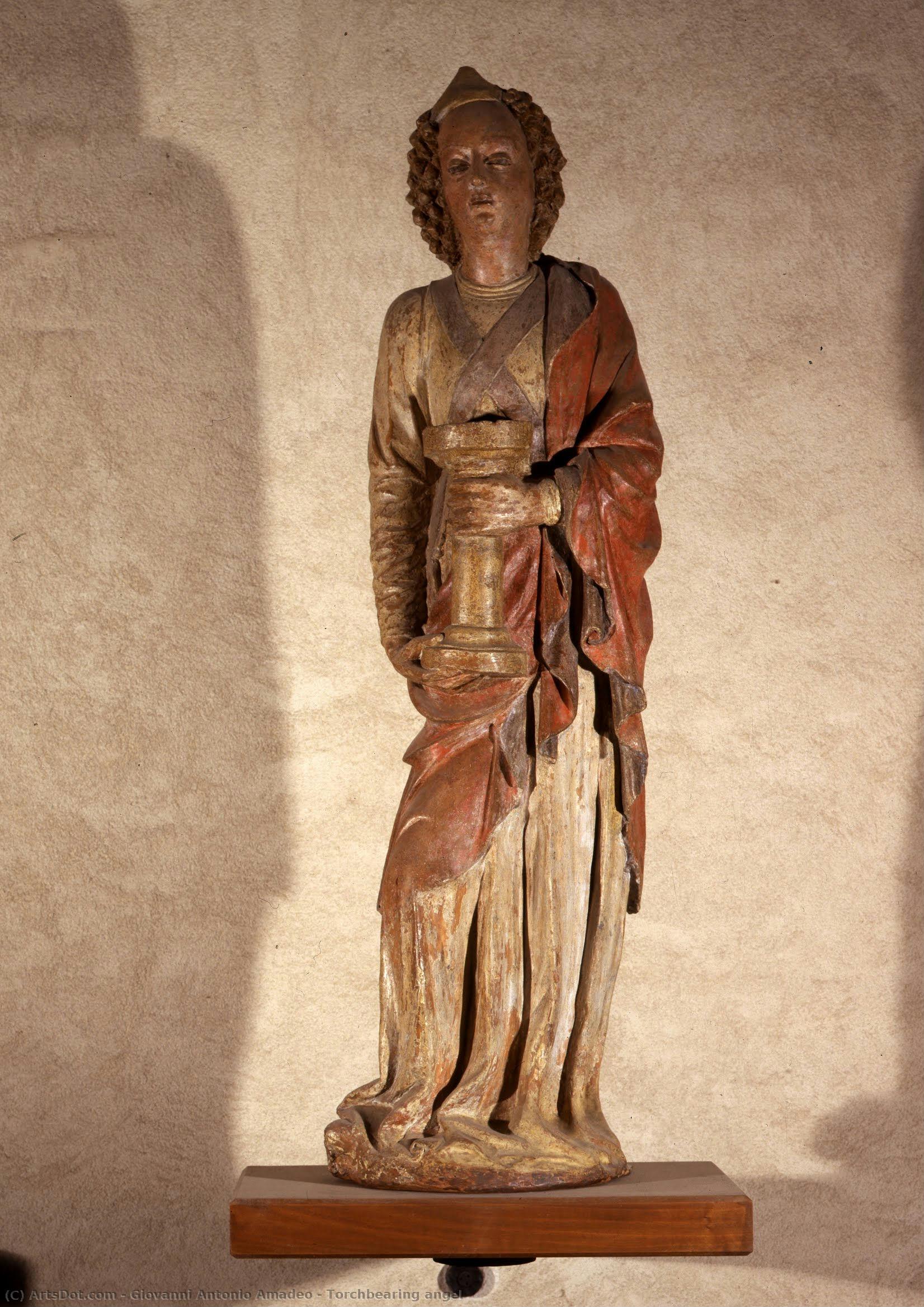
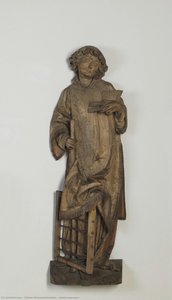
Torchbearing angel
 Wood
Wood- Sculpture
- Early Renaissance
 1466
1466- Renaissance
 139.0 x 42.0 cm
 Сфорца-Кастелло
 Читать далее
Масляная репродукция ручной работы
Картина маслом на холсте в выбранном вами размере и раме, написанная на заказ нашими художниками. ( Перейти к печати Перейти к цифровым изображениям)




































Выберите один из наших стандартных размеров, соответствующих оригинальным пропорциям произведения искусства.

Вы можете указать собственные размеры, чтобы картина идеально вписалась в выбранную раму или пространство. Если выбранный вами размер не соответствует пропорциям оригинала, мы либо обрежем полотно, либо расширим его за счет дополнительных элементов, написанных вручную. Цифровой макет будет отправлен вам на утверждение перед началом производства.
Обратите внимание, что предварительный просмотр на экране не отражает фактическую обрезку или расширение. Только макет точно покажет окончательную композицию.
Хотя доступны индивидуальные размеры, мы рекомендуем выбирать вариант из предопределенного списка, чтобы сохранить исходные пропорции.
После оформления заказа команда ArtsDot.com свяжется с клиентом по электронной почте для уточнения деталей и предоставит предварительный макет
Доставка по всему миру () за 3–4 недели вместо стандартных 5 недель. (11 Сентябрь). Без компромиссов в качестве.

Бесплатная экспресс-доставка по всему миру

Высококачественный льняной холст

Полное страхование доставки

Гарантия возмещения таможенных пошлин

Гарантия точного соответствия цветов

100-дневная политика возврата (только при обнаружении дефектов)

Гарантия возврата 100% средств

Предложение оптовых скидок
 Вариант со стеклом доступен только для размеров менее 110 см

Torchbearing angel
Техника репродукции
Размер репродукции
-


Итоговая стоимость
$ 263
A Beacon of Renaissance Devotion
In the quiet corridors of art history, few figures command attention with as much ethereal grace as the Torchbearing Angel. Created in 1466 by the master sculptor Giovanni Antonio Amadeo, this exquisite work serves as a profound testament to the spiritual fervor of the Italian Early Renaissance. The sculpture captures a celestial messenger poised in a moment of eternal vigilance, her delicate features carved with a precision that breathes life into the very grain of the medium. As she holds her torch aloft, the figure transcends mere wood and pigment, becoming a symbol of divine illumination and the triumph of light over the shadows of the unknown.
The craftsmanship displayed in this piece reflects Amadeo’s unparalleled ability to blend architectural rigor with the soft, emotive qualities of sculpture. Every detail, from the intricate folds of her garments to the serene, focused expression on her face, speaks to a period when art was used as a bridge between the earthly and the divine. For the discerning collector or interior designer, this piece offers more than just aesthetic beauty; it provides a focal point of profound historical weight, inviting a sense of contemplative peace into any curated space.
Mastery of Form and Symbolism
The technique employed in the Torchbearing Angel is a masterclass in Renaissance polychrome tradition. Amadeo, renowned for his work on monumental structures like the Certosa di Pavia, brings an architect's sense of proportion to this intimate figure. The way the light interacts with the sculpted surfaces suggests a dynamic movement, as if the flame itself might flicker at any moment. This interplay of light and shadow—chiaroscuro in sculptural form—enhances the emotional depth of the work, making the angel appear to emerge from the darkness of history into the present day.
Symbolically, the torch is a powerful motif representing knowledge, truth, and the guiding spirit. In the context of the 15th century, such an image would have resonated deeply with viewers as a reminder of the light of faith. To possess a high-quality reproduction of this masterpiece is to bring a piece of this sacred symbolism into the modern home. It serves as an evocative element for those seeking to decorate with pieces that tell a story of resilience and enlightenment, making it an ideal selection for sophisticated galleries or luxury residential interiors where art is intended to inspire thought and evoke wonder.
An Eternal Inspiration for Modern Spaces
Integrating a reproduction of Amadeo’s work into a contemporary setting allows for a breathtaking dialogue between the old world and the new. Whether placed in a minimalist study or a grand, classical hall, the Torchbearing Angel acts as an anchor of elegance. Its presence commands respect, offering a tactile connection to the genius of the Italian Renaissance. For art lovers, it is a window into a lost era of craftsmanship; for designers, it is a versatile tool for creating atmosphere and depth.
Choosing a hand-painted reproduction ensures that the delicate nuances of Amadeo's original vision are preserved, allowing the textures and subtle color shifts to captivate the eye. This artwork does not merely decorate a room; it transforms it, turning a simple wall into a sanctuary of culture and timeless beauty.
Похожие произведения

Биография художника
The Master of Lombard Renaissance Stone
In the vibrant landscape of the Italian Early Renaissance, few figures embodied the multifaceted spirit of the era quite like Giovanni Antonio Amadeo. A true polymath of the late 15th century, Amadeo moved seamlessly between the roles of sculptor, architect, and engineer, leaving an indelible mark on the Lombardy region. Born in Pavia in 1447, his life was defined by a profound connection to the stone and marble of Northern Italy, transforming cold surfaces into breathing narratives of classical antiquity and biblical grandeur. His artistry was not merely about decoration; it was about the structural and emotional integration of sculpture and architecture, creating spaces where the divine and the human intersected through intricate relief and monumental form.
The trajectory of Amadeo’s career was shaped by his ability to navigate the complex patronage of the powerful Sforza dynasty and influential religious figures. One of his most enduring legacies is found in Bergamo, specifically within the Cappella Colleoni. Tasked with completing this funerary chapel originally begun by Guiniforte and Francesco Solari, Amadeo breathed new life into the structure through a breathtaking display of polychrome decoration. He introduced a sophisticated language of ancient-style medallions, delicate small columns, and evocative busts. His mastery of the bas-relief is perhaps most evident in his "Histories from the Old Testament" and "Histories of Hercules," where he utilized the medium to weave complex mythological and sacred tapestries that captivated the eyes of contemporary viewers and continue to awe modern scholars.
Architectural Vision and Engineering Prowess
Beyond the delicate chisel work of a sculptor, Amadeo possessed the strategic mind of an engineer. This duality allowed him to contribute significantly to the structural identity of Milan and Pavia. His collaboration with other titans of the era, such as Donato Bramante, highlights his position within the highest circles of Renaissance intellectualism. Whether working on the facade of Santa Maria presso San Satiro in Milan or serving as the director of works for the new Pavia Cathedral, Amadeo’s hand was present in the very bones of these sacred structures. His ability to manage large-scale projects, such as his tenure at the Ospedale Maggiore of Milan, demonstrates a logistical brilliance that matched his aesthetic sensitivity.
His technical expertise extended far beyond the confines of the church and the cathedral. As a ducal engineer for Ludovico il Moro, Amadeo applied his understanding of geometry and structural integrity to the design of fortifications at Chiavenna and Piattamale. This period of his life reveals an artist whose intellect was deeply rooted in the practicalities of defense and durability, proving that his mastery of form was matched by a command over the physical world. The same precision required to carve the Arca di San Lanfranco in Pavia was applied to the rugged requirements of military architecture, making him a vital asset to the stability and prestige of the Duchy of Milan.
A Legacy Carved in Marble
The significance of Giovanni Antonio Amadeo lies in his role as a bridge between the late Gothic traditions and the burgeoning humanism of the Renaissance. His work at the Certosa di Pavia, particularly the intricate bas-reliefs on the facade, showcases a transition toward a more classical, ordered aesthetic that would define the Lombard style for generations. Even in his funerary monuments, such as the tomb of Medea Colleoni, he achieved a synthesis of sculptural narrative and architectural permanence, utilizing reliefs of the virtues to elevate the status of the deceased through art.
To reflect on Amadeo’s vast contributions is to trace the very evolution of Northern Italian art. His career was characterized by several key pillars of achievement:
- Narrative Sculpture: The creation of complex, multi-layered reliefs depicting both biblical histories and classical myths.
- Architectural Integration: The seamless blending of sculptural elements like medallions and columns into the structural facades of cathedrals and chapels.
- Civic and Military Engineering: The application of Renaissance mathematical principles to the design of fortifications and public hospitals.
- Collaborative Mastery: Working alongside legendary figures like Bramante to shape the urban landscape of Milan and Pavia.
Though time has weathered many of the surfaces he once polished, the essence of Amadeo’s genius remains visible in the enduring stone of Lombardy. He remains a central figure for anyone seeking to understand how the Renaissance spirit was physically constructed through the marriage of artistic beauty and engineering strength.
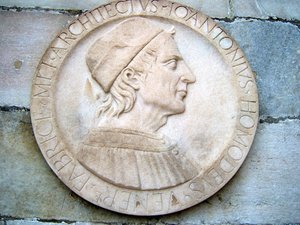
giovanni antonio amadeo
1447 - 1522 , Italy
Основные сведения
- Artistic Movement Or Style: Early Italian Renaissance
- Artists Or Movements Influenced By This Artist:
- Jean Fouquet
- Domenico Veneziano
- Artists Who Influenced This Artist:
- Ghiberti
- Masaccio
- Date Of Birth: c. 1383
- Date Of Death: c. 1447
- Full Name: Tommaso di Cristoforo Fini
- Nationality: Italian
- Notable Artworks:
- Madonna with Child
- Brancacci Chapel frescoes
- Place Of Birth: Panicale, Umbria, Italy
Похожие статьи

10 легендарных бронзовых шедевров, изменивших искусство | ArtsDot
Погрузитесь в мир великих бронзовых шедевров! От Давида Донателло до Мыслителя Родена – узнайте историю создания, технику и значение легендарных скульптур. Вдохновение для интерьера и музейное качество репродукций на ArtsDot.com.

The Enduring Form: Sculpture Across History, Technique & Emotional Resonance
Explore the rich history of sculpture with ArtsDot. Discover key techniques, influential artists & investment potential for discerning collectors. Expert insights into valuing and collecting timeless masterpieces.

10 легендарных бронзовых скульптур, изменивших искусство навсегда | ArtsDot
Погрузитесь в мир великих бронзовых скульптур! От Давида Микеланджело до работ Родена – история искусства, техники и вдохновения. Купите репродукции шедевров для вашего интерьера на ArtsDot.com

The Enduring Form: Exploring Themes & Techniques in Sculpture Across Historical Periods
Explore the rich history of sculpture from ancient masterpieces to contemporary innovations. Discover key techniques, influential artists & investment potential for discerning art collectors.
Celestial Messengers: Angels in Painting – A Historical & Artistic Exploration
Explore the captivating history of angels in painting! Discover symbolism, iconic Renaissance & Byzantine masterpieces, and renowned artists. Expert insights for art lovers & collectors at ArtsDot.