 Предпросмотр
 Поделиться
 Поделиться
 Детали произведения

 Скачать
 Похожие работы
 Рентгенография
 Слайд-шоу
 Статистика
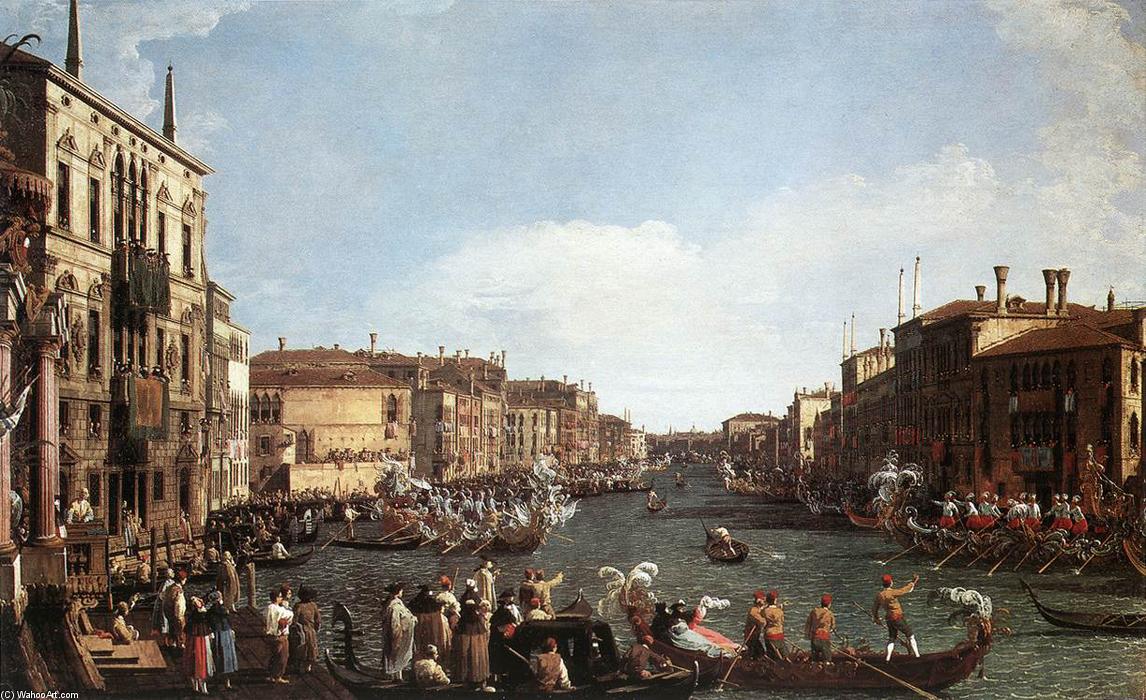
A Regatta on the Grand Canal
 Oil On Canvas
- WallArt
- Rococo
 1732
1732- Early Modern
 77.0 x 126.0 cm
 Королевская коллекция
 Читать далее
Масляная репродукция ручной работы
Картина маслом на холсте в выбранном вами размере и раме, написанная на заказ нашими художниками. ( Перейти к печати Перейти к цифровым изображениям)




P118B $10

P118H $10

P118W $10

P438Z $10

P508JH $12

P508YH $12

P805H $10

P805Z $10

P919BZ $10

P919G $10

P919XJ $10

P959ZH $10

P968JZ $12

W106C $8

W218G $10

W218JH $8

W218Y $10

W307PJ $10

W316G $10

W316PJ $8

W316Y $10

W398PJ $8

W4111J $10

W500HY $15

W500JH $15

W692G $12

W849H $8

W940BG $15

W953PJ $8




Выберите один из наших стандартных размеров, соответствующих оригинальным пропорциям произведения искусства.

Вы можете указать собственные размеры, чтобы картина идеально вписалась в выбранную раму или пространство. Если выбранный вами размер не соответствует пропорциям оригинала, мы либо обрежем полотно, либо расширим его за счет дополнительных элементов, написанных вручную. Цифровой макет будет отправлен вам на утверждение перед началом производства.
Обратите внимание, что предварительный просмотр на экране не отражает фактическую обрезку или расширение. Только макет точно покажет окончательную композицию.
Хотя доступны индивидуальные размеры, мы рекомендуем выбирать вариант из предопределенного списка, чтобы сохранить исходные пропорции.
После оформления заказа команда ArtsDot.com свяжется с клиентом по электронной почте для уточнения деталей и предоставит предварительный макет
Доставка по всему миру () за 3–4 недели вместо стандартных 5 недель. (10 Сентябрь). Без компромиссов в качестве.

Бесплатная экспресс-доставка по всему миру

Высококачественный льняной холст

Полное страхование доставки

Гарантия возмещения таможенных пошлин

Гарантия точного соответствия цветов

100-дневная политика возврата (только при обнаружении дефектов)

Гарантия возврата 100% средств

Предложение оптовых скидок
 Вариант со стеклом доступен только для размеров менее 110 см

A Regatta on the Grand Canal
Техника репродукции
Размер репродукции
-


Итоговая стоимость
$ 263
A Symphony of Venetian Splendor
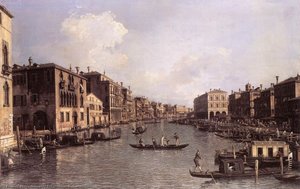
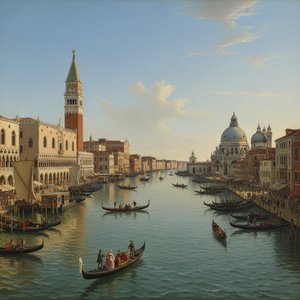
To gaze upon Canaletto’s "A Regatta on the Grand Canal" is to be instantly transported to the golden age of the Venetian Republic. Painted around 1732, this masterpiece does not merely depict a scene; it captures the very heartbeat of a city defined by its relationship with the water. The canvas unfolds as a breathtaking panorama of the legendary waterway, where the sunlight dances upon the rhythmic ripples of the canal, reflecting the architectural grandeur that lines its banks. As the viewer’s eye travels along the Grand Canal, one feels the pulse of a maritime tradition—the annual regatta—a vibrant celebration of naval victory and civic pride that has echoed through the Venetian streets for centuries.
The composition is a masterclass in perspective, employing a dramatic diagonal sweep that pulls the observer deep into the heart of the cityscape. Canaletto utilizes this technique to create an immersive experience, where the bustling activity of the foreground boats gradually recedes toward a distant, luminous horizon. This sense of infinite depth mirrors the sprawling majesty of Venice itself, making the painting feel less like a static image and more like a window into a living, breathing world. The sheer scale of the movement, from the smallest gondola to the towering palazzos, invites both the art enthusiast and the interior designer to contemplate a space filled with boundless energy and historical weight.
The Alchemy of Light and Color
At the core of Canaletto’s genius lies his unparalleled ability to manipulate light. Through the sophisticated use of chiaroscuro, he sculpts the heavy stone facades and delicate wooden vessels alike. Warm, Mediterranean sunlight bathes the rooftops in shades of ochre and beige, while cool, soft shadows pool beneath the bridges and along the canal walls, lending a profound sense of realism to the scene. This interplay of light and shadow creates a luminous effect that seems to radiate from within the canvas, a feat achieved through his meticulous technique of applying thin, translucent layers of paint known as glazing.
The color palette is a sophisticated balance of muted earth tones and sudden, brilliant accents. While the architecture is rendered in a dignified array of browns, creams, and tans, Canaletto injects life into the scene with strategic pops of crimson and azure found in fluttering flags and ceremonial decorations. These splashes of color serve as visual anchors, guiding the eye through the crowded waterway and symbolizing the vitality of Venetian society. For those seeking to adorn a sophisticated interior, such a palette offers a versatile elegance, providing a focal point that is both calming in its tonal harmony and stimulating in its intricate detail.
A Legacy of Precision and Emotion
Beyond its technical brilliance, "A Regatta on the Grand Canal" carries an emotional resonance that transcends time. There is a palpable sense of nostalgia within the brushstrokes—a longing for a period of maritime elegance and communal celebration. Every weathered stone and shimmering reflection tells a story of a city that has mastered the art of existing in harmony with the sea. The artist’s painstaking attention to detail, from the texture of the canal's surface to the architectural precision of the buildings, ensures that the painting remains a captivating subject for study and admiration.
For collectors and decorators alike, owning a high-quality reproduction of this work means bringing a piece of history into the modern home. It is an investment in atmosphere, offering a sense of grandeur, stability, and timeless beauty. Whether placed in a sunlit gallery or a quiet study, Canaletto’s vision continues to inspire awe, reminding us of the enduring power of art to freeze a moment of pure, unadulterated splendor within the flow of time.
Похожие произведения

Биография художника
Giovanni Antonio Canal (Canaletto): The Painter of Venetian Light
Giovanni Antonio Canal, universally known as Canaletto, was more than just a painter; he was the chronicler of Venice itself. Born in 1697 into a family steeped in artistic tradition – his father, Bernardo Canal, specialized in theatrical scene painting – Canaletto’s journey led him to capture the vibrant essence of his beloved city with an unprecedented level of detail and atmospheric grace. His work isn't merely documentation; it’s a celebration of light, color, and the everyday rhythms of Venetian life, establishing him as one of the most influential Vedute painters of the 18th century.
Canaletto’s early training was primarily within his father’s workshop. However, he quickly developed an independent style, influenced by the pioneering work of Giovanni Paolo Pannini, a master of topographical views who meticulously documented Italian cities. This influence is evident in Canaletto's systematic approach – creating detailed preparatory drawings before embarking on larger canvases. These sketches weren’t simply studies; they were carefully considered compositions, reflecting his deep understanding of perspective and spatial relationships.
The Rise to Prominence: Rome and the Opera Stages
In 1718, Canaletto traveled to Rome, a pivotal moment in his artistic development. He found employment designing backdrops for two operas by Alessandro Scarlatti – a demanding but invaluable experience. This immersion in theatrical scenery honed his skills in color mixing, composition, and the creation of illusionistic space. Crucially, it exposed him to the techniques of stage lighting and the importance of capturing fleeting moments with dramatic effect. The vibrant colors and dynamic scenes he encountered in Rome undoubtedly shaped his later approach to Venetian landscapes.
A Master of the Veduta: Capturing Venice’s Soul
Upon returning to Venice, Canaletto swiftly established himself as a leading painter of Vedute – views of cities. Unlike earlier artists who often depicted buildings in an idealized or fantastical manner, Canaletto sought to represent Venice with remarkable accuracy and realism. He meticulously observed the city's architecture, canals, bridges, and bustling streets, capturing their intricate details and the play of light upon them. His most famous works, such as “The Stonemason’s Yard” (circa 1725) and “Regatta on the Grand Canal,” are not simply depictions of physical spaces; they are windows into a specific time and place, imbued with a sense of atmosphere and human activity.
Collaboration and Influence: Bellotto and Beyond
Canaletto’s artistic legacy extends beyond his own individual achievements. He maintained a close working relationship with his nephew, Bernardo Bellotto, who became an accomplished painter in his own right. Together, they produced a series of panoramic views of Venice, showcasing their shared style and techniques. Bellotto's work often served as a continuation or expansion of Canaletto’s vision, particularly in documenting the city’s architecture after significant changes.
Legacy and Enduring Appeal
Canaletto’s paintings are now celebrated for their technical brilliance, atmospheric depth, and intimate portrayal of Venetian life. His work is housed in major museums around the world, including the National Gallery in London and the Getty Museum in Los Angeles, testament to his enduring influence on art history. Canaletto's meticulous approach, combined with a keen eye for light and color, continues to captivate viewers today, offering a timeless glimpse into the beauty and complexity of Venice.
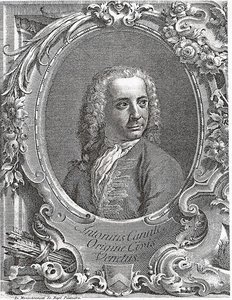
Каналлетто
1697 - 1768 , Италия
Основные сведения
- Artistic Movement Or Style: Ветюты Венеции
- Artists Or Movements Influenced By This Artist: ['Бернардо Кано']
- Artists Who Influenced This Artist: ['Джованни Паоло Паньни']
- Date Of Birth: 18 октября 1697 г.
- Date Of Death: 19 апреля 1768 г.
- Full Name: Giovanni Antonio Canal
- Nationality: Итальянец
- Notable Artworks:
- Двор каменщика
- Регата на Гранд-канале
- Этон
- Place Of Birth: Венеция, Италия
Похожие статьи

The Enduring Legacy of Fine Art Prints: Technique, History & Aesthetic Impact
Explore the rich history & techniques of fine art prints. Discover investment potential, assess authenticity, and learn how to preserve your collection with expert guidance. Trusted insights for discerning collectors.
Giovanni Antonio Canal (Canaletto): A Venetian Master of Light, Space & Societal Observation
Explore the life & art of Giovanni Antonio Canal (Canaletto), a Venetian master renowned for his breathtaking cityscapes. Discover his techniques, legacy, and captivating depictions of 18th-century Venice & London.

Giclée Prints: Archival Quality & Aesthetic Nuances for the Discerning Collector
Explore the world of giclée prints with ArtsDot. Learn about archival quality, aesthetic nuances & investment potential. Expert guidance for discerning art collectors seeking museum-quality reproductions and lasting value.

Echoes of Time: Exploring the Enduring Appeal & Historical Context of Vintage Art Prints
Explore the captivating world of vintage art prints! Discover their history, collecting tips & enduring appeal. Expert insights on chromolithography and building a legacy collection with ArtsDot.
Топ-25 шедевров Тинторетто: Венецианская драма и свет в вашем интерьере
Погрузитесь в мир драматизма и света с 25 шедеврами Тинторетто! Узнайте историю создания легендарных картин эпохи Возрождения. Репродукции высокого качества для вашего интерьера на ArtsDot.com.