

 Предпросмотр
 Поделиться
 Поделиться
 Детали произведения

 Скачать
 Похожие работы
 Рентгенография
 Слайд-шоу
 Статистика
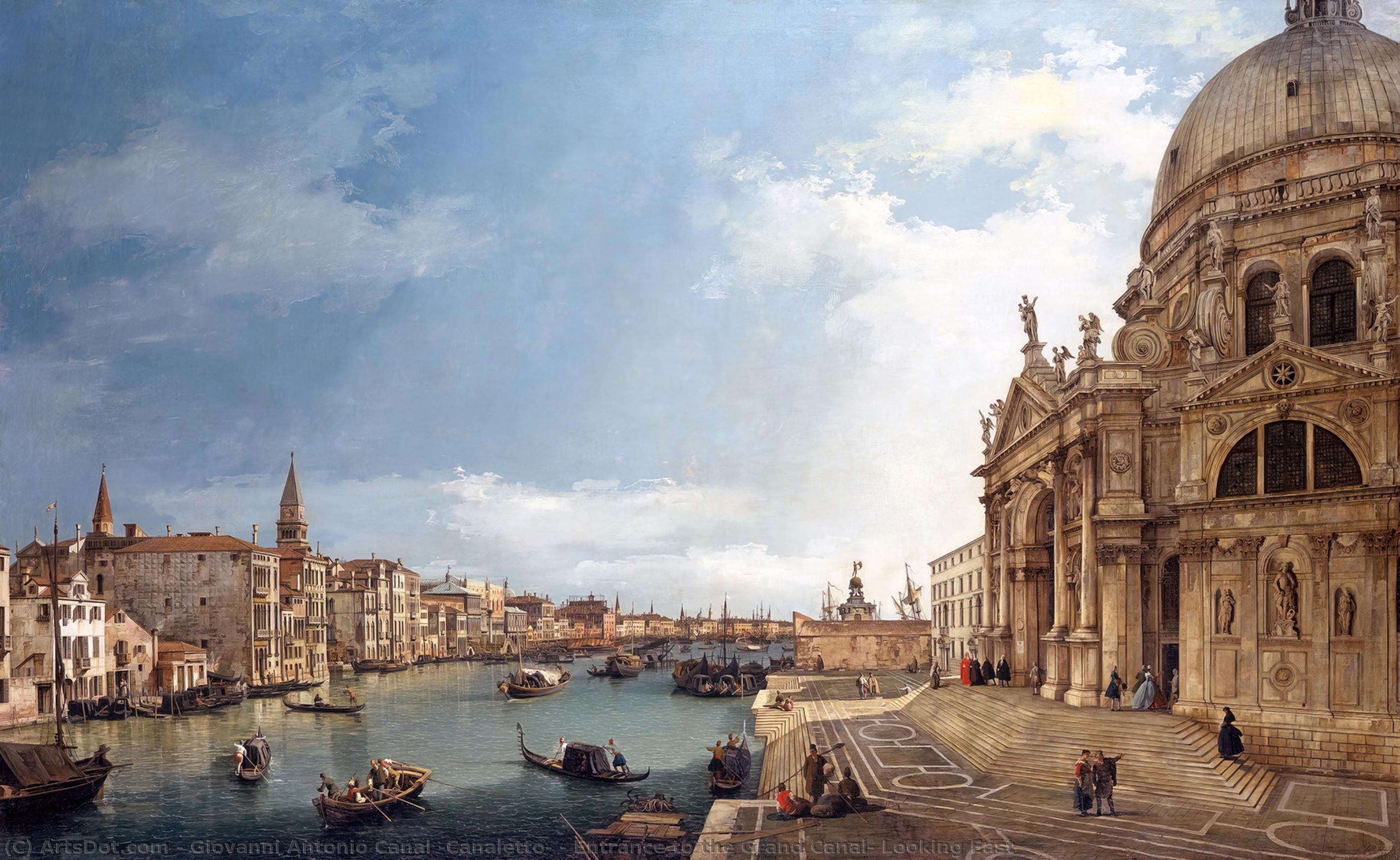
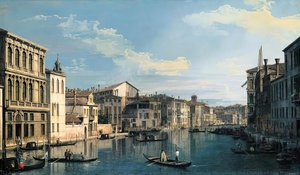
Entrance to the Grand Canal: Looking East
 Acrylic On Canvas
- WallArt
- Venetian School
 1744
1744 127.0 x 203.0 cm
 Королевская коллекция
 Читать далее
Приобретите цифровое изображение высокого разрешения в улучшенном качестве, которое значительно превосходит онлайн-превью.
Каждый файл тщательно подготавливается нашими специалистами с использованием передовых инструментов и экспертной ручной ретуши. Мы гарантируем исключительную четкость, точную цветопередачу и детальную проработку каждого изображения.
Финальный файл доставляется по электронной почте в течение 72 часов и оптимизирован для немедленного использования в профессиональной среде, при верстке и печати. Это тот же уровень качества, которому доверяют ведущие дизайнерские студии, издательства и галереи.
Цифровое изображение
Скачайте файл высокого разрешения для личного использования, печати и творческих проектов. ( Перейти к печати Купить картину ручной работы)
Включено в каждый заказ цифровых изображений
Гарантия экспертной цифровой доставки
Выбирая ArtsDot.com, вы получаете не просто изображение — вы приобретаете профессионально обработанное цифровое произведение искусства, созданное с безупречной точностью и под защитой гарантии качества. Вот всё, что автоматически входит в ваш заказ:

Мгновенная доставка по e-mail
Ваш цифровой файл в высоком разрешении будет отправлен вам по электронной почте в течение 72 часов после оформления заказа — и сразу станет доступен для использования.

Цифровой файл с ИИ-улучшением
Ваше произведение искусства проходит профессиональную оптимизацию с использованием передовых инструментов ИИ и ручной обработки, что гарантирует максимальную детализацию, четкость и точность цветопередачи.

Бессрочная бесплатная повторная доставка
Случайно удалили или потеряли файл? Не беспокойтесь — мы отправим его вам повторно в любое время и совершенно бесплатно.

Без импортных пошлин — навсегда
Наслаждайтесь вашим произведением искусства мгновенно без таможенных пошлин, сборов или затрат на доставку — цифровые загрузки всегда не облагаются налогом.

Гарантия точности цветопередачи
Мы гарантируем, что ваше цифровое изображение максимально точно передает оригинальные цвета благодаря использованию профессиональных инструментов и систем управления цветом.

Гарантия удовлетворенности 100 дней
Если вы не будете удовлетворены своим цифровым изображением, мы внесем правки или вернем 100% стоимости в течение 100 дней — без лишних вопросов.

100% Гарантия возврата средств
Не удовлетворены покупкой? Получите полный возврат средств в течение 100 дней после получения цифрового файла — без лишних вопросов.

Скидки на оптовые заказы
Купите 3 изображения, сэкономьте 10% — Купите 5, сэкономьте 15% — Купите 10+, сэкономьте 20%. Отличное решение для творческих проектов, галерей и агентств.
A Venetian Symphony of Light and Movement
Giovanni Antonio Canal, universally known as Canaletto, possessed a singular gift – the ability to capture not just the appearance of Venice, but its very essence. His “Entrance to the Grand Canal: Looking East,” painted in 1744, is more than a mere depiction of a bustling waterway; it’s a vibrant snapshot of daily life, infused with the city's characteristic energy and a masterful understanding of light and atmosphere. The painting immediately draws the eye into a scene teeming with activity – gondolas gliding across the water, merchants unloading goods, citizens engaged in animated conversation, and children playfully splashing near the canal banks. It’s a moment frozen in time, radiating warmth and a palpable sense of urban vitality.
Canaletto's genius lay not just in his meticulous observation, but in his skillful use of technique. Executed with delicate brushstrokes and a remarkably subtle palette, the work exemplifies his signature topographical style. He employed a layered approach, building up tones and textures to create an illusion of depth and volume. Notice how he masterfully renders the reflections shimmering on the water’s surface – these aren't simply mirrored images but are imbued with their own luminosity, contributing significantly to the painting’s overall sense of realism. The artist’s use of chiaroscuro—the dramatic contrast between light and shadow—further enhances the scene’s dynamism, highlighting key figures and architectural details while subtly blurring the background.
The Grand Canal: A Vein Through Venice
The Grand Canal itself is the painting's central artery, a vital lifeline for commerce and social interaction within Venice. Dating back to the 17th century, it served as the city’s primary thoroughfare, connecting its various districts and facilitating trade with the outside world. Canaletto’s depiction isn’t just of a canal; it's of a microcosm of Venetian society – a place where wealth and poverty, commerce and leisure, converge. The presence of numerous boats, each carrying its own cargo or passengers, speaks to the city’s economic importance. The bustling activity along the banks underscores Venice’s role as a vibrant hub of trade and cultural exchange.
Interestingly, Canaletto's work reflects a shift in Venetian art during this period. While earlier Venetian painters often focused on religious subjects or mythological scenes, Canaletto increasingly turned his attention to secular themes – cityscapes, portraits, and scenes of everyday life. This change mirrored the broader cultural trends of the Enlightenment, which emphasized reason, observation, and the appreciation of the natural world. His meticulous documentation of Venice’s architecture and urban landscape became highly sought after by European collectors and patrons, solidifying his reputation as one of the most important topographical artists of his time.
Symbolism and Emotional Resonance
Beyond its technical brilliance, “Entrance to the Grand Canal” is rich in symbolic meaning. The vibrant colors—the warm yellows and oranges of the sunlight, the deep blues and greens of the water—evoke a sense of optimism and prosperity. The numerous figures engaged in various activities suggest a thriving community, while their interactions hint at the complex social dynamics within Venetian society. The painting’s overall mood is one of joyful celebration – a testament to Venice's enduring beauty and vitality.
Furthermore, the composition itself contributes to the work’s emotional impact. The diagonal lines created by the boats and canals draw the viewer’s eye into the scene, creating a sense of movement and dynamism. The carefully arranged figures create a harmonious balance, while their varied gestures and expressions convey a range of emotions – curiosity, amusement, and engagement. Canaletto doesn't simply show us Venice; he invites us to experience it—to feel its energy, its beauty, and its spirit.
A Timeless Masterpiece: Reproduction Possibilities
Reproductions of “Entrance to the Grand Canal: Looking East” offer a remarkable opportunity to bring this iconic Venetian scene into your home or office. High-quality reproductions capture the painting’s exquisite detail and vibrant colors, allowing you to appreciate Canaletto's artistry from afar. Whether displayed in a formal living room or a casual study, this timeless masterpiece will undoubtedly serve as a focal point of conversation and inspiration. Consider framing it within a classic wooden frame to further enhance its historical charm.
Похожие произведения
Биография художника
Giovanni Antonio Canal (Canaletto): The Painter of Venetian Light
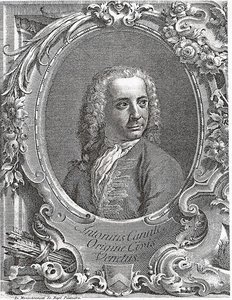
Giovanni Antonio Canal, universally known as Canaletto, was more than just a painter; he was the chronicler of Venice itself. Born in 1697 into a family steeped in artistic tradition – his father, Bernardo Canal, specialized in theatrical scene painting – Canaletto’s journey led him to capture the vibrant essence of his beloved city with an unprecedented level of detail and atmospheric grace. His work isn't merely documentation; it’s a celebration of light, color, and the everyday rhythms of Venetian life, establishing him as one of the most influential Vedute painters of the 18th century.
Canaletto’s early training was primarily within his father’s workshop. However, he quickly developed an independent style, influenced by the pioneering work of Giovanni Paolo Pannini, a master of topographical views who meticulously documented Italian cities. This influence is evident in Canaletto's systematic approach – creating detailed preparatory drawings before embarking on larger canvases. These sketches weren’t simply studies; they were carefully considered compositions, reflecting his deep understanding of perspective and spatial relationships.
The Rise to Prominence: Rome and the Opera Stages
In 1718, Canaletto traveled to Rome, a pivotal moment in his artistic development. He found employment designing backdrops for two operas by Alessandro Scarlatti – a demanding but invaluable experience. This immersion in theatrical scenery honed his skills in color mixing, composition, and the creation of illusionistic space. Crucially, it exposed him to the techniques of stage lighting and the importance of capturing fleeting moments with dramatic effect. The vibrant colors and dynamic scenes he encountered in Rome undoubtedly shaped his later approach to Venetian landscapes.
A Master of the Veduta: Capturing Venice’s Soul
Upon returning to Venice, Canaletto swiftly established himself as a leading painter of Vedute – views of cities. Unlike earlier artists who often depicted buildings in an idealized or fantastical manner, Canaletto sought to represent Venice with remarkable accuracy and realism. He meticulously observed the city's architecture, canals, bridges, and bustling streets, capturing their intricate details and the play of light upon them. His most famous works, such as “The Stonemason’s Yard” (circa 1725) and “Regatta on the Grand Canal,” are not simply depictions of physical spaces; they are windows into a specific time and place, imbued with a sense of atmosphere and human activity.
Collaboration and Influence: Bellotto and Beyond
Canaletto’s artistic legacy extends beyond his own individual achievements. He maintained a close working relationship with his nephew, Bernardo Bellotto, who became an accomplished painter in his own right. Together, they produced a series of panoramic views of Venice, showcasing their shared style and techniques. Bellotto's work often served as a continuation or expansion of Canaletto’s vision, particularly in documenting the city’s architecture after significant changes.
Legacy and Enduring Appeal
Canaletto’s paintings are now celebrated for their technical brilliance, atmospheric depth, and intimate portrayal of Venetian life. His work is housed in major museums around the world, including the National Gallery in London and the Getty Museum in Los Angeles, testament to his enduring influence on art history. Canaletto's meticulous approach, combined with a keen eye for light and color, continues to captivate viewers today, offering a timeless glimpse into the beauty and complexity of Venice.
Каналлетто
1697 - 1768 , Италия
Основные сведения
- Artistic Movement Or Style: Ветюты Венеции
- Artists Or Movements Influenced By This Artist: ['Бернардо Кано']
- Artists Who Influenced This Artist: ['Джованни Паоло Паньни']
- Date Of Birth: 18 октября 1697 г.
- Date Of Death: 19 апреля 1768 г.
- Full Name: Giovanni Antonio Canal
- Nationality: Итальянец
- Notable Artworks:
- Двор каменщика
- Регата на Гранд-канале
- Этон
- Place Of Birth: Венеция, Италия