

 Предпросмотр
 Поделиться
 Поделиться
 Детали произведения

 Скачать
 Похожие работы
 Рентгенография
 Слайд-шоу
 Статистика
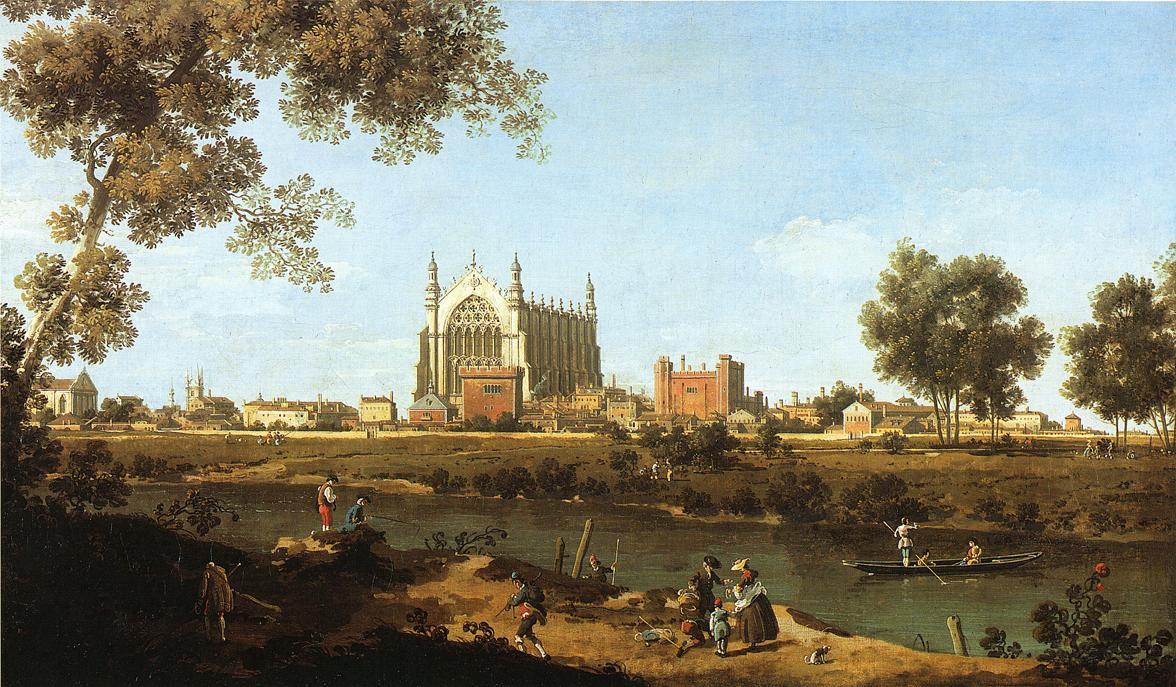
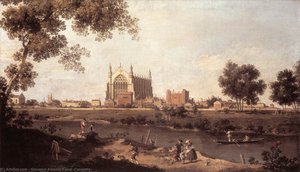
The Chapel of Eton College


 Читать далее
Приобретите цифровое изображение высокого разрешения в улучшенном качестве, которое значительно превосходит онлайн-превью.
Каждый файл тщательно подготавливается нашими специалистами с использованием передовых инструментов и экспертной ручной ретуши. Мы гарантируем исключительную четкость, точную цветопередачу и детальную проработку каждого изображения.
Финальный файл доставляется по электронной почте в течение 72 часов и оптимизирован для немедленного использования в профессиональной среде, при верстке и печати. Это тот же уровень качества, которому доверяют ведущие дизайнерские студии, издательства и галереи.
Цифровое изображение
Скачайте файл высокого разрешения для личного использования, печати и творческих проектов. ( Перейти к печати Купить картину ручной работы)
Включено в каждый заказ цифровых изображений
Гарантия экспертной цифровой доставки
Выбирая ArtsDot.com, вы получаете не просто изображение — вы приобретаете профессионально обработанное цифровое произведение искусства, созданное с безупречной точностью и под защитой гарантии качества. Вот всё, что автоматически входит в ваш заказ:

Мгновенная доставка по e-mail
Ваш цифровой файл в высоком разрешении будет отправлен вам по электронной почте в течение 72 часов после оформления заказа — и сразу станет доступен для использования.

Цифровой файл с ИИ-улучшением
Ваше произведение искусства проходит профессиональную оптимизацию с использованием передовых инструментов ИИ и ручной обработки, что гарантирует максимальную детализацию, четкость и точность цветопередачи.

Бессрочная бесплатная повторная доставка
Случайно удалили или потеряли файл? Не беспокойтесь — мы отправим его вам повторно в любое время и совершенно бесплатно.

Без импортных пошлин — навсегда
Наслаждайтесь вашим произведением искусства мгновенно без таможенных пошлин, сборов или затрат на доставку — цифровые загрузки всегда не облагаются налогом.

Гарантия точности цветопередачи
Мы гарантируем, что ваше цифровое изображение максимально точно передает оригинальные цвета благодаря использованию профессиональных инструментов и систем управления цветом.

Гарантия удовлетворенности 100 дней
Если вы не будете удовлетворены своим цифровым изображением, мы внесем правки или вернем 100% стоимости в течение 100 дней — без лишних вопросов.

100% Гарантия возврата средств
Не удовлетворены покупкой? Получите полный возврат средств в течение 100 дней после получения цифрового файла — без лишних вопросов.

Скидки на оптовые заказы
Купите 3 изображения, сэкономьте 10% — Купите 5, сэкономьте 15% — Купите 10+, сэкономьте 20%. Отличное решение для творческих проектов, галерей и агентств.
A Glimpse of Scholastic Grandeur: Canaletto’s Chapel of Eton College
Giovanni Antonio Canal, universally known as Canaletto, possessed an extraordinary gift for capturing the essence of place and time. His paintings weren't merely representations; they were windows into a world meticulously observed and rendered with breathtaking detail. Among his most celebrated works stands “The Chapel of Eton College,” a 1747 oil on canvas that offers a remarkably intimate view of this prestigious English school, viewed across the tranquil expanse of the River Thames. More than just a topographical study, it’s a testament to Canaletto's mastery of light, color, and the subtle poetry of Venetian art.
The scene unfolds with an almost palpable serenity. The chapel itself, a magnificent structure in the late Gothic style, dominates the composition, its imposing facade bathed in the soft glow of early morning light. Notice how Canaletto doesn’t simply depict the building; he imbues it with a sense of quiet dignity and permanence. The River Thames, rendered with an almost liquid quality, reflects the sky and surrounding trees, creating a harmonious blend of land and water. Scattered amongst the figures – students, clergy, and onlookers – are details that speak volumes about 18th-century English life: a gentleman in a powdered wig, a young boy gazing intently at the chapel, a dog playfully chasing a ball. These seemingly minor elements contribute to a rich tapestry of human activity within a setting of profound historical significance.
The Venetian Master’s Technique
Canaletto's distinctive style is immediately recognizable through his masterful use of *chiaroscuro*, the dramatic interplay of light and shadow. He doesn’t shy away from stark contrasts, employing them to sculpt forms, define textures, and create a sense of depth that draws the viewer into the scene. Observe how the sunlight highlights the intricate carvings on the chapel's facade, while simultaneously casting deep shadows within its recesses. This technique isn’t merely decorative; it serves to heighten the drama and emphasize the monumental scale of the building. Furthermore, Canaletto’s meticulous attention to detail is astonishing – from the individual bricks in the chapel walls to the folds of the clothing worn by the figures – every element feels painstakingly rendered.
Interestingly, scholars have long debated whether Canaletto utilized a camera obscura—a device that projects an image onto a surface—to aid in his precise depictions. The subtle blurring of distant elements and the remarkable accuracy of perspective lend credence to this theory. Regardless of the method employed, Canaletto’s ability to capture the essence of a scene with such precision is a testament to his artistic skill and observational acuity.
A Window into History
“The Chapel of Eton College” was painted during Canaletto's extended visit to England in 1747. Commissioned by English patrons, including the influential Joseph Smith, the painting served as a visual record of the country’s architectural and social landscape. Eton College itself, one of England’s oldest and most prestigious boarding schools, held immense significance at the time – a symbol of tradition, scholarship, and aristocratic privilege. The chapel, a relatively new construction completed in 1674, represented the pinnacle of this institution's aspirations.
The painting offers a valuable glimpse into the social dynamics of 18th-century England. It reveals a society deeply invested in education, religion, and the preservation of tradition. The presence of both students and clergy underscores the importance of faith within the educational system. Moreover, the depiction of everyday life – the casual conversations, the playful interactions – provides a nuanced portrait of English society beyond the confines of the school walls.
Symbolism and Emotional Resonance
Beyond its historical and artistic merits, “The Chapel of Eton College” resonates with a profound sense of tranquility and timelessness. The muted colors, the soft light, and the harmonious composition evoke a feeling of serenity and contemplation. The chapel itself, standing as a symbol of enduring knowledge and faith, invites the viewer to pause and reflect on the passage of time.
Canaletto’s ability to capture not just the appearance but also the *feeling* of a place is what elevates this painting beyond mere documentation. It's an invitation to step back into a bygone era, to witness a moment in history, and to appreciate the enduring beauty of art and architecture. Reproductions of this masterpiece offer a chance to bring this evocative scene into your own home, serving as a constant reminder of the power of observation, skill, and artistic vision.
Похожие произведения
Биография художника
Giovanni Antonio Canal (Canaletto): The Painter of Venetian Light
Giovanni Antonio Canal, universally known as Canaletto, was more than just a painter; he was the chronicler of Venice itself. Born in 1697 into a family steeped in artistic tradition – his father, Bernardo Canal, specialized in theatrical scene painting – Canaletto’s journey led him to capture the vibrant essence of his beloved city with an unprecedented level of detail and atmospheric grace. His work isn't merely documentation; it’s a celebration of light, color, and the everyday rhythms of Venetian life, establishing him as one of the most influential Vedute painters of the 18th century.
Canaletto’s early training was primarily within his father’s workshop. However, he quickly developed an independent style, influenced by the pioneering work of Giovanni Paolo Pannini, a master of topographical views who meticulously documented Italian cities. This influence is evident in Canaletto's systematic approach – creating detailed preparatory drawings before embarking on larger canvases. These sketches weren’t simply studies; they were carefully considered compositions, reflecting his deep understanding of perspective and spatial relationships.
The Rise to Prominence: Rome and the Opera Stages
In 1718, Canaletto traveled to Rome, a pivotal moment in his artistic development. He found employment designing backdrops for two operas by Alessandro Scarlatti – a demanding but invaluable experience. This immersion in theatrical scenery honed his skills in color mixing, composition, and the creation of illusionistic space. Crucially, it exposed him to the techniques of stage lighting and the importance of capturing fleeting moments with dramatic effect. The vibrant colors and dynamic scenes he encountered in Rome undoubtedly shaped his later approach to Venetian landscapes.
A Master of the Veduta: Capturing Venice’s Soul
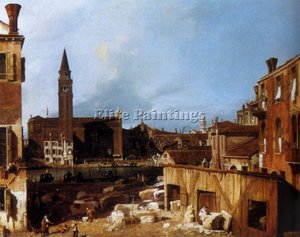
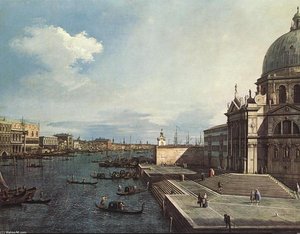
Upon returning to Venice, Canaletto swiftly established himself as a leading painter of Vedute – views of cities. Unlike earlier artists who often depicted buildings in an idealized or fantastical manner, Canaletto sought to represent Venice with remarkable accuracy and realism. He meticulously observed the city's architecture, canals, bridges, and bustling streets, capturing their intricate details and the play of light upon them. His most famous works, such as “The Stonemason’s Yard” (circa 1725) and “Regatta on the Grand Canal,” are not simply depictions of physical spaces; they are windows into a specific time and place, imbued with a sense of atmosphere and human activity.
Collaboration and Influence: Bellotto and Beyond
Canaletto’s artistic legacy extends beyond his own individual achievements. He maintained a close working relationship with his nephew, Bernardo Bellotto, who became an accomplished painter in his own right. Together, they produced a series of panoramic views of Venice, showcasing their shared style and techniques. Bellotto's work often served as a continuation or expansion of Canaletto’s vision, particularly in documenting the city’s architecture after significant changes.
Legacy and Enduring Appeal
Canaletto’s paintings are now celebrated for their technical brilliance, atmospheric depth, and intimate portrayal of Venetian life. His work is housed in major museums around the world, including the National Gallery in London and the Getty Museum in Los Angeles, testament to his enduring influence on art history. Canaletto's meticulous approach, combined with a keen eye for light and color, continues to captivate viewers today, offering a timeless glimpse into the beauty and complexity of Venice.
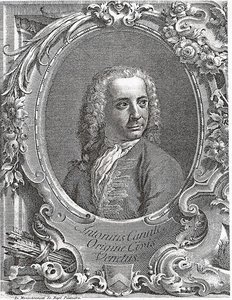
Каналлетто
1697 - 1768 , Италия
Основные сведения
- Artistic Movement Or Style: Ветюты Венеции
- Artists Or Movements Influenced By This Artist: ['Бернардо Кано']
- Artists Who Influenced This Artist: ['Джованни Паоло Паньни']
- Date Of Birth: 18 октября 1697 г.
- Date Of Death: 19 апреля 1768 г.
- Full Name: Giovanni Antonio Canal
- Nationality: Итальянец
- Notable Artworks:
- Двор каменщика
- Регата на Гранд-канале
- Этон
- Place Of Birth: Венеция, Италия