

 Предпросмотр
 Поделиться
 Поделиться
 Детали произведения

 Скачать
 Похожие работы
 Рентгенография
 Слайд-шоу
 Статистика
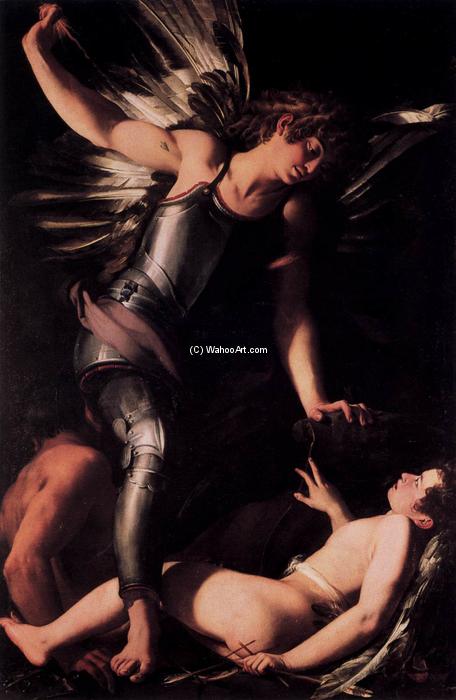
Heavenly Love and Earthly Love
 Acrylic On Canvas
- WallArt
- Baroque Style
 1602
1602 179.0 x 118.0 cm
 Стейтлешские музеи Берлина
 Читать далее
Масляная репродукция ручной работы
Картина маслом на холсте в выбранном вами размере и раме, написанная на заказ нашими художниками. ( Перейти к печати Перейти к цифровым изображениям)




P118B $10

P118H $10

P118W $10

P438Z $10

P508JH $12

P508YH $12

P805H $10

P805Z $10

P919BZ $10

P919G $10

P919XJ $10

P959ZH $10

P968JZ $12

W106C $8

W218G $10

W218JH $8

W218Y $10

W307PJ $10

W316G $10

W316PJ $8

W316Y $10

W398PJ $8

W4111J $10

W500HY $15

W500JH $15

W692G $12

W849H $8

W940BG $15

W953PJ $8




Выберите один из наших стандартных размеров, соответствующих оригинальным пропорциям произведения искусства.

Вы можете указать собственные размеры, чтобы картина идеально вписалась в выбранную раму или пространство. Если выбранный вами размер не соответствует пропорциям оригинала, мы либо обрежем полотно, либо расширим его за счет дополнительных элементов, написанных вручную. Цифровой макет будет отправлен вам на утверждение перед началом производства.
Обратите внимание, что предварительный просмотр на экране не отражает фактическую обрезку или расширение. Только макет точно покажет окончательную композицию.
Хотя доступны индивидуальные размеры, мы рекомендуем выбирать вариант из предопределенного списка, чтобы сохранить исходные пропорции.
После оформления заказа команда ArtsDot.com свяжется с клиентом по электронной почте для уточнения деталей и предоставит предварительный макет
Доставка по всему миру () за 3–4 недели вместо стандартных 5 недель. (10 Сентябрь). Без компромиссов в качестве.

Бесплатная экспресс-доставка по всему миру

Высококачественный льняной холст

Полное страхование доставки

Гарантия возмещения таможенных пошлин

Гарантия точного соответствия цветов

100-дневная политика возврата (только при обнаружении дефектов)

Гарантия возврата 100% средств

Предложение оптовых скидок
 Вариант со стеклом доступен только для размеров менее 110 см

Heavenly Love and Earthly Love
Техника репродукции
Размер репродукции
-


Итоговая стоимость
$ 263
Giovanni Baglione: A Pioneer of Art History Amidst Baroque Splendor
Giovanni Baglione (1566-1643) stands as an enigmatic figure within the artistic panorama of early 17th-century Rome—a city ablaze with innovation and rivalry. Often overshadowed by luminaries like Caravaggio and Bernini, Baglione’s contribution transcends mere painting; he was arguably the first dedicated art historian, offering a remarkably detailed eyewitness account of his era's transformative artistic currents.
Born into a noble Perugia family that had established roots in Rome for generations, Baglione’s formative years were steeped in humanist scholarship alongside artistic training. Initially mentored by Francesco Morelli—a Florentine artist who championed the revival of classical ideals—he swiftly absorbed Caravaggio's revolutionary style, embracing tenebrism and dramatic realism. This encounter ignited a fervent debate about artistic expression, propelling Baglione into a protracted confrontation with his contemporary.
Heavenly Love and Earthly Love: A Confrontation with Caravaggio
Baglione’s magnum opus, *Heavenly Love and Earthly Love*, exemplifies this stylistic tension. Painted in 1602–1603 for Cardinal Benedetto Giustiniani—a commission that fueled the artistic rivalry—the canvas depicts Eros, the god of love, engaging in a perilous battle against Anteros, the god of requited desire.
The painting’s composition is meticulously crafted, mirroring Caravaggio's groundbreaking approach. Baglione skillfully employs tenebrism—a technique characterized by stark contrasts between light and dark—to heighten dramatic intensity and focus attention on Eros and Cupid as the central figures. Unlike Caravaggio’s unflinching realism, Baglione maintains a Mannerist sensibility, incorporating attenuated proportions and stylized poses to convey an idealized vision of divine passion.
Symbolism and Narrative Depth
Beyond its stylistic innovations, *Heavenly Love and Earthly Love* resonates with profound symbolic meaning. The depiction of the naked young boy—a deliberate challenge to prevailing moral standards—underscores the painting’s exploration of human vulnerability and spiritual aspiration. Baglione's masterful use of light and shadow amplifies these themes, creating an emotionally charged tableau that captures the essence of the mythological narrative.
A Legacy Beyond Canvas
Giovanni Baglione’s enduring legacy extends far beyond his artistic achievements. His *Le Vite*, a monumental chronicle of Roman artists published in 1609–1610, remains an invaluable primary source for understanding the Baroque period—a testament to Baglione's pioneering role as an art historian and his unwavering commitment to preserving cultural memory.
Further Exploration
For a deeper appreciation of Baglione’s oeuvre and intellectual contributions, consult these resources:
- Web Gallery of Art: Heavenly Love and Earthly Love by BAGLIONE, Giovanni
- Wikipedia: Divine Love Conquering Earthly Love (Baglione)
- Galleria Nazionale d'Arte Antica: Heavenly Love and Earthly Love by Giovanni Baglione
Похожие произведения

Похожие статьи

10 Шедевров Барокко: Искусство, изменившее мир | ArtsDot.com
Погрузитесь в мир барокко! 10 шедевров Караваджо, Рембрандта и других великих художников. Узнайте историю создания культовых картин и найдите идеальную репродукцию для вашего интерьера на ArtsDot.com

10 Шедевров Барокко: Живопись, изменившая мир искусства | ArtsDot
Погрузитесь в мир барокко! 10 шедевров Караваджо, Рубенса, Рембрандта и Вермеера. Узнайте историю создания культовых картин и вдохновитесь для оформления интерьера. Репродукции музейного качества на ArtsDot.com.

The Visceral Stage: Exploring Dramatic Narratives & Emotional Intensity in Baroque Art
Explore the dramatic world of Baroque art! Discover iconic masters like Caravaggio & Rembrandt, their techniques, and the movement's lasting impact. Expert insights for collectors & enthusiasts at ArtsDot.

The Dramatic Flourish: Exploring the Baroque Movement's Enduring Legacy in Art History
Explore the dramatic world of Baroque art! Discover iconic artists like Caravaggio & Rubens, defining techniques, and its lasting impact on art history. Expert insights for collectors & enthusiasts at ArtsDot.

Theatricality & Triumph: Baroque Drama in Painting & Sculpture
Explore the dramatic world of Baroque art! Discover its history, defining characteristics, & lasting influence on painting & sculpture. Expert insights into Caravaggio, Zurbarán, and Bernini – plus high-quality reproductions at ArtsDot.