

 Предпросмотр
 Поделиться
 Поделиться
 Детали произведения

 Скачать
 Похожие работы
 Рентгенография
 Слайд-шоу
 Статистика
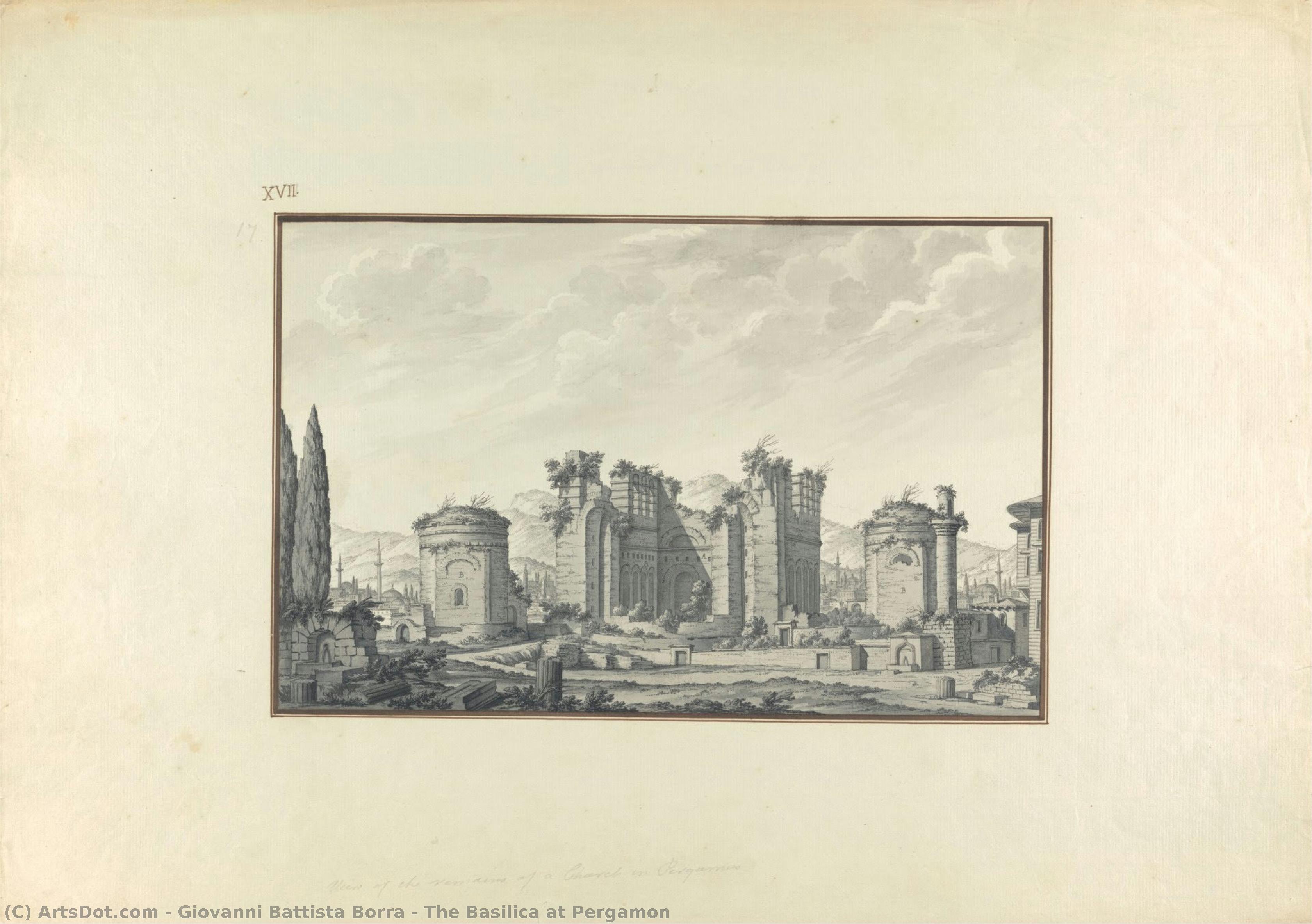
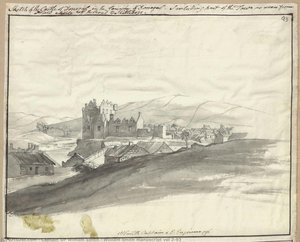
The Basilica at Pergamon
 Graphite
- Baroque Architecture
 1750
1750 38.0 x 53.0 cm
 Йельский центр британского искусства
 Читать далее
Приобретите цифровое изображение высокого разрешения в улучшенном качестве, которое значительно превосходит онлайн-превью.
Каждый файл тщательно подготавливается нашими специалистами с использованием передовых инструментов и экспертной ручной ретуши. Мы гарантируем исключительную четкость, точную цветопередачу и детальную проработку каждого изображения.
Финальный файл доставляется по электронной почте в течение 72 часов и оптимизирован для немедленного использования в профессиональной среде, при верстке и печати. Это тот же уровень качества, которому доверяют ведущие дизайнерские студии, издательства и галереи.
Цифровое изображение
Скачайте файл высокого разрешения для личного использования, печати и творческих проектов. ( Перейти к печати Купить картину ручной работы)
Включено в каждый заказ цифровых изображений
Гарантия экспертной цифровой доставки
Выбирая ArtsDot.com, вы получаете не просто изображение — вы приобретаете профессионально обработанное цифровое произведение искусства, созданное с безупречной точностью и под защитой гарантии качества. Вот всё, что автоматически входит в ваш заказ:

Мгновенная доставка по e-mail
Ваш цифровой файл в высоком разрешении будет отправлен вам по электронной почте в течение 72 часов после оформления заказа — и сразу станет доступен для использования.

Цифровой файл с ИИ-улучшением
Ваше произведение искусства проходит профессиональную оптимизацию с использованием передовых инструментов ИИ и ручной обработки, что гарантирует максимальную детализацию, четкость и точность цветопередачи.

Бессрочная бесплатная повторная доставка
Случайно удалили или потеряли файл? Не беспокойтесь — мы отправим его вам повторно в любое время и совершенно бесплатно.

Без импортных пошлин — навсегда
Наслаждайтесь вашим произведением искусства мгновенно без таможенных пошлин, сборов или затрат на доставку — цифровые загрузки всегда не облагаются налогом.

Гарантия точности цветопередачи
Мы гарантируем, что ваше цифровое изображение максимально точно передает оригинальные цвета благодаря использованию профессиональных инструментов и систем управления цветом.

Гарантия удовлетворенности 100 дней
Если вы не будете удовлетворены своим цифровым изображением, мы внесем правки или вернем 100% стоимости в течение 100 дней — без лишних вопросов.

100% Гарантия возврата средств
Не удовлетворены покупкой? Получите полный возврат средств в течение 100 дней после получения цифрового файла — без лишних вопросов.

Скидки на оптовые заказы
Купите 3 изображения, сэкономьте 10% — Купите 5, сэкономьте 15% — Купите 10+, сэкономьте 20%. Отличное решение для творческих проектов, галерей и агентств.
Giovanni Battista Borra: A Pioneer of Ruin Landscapes
Giovanni Battista Borra (1713-1770) stands as a pivotal figure in the Baroque artistic landscape, particularly renowned for his masterful depictions of ancient ruins—a genre that profoundly influenced European aesthetics during his lifetime. Born in Dogliani, Piedmont, Borra’s formative years instilled within him an unwavering dedication to architectural precision and observation, ultimately shaping his distinctive approach to portraying the grandeur and melancholy beauty of forgotten civilizations. His training under Bernardo Antonio Vittone honed his foundational skills, preparing him for a career marked by groundbreaking explorations into artistic representation. ### The Expedition to Asia Minor: Capturing Ephemeral Majesty A transformative experience arrived in 1750 when Borra joined Robert Wood’s ambitious antiquarian expedition to Asia Minor and Syria—a journey that cemented his reputation as an architectural draughtsman of exceptional talent. This expedition wasn't merely a scholarly pursuit; it was a quest to document the vestiges of antiquity, capturing fleeting glimpses of monumental structures ravaged by time. At Balbec (Baalbek), Borra meticulously recorded the colossal columns of Heliopolis and Baalbek Temple, striving to convey their imposing scale and weathered magnificence—a feat that would inspire subsequent artists and designers. The expedition’s meticulous drawings served as a catalyst for disseminating knowledge about classical architecture across Europe. ### “The Basilica at Pergamon”: A Symphony of Light and Shadow Borra's magnum opus, "The Basilica at Pergamon," exemplifies his artistic vision and technical prowess. Executed around 1750, this painting—a grayscale wash over graphite on beige laid paper—is more than just a visual record; it’s an emotive meditation on decay and resilience. The composition skillfully juxtaposes the crumbling edifice of Pergamon with two figures positioned strategically within the scene—one near the left side, gazing upwards towards the soaring columns, while another occupies a central position, reflecting upon the monument's history. Borra’s masterful use of light and shadow enhances the dramatic effect, emphasizing the textures of stone and conveying a palpable sense of solemn contemplation. ### Symbolism and Influence: Echoes of Classical Idealism “The Basilica at Pergamon” transcends mere representation; it embodies the spirit of Neoclassical idealism—a reaction against the excesses of Baroque ornamentation. Borra’s depiction harkens back to the grandeur of Roman temples, celebrating architectural harmony and conveying a reverence for antiquity's enduring legacy. This artwork profoundly impacted subsequent generations of artists and designers, inspiring them to incorporate classical motifs into their own creations—a trend that continues to resonate in contemporary art and interior design. The Basilica at Pergamon remains an unforgettable testament to Borra’s artistic genius and his contribution to the visual culture of the Enlightenment era.Похожие произведения
Биография художника
Giovanni Battista Borra: Life and Legacy
- Born: December 27, 1713, Dogliani, Italy
- Died: November 1770, Turin, Italy
- Occupation: Architect, Engineer, Architectural Draughtsman
Early Life and Education
- Borra's early life was rooted in Dogliani, a town in Piedmont.
- He received formal architectural training under Bernardo Antonio Vittone from 1733 to 1736. This period significantly shaped his foundational skills in architecture and engineering.
- In 1748, Borra demonstrated his expertise by publishing "A Handbook on Buildings' Stability," showcasing a practical understanding of structural principles.
The Asia Minor Expedition and its Impact
- A pivotal moment in Borra’s career was his participation in an antiquarian expedition to Asia Minor and Syria from 1750 to 1751, alongside Robert Wood and James Dawkins. He served as the expedition's architectural draughtsman.
- During this journey, he meticulously documented ancient ruins, most notably at Balbec (Baalbek) and Palmyra. These sketches formed the basis for Wood’s publications, "The Ruins of Balbec" and "The Ruins of Palmyra."
- These drawings were highly influential, popularizing motifs from Baalbek and Palmyra in interior decorations across England and Italy.
Major Works and Commissions
- Palazzo Isnardi di Caraglio (Turin): Borra collaborated with Benedetto Innocente Alfieri on the remodelling and decoration of this palace, showcasing his ability to integrate classical influences into Piedmontese architecture.
- Castello dei Racconigi (near Turin): He undertook a significant project involving the remodelling and extension of Guarino Guarini's castle, commissioned by Prince Ludovico di Carignano.
- Fortifications at Alessandria: Borra contributed to the fortifications of Alessandria in Piedmont, demonstrating his engineering skills.
- Hydraulic Projects: He was involved in various hydraulic projects throughout Piedmont, further highlighting his diverse engineering capabilities.
- Norfolk House (London): Designed interiors for this London townhouse, incorporating Rococo elements and motifs inspired by ancient ruins.
- Stowe House: Borra contributed to the decoration of Stowe House, working with Robert Adam on alterations and executing designs for various structures within the estate.
Historical Significance and Influence
- Borra’s meticulous architectural drawings played a crucial role in disseminating knowledge about ancient sites like Balbec and Palmyra during the 18th century.
- His work significantly influenced interior design trends, popularizing classical motifs in both England and Italy.
- As an architectural draughtsman for Robert Wood's publications, Borra helped shape public perception of these important archaeological sites.
- Borra’s legacy lies not only in his individual projects but also in his contribution to the broader cultural exchange between Europe and the Middle East during a period of growing interest in classical antiquity.

Giovanni Battista Borra
1713 - 1770 , Italy
Основные сведения
- Artistic Movement Or Style: Rococo, Neoclassical
- Artists Or Movements Influenced By This Artist: ['English and Italian decorators']
- Artists Who Influenced This Artist: ['Bernardo Antonio Vittone']
- Date Of Birth: December 27, 1713
- Date Of Death: November 1770
- Full Name: Giovanni Battista Borra
- Nationality: Italian
- Notable Artworks:
- The Basilica at Pergamon
- Ruins of Balbec
- Ruins of Palmyra
- Place Of Birth: Dogliani, Italy