

 Предпросмотр
 Поделиться
 Поделиться
 Детали произведения

 Скачать
 Похожие работы
 Рентгенография
 Слайд-шоу
 Статистика
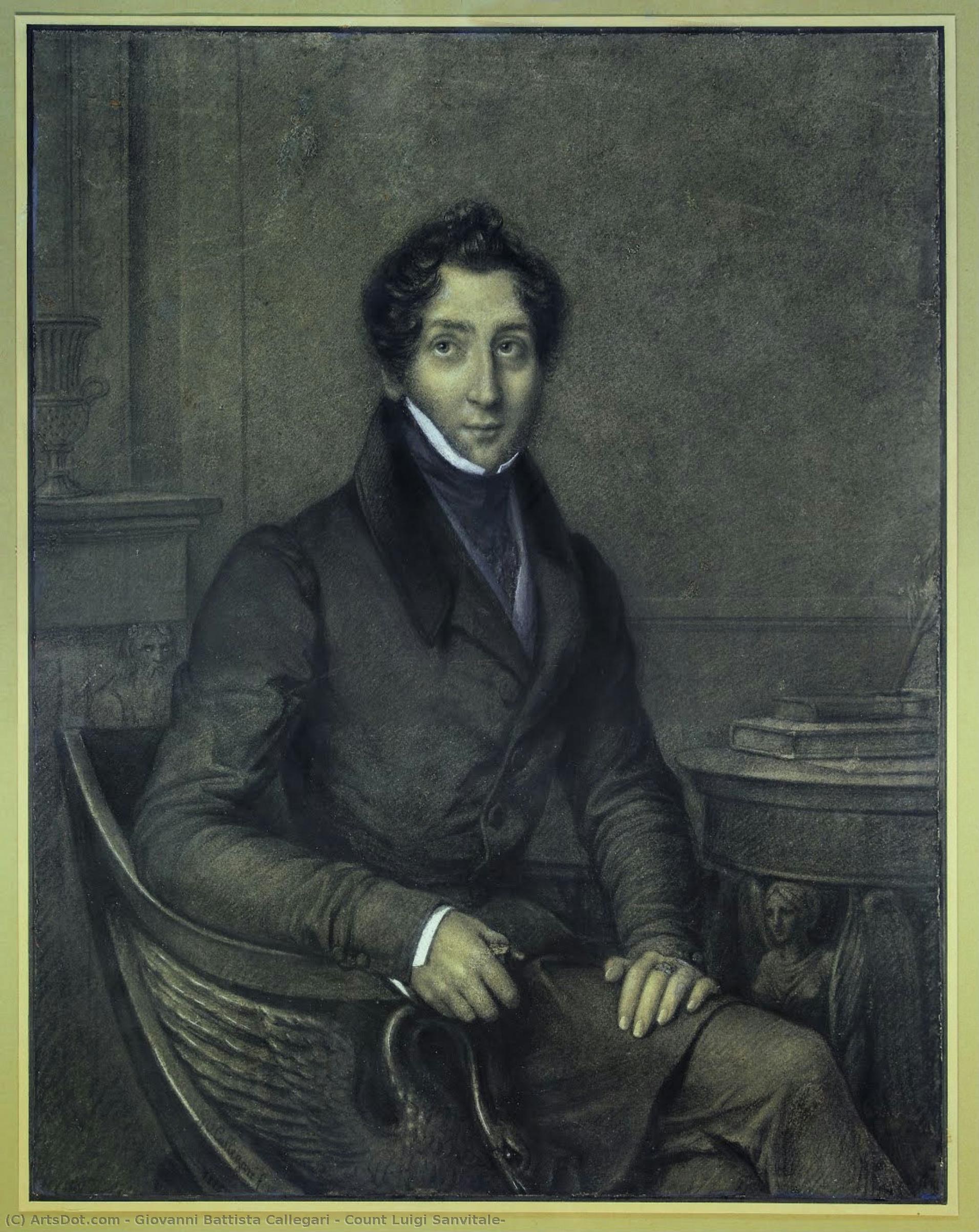
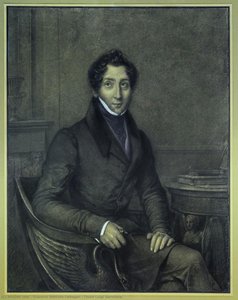
Count Luigi Sanvitale


 Читать далее
Жикле / Арт-принт
Печать (жикле) или холст музейного качества с быстрыми сроками изготовления и широким выбором вариантов отделки. ( Купить картину ручной работы Перейти к цифровым изображениям)




































Выберите один из наших стандартных размеров, соответствующих оригинальным пропорциям произведения искусства.

Вы можете указать свои собственные размеры, чтобы репродукция идеально подошла под конкретную раму или пространство. Если выбранный вами размер не будет соответствовать пропорциям оригинала, мы либо обрежем произведение, либо дополним изображение зеркальным отражением краев или однотонной заливкой. Перед началом производства вам будет отправлен цифровой макет для утверждения.
Пожалуйста, обратите внимание, что предварительный просмотр на экране не отображает фактическую обрезку или расширение изображения. Только макет точно покажет финальную композицию.
Несмотря на возможность заказа индивидуальных размеров, мы рекомендуем выбирать размер из предопределенного списка, чтобы сохранить оригинальные пропорции.
Доставка по всему миру () за 2 недели вместо стандартных 4/5 недель. (11 Сентябрь)

Бесплатная экспресс-доставка по всему миру

Высококачественный льняной холст

Полное страхование доставки

Гарантия возмещения таможенных пошлин

Гарантия точного соответствия цветов

100-дневная политика возврата (только при обнаружении дефектов)

Гарантия возврата 100% средств

Предложение оптовых скидок
 Вариант со стеклом доступен только для размеров менее 110 см

Count Luigi Sanvitale
Жикле / Арт-принт
Размер репродукции
-


Итоговая стоимость
$ 62
Похожие произведения

Биография художника
Giovanni Battista Callegari: A Parma Portraitist of the Early 19th Century
Born in Parma, Italy, in 1785, Giovanni Battista Callegari emerged as a significant figure in Italian art during the early 19th century. His career spanned several decades, marked by a dedication to portraiture and engraving, reflecting the artistic currents of his time – a blend of Rococo elegance and burgeoning Neoclassical ideals. While not achieving widespread fame like some of his contemporaries, Callegari’s work offers a valuable glimpse into the social and cultural landscape of Parma and its surrounding region.
Callegari's formal training began at the Academy of Fine Arts in Parma, under the tutelage of Biagio Martini. This foundation provided him with essential skills in drawing and painting techniques. Notably, he later collaborated closely with Paolo Toschi on various engraving projects, a skill that undoubtedly influenced his later work and expanded his artistic repertoire beyond purely painted portraits.
A Portrait of Distinction: The Neipperg Commission
Among Callegari’s most celebrated works is the 1825 portrait of General Adam Albrecht Neipperg, a prominent Austrian military officer. This painting exemplifies Callegari's ability to capture both the formal dignity and individual character of his subjects. The composition, typical of the era, emphasizes the general’s bearing and authority, rendered with careful attention to detail in his uniform and attire. The portrait is not merely a likeness; it aims to convey status and power through skillful manipulation of light, shadow, and pose.
Details about the commission itself are somewhat scarce, but such portraits were often commissioned by wealthy patrons or government officials seeking to commemorate their achievements and display their connections. Callegari’s success in securing this prestigious assignment speaks volumes about his reputation as a skilled portraitist within Parma's artistic circles.
Influences and Artistic Style
Callegari’s style can be characterized as a refined blend of Rococo and Neoclassical influences. He inherited the elegance and decorative sensibilities of the Rococo tradition, evident in his use of soft colors, flowing drapery, and an emphasis on beauty and grace. However, he also embraced the more structured and idealized forms associated with Neoclassicism, particularly in his depictions of formal attire and the careful rendering of anatomical detail. His work demonstrates a sensitivity to classical art, though it never fully abandons the stylistic conventions of his time.
The influence of contemporary artistic trends is also apparent in his engravings. These prints showcase a mastery of technique and a keen eye for composition, often depicting historical or mythological subjects with a level of detail and precision. His collaboration with Paolo Toschi further broadened his exposure to diverse engraving styles and subject matter.
Legacy and Historical Context
Giovanni Battista Callegari’s contribution to Italian art lies primarily in the realm of portraiture and engraving. While he may not be as widely recognized as some of his contemporaries, his work provides a valuable record of the artistic tastes and social dynamics of Parma during the early 19th century. His portraits offer intimate glimpses into the lives of prominent figures, while his engravings reflect the broader cultural interests of the period.
Studying Callegari’s oeuvre alongside works by other artists from the same era—such as those of Giovanni Segantini and Giovanni Battista Piranesi—offers a richer understanding of the diverse artistic landscape of Italy during this transformative time. His legacy endures through his preserved portraits, offering a tangible connection to a bygone era.
giovanni battista callegari
1785 - 1855 , Italy
Основные сведения
- Artistic Movement Or Style: Neoclassical & Rococo
- Date Of Birth: 1785
- Date Of Death: 1855
- Full Name: Giovanni Battista Callegari
- Nationality: Italian
- Notable Artworks:
- Portrait of Neipperg (1825)
- Count Luigi Sanvitale
- Place Of Birth: Parma, Italy
Похожие статьи
Carlo Carrà: Futurist Visions & Metaphysical Transformations in Early 20th-Century Italian Painting
Explore the artistic journey of Carlo Carrà, a pivotal figure in Italian Futurism & Metaphysical painting. Discover his dynamic compositions, collaborations with de Chirico, and lasting influence on modern art history.
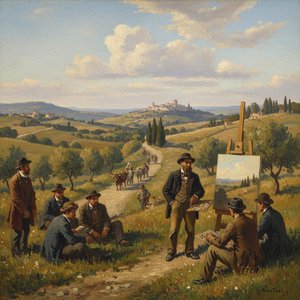
Giovanni Fattori: Realism, Identity & the Tuscan Landscape – A Macchiaioli Master
Explore the life & art of Giovanni Fattori, a leading figure of the Macchiaioli movement. Discover his revolutionary realism, captivating Tuscan landscapes, and lasting impact on Italian painting. Learn more at ArtsDot.
Civic Virtue and Artistic Rivalry: Patronage and Innovation in the Italian Renaissance Republics, 1400–1600
Explore the Italian Renaissance! Discover how competitive patronage & humanist ideals fueled artistic innovation in republics like Florence & Venice. Expert insights for art lovers and collectors.
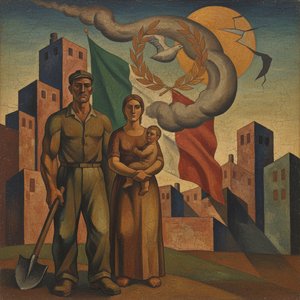
Mario Sironi: A Poetic of Modern Italian Identity Through Symbolism & Social Commentary
Explore the profound works of Mario Sironi, a key figure in Italian Modernism. Discover his evolution from Futurism to Metaphysical painting and his powerful social commentary. Learn about his legacy at ArtsDot.
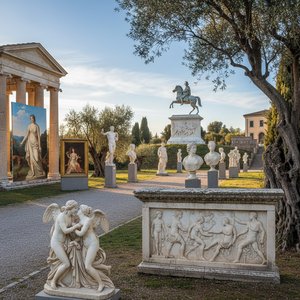
10 Шедевров Неоклассицизма: Искусство, Определившее Эпоху | ArtsDot
Погрузитесь в мир неоклассицизма! 10 шедевров от Давида, Кановы и других великих художников. Узнайте историю создания культовых картин и найдите идеальную репродукцию для вашего интерьера на ArtsDot.com