

 Предпросмотр
 Поделиться
 Поделиться
 Детали произведения

 Скачать
 Похожие работы
 Рентгенография
 Слайд-шоу
 Статистика
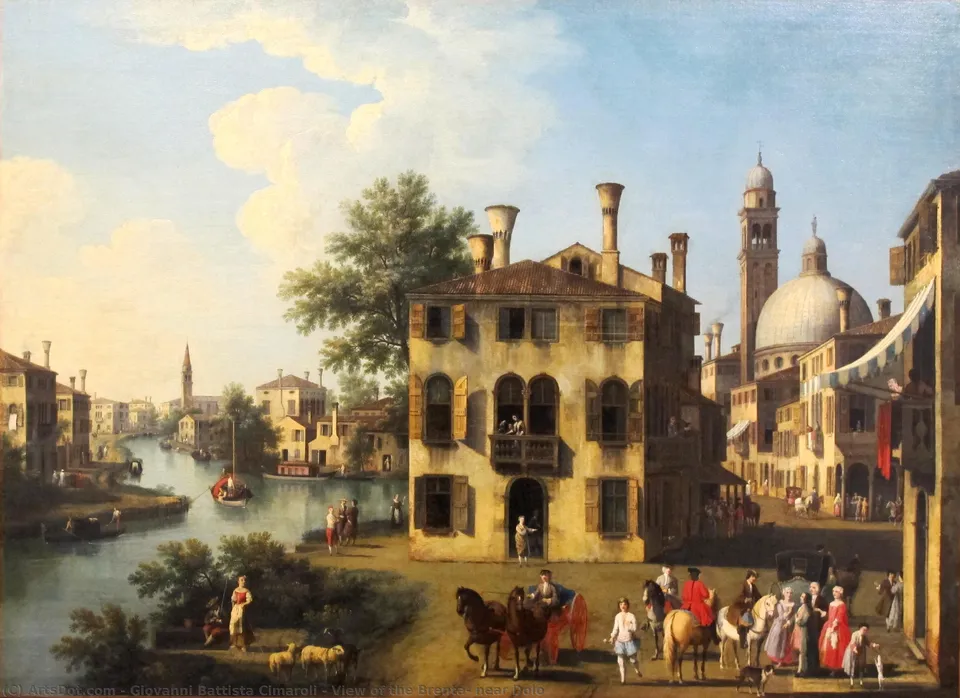
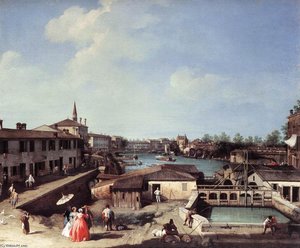
View of the Brenta, near Dolo
 Oil On Canvas
- WallArt
- Rococo
 701
701- Early Modern
 82.0cm x 113.0cm
 Музей Метрополитен
 Читать далее
Приобретите цифровое изображение высокого разрешения в улучшенном качестве, которое значительно превосходит онлайн-превью.
Каждый файл тщательно подготавливается нашими специалистами с использованием передовых инструментов и экспертной ручной ретуши. Мы гарантируем исключительную четкость, точную цветопередачу и детальную проработку каждого изображения.
Финальный файл доставляется по электронной почте в течение 72 часов и оптимизирован для немедленного использования в профессиональной среде, при верстке и печати. Это тот же уровень качества, которому доверяют ведущие дизайнерские студии, издательства и галереи.
Цифровое изображение
Скачайте файл высокого разрешения для личного использования, печати и творческих проектов. ( Перейти к печати Купить картину ручной работы)
Включено в каждый заказ цифровых изображений
Гарантия экспертной цифровой доставки
Выбирая ArtsDot.com, вы получаете не просто изображение — вы приобретаете профессионально обработанное цифровое произведение искусства, созданное с безупречной точностью и под защитой гарантии качества. Вот всё, что автоматически входит в ваш заказ:

Мгновенная доставка по e-mail
Ваш цифровой файл в высоком разрешении будет отправлен вам по электронной почте в течение 72 часов после оформления заказа — и сразу станет доступен для использования.

Цифровой файл с ИИ-улучшением
Ваше произведение искусства проходит профессиональную оптимизацию с использованием передовых инструментов ИИ и ручной обработки, что гарантирует максимальную детализацию, четкость и точность цветопередачи.

Бессрочная бесплатная повторная доставка
Случайно удалили или потеряли файл? Не беспокойтесь — мы отправим его вам повторно в любое время и совершенно бесплатно.

Без импортных пошлин — навсегда
Наслаждайтесь вашим произведением искусства мгновенно без таможенных пошлин, сборов или затрат на доставку — цифровые загрузки всегда не облагаются налогом.

Гарантия точности цветопередачи
Мы гарантируем, что ваше цифровое изображение максимально точно передает оригинальные цвета благодаря использованию профессиональных инструментов и систем управления цветом.

Гарантия удовлетворенности 100 дней
Если вы не будете удовлетворены своим цифровым изображением, мы внесем правки или вернем 100% стоимости в течение 100 дней — без лишних вопросов.

100% Гарантия возврата средств
Не удовлетворены покупкой? Получите полный возврат средств в течение 100 дней после получения цифрового файла — без лишних вопросов.

Скидки на оптовые заказы
Купите 3 изображения, сэкономьте 10% — Купите 5, сэкономьте 15% — Купите 10+, сэкономьте 20%. Отличное решение для творческих проектов, галерей и агентств.
A Window into the Venetian Arcadia
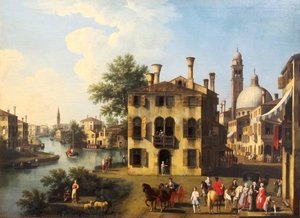
In the gentle light of the eighteenth century, the Veneto region of Italy existed as a landscape of pastoral poetry, where the boundaries between nature and civilization blurred into a seamless, idyllic dream. Giovanni Battista Cimaroli’s View of the Brenta, near Dolo serves as a profound portal to this bygone era, capturing a moment of serene vitality along the winding Brenta River. The composition invites the viewer to wander through a world where time seems to slow, anchored by the rhythmic movement of boats navigating tranquil waters and figures strolling leisurely along the waterfront. It is more than a mere landscape; it is a carefully orchestrated snapshot of life in the Venetian countryside, where the bustle of commerce—seen in horses hauling laden carts—coexists in perfect harmony with the quiet majesty of the riverbanks.
The painting possesses a unique emotional resonance, offering a sense of nostalgic longing for an age of simplicity and grace. There is a poignant beauty in Cimaroli’s observation of the landscape; notably, the prominent house situated at the heart of the composition has since been lost to time, making this work a precious historical document. For the collector or the interior designer, this piece offers a sophisticated atmosphere of tranquility. It does not merely decorate a wall; it establishes a mood of contemplative peace, bringing the soft, atmospheric light of the Italian afternoon into any modern space.
Mastery of Texture and Light
Cimaroli’s technical prowess is most evident in his masterful command of impasto, a technique that lends the canvas a remarkable physical presence. Rather than relying on flat washes of color, the artist utilized thick, textured layers of paint to breathe life into the natural world. This tactile approach is particularly striking in the depiction of lush foliage and the churning ripples of the river, where the raised paint catches the light, creating a dynamic interplay of shadow and brilliance. This textural depth ensures that the painting remains captivating from every angle, as the light shifts across its surface.
Influenced by the legendary Canaletto and the Arcadian elegance of Francesco Zuccarelli, Cimaroli achieved a delicate balance between realism and idealization. His ability to manipulate atmospheric effects allows the viewer to feel the humidity of the river air and the warmth of the sun filtering through the clouds. The figures within the scene, though small in scale, are rendered with a certain stiff, graceful poise that adds a touch of theatrical charm to the rustic setting. This blend of meticulous detail and soft, hazy horizons creates an immersive experience, making View of the Brenta, near Dolo an enduring masterpiece of the Italian Baroque tradition.
Похожие произведения

Биография художника
The Serene Vision of Giovanni Battista Cimaroli
In the golden age of the Venetian Republic, amidst the shimmering canals and the sprawling pastoral beauty of the Veneto, lived an artist whose brush captured the very soul of the Italian landscape. Giovanni Battista Cimaroli (1687–1771) was not merely a painter of scenery, but a chronicler of tranquility. Born in Salò, on the scenic shores of Lake Garda, Cimaroli emerged from a lineage of artistic discipline; his father was a sculptor, a fact that likely instilled in him a profound respect for form and structure. His early training under Antonio Aureggio provided a rigorous foundation in disegno, while his subsequent journey to Bologna to study with Antonio Calza refined his ability to manipulate light and perspective. By the time he established himself in Venice around 1713, Cimaroli had developed a voice that was uniquely his own—a blend of meticulous observation and an idealized, Arcadian grace.
Cimaroli’s work serves as a window into an era defined by the pursuit of pastoral perfection. His compositions often feature the rustic charm of the Venetian countryside, populated by graceful figures, wandering cattle, and the weathered ruins of antiquity. He was deeply influenced by the masters of his time, most notably Francesco Zuccarelli and Canaletto. From Zuccarelli, he inherited a penchant for the Arcadian ideal—the creation of landscapes that felt both natural and poetically composed. From Canaletto, he drew an appreciation for topographical accuracy and the subtle atmospheric effects that define the Venetian sky. This synthesis allowed him to create scenes that were simultaneously grounded in reality and elevated by a sense of timelessness.
Mastery of Light and the Brenta Series
The technical brilliance of Cimaroli lies in his ability to evoke atmosphere through texture and tone. He was a master of thick impasto, using a heavy layering of paint to breathe life into the foliage of trees and the rugged surfaces of stone ruins. This tactile approach creates a palpable sense of physicality, making the lush greenery and flowing waters of his landscapes feel almost touchable. His ability to modulate light allowed him to capture the fleeting moments of a Venetian afternoon—the way sunlight filters through a canopy or reflects off the surface of a quiet canal.
One of his most significant artistic achievements was his involvement in the Brenta Landscape Series (c. 1723-1726). Created at the invitation of Canaletto, this ambitious project offered panoramic views of the Brenta River near Dolo. These works represent a pinnacle of Venetian topographical painting, showcasing Cimaroli’s ability to document the dynamism of the region—from horses hauling carts to boats navigating the river—while maintaining a sense of profound peace. Through these vistas, he captured a world of everyday life that, while vibrant, remained anchored in a serene, almost dreamlike state.
A Legacy of Venetian Tranquility
Though history has sometimes overlooked Cimaroli in favor of his more famous contemporaries, his significance within the Italian Baroque and Rococo traditions remains undeniable. His reputation for meticulous rendering earned him the patronage of influential figures such as Marshal Schulenberg and Count Tessin. Perhaps most telling of his skill was his collaboration with Canaletto on the ambitious tomb series for Owen McSwiney, a project intended to honor British statesmen through the lens of Italian mastery.
Today, Cimaroli’s oeuvre stands as a testament to the enduring allure of the Veneto landscape. His paintings are more than mere depictions of farms, villas, and ruins; they are emotional landscapes that invite the viewer to step into a world of harmony and balance. As we look upon his sweeping riverbanks and quiet pastoral scenes, we find a lasting legacy of beauty that continues to resonate with the human desire for peace and the eternal charm of the natural world.
giovanni battista cimaroli
1687 - 1771
Основные сведения
- Artistic Movement Or Style: Rustic Venetian Landscape
- Artists Or Movements Influenced By This Artist: ['Francesco Zuccarelli']
- Artists Who Influenced This Artist:
- Antonio Aureggio
- Antonio Canaletto
- Date Of Birth: 1687
- Date Of Death: 1771
- Full Name: Giovanni Battista Cimaroli
- Nationality: Italian
- Notable Artworks:
- View of the Brenta, near Dolo
- A landscape at the outskirts of a town with a peasant driving his cattle along a river bank
- A landscape with elegant figures on horseback, before a riverside town
- Place Of Birth: Salò, Lombardy