

 Предпросмотр
 Поделиться
 Поделиться
 Детали произведения

 Скачать
 Похожие работы
 Рентгенография
 Слайд-шоу
 Статистика
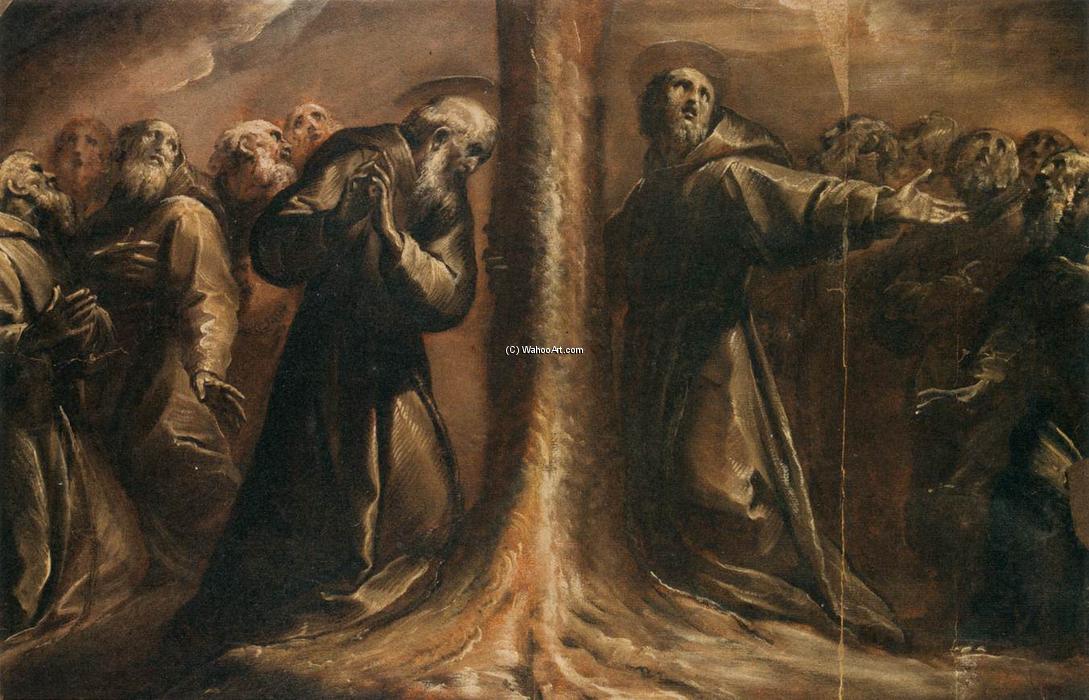
Religious Figures Praying at the Foot of a Tree
 36.0 x 54.0 cm
 Лувр
Лувр
 Читать далее
Масляная репродукция ручной работы
Картина маслом на холсте в выбранном вами размере и раме, написанная на заказ нашими художниками. ( Перейти к печати Перейти к цифровым изображениям)




































Выберите один из наших стандартных размеров, соответствующих оригинальным пропорциям произведения искусства.

Вы можете указать собственные размеры, чтобы картина идеально вписалась в выбранную раму или пространство. Если выбранный вами размер не соответствует пропорциям оригинала, мы либо обрежем полотно, либо расширим его за счет дополнительных элементов, написанных вручную. Цифровой макет будет отправлен вам на утверждение перед началом производства.
Обратите внимание, что предварительный просмотр на экране не отражает фактическую обрезку или расширение. Только макет точно покажет окончательную композицию.
Хотя доступны индивидуальные размеры, мы рекомендуем выбирать вариант из предопределенного списка, чтобы сохранить исходные пропорции.
После оформления заказа команда ArtsDot.com свяжется с клиентом по электронной почте для уточнения деталей и предоставит предварительный макет
Доставка по всему миру () за 3–4 недели вместо стандартных 5 недель. (13 Сентябрь). Без компромиссов в качестве.

Бесплатная экспресс-доставка по всему миру

Высококачественный льняной холст

Полное страхование доставки

Гарантия возмещения таможенных пошлин

Гарантия точного соответствия цветов

100-дневная политика возврата (только при обнаружении дефектов)

Гарантия возврата 100% средств

Предложение оптовых скидок
 Вариант со стеклом доступен только для размеров менее 110 см

Religious Figures Praying at the Foot of a Tree
Техника репродукции
Размер репродукции
-


Итоговая стоимость
$ 263
Похожие произведения




Биография художника
Giovanni Battista Crespi: A Milanese Baroque Visionary
Giovanni Battista Crespi (1615-1770) stands as a pivotal figure in the artistic landscape of Lombardy during the Baroque era, renowned for his monumental altarpieces and frescoes that powerfully conveyed religious narratives. Born in Cerano, Italy, Crespi’s formative years were steeped in humanist scholarship and intellectual curiosity—a foundation that would profoundly shape his artistic endeavors and establish him as a respected academician alongside his prodigious talent. His career blossomed under the patronage of Cardinal Federico Borromeo, whose unwavering commitment to piety fueled the establishment of the Accademia Ambrosiana, attracting brilliant minds like Daniele Crespi, Carlo Francesco Nuvolone, and Melchiorre Gherardini—a lineage that cemented Crespi’s legacy as a teacher and mentor.Early Life and Artistic Training
Crespi's upbringing instilled in him a deep appreciation for classical ideals and artistic tradition. He pursued studies at Pavia University, immersing himself in humanist philosophy and gaining expertise in Latin and Greek—skills that would prove invaluable to his subsequent artistic pursuits. Unlike many artists of his time who honed their craft solely through apprenticeship, Crespi benefited from a more comprehensive education, fostering a nuanced understanding of both art history and theological concepts. This intellectual grounding informed his stylistic choices and ensured that his artworks resonated with profound spiritual depth.Milanese Artistic Output: Dramatic Religious Narratives
Crespi’s artistic career achieved its zenith in Milan, where he undertook ambitious commissions for prominent churches and civic institutions. His most celebrated works include the monumental altarpiece depicting St. Charles Borromeo for the Duomo of Milan—a masterpiece showcasing masterful composition and vibrant color palettes—and the Baptism of Saint Augustine for San Marco Cathedral. These paintings exemplify Crespi’s signature style: dynamic movement, theatrical lighting, and meticulous attention to detail, capturing the emotional intensity of biblical scenes with breathtaking realism. Equally impactful were his frescoes adorning San Vittore in Varese, notably “The Nightmarish St. Gregory Delivers the Soul of a Monk,” which powerfully conveyed psychological drama and spiritual torment—a testament to Crespi’s ability to explore complex themes through visual storytelling.Technique and Style
Crespi's artistic technique was characterized by a masterful command of chiaroscuro, utilizing dramatic contrasts between light and shadow to heighten the emotional impact of his paintings. He employed meticulous layering of pigments—often incorporating bole and gesso—to achieve remarkable textural depth and luminosity. Crespi’s palette favored rich hues derived from mineral pigments, reflecting the influence of Venetian painting traditions while maintaining a distinctly Lombard aesthetic. His compositions were carefully balanced, prioritizing clarity and conveying narrative urgency—a hallmark of Baroque art aimed at inspiring contemplation and eliciting spiritual fervor.Legacy and Influence
Giovanni Battista Crespi’s contribution to Italian Baroque art is undeniable. He served as an influential teacher and mentor, nurturing the talents of several prominent artists who would carry forward his stylistic innovations. His works continue to inspire admiration for their expressive power and technical brilliance—serving as enduring symbols of Milanese artistic grandeur. Crespi's legacy extends beyond individual masterpieces; he embodies the spirit of humanist scholarship intertwined with artistic creativity—a testament to the transformative potential of intellectual pursuits in shaping artistic excellence.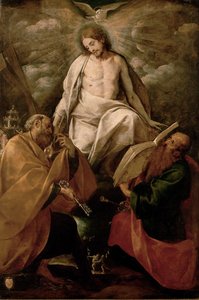
Giovanni Battista Crespi
2007 - 1770 , Italy
Основные сведения
- Artistic Movement Or Style: Baroque
- Artists Or Movements Influenced By This Artist: ['Morazzone']
- Artists Who Influenced This Artist: ['Gian Lorenzo Bernini']
- Date Of Birth: Cerano, Italy (2007)
- Date Of Death: 1770
- Full Name: Giovanni Battista Crespi
- Nationality: Italian
- Notable Artworks:
- St Charles Borromeo Altarpiece
- Baptism of Augustine Altarpiece
- Gregory Mass
- Place Of Birth: Cerano