

 Предпросмотр
 Поделиться
 Поделиться
 Детали произведения

 Скачать
 Похожие работы
 Рентгенография
 Слайд-шоу
 Статистика
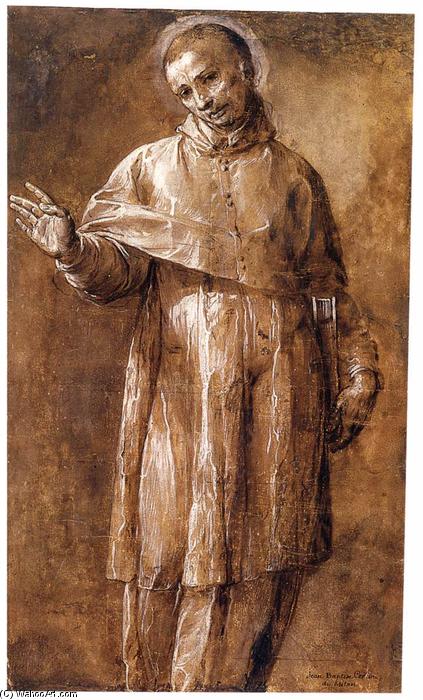
St Carlo Borromeo
 Oil On Canvas
- WallArt
- Baroque
 Early Modern
 462.0 x 269.0 cm
 Музей Метрополитен
 Читать далее
Приобретите цифровое изображение высокого разрешения в улучшенном качестве, которое значительно превосходит онлайн-превью.
Каждый файл тщательно подготавливается нашими специалистами с использованием передовых инструментов и экспертной ручной ретуши. Мы гарантируем исключительную четкость, точную цветопередачу и детальную проработку каждого изображения.
Финальный файл доставляется по электронной почте в течение 72 часов и оптимизирован для немедленного использования в профессиональной среде, при верстке и печати. Это тот же уровень качества, которому доверяют ведущие дизайнерские студии, издательства и галереи.
Цифровое изображение
Скачайте файл высокого разрешения для личного использования, печати и творческих проектов. ( Перейти к печати Купить картину ручной работы)
Включено в каждый заказ цифровых изображений
Гарантия экспертной цифровой доставки
Выбирая ArtsDot.com, вы получаете не просто изображение — вы приобретаете профессионально обработанное цифровое произведение искусства, созданное с безупречной точностью и под защитой гарантии качества. Вот всё, что автоматически входит в ваш заказ:

Мгновенная доставка по e-mail
Ваш цифровой файл в высоком разрешении будет отправлен вам по электронной почте в течение 72 часов после оформления заказа — и сразу станет доступен для использования.

Цифровой файл с ИИ-улучшением
Ваше произведение искусства проходит профессиональную оптимизацию с использованием передовых инструментов ИИ и ручной обработки, что гарантирует максимальную детализацию, четкость и точность цветопередачи.

Бессрочная бесплатная повторная доставка
Случайно удалили или потеряли файл? Не беспокойтесь — мы отправим его вам повторно в любое время и совершенно бесплатно.

Без импортных пошлин — навсегда
Наслаждайтесь вашим произведением искусства мгновенно без таможенных пошлин, сборов или затрат на доставку — цифровые загрузки всегда не облагаются налогом.

Гарантия точности цветопередачи
Мы гарантируем, что ваше цифровое изображение максимально точно передает оригинальные цвета благодаря использованию профессиональных инструментов и систем управления цветом.

Гарантия удовлетворенности 100 дней
Если вы не будете удовлетворены своим цифровым изображением, мы внесем правки или вернем 100% стоимости в течение 100 дней — без лишних вопросов.

100% Гарантия возврата средств
Не удовлетворены покупкой? Получите полный возврат средств в течение 100 дней после получения цифрового файла — без лишних вопросов.

Скидки на оптовые заказы
Купите 3 изображения, сэкономьте 10% — Купите 5, сэкономьте 15% — Купите 10+, сэкономьте 20%. Отличное решение для творческих проектов, галерей и агентств.
A Vision of Devotion: Exploring St Carlo Borromeo
To stand before this depiction of St. Carlo Borromeo is to enter a space suspended between earthly contemplation and divine grace. The painting immediately draws the viewer into its quiet intensity, presenting a figure whose very stillness speaks volumes of profound spiritual life. Executed with a remarkable realism that anchors it firmly within the grand tradition of Baroque religious art, the work captures more than just a likeness; it encapsulates a moment of deep, internalized prayer. Notice how the artist has rendered the texture of the heavy robe, the subtle fall of the drapery across one shoulder—these details are not mere decoration but integral parts of the narrative, suggesting both the weight of his scholarly life and the lightness of his spirit.
Mastery in Light and Shadow: Technical Brilliance
The technical execution by Giovanni Battista Crespi is nothing short of masterful. The dramatic interplay between light and shadow, or chiaroscuro, is perhaps the most arresting element. A soft, unseen illumination seems to emanate from above, catching the highlights on his forehead and the folds of his garments while allowing deep, velvety shadows to pool in the background. This contrast serves a vital purpose: it isolates the figure, making him glow against the darkness. The artist’s varied brushwork is palpable; one can almost feel the texture beneath the paint, particularly in the rendering of the hair and the rich folds of the cloak. It is this sophisticated handling of pigment that elevates the piece from a portrait to an immersive experience.
The Symbolism of Serenity: Emotional Resonance
St. Carlo Borromeo himself was a man whose life exemplified piety, scholarship, and tireless service. The subject’s expression—those closed eyes conveying utter serenity—invites the observer into his contemplative state. His slightly raised right hand suggests an ongoing gesture of prayer or benediction, while the repose of his left hand grounds the composition in quiet dignity. Symbolically, the painting speaks to the enduring power of faith and introspection. For the modern collector or designer, this piece offers more than mere ornamentation; it serves as a visual anchor for moments of reflection, bringing a sense of profound peace into any space.
A Touch of Baroque Grandeur for Your Sanctuary
The scale of this work, measuring 462 x 269 cm, suggests its original placement in a grand ecclesiastical setting, yet its inherent dignity allows it to command attention in a sophisticated private gallery or drawing-room. Reproducing such an iconic piece means bringing home a segment of Baroque history—a period obsessed with emotional depth and spiritual grandeur. Owning a high-quality reproduction allows you to curate an environment steeped in artistic narrative, connecting your personal space with the timeless devotion captured by Crespi’s brush.
Похожие произведения



Биография художника
Giovanni Battista Crespi: A Milanese Baroque Visionary
Giovanni Battista Crespi (1615-1770) stands as a pivotal figure in the artistic landscape of Lombardy during the Baroque era, renowned for his monumental altarpieces and frescoes that powerfully conveyed religious narratives. Born in Cerano, Italy, Crespi’s formative years were steeped in humanist scholarship and intellectual curiosity—a foundation that would profoundly shape his artistic endeavors and establish him as a respected academician alongside his prodigious talent. His career blossomed under the patronage of Cardinal Federico Borromeo, whose unwavering commitment to piety fueled the establishment of the Accademia Ambrosiana, attracting brilliant minds like Daniele Crespi, Carlo Francesco Nuvolone, and Melchiorre Gherardini—a lineage that cemented Crespi’s legacy as a teacher and mentor.Early Life and Artistic Training
Crespi's upbringing instilled in him a deep appreciation for classical ideals and artistic tradition. He pursued studies at Pavia University, immersing himself in humanist philosophy and gaining expertise in Latin and Greek—skills that would prove invaluable to his subsequent artistic pursuits. Unlike many artists of his time who honed their craft solely through apprenticeship, Crespi benefited from a more comprehensive education, fostering a nuanced understanding of both art history and theological concepts. This intellectual grounding informed his stylistic choices and ensured that his artworks resonated with profound spiritual depth.Milanese Artistic Output: Dramatic Religious Narratives
Crespi’s artistic career achieved its zenith in Milan, where he undertook ambitious commissions for prominent churches and civic institutions. His most celebrated works include the monumental altarpiece depicting St. Charles Borromeo for the Duomo of Milan—a masterpiece showcasing masterful composition and vibrant color palettes—and the Baptism of Saint Augustine for San Marco Cathedral. These paintings exemplify Crespi’s signature style: dynamic movement, theatrical lighting, and meticulous attention to detail, capturing the emotional intensity of biblical scenes with breathtaking realism. Equally impactful were his frescoes adorning San Vittore in Varese, notably “The Nightmarish St. Gregory Delivers the Soul of a Monk,” which powerfully conveyed psychological drama and spiritual torment—a testament to Crespi’s ability to explore complex themes through visual storytelling.Technique and Style
Crespi's artistic technique was characterized by a masterful command of chiaroscuro, utilizing dramatic contrasts between light and shadow to heighten the emotional impact of his paintings. He employed meticulous layering of pigments—often incorporating bole and gesso—to achieve remarkable textural depth and luminosity. Crespi’s palette favored rich hues derived from mineral pigments, reflecting the influence of Venetian painting traditions while maintaining a distinctly Lombard aesthetic. His compositions were carefully balanced, prioritizing clarity and conveying narrative urgency—a hallmark of Baroque art aimed at inspiring contemplation and eliciting spiritual fervor.Legacy and Influence
Giovanni Battista Crespi’s contribution to Italian Baroque art is undeniable. He served as an influential teacher and mentor, nurturing the talents of several prominent artists who would carry forward his stylistic innovations. His works continue to inspire admiration for their expressive power and technical brilliance—serving as enduring symbols of Milanese artistic grandeur. Crespi's legacy extends beyond individual masterpieces; he embodies the spirit of humanist scholarship intertwined with artistic creativity—a testament to the transformative potential of intellectual pursuits in shaping artistic excellence.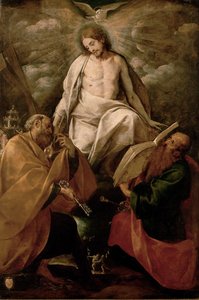
Giovanni Battista Crespi
2007 - 1770 , Italy
Основные сведения
- Artistic Movement Or Style: Baroque
- Artists Or Movements Influenced By This Artist: ['Morazzone']
- Artists Who Influenced This Artist: ['Gian Lorenzo Bernini']
- Date Of Birth: Cerano, Italy (2007)
- Date Of Death: 1770
- Full Name: Giovanni Battista Crespi
- Nationality: Italian
- Notable Artworks:
- St Charles Borromeo Altarpiece
- Baptism of Augustine Altarpiece
- Gregory Mass
- Place Of Birth: Cerano