

 Предпросмотр
 Поделиться
 Поделиться
 Детали произведения

 Скачать
 Похожие работы
 Рентгенография
 Слайд-шоу
 Статистика
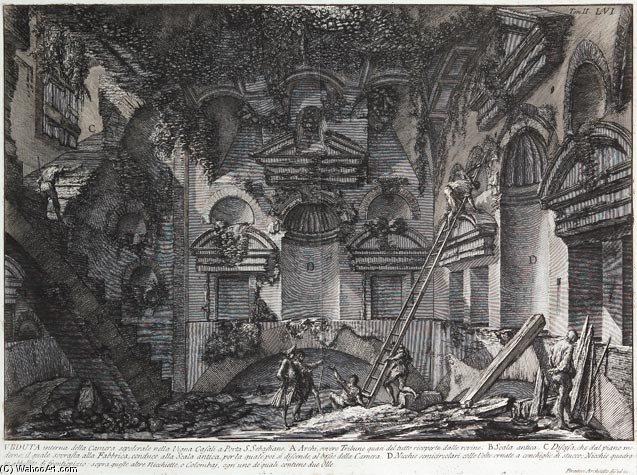
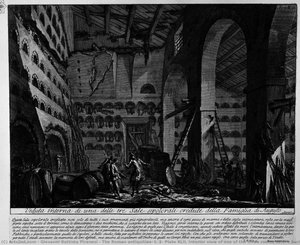
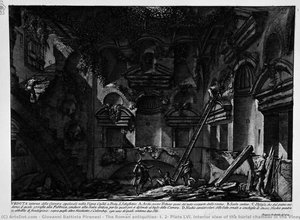
Veduta Interna Dell Camera Sepolcrale Nella Vigna Casali A Porta A. Sebastiano

 Читать далее
Масляная репродукция ручной работы
Картина маслом на холсте в выбранном вами размере и раме, написанная на заказ нашими художниками. ( Перейти к печати Перейти к цифровым изображениям)
































Выберите один из наших стандартных размеров, соответствующих оригинальным пропорциям произведения искусства.

Вы можете указать собственные размеры, чтобы картина идеально вписалась в выбранную раму или пространство. Если выбранный вами размер не соответствует пропорциям оригинала, мы либо обрежем полотно, либо расширим его за счет дополнительных элементов, написанных вручную. Цифровой макет будет отправлен вам на утверждение перед началом производства.
Обратите внимание, что предварительный просмотр на экране не отражает фактическую обрезку или расширение. Только макет точно покажет окончательную композицию.
Хотя доступны индивидуальные размеры, мы рекомендуем выбирать вариант из предопределенного списка, чтобы сохранить исходные пропорции.
После оформления заказа команда ArtsDot.com свяжется с клиентом по электронной почте для уточнения деталей и предоставит предварительный макет
Доставка по всему миру () за 3–4 недели вместо стандартных 5 недель. (13 Сентябрь). Без компромиссов в качестве.

Бесплатная экспресс-доставка по всему миру

Высококачественный льняной холст

Полное страхование доставки

Гарантия возмещения таможенных пошлин

Гарантия точного соответствия цветов

100-дневная политика возврата (только при обнаружении дефектов)

Гарантия возврата 100% средств

Предложение оптовых скидок
 Вариант со стеклом доступен только для размеров менее 110 см

Veduta Interna Dell Camera Sepolcrale Nella Vigna Casali A Porta A. Sebastiano
Техника репродукции
Размер репродукции
-


Итоговая стоимость
$ 338
Похожие произведения
Биография художника
Early Life and Artistic Foundations
Giovanni Battista Fontana, born in Ala near Verona in 1524, emerged from a family deeply rooted in the artistic traditions of Italy. His initial training was profoundly shaped by the masters of the Venetian school—Titian and Veronese, whose influence would become readily apparent in his later works. This early exposure instilled within him a love for rich color palettes, dynamic compositions, and a keen attention to detail that characterized Renaissance painting. While Verona provided the initial spark, Fontana’s artistic journey truly blossomed when he relocated to Innsbruck, Austria, in 1573, marking a pivotal shift in his career and establishing him as a prominent figure within the Habsburg court.A Court Painter in Austria
The appointment of Fontana as court painter to Ferdinand II, Archduke of Austria, in 1575 propelled him into a period of prolific creation. He quickly became integral to the artistic landscape of the region, undertaking numerous commissions that showcased his versatility and skill. His work wasn’t confined to canvas; Fontana masterfully executed frescoes adorning significant religious spaces like the oratory of the Hofkirche, transforming these interiors into vibrant displays of faith and artistry. The Spheristerion also benefited from his talents, as did the Silberne Kapelle, a chapel built by his brother, Giulio Fontana, where he painted fourteen scenes depicting the Passion of Christ—a testament to both their collaborative spirit and Giovanni Battista’s narrative prowess. These early Austrian projects weren't merely decorative; they were statements of power, piety, and artistic sophistication, solidifying Fontana’s reputation within the imperial circle.The Frescoes of Schloss Ambras: A Zenith of Artistic Expression
Perhaps Fontana’s most enduring legacy lies in his breathtaking frescoes at Schloss Ambras, a magnificent castle near Innsbruck. Between 1583 and 1584, he embarked on an ambitious project to decorate the dining hall's ceiling with allegorical representations of the Zodiac, the Elements, and the Planets. This undertaking wasn’t simply a display of technical skill; it was a complex synthesis of classical mythology, astrological symbolism, and Renaissance humanism. The frescoes are characterized by their intricate detail, vibrant colors, and dynamic compositions—a testament to Fontana's mastery of illusionistic painting techniques. The work at Schloss Ambras stands as a remarkable example of his ability to blend artistic beauty with intellectual depth, creating a space that was both visually stunning and intellectually stimulating.Engravings and Artistic Legacy
Beyond his frescoes and paintings, Fontana also produced a substantial body of engravings—seventy-eight in total between 1559 and 1579. While the stylistic inconsistencies within this collection suggest possible collaboration with others, including his brother Giulio, they nonetheless offer valuable insight into his artistic process and his engagement with contemporary themes. These prints often served as reproductions of paintings by masters like Titian and Veronese, demonstrating Fontana’s respect for established traditions while also showcasing his own unique interpretation of these works. Giovanni Battista Fontana died in Innsbruck in 1587, leaving behind a rich artistic legacy that continues to captivate audiences today. His ability to seamlessly blend Italian Renaissance aesthetics with the demands of the Habsburg court cemented his place as a significant figure in Austrian art history—a testament to his skill, versatility, and enduring creative vision.
Giovanni Battista Fontana
1690 - 1752 , Italy
Основные сведения
- Artistic Movement Or Style: Renaissance & Mannerism
- Artists Or Movements Influenced By This Artist: ['Baroque']
- Artists Who Influenced This Artist:
- Titian
- Veronese
- Date Of Birth: 1524 Ala, Italy
- Date Of Death: 1587 Innsbruck, Austria
- Full Name: Giovanni Battista Fontana
- Nationality: Italian
- Notable Artworks:
- Thetis Consoling Achilles
- Rachel Hiding The Idols From Her Father Laban
- Veduta Interna Dell Camera Sepolcrale Nella Vigna Casali A Porta A. Sebastiano
- Place Of Birth: Ala, Verona Province, Italy
Похожие статьи

Giclée Prints: Archival Quality & Aesthetic Nuances for the Discerning Collector
Explore the world of giclée prints with ArtsDot. Learn about archival quality, aesthetic nuances & investment potential. Expert guidance for discerning art collectors seeking museum-quality reproductions and lasting value.
10 шедевров гравюры, изменивших искусство навсегда | ArtsDot
Откройте для себя 10 легендарных шедевров гравюры от Дюрера, Гойи и Рембрандта! Узнайте историю создания этих культовых работ и их влияние на искусство. Репродукции высокого качества для вашего интерьера – ArtsDot.

The Enduring Legacy of Fine Art Prints: Technique, History & Aesthetic Impact
Explore the rich history & techniques of fine art prints. Discover investment potential, assess authenticity, and learn how to preserve your collection with expert guidance. Trusted insights for discerning collectors.
Engraving: A Historical Survey of Technique, Artistic Expression & Enduring Legacy
Explore the rich history of engraving with ArtsDot. Discover techniques, iconic artists like Dürer & Callot, collecting tips, and expert guidance for preserving your art investment. Learn about intaglio printing & more!
The Intricate World of Engraving: A Historical Survey of Technique, Artistic Expression & Enduring Legacy
Explore the rich history of engraving with ArtsDot. Discover techniques, iconic artists like Dürer & Callot, collecting tips, and expert guidance for preserving your art investment. Learn about intaglio printing & more!