

 Предпросмотр
 Поделиться
 Поделиться
 Детали произведения

 Скачать
 Похожие работы
 Рентгенография
 Слайд-шоу
 Статистика
Cake stand


 Читать далее
Приобретите цифровое изображение высокого разрешения в улучшенном качестве, которое значительно превосходит онлайн-превью.
Каждый файл тщательно подготавливается нашими специалистами с использованием передовых инструментов и экспертной ручной ретуши. Мы гарантируем исключительную четкость, точную цветопередачу и детальную проработку каждого изображения.
Финальный файл доставляется по электронной почте в течение 72 часов и оптимизирован для немедленного использования в профессиональной среде, при верстке и печати. Это тот же уровень качества, которому доверяют ведущие дизайнерские студии, издательства и галереи.
Цифровое изображение
Скачайте файл высокого разрешения для личного использования, печати и творческих проектов. ( Перейти к печати Купить картину ручной работы)
Включено в каждый заказ цифровых изображений
Гарантия экспертной цифровой доставки
Выбирая ArtsDot.com, вы получаете не просто изображение — вы приобретаете профессионально обработанное цифровое произведение искусства, созданное с безупречной точностью и под защитой гарантии качества. Вот всё, что автоматически входит в ваш заказ:

Мгновенная доставка по e-mail
Ваш цифровой файл в высоком разрешении будет отправлен вам по электронной почте в течение 72 часов после оформления заказа — и сразу станет доступен для использования.

Цифровой файл с ИИ-улучшением
Ваше произведение искусства проходит профессиональную оптимизацию с использованием передовых инструментов ИИ и ручной обработки, что гарантирует максимальную детализацию, четкость и точность цветопередачи.

Бессрочная бесплатная повторная доставка
Случайно удалили или потеряли файл? Не беспокойтесь — мы отправим его вам повторно в любое время и совершенно бесплатно.

Без импортных пошлин — навсегда
Наслаждайтесь вашим произведением искусства мгновенно без таможенных пошлин, сборов или затрат на доставку — цифровые загрузки всегда не облагаются налогом.

Гарантия точности цветопередачи
Мы гарантируем, что ваше цифровое изображение максимально точно передает оригинальные цвета благодаря использованию профессиональных инструментов и систем управления цветом.

Гарантия удовлетворенности 100 дней
Если вы не будете удовлетворены своим цифровым изображением, мы внесем правки или вернем 100% стоимости в течение 100 дней — без лишних вопросов.

100% Гарантия возврата средств
Не удовлетворены покупкой? Получите полный возврат средств в течение 100 дней после получения цифрового файла — без лишних вопросов.

Скидки на оптовые заказы
Купите 3 изображения, сэкономьте 10% — Купите 5, сэкономьте 15% — Купите 10+, сэкономьте 20%. Отличное решение для творческих проектов, галерей и агентств.
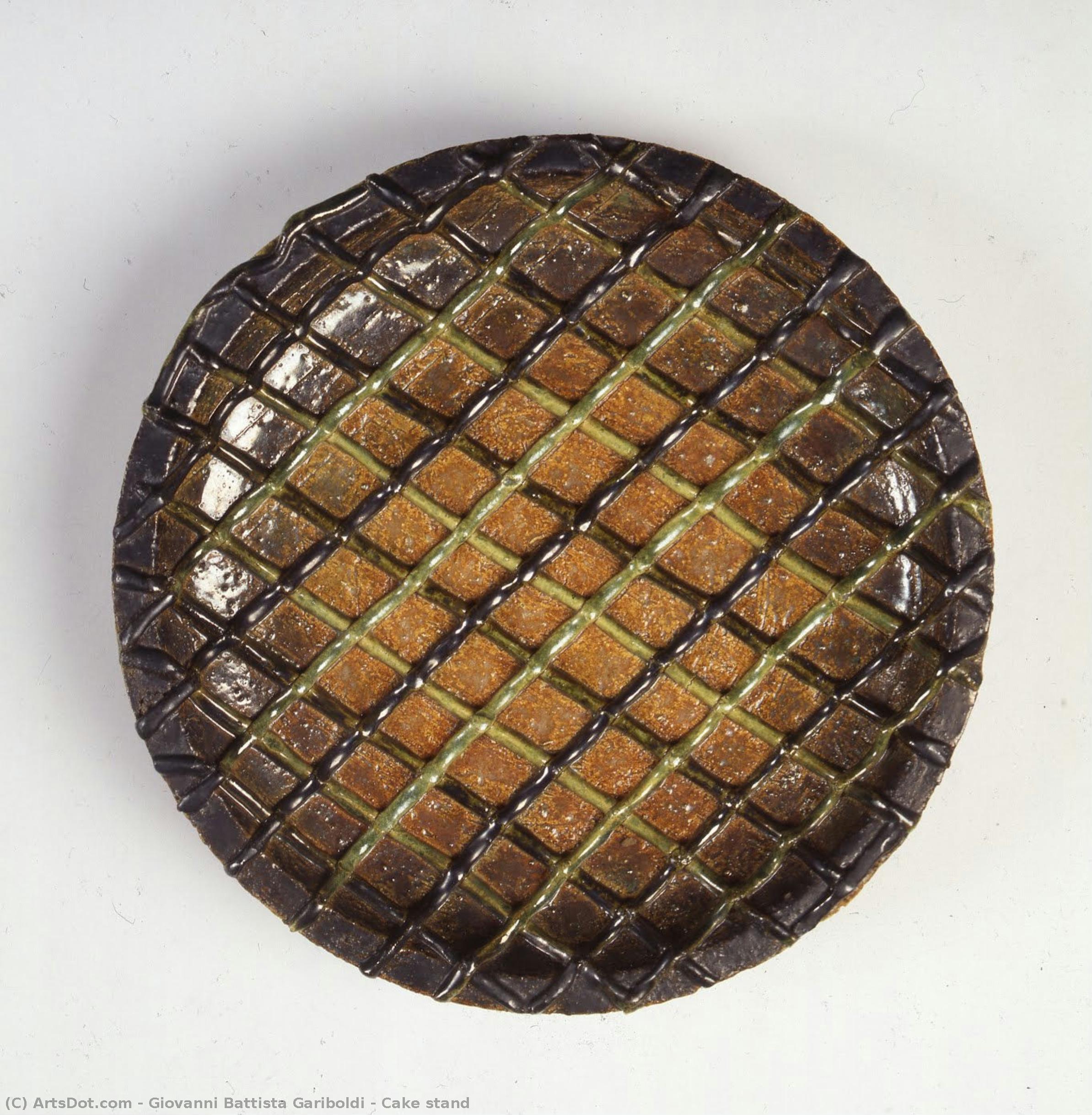
Cake Stand - A Fragment of Mythic Beauty
The image presents a meticulously crafted brown plate adorned with an intricate geometric pattern—a subtle dance of circles and lines that draws the eye inwards, mirroring the contemplative gaze it invites. Constructed from stone or ceramic material, its surface possesses a tactile quality, hinting at permanence and grounding amidst the ethereal realm of artistic vision. Positioned against a stark white backdrop, this deliberate choice amplifies the plate’s textural richness and emphasizes the precision of its design—a testament to craftsmanship and an echo of classical aesthetics.Giovanni Battista Gariboldi: The Pre-Raphaelite Spirit
Giovanni Battista Gariboldi (1833-1908), a pivotal figure in the British Pre-Raphaelite Brotherhood, channeled his profound fascination with medieval lore and Arthurian legend into a singular artistic idiom. Rejecting the conventions of academic painting—its calculated realism and formal rigidity—Gariboldi championed instead a style characterized by vibrant color palettes, painstaking detail, and an unwavering commitment to capturing the spirit of antiquity. Influenced deeply by William Morris and Dante Gabriel Rossetti, he embraced a visual language rooted in Romantic idealism, prioritizing emotional resonance over literal representation.A Vision of Ruin and Renewal
Gariboldi’s artistic explorations often centered on depictions of crumbling ruins—a deliberate motif reflecting his preoccupation with the passage of time and the cyclical nature of history. These landscapes weren't merely scenic vistas; they served as canvases for conveying philosophical ideas about decay, beauty, and the enduring power of imagination. Like Rossetti before him, Gariboldi sought to evoke a sense of sublime grandeur—a confrontation with the immensity of existence tempered by an awareness of mortality.Symbolism Embedded in Form
The circular design of the cake stand itself carries symbolic weight. Circles represent wholeness, unity, and eternity—concepts central to Pre-Raphaelite thought and mirroring Gariboldi’s desire to transcend the limitations of earthly experience. The geometric pattern—precise and deliberate—suggests an underlying orderliness beneath apparent chaos, reflecting a belief in the harmonious interplay between reason and emotion. It's a visual articulation of the Brotherhood’s quest for spiritual illumination through artistic contemplation.The Enduring Legacy of Gariboldi’s Aesthetic
Gariboldi’s influence extends far beyond his own oeuvre, shaping the sensibilities of subsequent generations of artists. His unwavering devotion to color, texture, and narrative—coupled with his masterful command of etching technique—established a benchmark for artistic excellence that continues to inspire admiration today. The cake stand, therefore, stands not merely as an object of decorative beauty but as a tangible embodiment of a visionary aesthetic—a testament to the enduring power of mythic imagination and the transformative potential of art.Похожие произведения
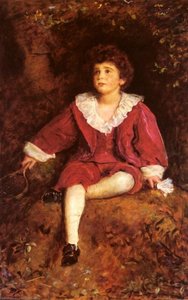
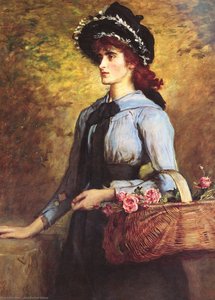
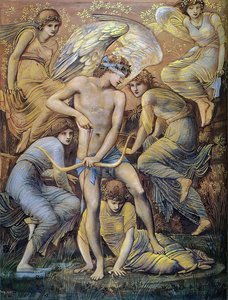
Биография художника
Edward Burne-Jones: A Dreamer of Myth and Beauty
Born in Birmingham in 1833, Edward Burne-Jones was more than just a painter; he was a conjurer of dreams, a weaver of mythic tapestries brought to life on canvas. His art, deeply rooted in the Pre-Raphaelite movement yet possessing a uniquely personal vision, captivated audiences and continues to enthrall viewers today. From his early days studying at Oxford University, initially with aspirations for the priesthood, Burne-Jones’s path swiftly diverged towards the intoxicating world of artistic creation, guided by the influential mentorship of William Morris and, crucially, Rossetti.
Rossetti's profound impact shaped Burne-Jones’s aesthetic. He rejected the perceived artificiality of academic painting, embracing instead a style characterized by rich color, intricate detail, and a fascination with medieval and Arthurian legends. Unlike his Pre-Raphaelite contemporaries who often focused on contemporary subjects, Burne-Jones sought inspiration in the distant past—in Botticelli’s graceful figures and the timeless narratives of classical mythology. His palette was bold and luminous, favoring deep reds, blues, and golds, creating a sense of otherworldly beauty and dramatic intensity.
- Key Subjects: Burne-Jones consistently returned to themes of chivalry, romance, and tragedy – particularly those drawn from the legends of King Arthur and the stories of classical antiquity.
- Technique: He employed a meticulous technique, layering paint with remarkable precision to achieve textures that seemed both solid and ethereal. His figures possessed an almost sculpted quality, imbued with a sense of timelessness.
- Influence: Burne-Jones’s work profoundly influenced the Symbolist movement in France, inspiring artists like Gustave Moreau with his evocative imagery and symbolic use of color.
The Early Years and Artistic Development
Burne-Jones's artistic journey began not within formal academies but through self-directed study and a deep immersion in the visual arts. He eschewed the rigid structures of traditional art education, preferring to learn by observing and imitating masters like Botticelli. This unconventional approach fostered a distinctive style—one that prioritized emotional resonance over strict adherence to academic rules. His early works, such as *The Legend of Perseus*, demonstrated his burgeoning talent for capturing dramatic narratives with a heightened sense of color and form.
Crucially, Burne-Jones’s artistic development was inextricably linked to the vibrant social and intellectual circles of London during the mid-19th century. He engaged in lively debates about art and literature alongside figures like Morris, Rossetti, and Dante Gabriel Rossetti, absorbing new ideas and refining his own artistic vision. This period witnessed a flourishing of Pre-Raphaelite activity, with artists experimenting with innovative techniques and challenging conventional notions of beauty.
Major Works and Recognition
Burne-Jones’s career gained significant momentum in 1877 with the opening of the Grosvenor Gallery, where he unveiled a series of large-scale paintings that immediately captivated the public. These works—including *The Legend of King Arthur*, *Sir Percival at the Grail*, and *Sleeping Beauty*—were lauded for their dramatic intensity, exquisite detail, and evocative atmosphere. The success of these exhibitions catapulted Burne-Jones to international fame, establishing him as one of the leading artists of his generation.
- The Legend of King Arthur: This monumental work, depicting a pivotal moment from the Arthurian cycle, exemplifies Burne-Jones’s mastery of composition and color.
- Sleeping Beauty: A poignant portrayal of innocence and vulnerability, this painting showcases Burne-Jones's ability to convey complex emotions through subtle gestures and expressions.
- Sir Percival at the Grail: This iconic image captures the mystical journey of Sir Percival as he seeks the Holy Grail, demonstrating Burne-Jones’s skill in creating a sense of otherworldly beauty and spiritual significance.
Legacy and Historical Significance
Despite initial acclaim, Burne-Jones's reputation experienced a decline after his death in 1898, partly due to critical backlash against the perceived melodrama of his work. However, in the mid-20th century, his art was rediscovered and reevaluated, leading to a resurgence of interest in his paintings. Today, Edward Burne-Jones is recognized as one of the most important figures in Pre-Raphaelite art—a visionary painter who captured the imagination with his dreamlike depictions of mythic tales and timeless beauty.
His influence extends beyond the realm of painting, impacting areas such as design, illustration, and decorative arts. Burne-Jones’s work continues to inspire artists and designers today, demonstrating the enduring power of his artistic vision and his ability to transport viewers to a world of enchantment and wonder. His legacy resides not only in the masterpieces he created but also in the profound impact he had on the course of art history.

giovanni battista gariboldi
1833 - 1908