

 Предпросмотр
 Поделиться
 Поделиться
 Детали произведения

 Скачать
 Похожие работы
 Рентгенография
 Слайд-шоу
 Статистика
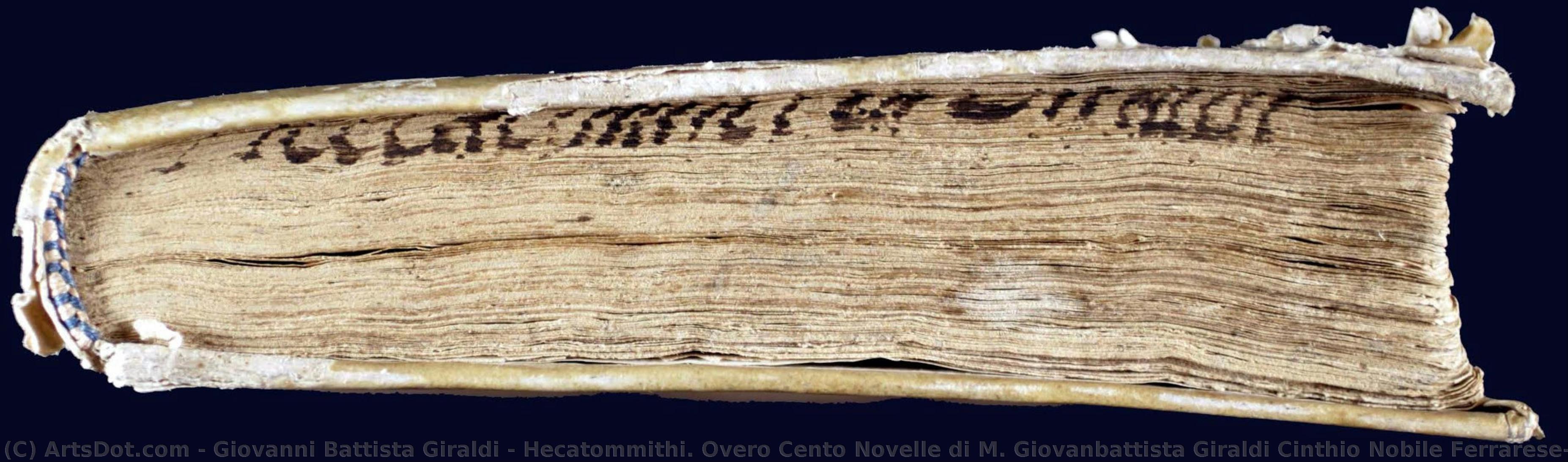
Hecatommithi. Overo Cento Novelle di M. Giovanbattista Giraldi Cinthio Nobile Ferrarese: Nelle quali, oltre le dilettevoli materie, si conoscono moralità utilissime a gli huomini per il ben vivere; & per destare altresì l

 Читать далее
Приобретите цифровое изображение высокого разрешения в улучшенном качестве, которое значительно превосходит онлайн-превью.
Каждый файл тщательно подготавливается нашими специалистами с использованием передовых инструментов и экспертной ручной ретуши. Мы гарантируем исключительную четкость, точную цветопередачу и детальную проработку каждого изображения.
Финальный файл доставляется по электронной почте в течение 72 часов и оптимизирован для немедленного использования в профессиональной среде, при верстке и печати. Это тот же уровень качества, которому доверяют ведущие дизайнерские студии, издательства и галереи.
Цифровое изображение
Скачайте файл высокого разрешения для личного использования, печати и творческих проектов. ( Перейти к печати Купить картину ручной работы)
Включено в каждый заказ цифровых изображений
Гарантия экспертной цифровой доставки
Выбирая ArtsDot.com, вы получаете не просто изображение — вы приобретаете профессионально обработанное цифровое произведение искусства, созданное с безупречной точностью и под защитой гарантии качества. Вот всё, что автоматически входит в ваш заказ:

Мгновенная доставка по e-mail
Ваш цифровой файл в высоком разрешении будет отправлен вам по электронной почте в течение 72 часов после оформления заказа — и сразу станет доступен для использования.

Цифровой файл с ИИ-улучшением
Ваше произведение искусства проходит профессиональную оптимизацию с использованием передовых инструментов ИИ и ручной обработки, что гарантирует максимальную детализацию, четкость и точность цветопередачи.

Бессрочная бесплатная повторная доставка
Случайно удалили или потеряли файл? Не беспокойтесь — мы отправим его вам повторно в любое время и совершенно бесплатно.

Без импортных пошлин — навсегда
Наслаждайтесь вашим произведением искусства мгновенно без таможенных пошлин, сборов или затрат на доставку — цифровые загрузки всегда не облагаются налогом.

Гарантия точности цветопередачи
Мы гарантируем, что ваше цифровое изображение максимально точно передает оригинальные цвета благодаря использованию профессиональных инструментов и систем управления цветом.

Гарантия удовлетворенности 100 дней
Если вы не будете удовлетворены своим цифровым изображением, мы внесем правки или вернем 100% стоимости в течение 100 дней — без лишних вопросов.

100% Гарантия возврата средств
Не удовлетворены покупкой? Получите полный возврат средств в течение 100 дней после получения цифрового файла — без лишних вопросов.

Скидки на оптовые заказы
Купите 3 изображения, сэкономьте 10% — Купите 5, сэкономьте 15% — Купите 10+, сэкономьте 20%. Отличное решение для творческих проектов, галерей и агентств.
Похожие произведения









Биография художника
Raphael: The Harmonious Master of Renaissance Florence
Raffaello Sanzio da Urbino, more commonly known as Raphael, remains one of the most beloved and influential figures in Western art history. Born in 1483 in Urbino, a city steeped in artistic tradition under the patronage of Federico da Montefeltro, Raphael’s life was tragically cut short at the age of thirty-seven, yet his impact on painting is immeasurable. His brief but brilliant career produced an astonishing body of work characterized by grace, harmony, and a profound understanding of human emotion – qualities that cemented his reputation as “the most divine painter” of his time.
Raphael’s early artistic development was profoundly shaped by the workshops of his father, Giovanni Santi, a court painter, and Andrea del Sarto, a leading Florentine master. He began his training at a young age, absorbing the techniques and stylistic influences of these influential figures. However, it was in Florence that Raphael truly blossomed, immersing himself in the vibrant artistic scene and encountering the works of Leonardo da Vinci and Michelangelo – artists whose genius would undoubtedly inform his own approach to painting. The influence of Leonardo is particularly evident in Raphael’s early portraits, characterized by a subtle sfumato technique and an emphasis on psychological realism.
His time in Florence proved pivotal, establishing him as a rising star within the artistic community. He quickly gained commissions for altarpieces and frescoes, demonstrating his versatility and burgeoning talent. The completion of works like “The Triumph of Galatea” (1504-1508) for the Palazzo Vecchio showcased his developing mastery of composition, color, and narrative storytelling – a hallmark of his style. This piece, with its dynamic movement and idealized figures, exemplifies Raphael’s ability to synthesize classical influences with Renaissance sensibilities.
The Vatican Years: A Peak of Artistic Achievement
Raphael's move to Rome in 1508 marked the beginning of a period of unparalleled artistic productivity. Pope Julius II commissioned him to decorate the papal apartments in the Vatican, a project that would define his career and establish his reputation as one of the foremost painters of the High Renaissance. The four large frescoes in the Stanza della Segnatura – “The School of Athens,” “The Disputation of the Holy Sacrament,” “The Triumph of God over Matter,” and “The Expulsion of Adam and Eve” – represent the culmination of Raphael’s artistic vision.
“The School of Athens,” in particular, is a masterpiece of composition and intellectual grandeur. It depicts a gathering of ancient philosophers and scientists, including Plato and Aristotle, arranged in a meticulously rendered architectural setting. The fresco brilliantly embodies the Renaissance ideal of humanism, celebrating reason, knowledge, and classical learning. Raphael’s ability to seamlessly integrate figures from antiquity with contemporary scholars created an iconic image that continues to inspire awe and admiration.
Alongside these monumental frescoes, Raphael produced numerous portraits, Madonnas, and religious scenes during his time in Rome. His “Madonna della Sapienza” (1509), housed in the Uffizi Gallery in Florence, is a prime example of his refined style – characterized by its serene beauty, delicate colors, and harmonious balance. His portraits, such as “Baldassare Castiglione,” are renowned for their psychological insight and subtle portrayal of character.
Technique and Style: A Synthesis of Influences
Raphael’s artistic style is often described as a synthesis of the influences he absorbed throughout his career. He skillfully blended the classical ideals of antiquity with the innovations of Leonardo da Vinci and Michelangelo, creating a uniquely harmonious and elegant aesthetic. His use of *disegno*, or drawing, was particularly meticulous, informing every aspect of his painting – from the careful rendering of drapery to the precise placement of figures.
Unlike the dramatic dynamism of Michelangelo’s work, Raphael favored a more balanced and restrained approach. He sought to achieve visual harmony through careful composition, subtle color gradations, and a refined sense of perspective. His paintings are imbued with a sense of serenity and grace, reflecting his belief in the inherent beauty of the human form and the power of art to uplift the soul.
Raphael’s mastery of *chiaroscuro* – the use of light and shadow – further enhanced the expressive quality of his paintings. He skillfully employed subtle gradations of tone to create a sense of depth, volume, and atmosphere, drawing the viewer's eye to key elements within the composition.
Legacy and Historical Significance
Despite his untimely death in 1520 at the age of thirty-seven, Raphael’s legacy endures as one of the greatest artists of all time. His works have been widely imitated and studied for centuries, influencing generations of painters. His emphasis on beauty, harmony, and humanism continues to resonate with audiences today.
Raphael's influence extends beyond his individual paintings. He helped establish a new standard of artistic excellence in the Renaissance, shaping the course of Western art history. His work served as a model for artists throughout Europe, contributing to the development of Mannerism and paving the way for future generations of painters. His impact is still felt today, reminding us of the enduring power of beauty and the transformative potential of art.
Raphael’s contributions are particularly significant in the context of his era. He embodied the ideals of the High Renaissance – a period marked by renewed interest in classical antiquity, humanism, and scientific inquiry. His paintings reflect this spirit of intellectual curiosity and artistic innovation, solidifying his place as a pivotal figure in the history of art.
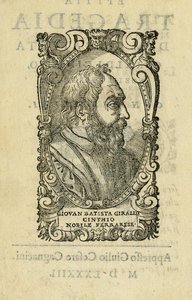
giovanni battista giraldi
1504 - 1573