

 Предпросмотр
 Поделиться
 Поделиться
 Детали произведения

 Скачать
 Похожие работы
 Рентгенография
 Слайд-шоу
 Статистика
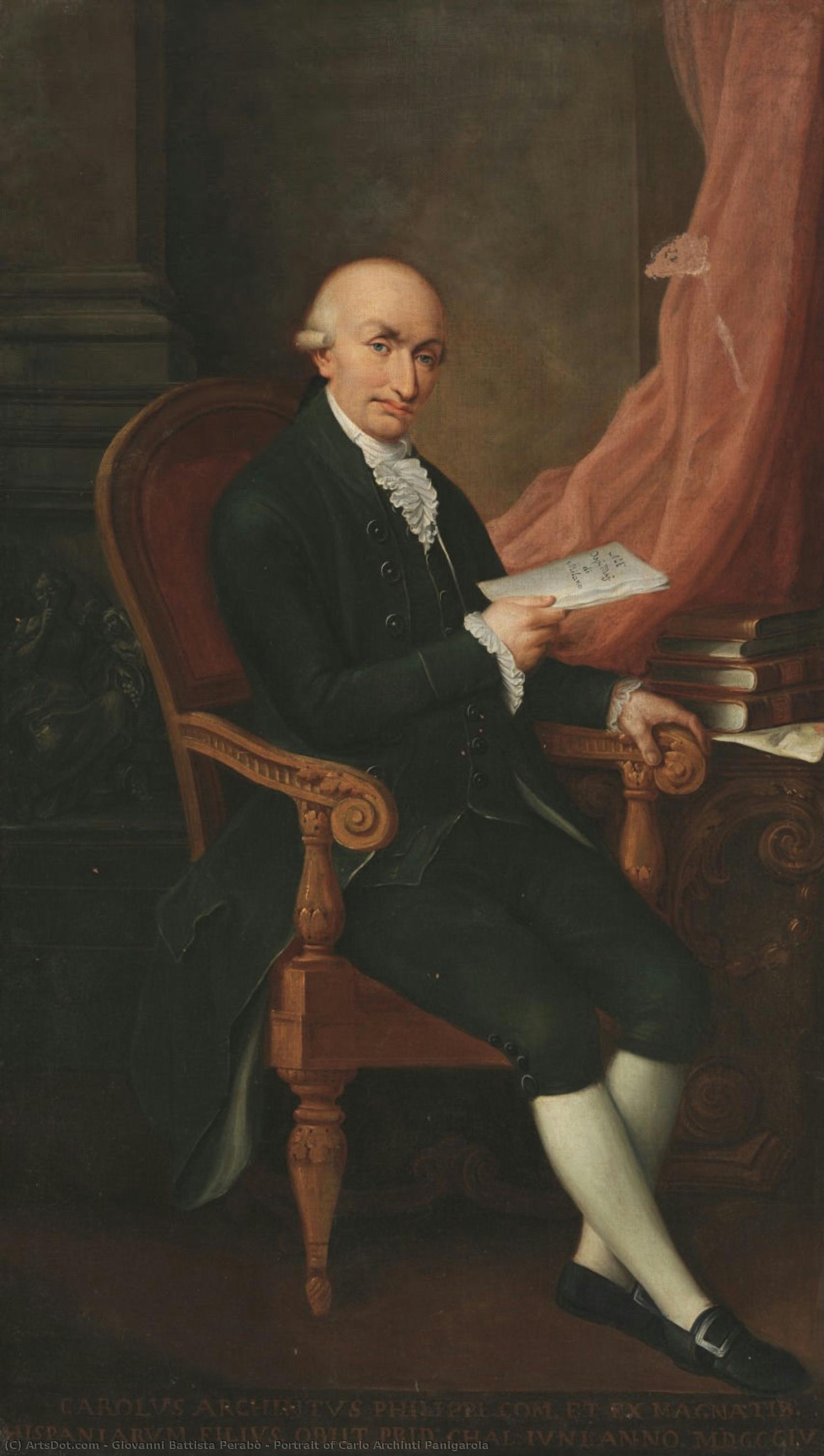
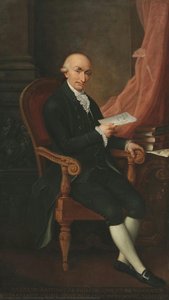
Portrait of Carlo Archinti Panigarola
 1805
1805 209.0 x 118.0 cm
 Ca’ Granda – Ospedale Maggiore Policlinico
 Читать далее
Жикле / Арт-принт
Печать (жикле) или холст музейного качества с быстрыми сроками изготовления и широким выбором вариантов отделки. ( Купить картину ручной работы Перейти к цифровым изображениям)




































Выберите один из наших стандартных размеров, соответствующих оригинальным пропорциям произведения искусства.

Вы можете указать свои собственные размеры, чтобы репродукция идеально подошла под конкретную раму или пространство. Если выбранный вами размер не будет соответствовать пропорциям оригинала, мы либо обрежем произведение, либо дополним изображение зеркальным отражением краев или однотонной заливкой. Перед началом производства вам будет отправлен цифровой макет для утверждения.
Пожалуйста, обратите внимание, что предварительный просмотр на экране не отображает фактическую обрезку или расширение изображения. Только макет точно покажет финальную композицию.
Несмотря на возможность заказа индивидуальных размеров, мы рекомендуем выбирать размер из предопределенного списка, чтобы сохранить оригинальные пропорции.
Доставка по всему миру () за 2 недели вместо стандартных 4/5 недель. (13 Сентябрь)

Бесплатная экспресс-доставка по всему миру

Высококачественный льняной холст

Полное страхование доставки

Гарантия возмещения таможенных пошлин

Гарантия точного соответствия цветов

100-дневная политика возврата (только при обнаружении дефектов)

Гарантия возврата 100% средств

Предложение оптовых скидок
 Вариант со стеклом доступен только для размеров менее 110 см

Portrait of Carlo Archinti Panigarola
Жикле / Арт-принт
Размер репродукции
-


Итоговая стоимость
$ 62
Похожие произведения







Биография художника
Giovanni Battista Perabò: A Fragment of Baroque Brilliance
Giovanni Battista Perabò, a name tragically etched in the annals of Italian music history, was born in Jesi, Italy, in 1710 and met his untimely end just six years later, in 1736. His life, though brief, resonated with an intensity that belies its brevity – a testament to the profound impact he made on the burgeoning world of Baroque music. Perabò’s story is not one of grand achievements or widespread fame during his lifetime; rather, it's a poignant tale of a prodigious talent cut short, leaving behind a legacy primarily revealed through the enduring beauty and emotional depth of his compositions. Early life in Jesi, a town steeped in musical tradition, provided Perabò with an invaluable foundation. His family’s connection to Pergola – from which he derived his artistic name – hinted at a lineage deeply rooted in music. He began his formal training at the Conservatoire de Naples, immersing himself in the teachings of esteemed masters like Durante, Vinci, Ferraro, and Greco. These formative years instilled within him not only technical proficiency but also a deep understanding of Baroque aesthetics—a style characterized by dramatic contrasts, intricate ornamentation, and a fervent exploration of human emotion. The rigorous training undoubtedly shaped his approach to composition, fostering a disciplined yet expressive musical voice. Perabò’s most celebrated work, the *Stabat Mater*, composed in the year of his death, stands as a powerful testament to his artistic capabilities. This deeply moving meditation on the sorrowful lament of Mary at the foot of the cross is considered a pinnacle of Baroque vocal music. The piece showcases Perabò's mastery of melodic invention, harmonic richness, and dramatic pacing—elements that combine to create an experience both profoundly moving and technically sophisticated. Beyond the *Stabat Mater*, his oeuvre includes operas and religious music, each imbued with the hallmarks of his distinctive style: a palpable sense of urgency, a lyrical beauty, and a profound engagement with spiritual themes. The historical context surrounding Perabò’s work is crucial to understanding its significance. The Baroque period in Italy was a time of immense artistic ferment, fueled by the Counter-Reformation and a renewed interest in classical ideals. Composers sought to express religious fervor through music, employing dramatic gestures and emotional intensity to evoke profound spiritual responses. Perabò's music perfectly embodies this spirit, reflecting the era’s fascination with both grandeur and intimacy. Museums such as the Museum Parrocchiale in Verolanuova, the Pinacoteca di Vicenza, and the Museo Diocesano in Cortona hold collections that offer glimpses into the artistic landscape of his time, providing valuable context for appreciating Perabò's place within it. The Kunstpalast in Düsseldorf, with its collection of Italian Baroque paintings, further illuminates the broader cultural milieu from which he drew inspiration. Despite his untimely death at the age of 26, Giovanni Battista Perabò’s musical legacy endures. His music has been performed and recorded by numerous renowned musicians and ensembles, ensuring that his compositions continue to resonate with audiences today. The *Stabat Mater*, in particular, remains a staple of the Baroque repertoire, celebrated for its emotional power and technical brilliance. While much of his work remained largely unknown during his lifetime, subsequent scholarship and performances have gradually unveiled the depth and beauty of Perabò’s contribution to Italian music—a testament to the enduring impact of a single, brilliant voice tragically silenced too soon.Pergolesi: A Parallel Narrative
It's important to acknowledge that Giovanni Battista Pergolesi is often conflated with Perabò, due to their shared birthdate and similar musical styles. While Perabò’s name is less frequently encountered today, Pergolesi’s legacy is considerably more established. Pergolesi was born in Jesi in 1710, the same year as Perabò, and his life followed a strikingly parallel trajectory—a testament to the vibrant musical environment of the town. Like Perabò, he received early training in Naples under prominent composers such as Durante and Vinci. Pergolesi’s most famous work, *La serva padrona*, achieved widespread acclaim and remains one of the cornerstones of Italian opera buffa. The story of this comic masterpiece—a young servant who unexpectedly rises to prominence—captures the spirit of the Baroque era with its blend of humor, pathos, and dramatic flair. However, Pergolesi’s career was tragically cut short by illness, just as it was for Perabò. He died in Pozzuoli in 1736 at the age of 26, leaving behind a relatively small but remarkably influential body of work. The “Querelle des Bouffons” incident in Paris further cemented Pergolesi’s place in musical history. A performance of *La serva padrona* sparked a heated debate among Parisian musicians and critics regarding the merits of Italian versus French opera styles. This controversy, fueled by forgeries and disputes over authorship, highlighted the growing influence of Italian music on European trends—and underscored the enduring appeal of Pergolesi’s masterpiece.- Key Works: *La serva padrona*, *Mass in F*, *Il prigionier superbo*
- Style: Baroque, Opera Buffa, Sacred Music
giovanni battista perabò
1710 - 1736 , Italy
Основные сведения
- Artistic Movement Or Style: Baroque
- Artists Or Movements Influenced By This Artist: ['Pergolesi']
- Artists Who Influenced This Artist:
- Durante
- Vinci
- Ferraro
- Greco
- Date Of Birth: 1710, Jesi, Italy
- Date Of Death: 1736
- Full Name: Giovanni Battista Perabò
- Nationality: Italian
- Notable Artworks: ['Stabat Mater']
- Place Of Birth: Jesi, Italy