

 Предпросмотр
 Поделиться
 Поделиться
 Детали произведения

 Скачать
 Похожие работы
 Рентгенография
 Слайд-шоу
 Статистика
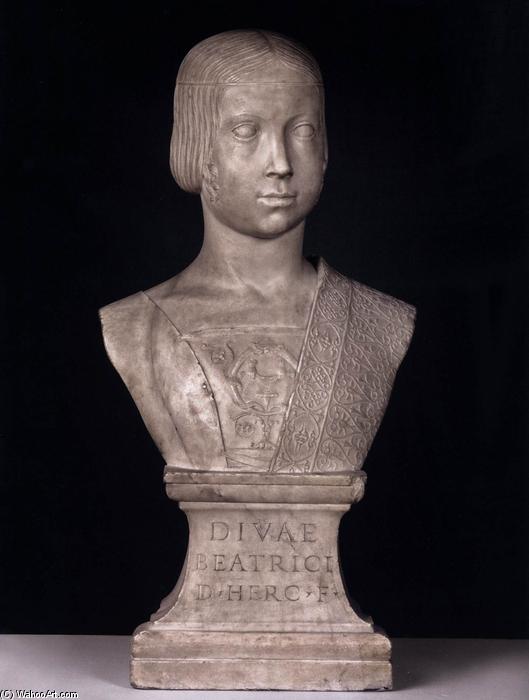
Beatrice d'Este


 Читать далее
Приобретите цифровое изображение высокого разрешения в улучшенном качестве, которое значительно превосходит онлайн-превью.
Каждый файл тщательно подготавливается нашими специалистами с использованием передовых инструментов и экспертной ручной ретуши. Мы гарантируем исключительную четкость, точную цветопередачу и детальную проработку каждого изображения.
Финальный файл доставляется по электронной почте в течение 72 часов и оптимизирован для немедленного использования в профессиональной среде, при верстке и печати. Это тот же уровень качества, которому доверяют ведущие дизайнерские студии, издательства и галереи.
Цифровое изображение
Скачайте файл высокого разрешения для личного использования, печати и творческих проектов. ( Перейти к печати Купить картину ручной работы)
Включено в каждый заказ цифровых изображений
Гарантия экспертной цифровой доставки
Выбирая ArtsDot.com, вы получаете не просто изображение — вы приобретаете профессионально обработанное цифровое произведение искусства, созданное с безупречной точностью и под защитой гарантии качества. Вот всё, что автоматически входит в ваш заказ:

Мгновенная доставка по e-mail
Ваш цифровой файл в высоком разрешении будет отправлен вам по электронной почте в течение 72 часов после оформления заказа — и сразу станет доступен для использования.

Цифровой файл с ИИ-улучшением
Ваше произведение искусства проходит профессиональную оптимизацию с использованием передовых инструментов ИИ и ручной обработки, что гарантирует максимальную детализацию, четкость и точность цветопередачи.

Бессрочная бесплатная повторная доставка
Случайно удалили или потеряли файл? Не беспокойтесь — мы отправим его вам повторно в любое время и совершенно бесплатно.

Без импортных пошлин — навсегда
Наслаждайтесь вашим произведением искусства мгновенно без таможенных пошлин, сборов или затрат на доставку — цифровые загрузки всегда не облагаются налогом.

Гарантия точности цветопередачи
Мы гарантируем, что ваше цифровое изображение максимально точно передает оригинальные цвета благодаря использованию профессиональных инструментов и систем управления цветом.

Гарантия удовлетворенности 100 дней
Если вы не будете удовлетворены своим цифровым изображением, мы внесем правки или вернем 100% стоимости в течение 100 дней — без лишних вопросов.

100% Гарантия возврата средств
Не удовлетворены покупкой? Получите полный возврат средств в течение 100 дней после получения цифрового файла — без лишних вопросов.

Скидки на оптовые заказы
Купите 3 изображения, сэкономьте 10% — Купите 5, сэкономьте 15% — Купите 10+, сэкономьте 20%. Отличное решение для творческих проектов, галерей и агентств.
Похожие произведения










Биография художника
Giovanni Cristoforo Romano (1465 – 1512): A Florentine Sculptor Bridging Gothic and Renaissance
Giovanni Cristoforo Romano (c. 1465 – Loreto, May 31, 1512) stands as a pivotal figure in the transition between Gothic and Renaissance sculpture in Italy. Born in Rome—likely to Isaia da Pisa—Romano’s artistic journey unfolded amidst the burgeoning humanist ideals of his era, yet he retained an undeniable connection to the stylistic traditions of his formative years. While biographical details remain scarce, scholarly consensus points to a robust training under his father and Paolo Romano, establishing him firmly within the Roman sculptural milieu of the mid-fifteenth century.- Early Influences: Romano’s artistic sensibilities were profoundly shaped by the Gothic style prevalent in Rome at the time—particularly evident in the monumental sculptures adorning churches like Santa Maria Maggiore and San Pietro in Vincoli. These works showcased a masterful command of drapery, anatomical precision, and expressive dynamism—characteristics that would persist throughout his career.
- Umbrian Period: Evidence suggests Romano spent considerable time in Umbria during the early 1490s, where he collaborated with Ambrogio d’Antonio Barocci on ambitious projects at Urbino’s Palazzo Ducale. This experience exposed him to the humanist aesthetic championed by Federico da Montefeltro—a stylistic shift marked by a greater emphasis on idealized forms and serene compositions.
- Milanese Patronage: Romano's arrival in Milan in 1490 coincided with the reign of Ludovico Sforza, marking the beginning of his association with one of Italy’s most influential artistic centers. He undertook significant commissions for the ducal court—most notably the monumental tomb of Giangaleazzo Visconti at Pavia’s Certosa—demonstrating his ability to synthesize Gothic and Renaissance techniques into a unified visual language.
- Florence & Isabella d'Este: Romano traveled to Florence in 1503, where he served as artistic advisor to Isabella d’Este—the formidable patroness of the Gonzaga court—and undertook the creation of sculptures for her palazzo. His work during this period reflects a refined aesthetic sensibility—characterized by elegance and subtlety—influenced by Leonardo da Vinci and Michelangelo.
- Final Years & Legacy: Romano's final years were spent in Loreto, where he oversaw the construction of the Santa Casa—a pilgrimage shrine dedicated to Mary Immaculate—a project that cemented his reputation as a master sculptor and solidified his contribution to the artistic heritage of Italy. Despite producing relatively few monumental sculptures, Romano’s oeuvre encompasses a remarkable diversity of styles—ranging from Gothic grandeur to Renaissance refinement—making him an indispensable figure in understanding the complex stylistic panorama of the fifteenth and sixteenth centuries.
Notable Works
- The Tomb of Giangaleazzo Visconti: Located at Pavia’s Certosa di Pavia, Romano's monumental tomb is considered one of his crowning achievements—a testament to his mastery of sculptural technique and his ability to convey profound emotional depth.
- Isabella d’Este’s Bust: Executed in gilded bronze for Isabella d’Este—the influential ruler of Mantua—this portrait bust exemplifies Romano's refined aesthetic sensibilities and reflects the humanist ideals prevalent during his time.
- Winged Victory: Commissioned by Ludovico Sforza—Romano’s patron in Milan—this sculpture embodies the spirit of Renaissance triumph—characterized by soaring drapery, dynamic movement, and symbolic grandeur.
- Giulia Astallia’s Bust: Created for Isabella d’Este—the wife of Federico da Montefeltro—this bust showcases Romano's meticulous attention to detail—demonstrating his exceptional skill in capturing the likeness and conveying the personality of his subject.
Influences & Artistic Style
Romano’s artistic style is characterized by a synthesis of Gothic and Renaissance traditions—reflecting the broader stylistic currents shaping Italian art during his lifetime. He skillfully employed techniques honed in the Gothic workshop—such as drapery modeling and anatomical precision—while simultaneously embracing the humanist ideals championed by Leonardo da Vinci and Michelangelo—expressed through idealized forms and serene compositions. His sculptures are imbued with a palpable sense of emotion—capturing the psychological nuances of human experience—and conveying profound spiritual significance.Historical Significance
Giovanni Cristoforo Romano’s contribution to Italian sculpture is undeniable—establishing him as one of the foremost artists of his era and securing his place among the giants of Renaissance art. His work served as a catalyst for stylistic innovation—bridging the gap between Gothic grandeur and Renaissance refinement—and profoundly influencing subsequent generations of sculptors. Today, Romano's sculptures continue to inspire admiration—testament to their enduring beauty and artistic merit—solidifying his legacy as an artist who embodies the spirit of humanist inquiry and artistic excellence.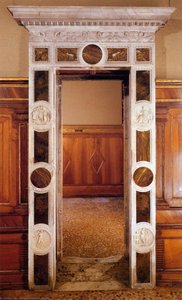
giovanni cristoforo romano
1465 - 1512 , Italy
Основные сведения
- Artistic Movement Or Style: Renaissance
- Artists Or Movements Influenced By This Artist: ['Vasari']
- Artists Who Influenced This Artist:
- Paolo Romano
- Andrea Bregno
- Date Of Birth: ca. 1465
- Full Name: Giovanni Cristoforo Romano
- Nationality: Italian
- Notable Artworks:
- Campo di Santi Giovanni e Paolo
- Door of the studiolo (detail)
- San Giovanni Elemosinario
- Place Of Birth: Rome, Italy