

 Предпросмотр
 Поделиться
 Поделиться
 Детали произведения

 Скачать
 Похожие работы
 Рентгенография
 Слайд-шоу
 Статистика
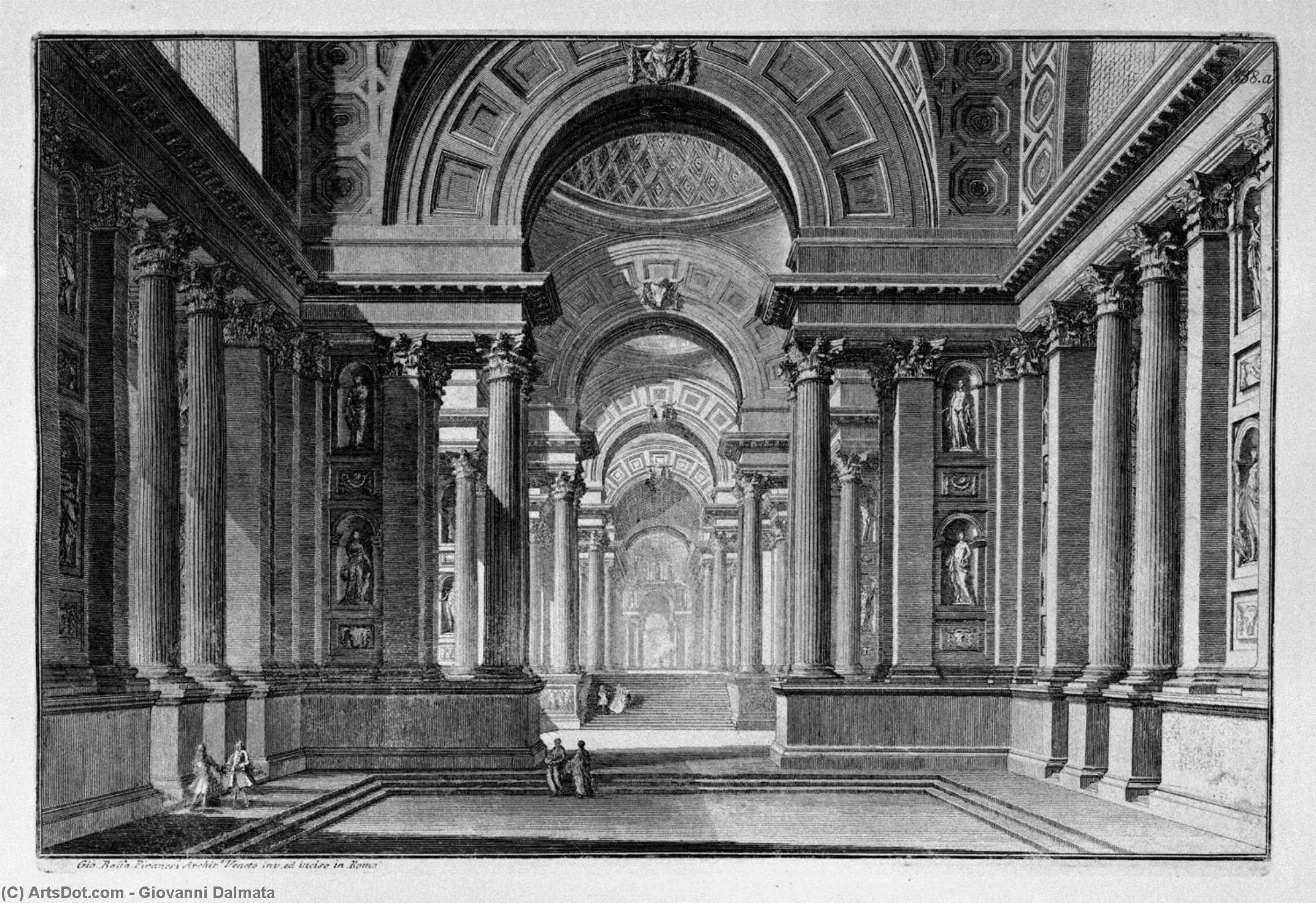
Fragment of an Altar
 1490
1490 79.0 x 123.0 cm
 Венгерская национальная галерея
 Читать далее
Приобретите цифровое изображение высокого разрешения в улучшенном качестве, которое значительно превосходит онлайн-превью.
Каждый файл тщательно подготавливается нашими специалистами с использованием передовых инструментов и экспертной ручной ретуши. Мы гарантируем исключительную четкость, точную цветопередачу и детальную проработку каждого изображения.
Финальный файл доставляется по электронной почте в течение 72 часов и оптимизирован для немедленного использования в профессиональной среде, при верстке и печати. Это тот же уровень качества, которому доверяют ведущие дизайнерские студии, издательства и галереи.
Цифровое изображение
Скачайте файл высокого разрешения для личного использования, печати и творческих проектов. ( Перейти к печати Купить картину ручной работы)
Включено в каждый заказ цифровых изображений
Гарантия экспертной цифровой доставки
Выбирая ArtsDot.com, вы получаете не просто изображение — вы приобретаете профессионально обработанное цифровое произведение искусства, созданное с безупречной точностью и под защитой гарантии качества. Вот всё, что автоматически входит в ваш заказ:

Мгновенная доставка по e-mail
Ваш цифровой файл в высоком разрешении будет отправлен вам по электронной почте в течение 72 часов после оформления заказа — и сразу станет доступен для использования.

Цифровой файл с ИИ-улучшением
Ваше произведение искусства проходит профессиональную оптимизацию с использованием передовых инструментов ИИ и ручной обработки, что гарантирует максимальную детализацию, четкость и точность цветопередачи.

Бессрочная бесплатная повторная доставка
Случайно удалили или потеряли файл? Не беспокойтесь — мы отправим его вам повторно в любое время и совершенно бесплатно.

Без импортных пошлин — навсегда
Наслаждайтесь вашим произведением искусства мгновенно без таможенных пошлин, сборов или затрат на доставку — цифровые загрузки всегда не облагаются налогом.

Гарантия точности цветопередачи
Мы гарантируем, что ваше цифровое изображение максимально точно передает оригинальные цвета благодаря использованию профессиональных инструментов и систем управления цветом.

Гарантия удовлетворенности 100 дней
Если вы не будете удовлетворены своим цифровым изображением, мы внесем правки или вернем 100% стоимости в течение 100 дней — без лишних вопросов.

100% Гарантия возврата средств
Не удовлетворены покупкой? Получите полный возврат средств в течение 100 дней после получения цифрового файла — без лишних вопросов.

Скидки на оптовые заказы
Купите 3 изображения, сэкономьте 10% — Купите 5, сэкономьте 15% — Купите 10+, сэкономьте 20%. Отличное решение для творческих проектов, галерей и агентств.
Похожие произведения










Биография художника
The Sculptor of Two Worlds: The Legacy of Giovanni Dalmata
In the vibrant tapestry of the European Renaissance, few figures bridge the cultural landscapes of the Adriatic and the Italian peninsula as elegantly as Giovanni Dalmata. Born around 1440 in the serene Dalmatian village of Vinišće—now known as Marina—his life was a journey of movement, from the rugged stonemasonry traditions of his homeland to the sophisticated papal courts of Rome. Known in Croatia as Ivan Duknović and in Italy as Giovanni Duknovich di Traù, he emerged not merely as a craftsman, but as a master of marble who could breathe life into stone, capturing both the divine and the human with equal fervor.
Dalmata’s artistic soul was forged in the workshops near Trogir, where the disciplined craft of stonemasonry provided him with an intimate understanding of his medium. This foundational period instilled in him a meticulous attention to detail and a profound respect for the physical properties of marble—qualities that would later allow him to execute some of the most delicate reliefs of the fifteenth century. His early training was less about abstract theory and more about the tactile reality of carving, a skill set that proved indispensable when he eventually sought his fortune in the heart of the Renaissance.
A Roman Ascent and the Splendor of Papal Patronage
The trajectory of Dalmata’s career shifted dramatically between 1460 and 1465, when he arrived in Rome. Drawn by the magnetic pull of the burgeoning artistic patronage under Pope Paul II, he found himself immersed in the intellectual furnace of the papal court. Working as a sculptor’s assistant at the Palazzo Venezia, Dalmata was exposed to the cutting-edge innovations of Florentine Renaissance sculpture. This period of immersion allowed him to synthesize his Dalmatian technical precision with the classical ideals of balance and proportion that were defining the era.
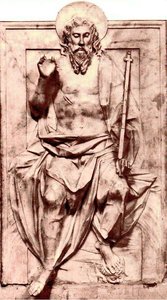
As his reputation grew, so did the scale of his commissions. Dalmata became a sought-after name for monumental funerary works, a genre that demanded both technical virtuosity and an ability to convey profound spiritual truths. His hands shaped the marble for the tomb monuments of high-ranking clergy, including the ambitious—though now dismantled—tomb of Pope Paul II himself, as well as the elaborate funerary sculptures for Cardinals Bartolomeo della Rovere and Bernardo Ercoli. In works such as his Relief with the Blessing Christ, one can witness his mastery of the High Renaissance style; the way he renders the cascading drapery of Christ’s garments reflects a deep commitment to mirroring divine beauty through the perfection of form.
From the Hungarian Court to the Adriatic Shores
Dalmata’s artistic odyssey was not confined to the borders of Italy. In the late 1480s, he traveled to Buda to serve the illustrious court of King Matthias Corvinus in Hungary. This period of his life represents a bittersweet chapter in art history; while he achieved great heights, many of his most significant Hungarian works, such as the Fountain of Hercules in Visegrád, were tragically lost to time through destruction or damage. Yet, even in these lost masterpieces, his influence spread, marking him as a truly international figure of the Renaissance.
Eventually, the pull of his roots brought him back to Dalmatia, where he left an indelible mark on the architecture and sacred art of Trogir and the surrounding islands. His later years were spent contributing to the spiritual landscape of his native region, creating works such as:
- The Statue of St. John the Evangelist in the Orsini Chapel of Trogir Cathedral, a testament to his enduring devotion to sacred iconography.
- The Sculpture of St. Magdalene within the Franciscan monastery on Čiovo island, showcasing his ability to evoke emotion through stone.
- Collaborative architectural triumphs, such as his work with Niccolò Fiorentino and Andrea Alessi on the Cippico Palace in Trogir.
Ultimately, Giovanni Dalmata stands as a monumental figure of the fifteenth century. He was an artist who successfully navigated the transition from the medieval traditions of a stonemason to the humanist heights of the Renaissance, leaving behind a legacy that continues to resonate through the marble halls of Rome and the historic cathedrals of the Adriatic coast.
Giovanni Dalmata
1440 - 1514 , Croatia
Основные сведения
- Artistic Movement Or Style: Renaissance Sculpture
- Artists Or Movements Influenced By This Artist: ['']
- Artists Who Influenced This Artist: ['']
- Date Of Birth: c. 1440
- Date Of Death: c. 1514
- Full Name: Giovanni Dalmata
- Nationality: Croatian
- Notable Artworks:
- The Virgin and Child Relief
- Fragment of an Altar
- Place Of Birth: Marina, Croatia