

 Поделиться
 Поделиться
 Детали произведения

 Скачать
 Похожие работы
 Слайд-шоу
 Статистика
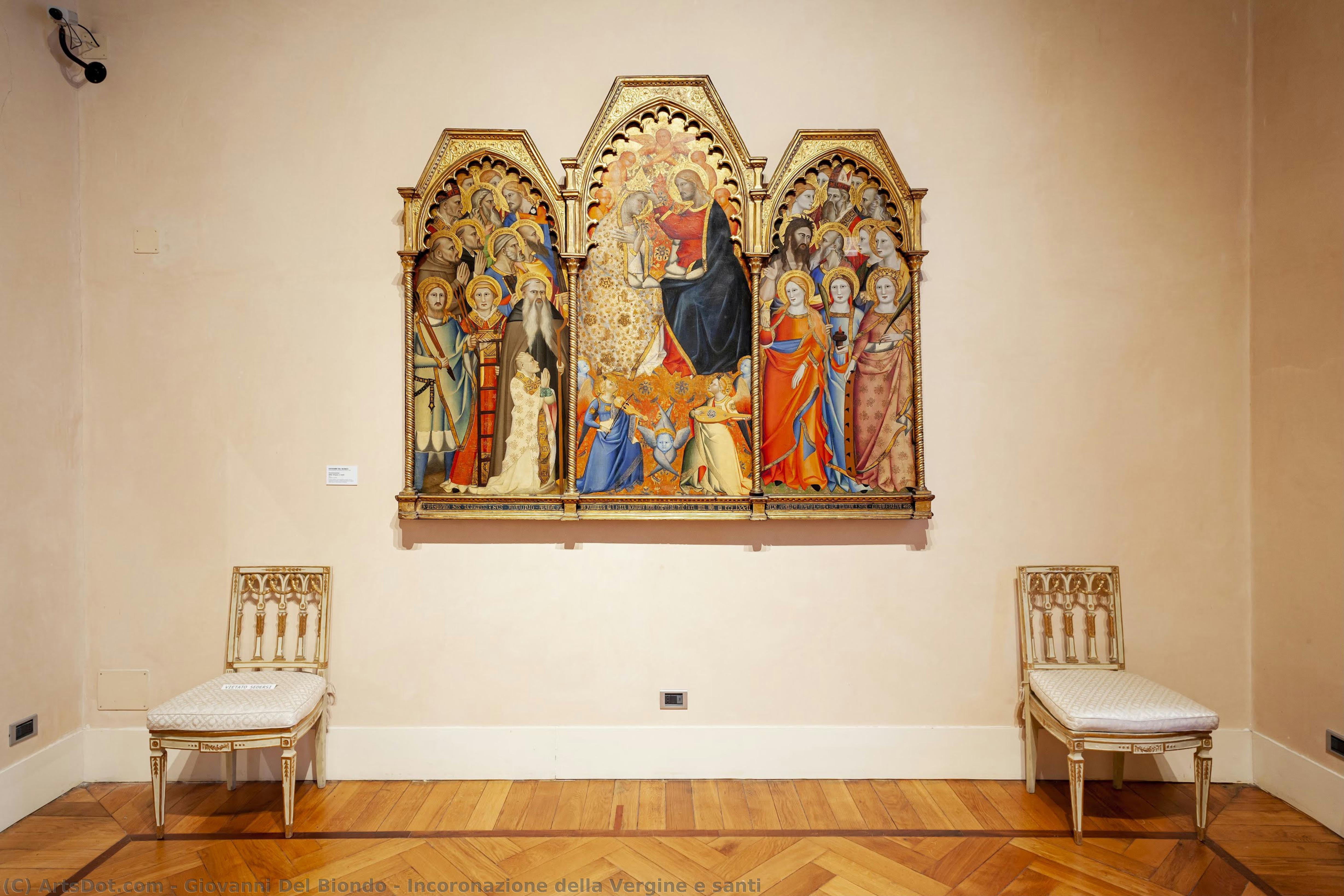
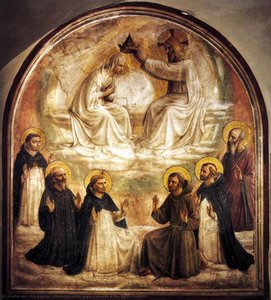
Incoronazione della Vergine e santi


 Читать далее
Приобретите цифровое изображение высокого разрешения в улучшенном качестве, которое значительно превосходит онлайн-превью.
Каждый файл тщательно подготавливается нашими специалистами с использованием передовых инструментов и экспертной ручной ретуши. Мы гарантируем исключительную четкость, точную цветопередачу и детальную проработку каждого изображения.
Финальный файл доставляется по электронной почте в течение 72 часов и оптимизирован для немедленного использования в профессиональной среде, при верстке и печати. Это тот же уровень качества, которому доверяют ведущие дизайнерские студии, издательства и галереи.
Цифровое изображение
Скачайте файл высокого разрешения для личного использования, печати и творческих проектов. ( Перейти к печати Купить картину ручной работы)
Включено в каждый заказ цифровых изображений
Гарантия экспертной цифровой доставки
Выбирая ArtsDot.com, вы получаете не просто изображение — вы приобретаете профессионально обработанное цифровое произведение искусства, созданное с безупречной точностью и под защитой гарантии качества. Вот всё, что автоматически входит в ваш заказ:

Мгновенная доставка по e-mail
Ваш цифровой файл в высоком разрешении будет отправлен вам по электронной почте в течение 72 часов после оформления заказа — и сразу станет доступен для использования.

Цифровой файл с ИИ-улучшением
Ваше произведение искусства проходит профессиональную оптимизацию с использованием передовых инструментов ИИ и ручной обработки, что гарантирует максимальную детализацию, четкость и точность цветопередачи.

Бессрочная бесплатная повторная доставка
Случайно удалили или потеряли файл? Не беспокойтесь — мы отправим его вам повторно в любое время и совершенно бесплатно.

Без импортных пошлин — навсегда
Наслаждайтесь вашим произведением искусства мгновенно без таможенных пошлин, сборов или затрат на доставку — цифровые загрузки всегда не облагаются налогом.

Гарантия точности цветопередачи
Мы гарантируем, что ваше цифровое изображение максимально точно передает оригинальные цвета благодаря использованию профессиональных инструментов и систем управления цветом.

Гарантия удовлетворенности 100 дней
Если вы не будете удовлетворены своим цифровым изображением, мы внесем правки или вернем 100% стоимости в течение 100 дней — без лишних вопросов.

100% Гарантия возврата средств
Не удовлетворены покупкой? Получите полный возврат средств в течение 100 дней после получения цифрового файла — без лишних вопросов.

Скидки на оптовые заказы
Купите 3 изображения, сэкономьте 10% — Купите 5, сэкономьте 15% — Купите 10+, сэкономьте 20%. Отличное решение для творческих проектов, галерей и агентств.
A Celestial Coronation: The Divine Vision of Giovanni del Biondo
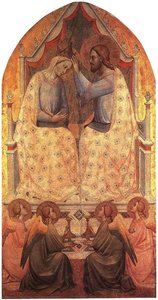
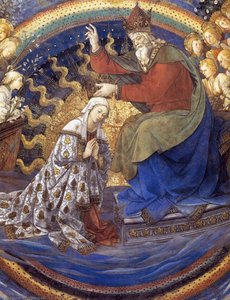
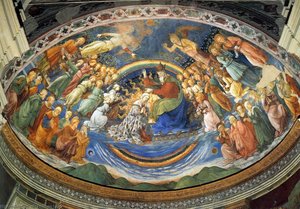
In the hallowed atmosphere of the late fourteenth century, few images capture the intersection of earthly devotion and heavenly glory as profoundly as Incoronazione della Vergine e santi. This magnificent fresco, masterfully executed by the Florentine master Giovanni del Biodo around 1372, serves as a breathtaking window into the Florentine Gothic tradition. At its heart lies the coronation of the Virgin Mary, a moment of supreme spiritual significance where the Queen of Heaven is seated upon a majestic throne, enveloped in a celestial assembly. The composition breathes with a sense of sacred rhythm, as Mary is surrounded by a host of angels and saints, each figure rendered with a delicate reverence that invites the viewer into a state of quiet contemplation.
The artistry of Del Biondo reveals a profound dialogue between the lingering elegance of the Gothic style and the burgeoning realism of the Early Renaissance. Influenced by the monumental legacy of Giotto, the artist employs a technique that emphasizes both spatial depth and emotional resonance. The arrangement of the figures is not merely decorative but deeply symbolic; the way the saints and angels cluster around the central throne creates a pyramidal stability that draws the eye upward toward the divine event. The backdrop, though part of a larger architectural fresco, suggests a profound sense of presence, as if the very walls of the space are dissolving to reveal the splendor of the empyrean realm.
For the discerning collector or interior designer, this piece offers more than just historical value; it provides an anchor of timeless elegance. The palette, characteristic of the period, evokes a sense of warmth and antiquity, making it an ideal centerpiece for spaces that demand a touch of classical sophistication. Whether placed in a grand gallery or a curated private study, the Incoronazione della Vergine e santi brings with it an aura of peace and historical weight. A high-quality reproduction of this fresco allows one to possess a fragment of Florentine history, transforming a contemporary interior into a sanctuary of art and devotion.
To appreciate this work is to engage with the very soul of the Quattrocento. Every brushstroke reflects the meticulous craftsmanship of an era where art was a bridge between the human and the divine. As light interacts with the textures of the reproduction, the intricate details of the saints' attire and the ethereal expressions of the angels come alive, offering a continuous source of inspiration for those who seek to surround themselves with beauty that transcends time.
Похожие произведения
Биография художника
A Florentine Master in the Shadow of Giants
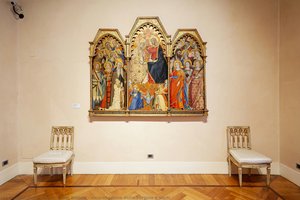
The story of Giovanni del Biondo is one woven into the very fabric of 14th-century Florence, a period of profound transition where the rigid elegance of the Gothic tradition began to breathe with the nascent vitality of the Early Renaissance. Born around 1356, likely in the Casentino region, Del Biondo emerged as a figure whose life was documented by the meticulous tax records of his adopted home, yet whose personal biography remains partially veiled in mystery. As he gained Florentine citizenship under the name Iohannes Biondi de Casentino pictor, he stepped into a thriving artistic ecosystem, positioning himself within a lineage of masters that would define the Tuscan aesthetic for generations.
While the precise details of his early education are subject to scholarly debate, the echoes of greatness are unmistakable in his brushwork. It is widely believed that Del Biodno honed his craft within the prestigious workshops of Andrea di Cione and Nardo di Cione, alongside the influence of Bernardo Daddi. Through these connections, he absorbed the revolutionary language of Giotto—a style that prioritized emotional resonance, spatial realism, and a deliberate simplicity of form. This foundational training allowed him to navigate the shifting artistic currents of his era, moving seamlessly between the spiritual gravity of Gothic iconography and the burgeoning naturalism that would soon characterize the Renaissance.
The Evolution of Form and Color
Del Biondo’s artistic journey is marked by a fascinating evolution in medium and technique. His earliest forays into the world of painting were through the medium of fresco, where he demonstrated an immediate mastery of Giotto’s groundbreaking approach to human emotion. These early works were characterized by luminous colors and a striking avoidance of excessive ornamentation, focusing instead on the raw, spiritual power of the narrative. As his career progressed, he transitioned toward the more delicate and detailed medium of tempera on panel, a shift that allowed him to explore greater textural complexity and nuanced tonal gradations.
In these later panel paintings, one can observe a remarkable expansion of artistic vision. Influenced by the visionary depictions of urban life and moral allegory found in the works of Ambrosio Lorenzetti, Del Biondo began to imbue his compositions with a more sophisticated sense of depth. His figures, which initially appeared in simple, bright arrangements, gradually gained a more naturalistic appearance, becoming more spontaneous and intricately detailed. This development was not merely technical but deeply intellectual, as he sought to balance the established traditions of his predecessors with a new, more observant approach to the physical world.
Legacy and the Art of the Polyptych
The true significance of Giovanni del Biondo lies in his ability to maintain a distinctive, recognizable style amidst a sea of changing influences. Even as his compositions grew more complex, certain idiosyncrasies remained hallmarks of his hand: wayward proportions, sharp and spiky features, and a powerful sense of design that commanded the viewer's attention. Most of his surviving works were originally part of large-scale polyptych altarpieces, grand religious structures designed to inspire awe and devotion within the sacred spaces of Florentine churches.
Though the use of studio assistants in his later years occasionally led to fluctuations in the precision of his work, his contribution to the Florentine school remains indelible. He stands as a pivotal bridge between two worlds—the stylized, symbolic realm of the Gothic and the human-centric, observational era of the Renaissance. Through his religious-themed panels and frescoes, Del Biondo captured the spiritual zeitgeist of 14th-century Italy, leaving behind a legacy of beauty that continues to resonate with the profound emotional depth and technical brilliance of a master in transition.
giovanni del biondo
1356 - 1399
Основные сведения
- Artistic Movement Or Style: Gothic & Early Renaissance
- Artists Or Movements Influenced By This Artist:
- Ambrosio Lorenzetti
- Bernardo Daddi
- Artists Who Influenced This Artist:
- Giotto
- Andrea di Cione
- Date Of Death: 1399
- Full Name: Giovanni del Biondo
- Nationality: Italian
- Notable Artworks:
- San Zanobi
- Polittico Di San Giovanni Valdarno
- Place Of Birth: Casentino