

 Предпросмотр
 Поделиться
 Поделиться
 Детали произведения

 Скачать
 Похожие работы
 Рентгенография
 Слайд-шоу
 Статистика
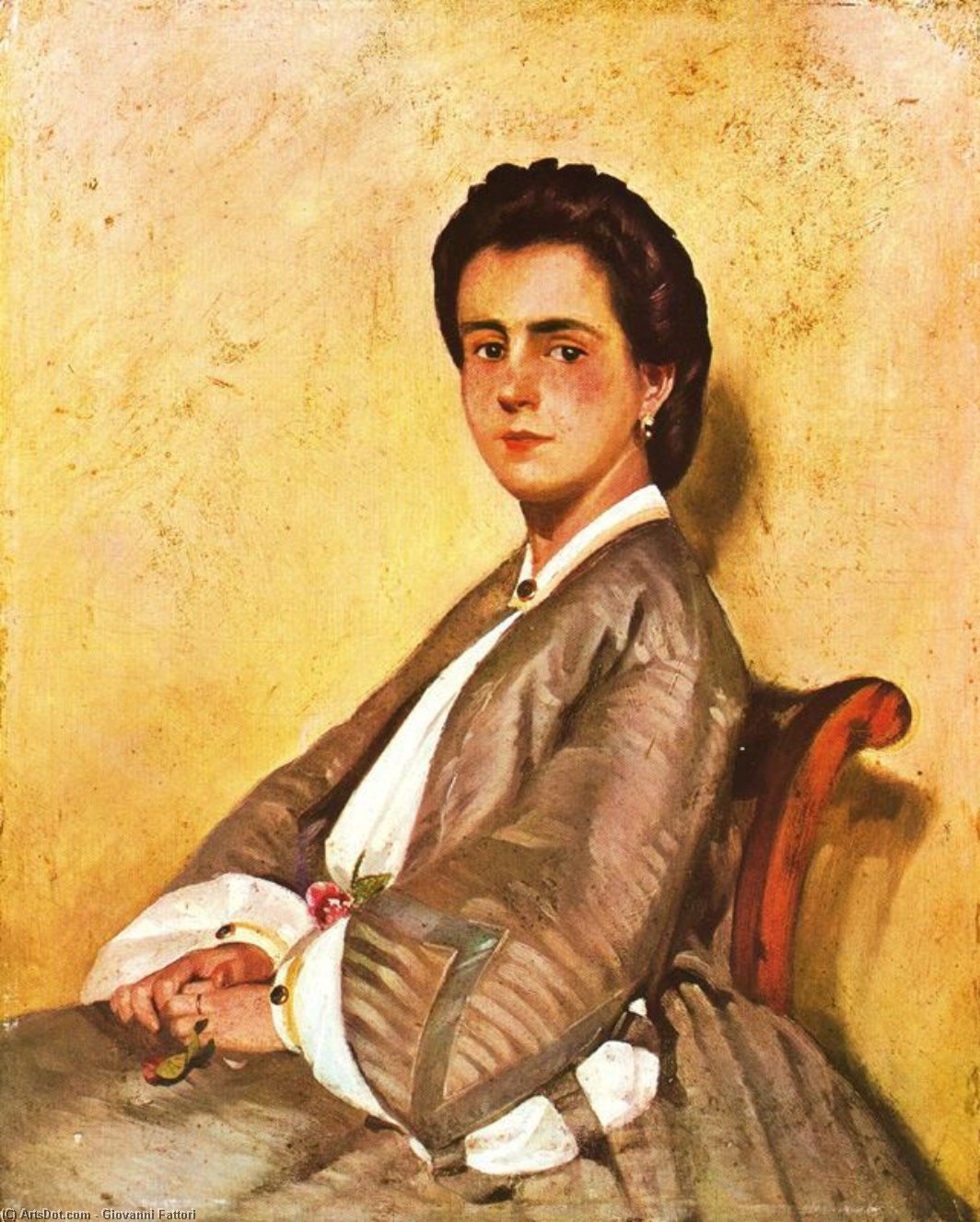
Portrait of Cousin Argia

 Читать далее
Масляная репродукция ручной работы
Картина маслом на холсте в выбранном вами размере и раме, написанная на заказ нашими художниками. ( Перейти к печати Перейти к цифровым изображениям)




































Выберите один из наших стандартных размеров, соответствующих оригинальным пропорциям произведения искусства.

Вы можете указать собственные размеры, чтобы картина идеально вписалась в выбранную раму или пространство. Если выбранный вами размер не соответствует пропорциям оригинала, мы либо обрежем полотно, либо расширим его за счет дополнительных элементов, написанных вручную. Цифровой макет будет отправлен вам на утверждение перед началом производства.
Обратите внимание, что предварительный просмотр на экране не отражает фактическую обрезку или расширение. Только макет точно покажет окончательную композицию.
Хотя доступны индивидуальные размеры, мы рекомендуем выбирать вариант из предопределенного списка, чтобы сохранить исходные пропорции.
После оформления заказа команда ArtsDot.com свяжется с клиентом по электронной почте для уточнения деталей и предоставит предварительный макет
Доставка по всему миру () за 3–4 недели вместо стандартных 5 недель. (13 Сентябрь). Без компромиссов в качестве.

Бесплатная экспресс-доставка по всему миру

Высококачественный льняной холст

Полное страхование доставки

Гарантия возмещения таможенных пошлин

Гарантия точного соответствия цветов

100-дневная политика возврата (только при обнаружении дефектов)

Гарантия возврата 100% средств

Предложение оптовых скидок
 Вариант со стеклом доступен только для размеров менее 110 см

Portrait of Cousin Argia
Техника репродукции
Размер репродукции
-


Итоговая стоимость
$ 263
A Glimpse into 19th-Century Italian Portraiture: "Portrait of Cousin Argia"
Giovanni Fattori's "Portrait of Cousin Argia," painted around 1861, offers a captivating window into the artistic and social landscape of mid-19th century Italy. This intimate portrait transcends a mere likeness; it embodies the burgeoning aesthetic ideals of the Macchiaioli movement while retaining echoes of academic tradition. The subject, believed to be Fattori’s cousin Argia, is presented with quiet dignity and a subtle psychological depth that invites contemplation.
Style & Technique: Bridging Tradition and Innovation
Fattori's style in "Portrait of Cousin Argia" exemplifies the transition from academic realism towards the innovative approach championed by the Macchiaioli. The painting showcases meticulous attention to detail, particularly evident in the rendering of Argia’s elaborate gray dress and delicate flower. However, unlike the highly polished surfaces favored by earlier academic painters, Fattori employs a looser brushstroke and a more nuanced use of color—hallmarks of the Macchiaioli movement. The technique involves oil paints applied with careful blending to achieve smooth transitions in tone, creating a soft and gentle aesthetic. The diffused lighting further enhances this effect, minimizing harsh contrasts and emphasizing the subject's serene presence.
Historical Context & the Macchiaioli Movement
To understand "Portrait of Cousin Argia," it’s crucial to consider its historical context. Fattori was a leading figure in the Macchiaioli movement—a group of Italian painters who rejected the prevailing Neoclassical and Romantic styles, instead embracing realism and plein-air painting (painting outdoors). Inspired by the Barbizon School in France, the Macchiaioli sought to capture the fleeting effects of light and atmosphere on the Tuscan landscape and everyday life. While known for their landscapes and scenes of military life, Fattori's portrait demonstrates his ability to apply these principles to figure painting as well. The portrait’s composition, with its focus on a single subject against a simple background, reflects the growing influence of photography during this period.
Symbolism & Emotional Impact
Beyond its technical merits, "Portrait of Cousin Argia" possesses a subtle symbolic depth. Argia's posture—seated gracefully with her hands resting gently on her lap—conveys a sense of quiet composure and inner strength. The delicate flower she holds may symbolize innocence or fragility, contrasting with the firmness in her gaze. Fattori’s deliberate inclusion of a slight reflection of light in Argia’s pupil creates an impression of penetrating intelligence and a hint of authority. The muted color palette and soft lighting contribute to the painting's overall emotional impact—a feeling of gentle melancholy and understated elegance that resonates with viewers even today.
A Timeless Portrait for Your Collection
“Portrait of Cousin Argia” is more than just a portrait; it’s a testament to Fattori’s artistic skill and a valuable glimpse into 19th-century Italian society. Its understated beauty, technical mastery, and subtle emotional depth make it an ideal addition for art lovers, collectors, and interior designers seeking a piece that combines historical significance with timeless appeal.
Похожие произведения
Биография художника
Giovanni Fattori: A Pioneer of Light and Tuscan Vision
Giovanni Fattori, a name inextricably linked to the Macchiaioli movement and a significant precursor to Impressionism, emerged from the vibrant artistic currents of 19th-century Italy. Born in Livorno in 1825, his life’s journey – transitioning from an aspiring commerce student to a celebrated painter – embodies the compelling force of an artist's calling. Initially guided by familial expectations towards a more practical profession, Fattori’s innate talent for drawing swiftly asserted itself, leading him to an apprenticeship with Giuseppe Baldini in 1845. This marked not merely the beginning of his formal artistic education but also the dawn of a profound transformation, setting him on a path that would ultimately redefine Italian painting. His early years were shaped by a deep engagement with historical narratives and portraits, influenced significantly by the style of Giuseppe Bezzuoli, yet these served as mere stepping stones towards embracing a radically new approach to capturing the essence of reality.The Birth of the Macchiaioli: A Revolutionary Philosophy
The 1850s proved to be a watershed moment in Fattori’s artistic development. Florence became the crucible where his revolutionary ideas took shape, as he frequented the Caffè Michelangelo – a bustling hub that served as a breeding ground for artists challenging established academic conventions and experimenting with innovative forms of expression. It was within this vibrant atmosphere that he connected with Telemaco Signorini and other kindred spirits, forging the core of what would become known as the Macchiaioli – a collective whose name derives from the Italian word “macchia,” meaning ‘spot’ or ‘patch.’ This wasn't simply a stylistic label; it represented a fundamental shift in artistic philosophy. Inspired by the Barbizon School painters and particularly Giovanni Costa, Fattori embraced *plein-air* painting—working directly outdoors to capture the fleeting effects of light and shadow – and focused on depicting scenes with an immediacy and spontaneity previously unseen in Italian art. The Macchiaioli sought to represent visual impressions rather than meticulously detailed reproductions, prioritizing the subjective experience of seeing over strict adherence to academic rules. Fattori’s groundbreaking work, *Dopo la Battaglia di Magenta* (After the Battle of Magenta), completed between 1860 and 1861, stands as a testament to this revolutionary approach – a pioneering depiction of contemporary history that broke from traditional heroic representations of warfare and offered a starkly realistic portrayal of its aftermath. The painting’s raw emotional power and unconventional composition signaled a new direction for Italian art, moving away from idealized historical scenes towards a more honest and immediate engagement with the world around them.Tuscan Landscapes and the Spirit of Italy
Fattori's mature style was characterized by a masterful synthesis of *plein-air* observation and carefully considered studio composition. He didn’t abandon structure in favor of pure impressionism; instead, he skillfully blended the immediacy of outdoor painting with the deliberate arrangement of forms learned through academic training. Recurring themes emerged throughout his career: evocative landscapes imbued with the golden light of Tuscany, poignant portraits – notably those of his sister-in-law Argia– and scenes of military life that reflected his earlier experiences during the Risorgimento. After 1880, Fattori found himself increasingly drawn to the Maremma region—a wild and untamed landscape south of Florence—becoming a source of endless inspiration for his work. This area’s unique atmosphere, rugged beauty, and the lives of its inhabitants profoundly influenced his later paintings, imbuing them with a sense of both drama and intimacy. He also dedicated considerable energy to etching after 1884, demonstrating his versatility as an artist and exploring new avenues for expressing his artistic vision. The Maremma, with its vast plains and dramatic skies, provided Fattori with a canvas upon which he could explore the relationship between humanity and nature—often depicting solitary figures dwarfed by the immensity of the landscape.The Risorgimento and National Identity
Fattori’s early involvement in the tumultuous years of the Risorgimento – Italy's struggle for unification – profoundly shaped his artistic perspective. Witnessing firsthand the fervor and upheaval of nation-building, he incorporated these experiences into his work, creating a series of paintings that captured not just the landscapes of Italy but also the spirit and struggles of its people. His depictions of military life during this period—often portraying soldiers in their daily routines rather than grand battles—became a significant part of his oeuvre, reflecting a desire to represent the realities of Italian nationalism beyond heroic narratives. These works served as visual embodiments of Italian patriotism, celebrating the resilience and dignity of ordinary citizens striving for a unified nation.A Lasting Legacy: Shaping Italian Art
Giovanni Fattori’s significance extends far beyond his technical innovations. As a leading figure of the Macchiaioli movement, he played a crucial role in establishing a distinctly Italian approach to modern painting—one that diverged from prevailing academic traditions and embraced a more direct engagement with the natural world. His emphasis on *plein-air* painting and capturing fleeting moments of light foreshadowed the developments of Impressionism, demonstrating his forward-thinking artistic sensibility. He remains a pivotal figure in Italian art history, a master of light, landscape, and the human spirit—a painter who not only captured the beauty of Tuscany but also helped to shape the national identity of Italy through his powerful and evocative works.- Key Influences: Barbizon School painters, Giovanni Costa, Giuseppe Bezzuoli.
- Major Themes: Tuscan landscapes, military life, portraits, scenes of contemporary Italy.
- Artistic Style: Macchiaioli, *plein-air* painting, bold brushstrokes, emphasis on light and shadow.
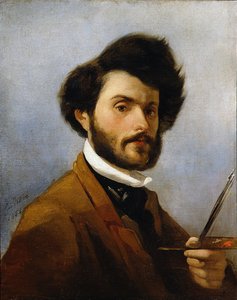
Джованни Фаттори
1825 - 1908 , Италия
Основные сведения
- Artistic Movement Or Style: Маччаиоло, импрессионизм
- Artists Or Movements Influenced By This Artist: ['Импрессионизм']
- Artists Who Influenced This Artist:
- Джованни Коста
- Школа Барбизон
- Date Of Birth: 6 сентября 1825 г.
- Date Of Death: 30 августа 1908 г.
- Full Name: Giovanni Fattori
- Nationality: Итальянский
- Notable Artworks:
- После битвы при Мадженте
- Красный экипаж
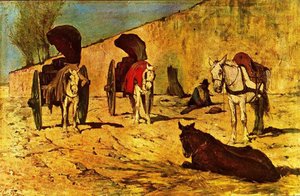
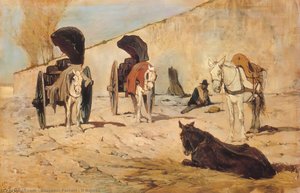
- Римские повозки
- Place Of Birth: Ливорно, Италия
Похожие статьи
The Poetic Truth of Observation: Exploring 19th-Century Realism in Painting
Explore the captivating world of 19th-century Realism! Discover key artists like Courbet & Millet, masterpieces, and the powerful social commentary behind this influential art movement. Expert insights at ArtsDot.

Romantic Realism's Finest: 10 Masterpieces for Your Home | ArtsDot
Explore 10 defining masterpieces of Romantic Realism! Discover Courbet, Millet & Daumier's powerful paintings—capturing emotion and social realities. Find museum-quality reproductions for your home at ArtsDot.com.
Echoes of Society: Exploring Social Realism's Enduring Legacy in Art
Explore the powerful world of Social Realism art! Discover key artists, masterpieces & its profound social commentary. Expert insights into this influential movement's history and enduring legacy.
The Evocative Embrace of Reality: Exploring Romantic Realism in 19th-Century Painting
Explore the captivating world of Romantic Realism! Discover key artists like Courbet & Millet, masterpieces, and the social context behind this influential art movement. Expert insights for collectors at ArtsDot.
Giovanni Fattori: Realism, Identity & the Tuscan Landscape – A Macchiaioli Master
Explore the life & art of Giovanni Fattori, a leading figure of the Macchiaioli movement. Discover his revolutionary realism, captivating Tuscan landscapes, and lasting impact on Italian painting. Learn more at ArtsDot.